Side-by-Side Cognitive Profiles
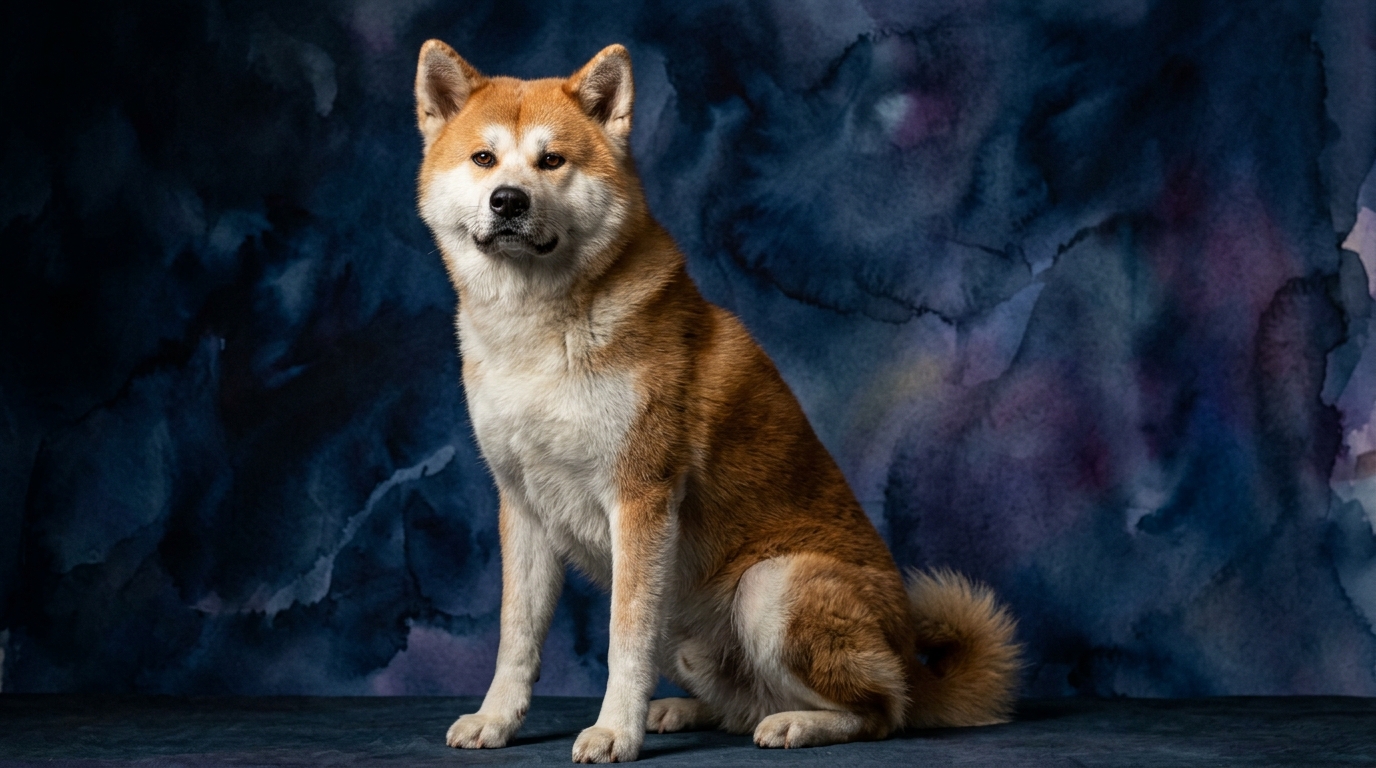
The Akita, a working breed, presents a cognitive profile marked by deep-seated independence and potent instincts. Their problem-solving ability, rated at 3/5, indicates they can navigate complex situations and find solutions, often through determined, self-reliant action rather than seeking human guidance. Training speed is a more measured 2/5, reflecting a breed that processes commands thoughtfully and often requires a compelling 'why' before compliance. Social intelligence, at 3/5, points to a discerning nature; they are acutely aware of their trusted human family's cues but reserved and often aloof with strangers. Their instinctive drive is exceptionally high at 5/5, encompassing strong guarding, hunting, and protective behaviors that are deeply ingrained. Finally, their memory stands at a robust 4/5, meaning they retain experiences, lessons, and relationships with remarkable clarity, forming lasting impressions.
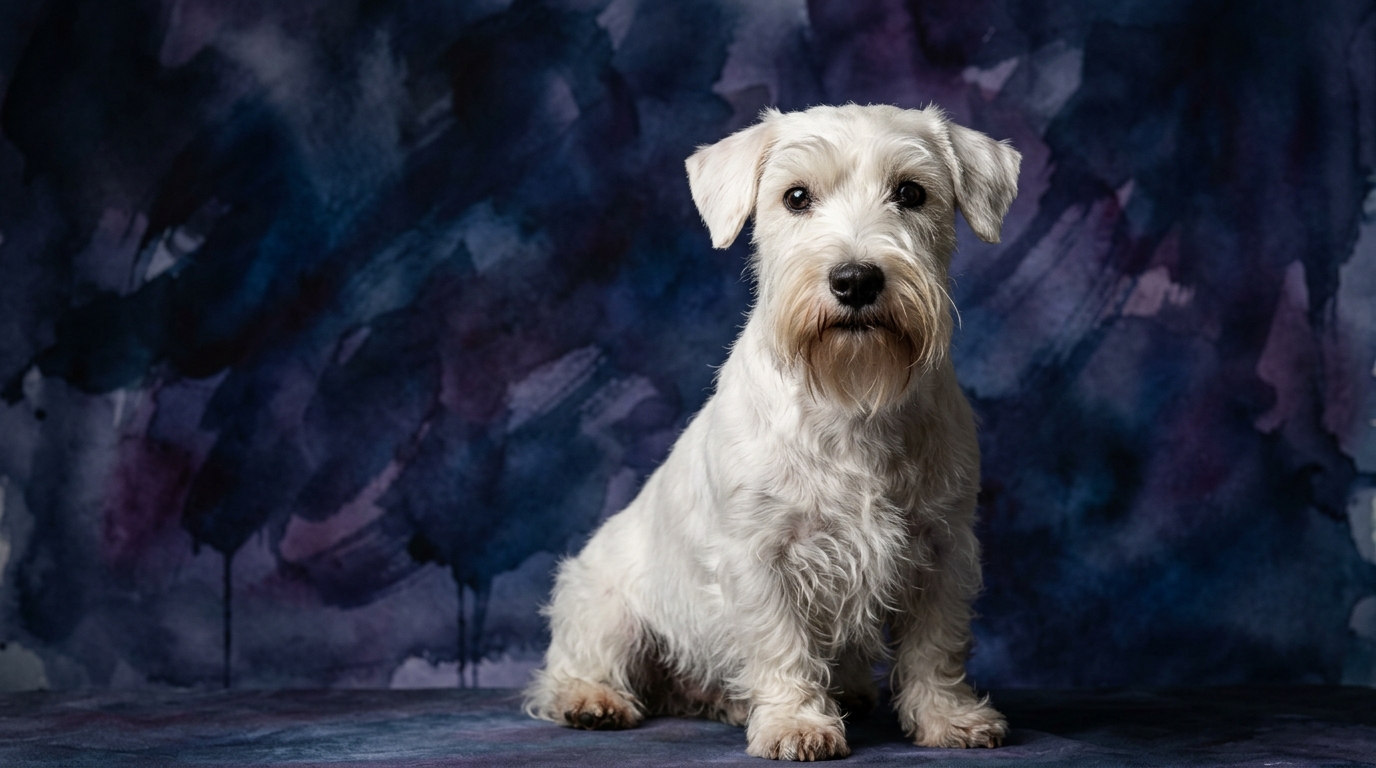
In contrast, the Sealyham Terrier, a member of the terrier group, offers a different intellectual blueprint. Their problem-solving capacity also scores 3/5, manifesting as resourceful and often clever ways to achieve their goals, particularly when it involves exploring or pursuing. Training speed is a moderate 3/5; they can pick up new commands with consistency and engaging methods, though their terrier tenacity can introduce a learning curve. Social intelligence mirrors the Akita at 3/5, indicating an ability to read human emotions and social dynamics within their family unit, though they possess a more outwardly affable, yet still assertive, demeanor compared to the Akita's stoicism. Their instinctive drive is a solid 3/5, primarily focused on the traditional terrier role of pursuing small prey, digging, and exploring. Memory for the Sealyham Terrier is rated at 3/5, suggesting they learn and recall information effectively over time, though perhaps not with the same indelible precision as the Akita.
Where the Akita's Mind Excels
The Akita's cognitive strengths truly shine in areas demanding profound loyalty and unwavering purpose, primarily driven by their exceptional instinctive drive (5/5) and formidable memory (4/5). This breed possesses an intrinsic understanding of their role within a family unit, often manifesting as a vigilant guardian. Their high instinctive drive means they are powerfully motivated by their innate protective urges, making them unparalleled in situations where steadfastness and territorial awareness are paramount. This isn't about speed of learning tricks, but the depth of their commitment to their perceived duties.
Furthermore, the Akita's superior memory allows them to build complex, long-term relationships and understandings with their environment and human companions. They recall past interactions with remarkable detail, whether it's a positive training experience that solidifies a bond or a negative encounter that instills caution. This cognitive trait contributes to their profound, if sometimes selective, loyalty and their ability to learn intricate routines and expectations, making them deeply reliable once trust and understanding are established. Their intelligence is less about flashy tricks and more about enduring, purposeful engagement with their world.
Where the Sealyham Terrier's Mind Shines
The Sealyham Terrier's cognitive advantages become apparent in their moderate training speed (3/5) and a more manageable instinctive drive (3/5) compared to the Akita. While both breeds share a 3/5 in problem-solving, the Sealyham's approach is often characterized by a clever, persistent resourcefulness typical of terriers. They are adept at figuring out how to get to that interesting scent or how to circumvent a perceived barrier, showcasing a practical intelligence that is often more adaptable to varied domestic scenarios.
Their slightly quicker training speed, coupled with a less overwhelming instinctive drive, means Sealyhams can often integrate more readily into diverse household dynamics. They possess a spirited curiosity and a willingness to engage that can make training sessions enjoyable and productive, provided the methods are stimulating and consistent. This isn't to say they lack tenacity, but their focused terrier drive, while potent for specific tasks like digging or chasing, is generally less broadly intense than the Akita's comprehensive guarding instincts, potentially making their cognitive energies easier to direct and channel for a wider range of activities.
Training: A Matter of Temperament and Drive
When considering ease of training, the Sealyham Terrier generally presents a more approachable experience for many owners compared to the Akita. The Sealyham's training speed is rated 3/5, indicating they can learn new commands and behaviors at a reasonable pace, especially when training is engaging and rewards-based. Their terrier independence means they aren't always blindly obedient, but their motivation to interact and their focused instinctive drive (3/5) can be effectively channeled into structured activities like obedience, agility, or scent work. They respond well to positive reinforcement and consistent expectations, thriving on mental challenges.
The Akita, with a training speed of 2/5, demands a significantly different approach. Their profound independence and strong will mean they often 'question' commands rather than immediately complying. Training an Akita is less about speed and more about building a deep, trusting relationship where the dog respects the owner's leadership. Their high instinctive drive (5/5) means they are often internally motivated by their own purposes, such as guarding or hunting, which can override human directives. This requires immense patience, consistency, and a deep understanding of canine behavior, making them a challenge for inexperienced owners. Real behavioral differences include the Akita's tendency to guard resources or space fiercely, and their selective hearing when not sufficiently motivated, contrasting with the Sealyham's more general eagerness, albeit with bouts of terrier stubbornness.
Matching Breeds to Lifestyles: Active vs. Relaxed Owners
For the truly active and dedicated owner, the Akita can be an incredibly rewarding companion, but they are unequivocally not suited for a relaxed lifestyle. Their immense instinctive drive (5/5) and strong physical presence demand consistent mental stimulation, rigorous training, and ample structured exercise to prevent boredom and channel their powerful energies constructively. Owners must be prepared to commit significant time to their Akita's physical and cognitive needs, including socialization, obedience training, and providing outlets for their guarding instincts in appropriate ways. A relaxed owner who cannot meet these demands risks an Akita developing undesirable behaviors rooted in frustration or lack of direction.
The Sealyham Terrier, while certainly not a couch potato, can adapt to a moderately active lifestyle with greater ease. They appreciate daily walks, playtime, and engaging activities that tap into their terrier curiosity and problem-solving abilities (3/5). While they possess an instinctive drive (3/5) for digging and chasing, it is generally more contained and manageable than the Akita's expansive drives. An owner who enjoys regular, varied walks, interactive games, and consistent, positive training can thrive with a Sealyham. They can be content with indoor living provided their mental and moderate physical exercise needs are consistently met, making them a better fit for owners who appreciate an energetic companion without requiring the intense commitment demanded by a working Akita.
The Verdict: When to Choose Each Breed
The Verdict
Choose an Akita if you are an experienced dog owner seeking an intensely loyal guardian and companion, prepared for rigorous, consistent training and dedicated to channeling their profound instincts responsibly.
Opt for a Sealyham Terrier if you appreciate a spirited, charming companion with a moderate activity level and enjoy engaging in playful, consistent training to manage their independent terrier spirit.
🧠 Find Your Pet's IQ Score
Our Pet IQ Lab assessment covers 25+ tests across 5 cognitive dimensions — personalized to your breed.
Take the Full IQ Test →Frequently Asked Questions
Are Akitas truly difficult to train?
Yes, their independent nature and strong will mean they often question commands and require immense patience and positive reinforcement, making them a challenge for novice owners. Their training isn't about speed, but about building trust and understanding.
What kind of mental stimulation does a Sealyham Terrier need?
Sealyhams thrive on activities that engage their terrier instincts, such as puzzle toys, scent work, and supervised digging opportunities. Regular, varied training sessions also help keep their quick minds sharp and prevent boredom.
How does 'instinctive drive' differ between these two breeds?
The Akita's instinctive drive is broad and intense, encompassing guarding, hunting, and protection, demanding significant management. The Sealyham's drive is more focused on traditional terrier roles like pursuing vermin, which, while potent, is often more contained and directed.