Side-by-Side IQ Profile: Akita vs. Soft Coated Wheaten Terrier
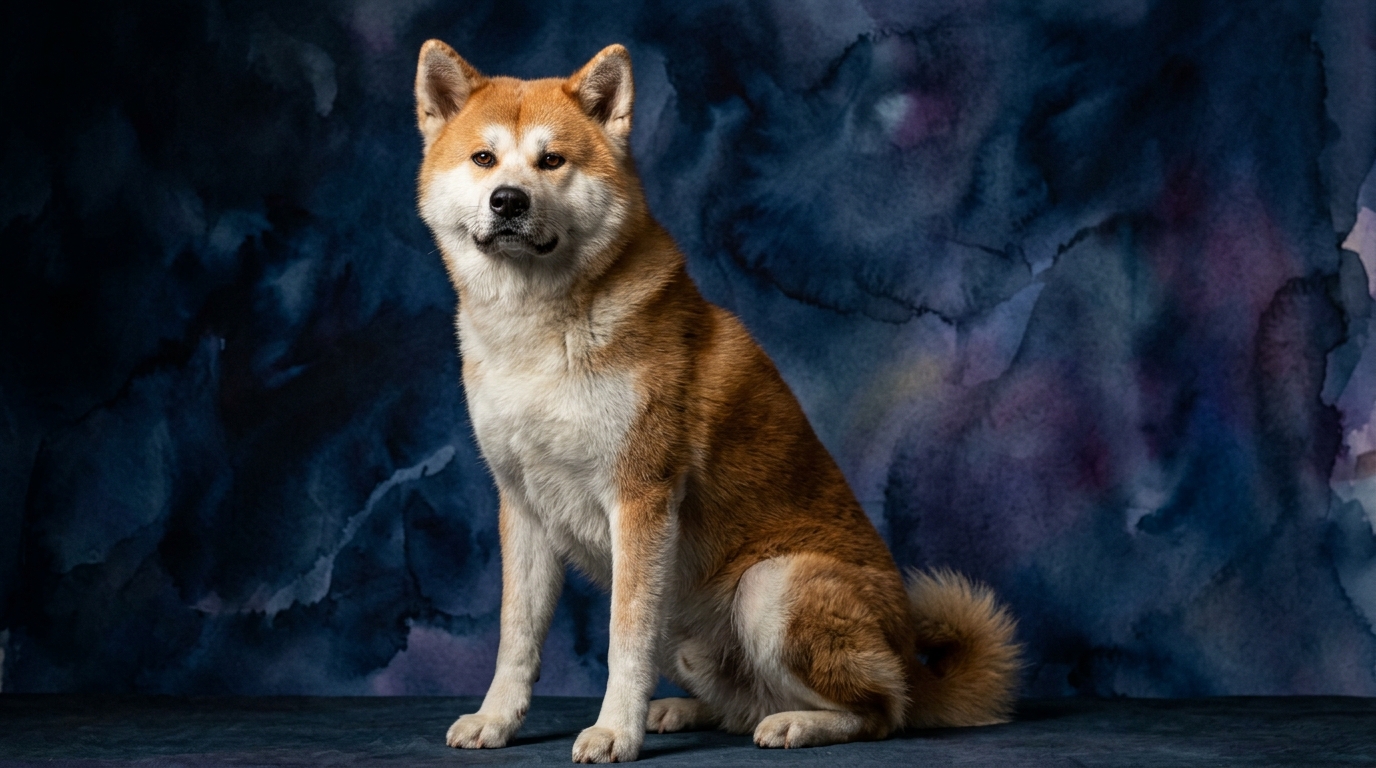
The Akita, a dignified working breed, presents a unique cognitive blueprint. Their problem-solving capacity sits at a moderate 3 out of 5, indicating an ability to navigate challenges but often through established patterns or persistent effort rather than spontaneous ingenuity. Training speed is a more challenging aspect for Akitas, rated at 2 out of 5, reflecting their independent nature and a requirement for consistent, patient instruction. Social intelligence, also at 3 out of 5, points to a discerning understanding of their immediate human family, often accompanied by reserve towards outsiders. The Akita’s instinctive drive is a striking 5 out of 5, underscoring their profound natural inclinations for guarding, hunting, and independence. Complementing this, their memory is strong at 4 out of 5, meaning they retain experiences and learned behaviors with considerable clarity.
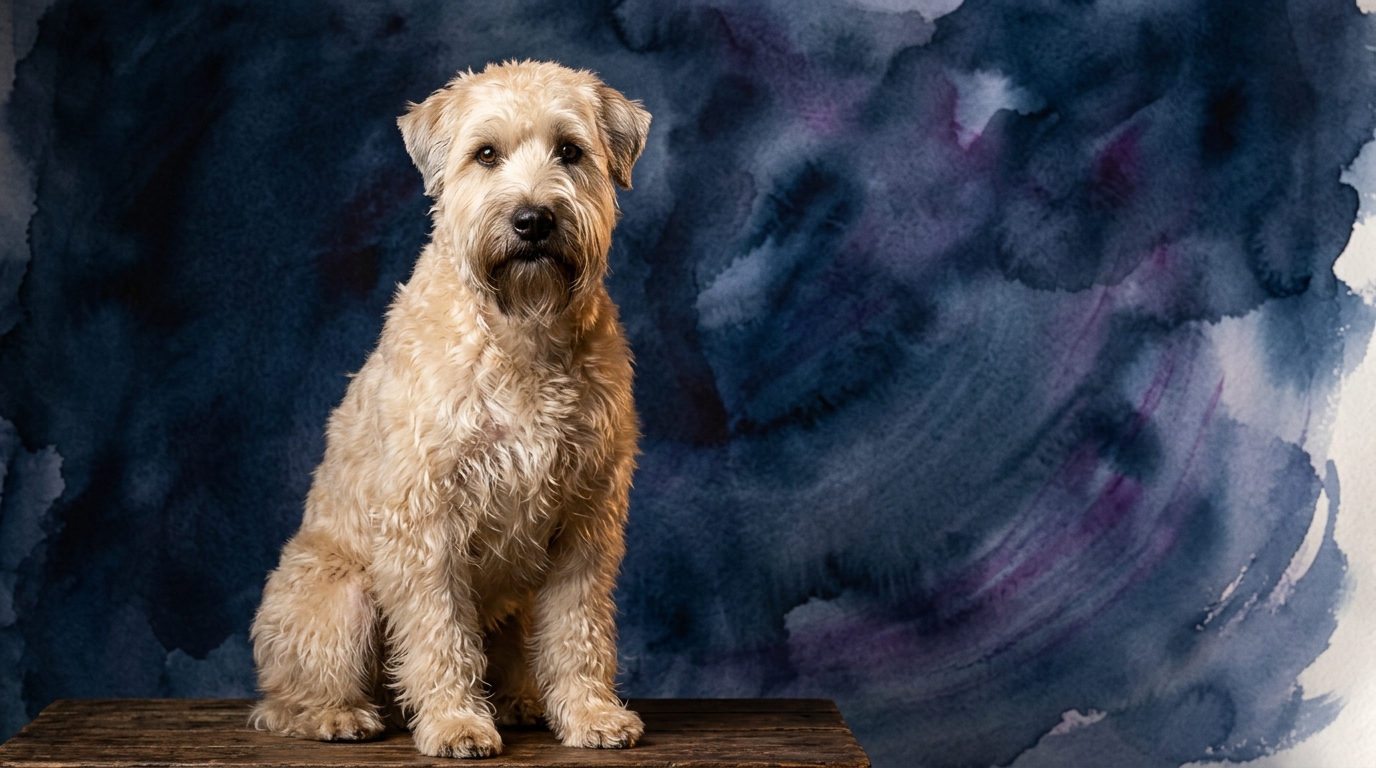
In contrast, the Soft Coated Wheaten Terrier, a lively member of the terrier group, exhibits a more balanced cognitive profile. Their problem-solving ability matches the Akita’s at 3 out of 5, suggesting a similar capacity for tackling moderate mental tasks, often with a characteristic terrier tenacity. Where they diverge significantly is in training speed, with the Wheaten scoring a 3 out of 5, indicating a more responsive and generally quicker uptake of new commands compared to the Akita. Social intelligence for the Wheaten is also 3 out of 5; while they are often outgoing and friendly, their enthusiasm can sometimes overshadow nuanced social cues. Their instinctive drive is rated at a moderate 3 out of 5, showcasing typical terrier tendencies like digging or chasing, but without the intense guarding or prey drive seen in the Akita. Finally, their memory, at 3 out of 5, is solid for routines and familiar interactions, though perhaps not as deeply etched as their Akita counterpart’s.
Where the Akita Excels Cognitively
The Akita’s cognitive strengths are most evident in areas demanding deep retention and powerful intrinsic motivation. Their superior memory (4/5) means that once a lesson is truly ingrained, it is unlikely to be forgotten, whether it’s a command, a routine, or an interaction. This contributes to their reliability within their established framework, making them dependable partners when clarity and consistency are provided. This memory also plays a role in their discerning social intelligence, allowing them to remember who belongs and who doesn't, contributing to their formidable guarding instincts.
Furthermore, the Akita's exceptionally high instinctive drive (5/5) is a cognitive advantage for specific roles. This isn't merely about physical prowess but a deep-seated mental framework for purpose-driven activity. For an owner seeking a dog with a strong, inherent sense of duty, whether for guarding, companionship, or tracking, the Akita’s cognitive architecture is uniquely aligned. This drive manifests as a profound motivation to fulfill what they perceive as their role, often with an unwavering focus that can be channeled into structured activities, provided the owner understands how to harness it effectively.
Where the Soft Coated Wheaten Terrier Excels Cognitively
The Soft Coated Wheaten Terrier’s cognitive advantages shine in areas requiring adaptability, responsiveness, and a more generalized approach to interaction. Their training speed (3/5) offers a noticeable edge over the Akita, indicating they generally pick up new tasks and commands more readily. This faster learning curve makes initial training phases potentially smoother and more rewarding for many owners, as they are often more amenable to varied training methodologies and quicker to connect actions with rewards.
The Wheaten’s moderate instinctive drive (3/5) and balanced social intelligence (3/5) also contribute to a cognitive profile that is often more flexible in diverse environments. While they possess terrier zest, their drives are typically less intense and more manageable than the Akita's, allowing them to transition between activities or social settings with greater ease. Their engaging nature, a facet of their social intelligence, means they are often more overtly expressive and eager to participate in family life, making them cognitively well-suited for interactive play and broader social engagement beyond their immediate family unit.
Which Is Easier to Train and Why?
Between these two breeds, the Soft Coated Wheaten Terrier is generally easier to train. This stems directly from their higher training speed rating (3/5 compared to the Akita’s 2/5). Wheatens tend to be more enthusiastic participants in training sessions, eager to engage and respond to positive reinforcement. Their moderately social intelligence means they often enjoy the collaborative aspect of learning with their human companions, making them more receptive to direction and less prone to outright defiance.
The Akita, with its lower training speed and formidable instinctive drive, presents a greater training challenge. Their independence and strong will mean they require an owner who understands how to build trust and command respect through consistent, fair, and firm methods. They are not necessarily disobedient, but rather possess a thoughtful, often calculating approach to commands, deciding if the request is worthwhile. Their profound memory means that negative training experiences or inconsistencies can be deeply ingrained, making recovery more difficult. Training an Akita demands patience, experience, and a deep understanding of their unique motivations, distinguishing it significantly from the Wheaten's more amenable disposition.
Which Suits Active Owners vs. Relaxed Owners?
The Akita, despite its reserved demeanor, suits active owners who are prepared to engage deeply with their dog's mental and physical needs. While not always requiring constant high-impact exercise, they thrive with owners who can provide consistent mental stimulation, structured training, and opportunities to fulfill their strong instinctive drives for purpose and protection. This means an owner actively involved in their dog's life, providing clear leadership and purposeful activities that tap into their guarding, tracking, or companionship instincts. A 'relaxed owner' in the sense of one who prefers minimal interaction or training might find the Akita’s independence and cognitive demands overwhelming.
The Soft Coated Wheaten Terrier, with its boundless energy and moderate cognitive demands, is also best suited for active owners, though perhaps with a different flavor of activity. They require regular physical exercise to manage their terrier exuberance and mental engagement to prevent boredom, but their cognitive profile makes them more adaptable to a variety of family activities—from fetch in the park to agility classes. While they need consistent training and boundaries, their more agreeable nature means they can integrate into a busy family life with an owner who enjoys an interactive, playful, and involved companion, rather than one who needs to fulfill a profound working purpose.
The Verdict: When to Choose Each
The Verdict
Choose an Akita if you are an experienced dog owner seeking a deeply loyal, dignified companion with a profound memory and strong protective instincts, and are prepared for consistent, patient training to harness their independent nature.
Opt for a Soft Coated Wheaten Terrier if you desire an energetic, playful, and more easily trainable companion for an active family, appreciating a dog with moderate drives and an outgoing, engaging personality.
🧠 Find Your Pet's IQ Score
Our Pet IQ Lab assessment covers 25+ tests across 5 cognitive dimensions — personalized to your breed.
Take the Full IQ Test →Frequently Asked Questions
Do Akitas learn tricks quickly?
Akitas have a training speed of 2/5, meaning they generally learn new tricks and commands more slowly than many other breeds. They require significant patience, consistency, and positive reinforcement from their owner to truly master a new skill, due to their independent nature.
Are Soft Coated Wheaten Terriers good at problem-solving?
Soft Coated Wheaten Terriers have a problem-solving rating of 3/5, indicating they are capable of figuring out moderate challenges. Their terrier tenacity often aids them in persisting until they find a solution, though they may rely on trial-and-error rather than complex abstract reasoning.
Which breed has a stronger memory?
The Akita possesses a stronger memory, rated at 4/5, compared to the Soft Coated Wheaten Terrier's 3/5. This means Akitas tend to retain experiences, training, and social interactions with greater detail and for longer periods, influencing their behavior significantly.