Side-by-Side IQ Profile: Akita vs. Swedish Vallhund
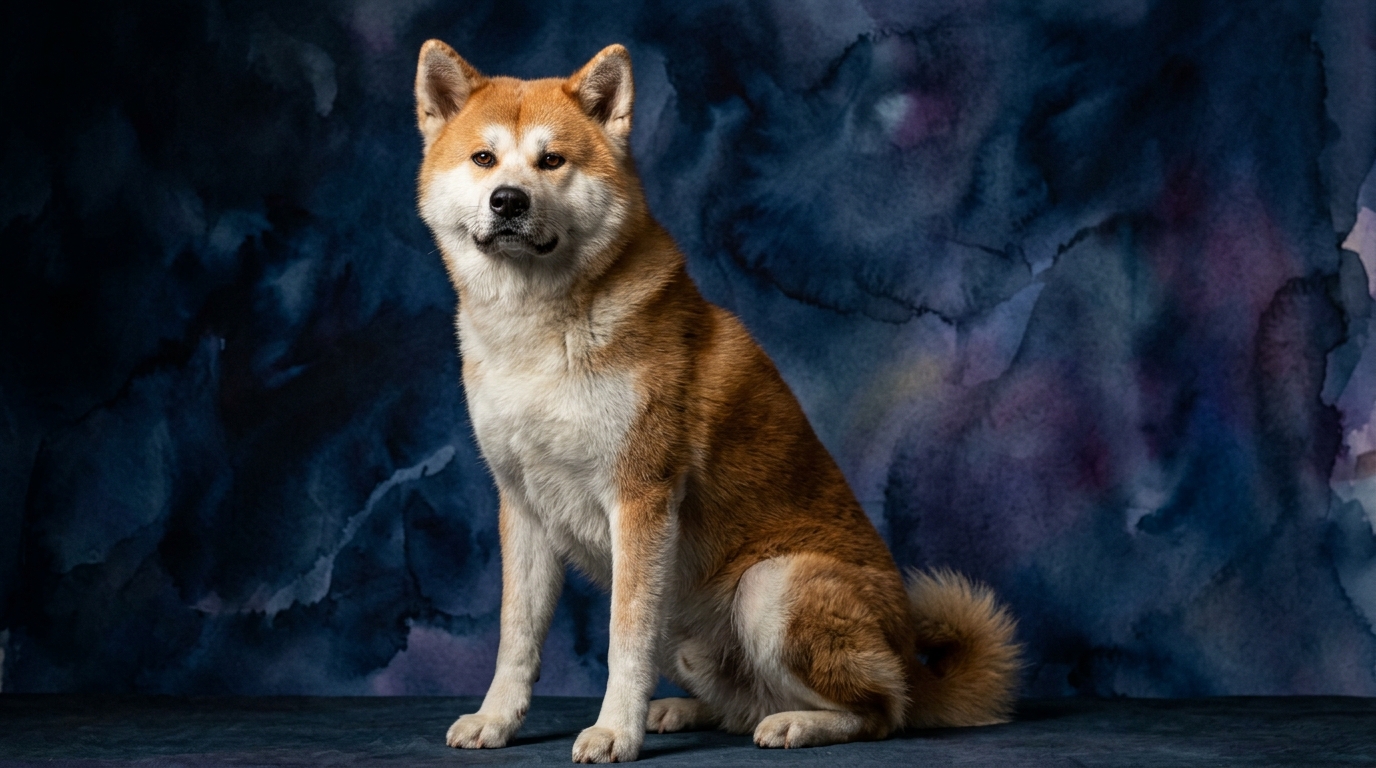
At The Cosmic Pet Pet IQ Lab, we evaluate canine intelligence across five key dimensions, providing a granular look at how breeds process the world. The Akita, a powerful dog with a Working group heritage and Coren rank #54, presents a profile marked by formidable independence and deep-seated purpose. Its Problem Solving is rated 3/5, indicating a capacity for navigating complex situations with a self-reliant approach, often devising its own solutions rather than seeking human direction. Training Speed for the Akita stands at 2/5, suggesting a need for patience and consistent, engaging methods to instill new behaviors. Social Intelligence is 3/5, reflecting an ability to understand social cues but often within its own established hierarchy and selective bonds. Its Instinctive Drive is a commanding 5/5, pointing to a profound, unwavering commitment to its inherent roles, particularly guarding and protection. Finally, the Akita's Memory is strong at 4/5, enabling it to retain lessons, experiences, and boundaries over extended periods.
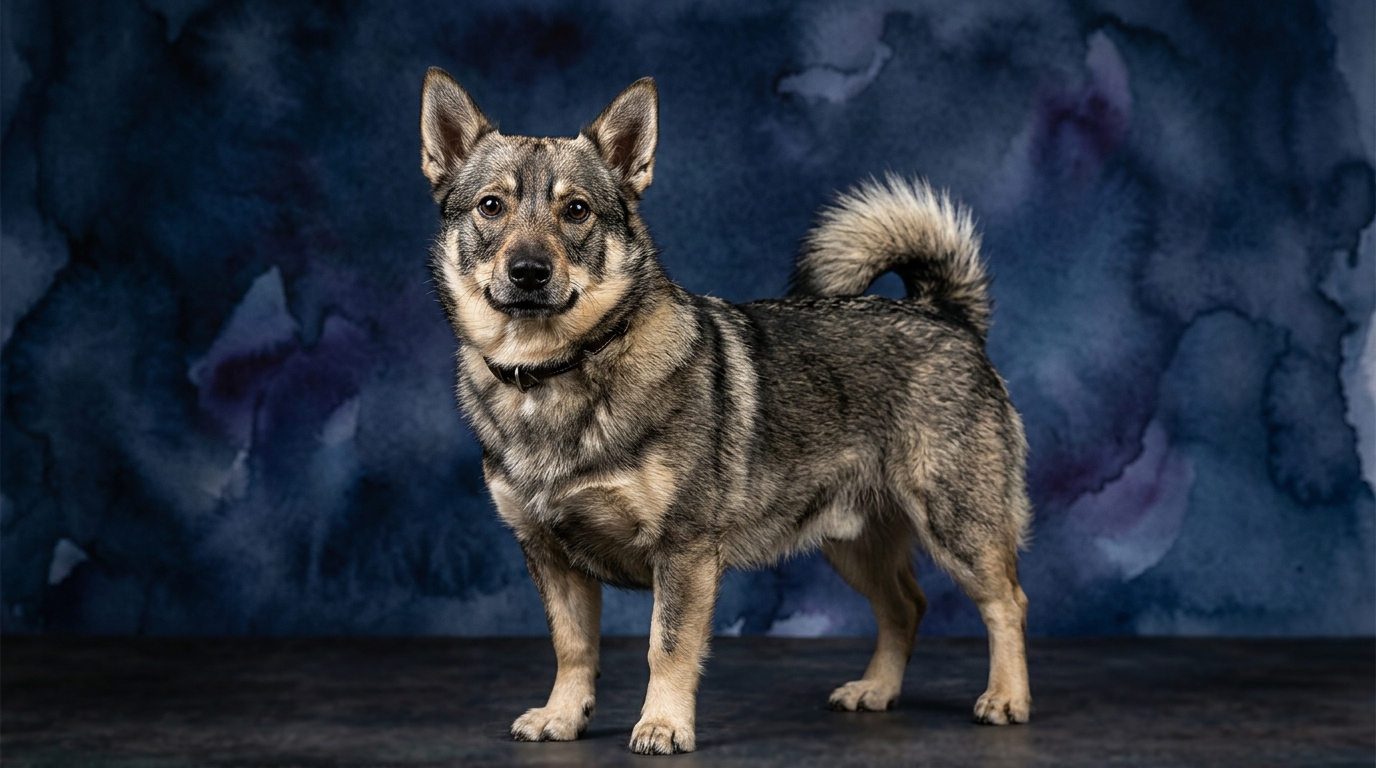
In contrast, the Swedish Vallhund, a nimble Herding dog without a Coren rank, exhibits a more balanced and cooperative cognitive blueprint, reflective of its historical role working alongside humans. Its Problem Solving also scores 3/5, indicating a similar foundational ability to figure things out, though often with a more agile and less dominant approach than the Akita. The Vallhund's Training Speed is 3/5, positioning it as generally more responsive and quicker to pick up new commands compared to the Akita, making it a more adaptable student. Social Intelligence aligns with the Akita at 3/5, showing a solid grasp of inter-species communication but expressed through a different lens of engagement. Its Instinctive Drive is rated 3/5, a moderate score that encompasses its herding tendencies without the overwhelming intensity seen in the Akita's protective instincts. The Swedish Vallhund’s Memory is 3/5, signifying a competent ability to recall information and routines, though perhaps not with the same depth of long-term retention as the Akita.
Where the Akita Wins Cognitively
The Akita’s primary cognitive advantage lies in its profound Instinctive Drive, scoring a perfect 5/5. This translates into an unparalleled dedication to its perceived duties, whether it’s guarding its territory or protecting its family. This isn't just a physical attribute; it's a deep-seated mental framework that drives vigilance, discernment, and an unwavering commitment to its role. This high drive means an Akita is intrinsically motivated to act on its protective impulses, requiring less external prompting in situations where its guarding instincts are engaged. This formidable mental fortitude makes them exceptionally reliable in roles requiring steadfastness and an inherent understanding of boundaries.
Furthermore, the Akita's Memory, rated 4/5, contributes significantly to its cognitive strength. This robust memory allows it to meticulously catalogue experiences, learn from past interactions, and remember specific people, places, and rules over long durations. An Akita remembers who belongs and who doesn't, which routes are safe, and the parameters of its territory with remarkable accuracy. This strong recall, combined with its independent problem-solving, allows an Akita to develop sophisticated strategies for managing its environment and interactions, often making decisions based on accumulated wisdom rather than immediate human instruction.
Where the Swedish Vallhund Wins Cognitively
The Swedish Vallhund's cognitive edge is most apparent in its Training Speed, scoring 3/5 compared to the Akita's 2/5. This indicates a greater aptitude for learning and a more eager willingness to engage with human instruction, making the Vallhund generally more amenable to diverse training regimens. Their quicker grasp of commands and readiness to participate in learning activities stem from a desire to work in partnership, a hallmark of many herding breeds. This makes them more adaptable to various dog sports and advanced obedience, as they can process and execute new information more rapidly and with less repetition.
Another key cognitive advantage for the Vallhund is its more balanced Instinctive Drive, rated 3/5. While still possessing strong herding instincts, this drive is generally more manageable and less singularly focused than the Akita's intense protective drive. This allows Vallhunds to transition between tasks and environments with greater ease, making them less prone to single-minded fixations. Their problem-solving, also 3/5, often manifests as cleverness in navigating obstacles or strategizing during herding games, showcasing an agile mind that enjoys mental challenges and working through puzzles collaboratively. This combination of faster training and adaptable drive makes them versatile thinkers, capable of applying their intellect to a broader range of activities.
Which is Easier to Train and Why
When considering ease of training, the Swedish Vallhund generally presents a more straightforward path for most owners. Its Training Speed of 3/5 signifies a quicker uptake of new commands and a more pronounced willingness to engage in structured learning sessions. Vallhunds possess a natural desire to work with their human counterparts, a trait rooted in their herding heritage. This collaborative spirit means they often respond well to positive reinforcement and are motivated by the opportunity to participate in activities that channel their mental and physical energy. For instance, teaching a Vallhund a complex agility sequence or a new trick will likely require fewer repetitions and less intense motivational strategies than with an Akita.
The Akita, with its Training Speed of 2/5 and a potent Instinctive Drive of 5/5, presents a more significant training challenge. Its strong independence and deep-seated protective instincts mean that it often evaluates commands based on its own perceived utility or alignment with its inherent purpose. While capable of learning, an Akita requires an owner who understands its self-reliant nature and can motivate it through consistent, firm, and respectful leadership, rather than expecting eager compliance. For example, an Akita might learn a 'stay' command, but its execution could be contingent on its assessment of the situation's safety, potentially overriding the command if its protective instincts are triggered. Its powerful memory also means it remembers inconsistencies or unfair treatment keenly, impacting future training efforts. Therefore, while both breeds can be trained, the Vallhund's inherent cooperativeness makes the journey generally less demanding and more immediately rewarding for the average owner.
Which Suits Active Owners vs. Relaxed Owners
For active owners seeking a dynamic and versatile canine partner, the Swedish Vallhund is often the more suitable choice. Its moderate Instinctive Drive (3/5) and faster Training Speed (3/5) make it an excellent candidate for various dog sports such as agility, obedience, flyball, or even continued herding work. Vallhunds thrive on mental and physical engagement, enjoying activities that allow them to use their problem-solving skills and agile bodies. Their cooperative nature means they are often eager participants in family adventures, whether hiking, jogging, or exploring new environments. They require consistent stimulation to prevent boredom, making them ideal for individuals or families who embrace an active lifestyle and want a dog to share in their pursuits.
Conversely, the Akita, while requiring significant mental engagement, is better suited for owners who appreciate a more self-contained and formidable companion, perhaps less interested in constant high-energy participation in diverse activities. Owners must be active in managing the Akita's powerful 5/5 Instinctive Drive for protection and its independent problem-solving. This means providing structured walks, consistent training to reinforce boundaries, and plenty of mental enrichment that caters to its guarding nature, such as scent work or puzzle toys. A 'relaxed' owner for an Akita is not one who provides little stimulation, but rather one who understands the breed's need for a calm, consistent, and confident leader who can meet its unique cognitive demands without necessarily participating in high-octane sports. They prefer a predictable routine and a clear role within their family unit, making them ideal for owners who can provide a stable environment and appreciate a dog that operates with a quiet, observant intensity.
The Verdict
Choose the Akita if you are an experienced owner seeking a self-reliant, formidable protector with deep loyalty and are prepared for consistent, patient training to manage its potent instincts.
Opt for the Swedish Vallhund if you desire an agile, cooperative, and adaptable companion for an active lifestyle, willing to engage in diverse training and dog sports.
🧠 Find Your Pet's IQ Score
Our Pet IQ Lab assessment covers 25+ tests across 5 cognitive dimensions — personalized to your breed.
Take the Full IQ Test →Frequently Asked Questions
Is an Akita difficult to live with due to its high instinctive drive?
An Akita's 5/5 instinctive drive for protection means it requires a dedicated owner who can channel this powerful trait through early socialization, consistent training, and clear boundaries. While not 'difficult' for the right owner, it demands a significant commitment to management and leadership.
Can a Swedish Vallhund excel in dog sports despite its moderate instinctive drive?
Absolutely. A Swedish Vallhund's 3/5 instinctive drive is perfectly suited for dog sports, as it provides motivation without overwhelming intensity. Combined with its 3/5 training speed, Vallhunds are often eager and capable participants in agility, obedience, and other competitive activities.
Do both breeds require mental stimulation to prevent behavioral issues?
Yes, both breeds require ample mental stimulation, though the nature of that stimulation differs. Akita needs activities that engage its problem-solving and guarding instincts, while the Swedish Vallhund thrives on tasks that involve working with its owner and utilizing its herding intelligence.