
Side-by-Side Cognitive Profiles
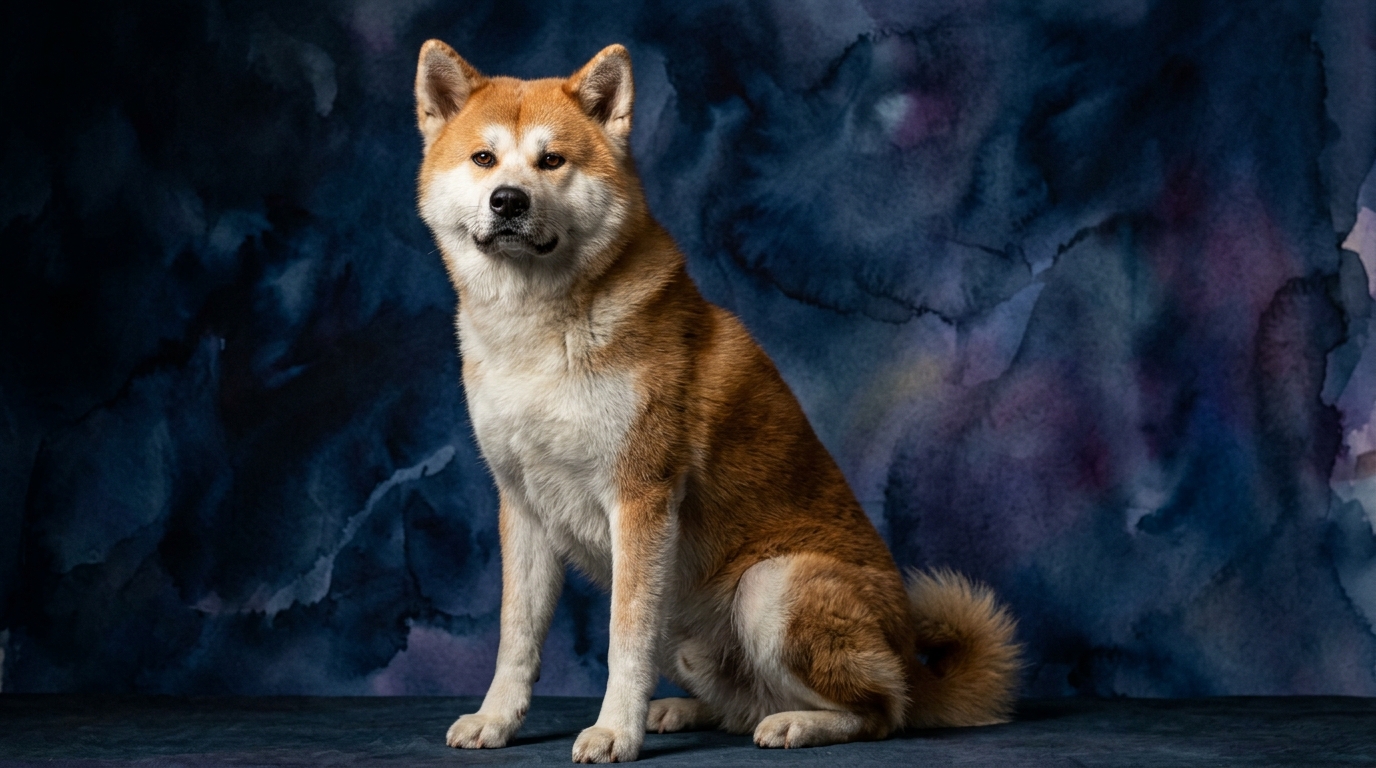
The Akita, hailing from Japan, and the West Highland White Terrier, a Scottish earth dog, offer distinct cognitive blueprints according to Pet IQ Lab data. While both breeds register a 3/5 in Problem Solving, their approaches differ; Akitas often observe and plan, while Westies might employ a more persistent, trial-and-error tenacity.
For Training Speed, the Akita scores 2/5, indicating a need for patient, varied methods due to their independent nature. The Westie, with a 3/5, generally learns commands at a moderate pace, responding well to engaging, positive reinforcement techniques, though their terrier will can present its own challenges.
Both breeds share a 3/5 in Social Intelligence. Akitas are typically reserved with strangers but deeply loyal to their family, adept at reading familiar human cues. Westies are often outgoing within their trusted circle but can be assertive with new dogs or people, clearly communicating their preferences.
A significant divergence appears in Instinctive Drive. The Akita's formidable 5/5 reflects deep-seated predispositions for guarding, protection, and hunting, profoundly influencing their behavior. The Westie's 3/5 drive is moderate, primarily focused on small prey pursuit, digging, and exploration, a key aspect of their terrier heritage.
Finally, both the Akita and the West Highland White Terrier demonstrate strong Memory capabilities, each earning a 4/5. This means both breeds recall past experiences, learned behaviors, and routines with remarkable clarity, contributing to their consistent responses and adaptability.
Where the Akita Excels Cognitively
The Akita's towering strength in Instinctive Drive (5/5) marks its most distinct cognitive advantage over the Westie (3/5). This isn't merely about physical drive, but a deeply embedded cognitive framework for vigilance and protection. An Akita processes its environment through the lens of its guardian role, constantly assessing for potential threats or changes. This high drive translates into an innate ability to make quick, decisive judgments in situations requiring protective action, often without direct command, based on their interpretation of cues and previous experiences. Their problem-solving in a real-world context often leans on this drive, as they might independently devise strategies to secure their territory or protect their family. While their training speed is lower, their powerful memory (4/5) ensures that once a protective or territorial boundary is understood, it is remembered and applied consistently across various scenarios, demonstrating a specific form of cognitive mastery tied to their historical purpose.
Where the West Highland White Terrier Excels Cognitively
The West Highland White Terrier shines brightest in Training Speed (3/5) compared to the Akita's 2/5. This isn't to say they are always effortless to train, but their cognitive processing often allows for quicker grasp of new commands and routines. Their terrier enthusiasm, when channeled correctly, means they can form associations between actions and rewards more readily. While their problem-solving score is equal, the Westie's tenacity, combined with this quicker learning, often translates into a more adaptable learner in varied training environments. They might enjoy the back-and-forth of training sessions more, processing feedback and adjusting their behavior with a slightly faster cognitive loop. Their moderate instinctive drive (3/5) also means fewer deep-seated independent urges to overcome during foundational obedience, allowing their cognitive resources to be more dedicated to learning human-directed tasks.
Ease of Training: Akita vs. Westie
When considering ease of training, the West Highland White Terrier generally presents a more straightforward path. Their Training Speed of 3/5 suggests a dog that is receptive to learning and can pick up new cues and behaviors at a moderate pace. Westies often respond well to positive reinforcement, and while they possess the characteristic terrier independence, their cognitive framework allows them to find satisfaction in cooperative tasks. For instance, a Westie might quickly learn a complex trick like 'play dead' if the reward is enticing, processing the sequence of actions efficiently.
The Akita, with a Training Speed of 2/5, requires a different approach. Their independence and strong will mean they process commands not just as instructions, but as suggestions to be considered. Their high Instinctive Drive (5/5) further influences this; an Akita's mind is often predisposed to its natural guarding and protective instincts, which can sometimes override human-directed tasks if they perceive a conflict. For example, teaching a reliable recall to an Akita requires immense consistency and building a strong relationship, as their mind might prioritize investigating a scent or observing a distant object over immediately returning to their owner. Early and consistent socialization is crucial for both, but the Akita's strong social intelligence within its chosen circle means it may be less inclined to extend that cooperative spirit to a wide range of unfamiliar situations or people, making generalized obedience more challenging.
Suited for Active vs. Relaxed Owners
The choice between an Akita and a West Highland White Terrier depends significantly on an owner's lifestyle and energy levels, directly influenced by their cognitive profiles. An Akita, with its formidable Instinctive Drive (5/5) and moderate Problem Solving (3/5), thrives with active, experienced owners who appreciate and can channel their intense mental engagement. These dogs are not content to be mere couch potatoes; their minds are constantly working, observing, and assessing. They require consistent mental stimulation, structured training, and opportunities to exercise their protective instincts in appropriate ways, perhaps through advanced obedience or protection sports. A relaxed owner who cannot provide this cognitive outlet will likely find an Akita challenging, as their powerful mind will seek its own 'work,' which might manifest in undesirable behaviors.
Conversely, the West Highland White Terrier, with its moderate Instinctive Drive (3/5) and quicker Training Speed (3/5), can adapt to a slightly wider range of owner lifestyles. While they are certainly not sedentary and still require daily mental and physical engagement, their needs are less intense than an Akita's. They enjoy interactive play, puzzle toys, and consistent training that keeps their minds stimulated without demanding the same level of intense guardianship. A moderately active owner who enjoys daily walks, training sessions, and interactive games would find a Westie a rewarding companion. Their cognitive makeup allows them to be content with a balanced routine of activity and downtime, making them a more suitable choice for those seeking a companion with a spirited but manageable mental energy.
The Verdict
Choose an Akita if you are an experienced, active owner seeking a loyal guardian with a deeply ingrained protective instinct and are prepared for consistent, patient training to channel their formidable drive.
Opt for a West Highland White Terrier if you desire a spirited, adaptable companion eager to learn, and can provide engaging mental and physical outlets for their tenacious terrier spirit.
🧠 Find Your Pet's IQ Score
Our Pet IQ Lab assessment covers 25+ tests across 5 cognitive dimensions — personalized to your breed.
Take the Full IQ Test →Frequently Asked Questions
Does the Akita's lower training speed mean they cannot learn complex tasks?
Not at all. The Akita's 2/5 training speed primarily reflects their independent nature and preference for self-directed action. They possess strong memory (4/5) and can certainly learn complex tasks, but it requires more consistent motivation, patience, and engaging, relationship-based training methods from their owner.
Are West Highland White Terriers truly easier to train than Akitas?
Generally, yes, due to their 3/5 training speed compared to the Akita's 2/5. Westies often show a quicker grasp of commands and a greater eagerness to please through cooperative tasks. However, their terrier tenacity means training still requires consistency and understanding of their prey drive.
How does 'Instinctive Drive' impact their daily life for owners?
A high instinctive drive, like the Akita's 5/5, means they are consistently alert and responsive to their environment, especially regarding territory and perceived threats. A moderate drive, like the Westie's 3/5, translates to behaviors like digging or chasing small animals, requiring owners to manage these innate urges through training and appropriate outlets.