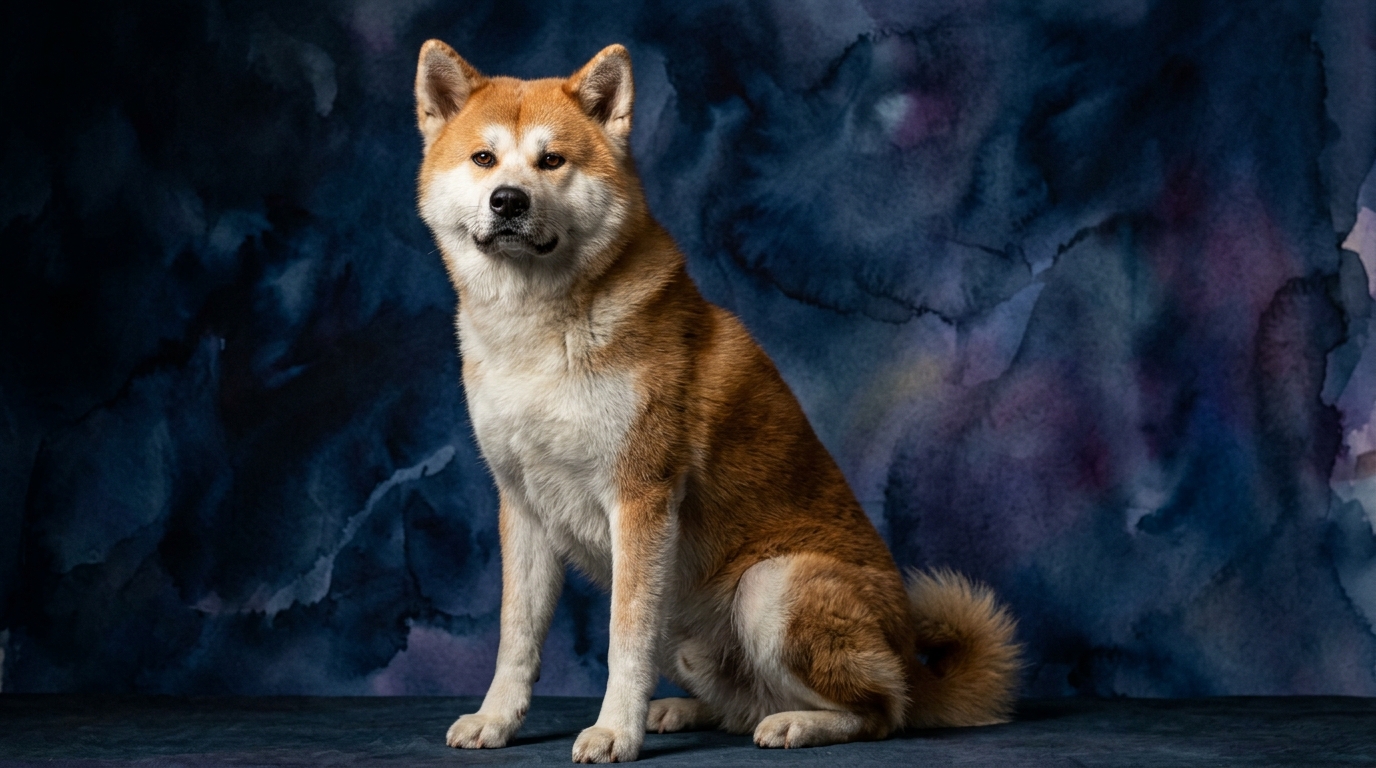
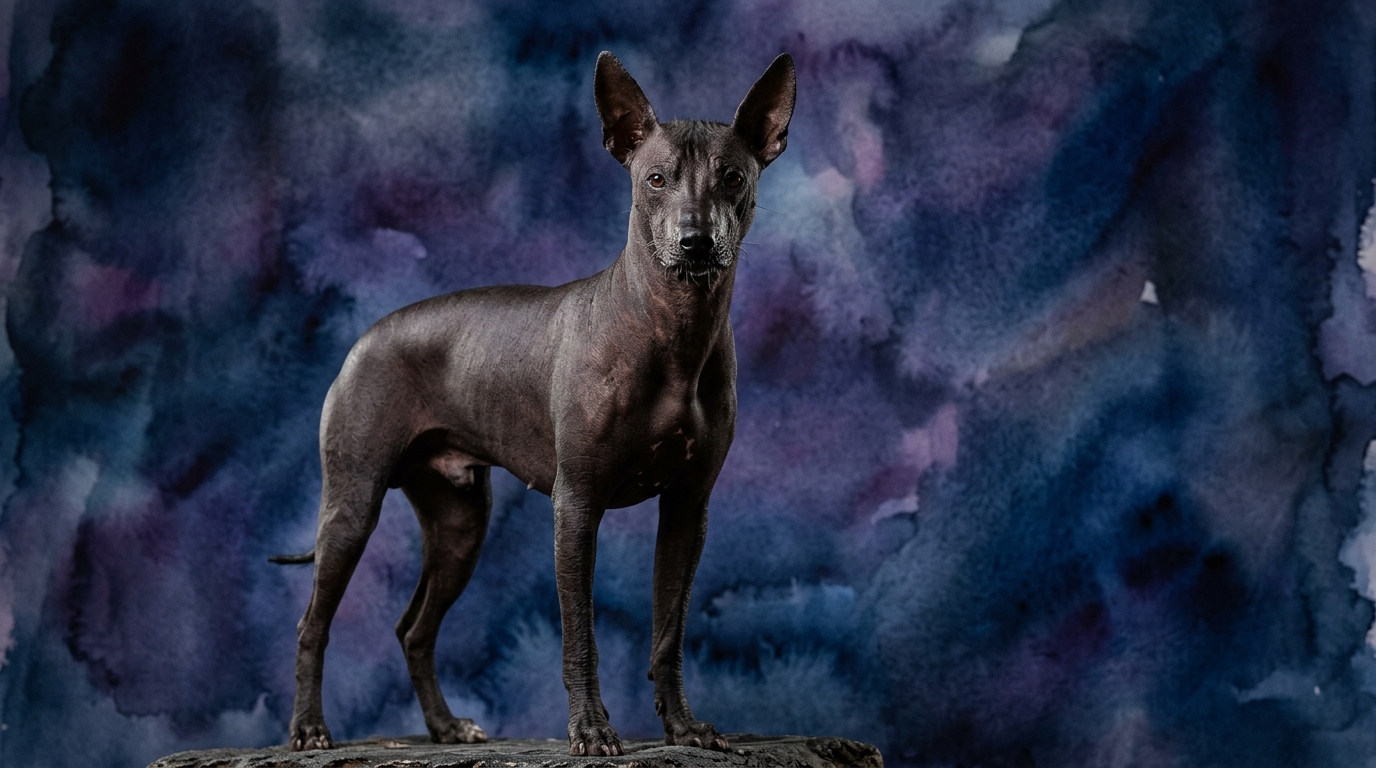
Side-by-Side IQ Profile: Akita vs. Xoloitzcuintli
**Akita's Cognitive Strengths:** The Akita exhibits practical problem-solving (3/5), applying independent thought to territorial or resource scenarios. Their training speed (2/5) is deliberate, demanding patient, consistent methods due to their inherent independence. Socially (3/5), they are discerning, reserving deep engagement for their inner circle. An exceptionally strong instinctive drive (5/5) fuels profound guarding and protective behaviors. A robust memory (4/5) ensures retention of past experiences and routines, shaping consistent responses.
**Xoloitzcuintli's Cognitive Strengths:** The Xoloitzcuintli also shows moderate problem-solving (3/5), adapting creatively to new situations. Their training speed (3/5) is slightly more cooperative, benefiting from engaging, positive reinforcement. Socially (3/5), they are perceptive of family emotions, though often reserved with strangers. A moderate instinctive drive (3/5) balances companionship with alertness, less intense than the Akita's protective instincts. They possess a solid memory (3/5) for routines and familiar interactions, supporting consistent behavior within their established environment.
Where the Akita Wins Cognitively
The Akita's primary cognitive advantage is its instinctive drive, rated a perfect 5/5. This deeply ingrained genetic programming manifests as unparalleled vigilance and dedication to its family and territory, making them formidable guardians. Their robust memory (4/5) reinforces this, allowing them to retain information about threats or past interactions, contributing to consistent protective responses. While their problem-solving (3/5) isn't abstract, it's highly practical, enabling independent assessment and reaction to real-world situations, especially when guarding instincts are engaged. This combination of powerful instinct, strong memory, and practical problem-solving makes the Akita exceptionally self-reliant and effective in a protective role, often anticipating and strategizing.
Where the Xoloitzcuintli Wins Cognitively
The Xoloitzcuintli’s cognitive strengths lie in its balanced approach to learning and social integration. Its training speed (3/5) slightly surpasses the Akita’s (2/5), suggesting a greater willingness and ease in acquiring new commands. While independent, the Xolo's spirit is often more amenable to positive reinforcement. Their moderate instinctive drive (3/5) is less overwhelming than the Akita's, allowing for a more flexible and less intense daily life. This moderation means less need for constant management of powerful innate behaviors. With comparable problem-solving (3/5) and social intelligence (3/5) within a generally more cooperative framework, the Xolo is often more adaptable to diverse family lifestyles without the same level of intense instinctual management.
Which is Easier to Train and Why
The Xoloitzcuintli generally offers a less challenging training experience than the Akita, reflected in its 3/5 training speed versus the Akita's 2/5. Akitas, with their exceptionally strong instinctive drive (5/5) and profound independence, require trainers to align with their deep-seated desires. Their independent judgment means they weigh commands against their own agenda, making them less inherently motivated to please. Training an Akita demands immense patience, unwavering consistency, and a deep understanding of their unique motivations, often focusing on establishing clear leadership and mutual respect.
In contrast, the Xoloitzcuintli, while also independent, has a moderate instinctive drive (3/5) that is less overpowering. They are often more sensitive to owner cues and more responsive to positive, reward-based training. Their slightly faster training speed allows for a more fluid learning process. While they might test boundaries, Xolos are typically more inclined to participate when training is engaging and rewarding. This disposition often makes their training process less of an uphill battle, requiring less specialized handling compared to the Akita's formidable will.
Matching Cognitive Profiles to Owner Lifestyles
The Akita, with its profound instinctive drive (5/5) and strong memory (4/5), demands an active, experienced owner. They require consistent, structured exercise and mental stimulation to channel their powerful protective nature and independent intellect. This breed is best suited for owners dedicated to rigorous training and providing clear leadership, not for those seeking a purely relaxed companion. Their need for purposeful engagement means an Akita thrives with proactive owners who understand and are prepared to manage a working dog's comprehensive needs.
The Xoloitzcuintli, featuring a moderate instinctive drive (3/5) and balanced cognitive traits, offers more flexibility for various owner types, including those with a more relaxed lifestyle. While they enjoy activity, their needs are often met with daily walks and indoor enrichment, making them less demanding than an Akita. Their adaptability and slightly easier training speed (3/5) allow for smoother integration into family routines. Xolos are excellent companions for owners seeking a perceptive, loyal presence that appreciates both engaging activities and quiet downtime, offering a versatile fit for diverse home environments.
The Verdict
Choose an Akita if you are an experienced, dedicated owner prepared to manage a powerful, independent, and deeply protective companion with a profound sense of duty and a formidable memory for all experiences.
Opt for a Xoloitzcuintli if you seek a perceptive, loyal, and adaptable companion with a moderate drive and a slightly more cooperative approach to training, suitable for a range of family lifestyles.
🧠 Find Your Pet's IQ Score
Our Pet IQ Lab assessment covers 25+ tests across 5 cognitive dimensions — personalized to your breed.
Take the Full IQ Test →Frequently Asked Questions
Is the Akita truly stubborn during training?
The Akita's perceived stubbornness stems from its strong independence and discerning nature, rated 2/5 for training speed. They aren't trying to be difficult but rather assessing the value of a command against their own motivations. Successful training requires immense patience, consistency, and methods that respect their self-reliant intellect.
Are Xoloitzcuintli good with strangers?
Xoloitzcuintli possess moderate social intelligence (3/5) and are often reserved or wary with strangers. While deeply bonded with their families, they may not be outwardly friendly to new people. Early, positive socialization is crucial to help them navigate new interactions confidently and reduce their natural wariness.
Which breed is more prone to guarding behavior?
The Akita, with its perfect 5/5 instinctive drive, is significantly more prone to guarding behavior. This deep-seated trait makes them exceptional protectors but requires careful management and socialization from a young age. The Xoloitzcuintli has a moderate instinctive drive (3/5), exhibiting some alertness but generally less intense guarding tendencies.