Side-by-Side Cognitive Profiles
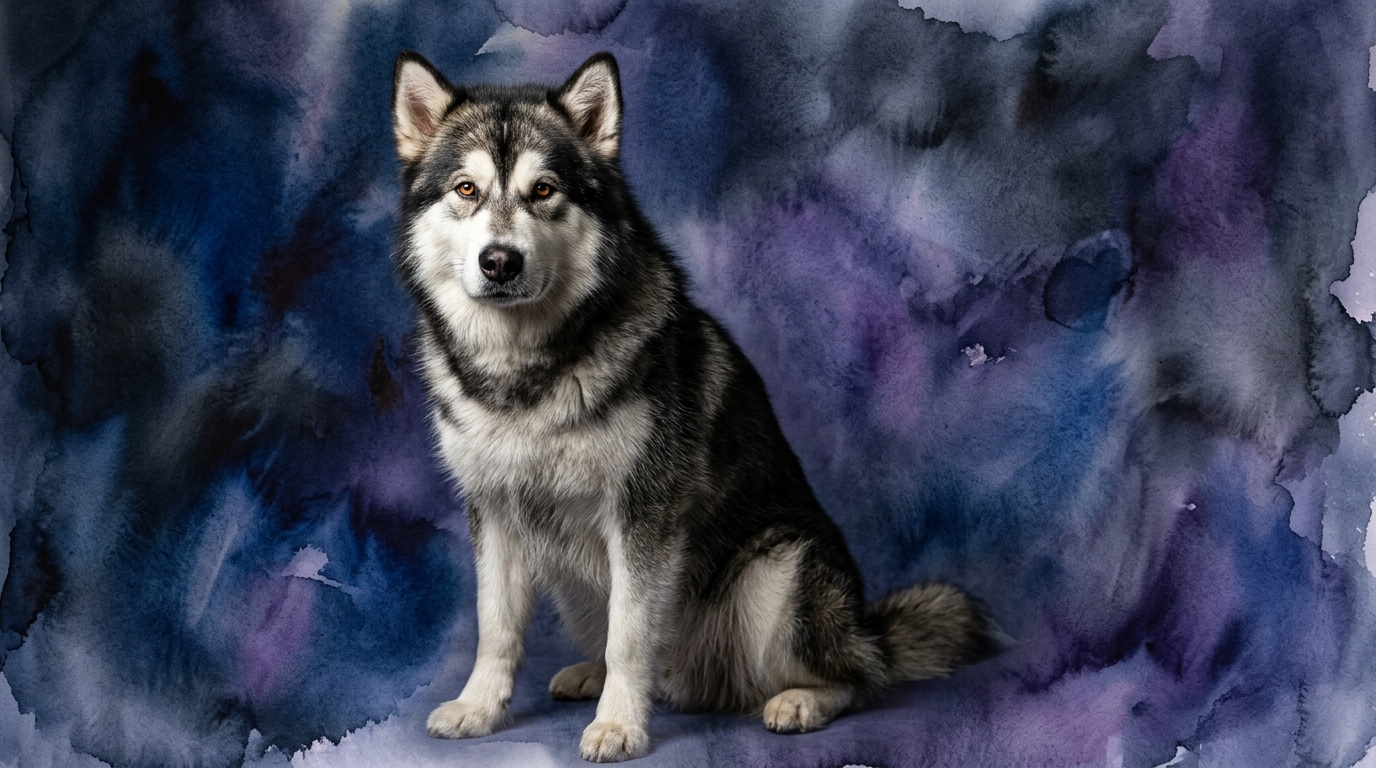
At The Cosmic Pet Pet IQ Lab, we dissect canine intelligence across five key dimensions. For the Alaskan Malamute, their Problem Solving registers at a robust 4/5, indicating a strong capacity for independent thought in complex situations, often relating to their environment. Training Speed is noted at 2/5, reflecting a self-willed nature that prioritizes independence over quick compliance. Their Social Intelligence stands at 3/5, suggesting an understanding of pack dynamics but often with a reserved approach to new interactions. An impressive Instinctive Drive of 5/5 underscores their unwavering urge for purposeful activity, particularly pulling and endurance, while Memory, at 4/5, highlights their ability to retain complex information over time, such as routes and tasks.
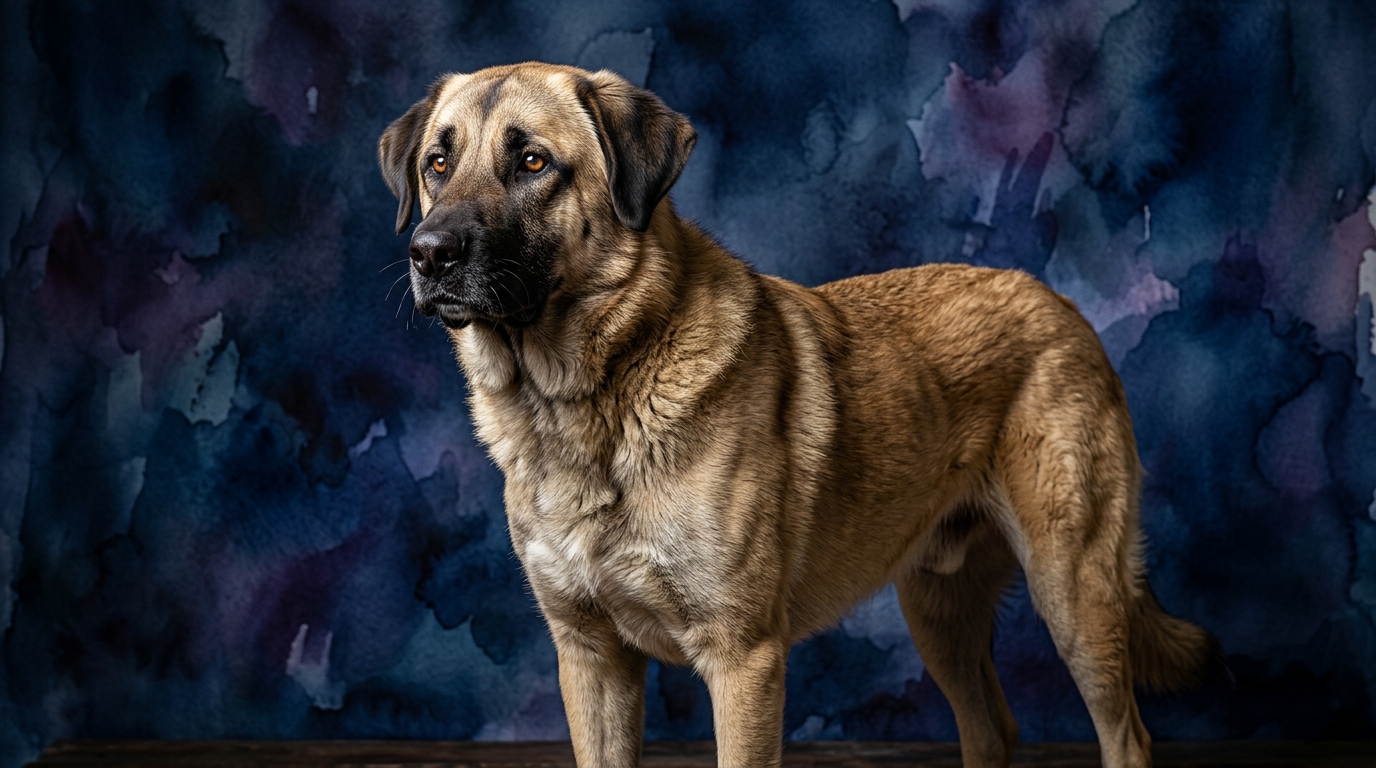
The Anatolian Shepherd Dog presents a distinct cognitive blueprint. Their Problem Solving capability is rated 3/5, demonstrating a strategic yet measured approach to challenges, typically in a guardian context. Training Speed is 3/5, indicating they learn at a moderate pace, often when the task aligns with their protective instincts rather than solely human command. Social Intelligence is also 3/5, reflecting a discerning nature; they form deep bonds with their 'flock' but can be aloof or wary with strangers. Their Instinctive Drive is 3/5, primarily manifesting as a vigilant, protective impulse rather than high-energy physical exertion. Memory is scored 3/5, suggesting a solid recall of their territory, charges, and perceived threats.
Where the Alaskan Malamute Excels Cognitively
The Alaskan Malamute's cognitive strengths are deeply intertwined with their heritage as arctic sled dogs. Their 4/5 Problem Solving ability shines when faced with environmental challenges, such as navigating a complex trail, finding a way through obstacles, or assessing the safest path in varied terrain. This isn't about solving abstract puzzles but rather applying resourcefulness to practical, physical situations. Their exceptional 5/5 Instinctive Drive fuels a relentless determination, allowing them to focus on a task, like pulling a sled, for extended periods, even when conditions are arduous. This drive isn't just about physical exertion; it's a mental fortitude that sustains their effort.
Furthermore, their 4/5 Memory is crucial for recalling intricate routes and learned commands in specific contexts, making them adept at remembering multi-stage tasks or previously encountered environmental cues. While their Training Speed is lower, once a task is learned and deemed valuable by the Malamute, their memory ensures retention. This cognitive profile makes them exceptional partners for activities requiring sustained effort, directional awareness, and independent decision-making within a defined physical endeavor.
Where the Anatolian Shepherd Dog Demonstrates Unique Cognitive Strengths
The Anatolian Shepherd Dog's cognitive prowess centers on their role as an autonomous livestock guardian. Their 3/5 Problem Solving isn't about speed or physical exertion, but rather strategic assessment. They excel at evaluating potential threats to their flock, discerning harmless passersby from genuine dangers, and deciding on the appropriate level of intervention without direct human instruction. This involves a nuanced understanding of their environment and the behavior of animals and people within it. Their 3/5 Social Intelligence, while appearing reserved, is profoundly developed within the context of their charges, allowing them to form deep, protective bonds with livestock and family members, distinguishing them from outsiders with remarkable accuracy.
The Anatolian's 3/5 Instinctive Drive is less about physical pulling and more about constant, subtle vigilance. This manifests as an innate understanding of their territory and the need to patrol, observe, and protect. Their 3/5 Memory allows them to retain a detailed mental map of their domain, remembering where their flock typically grazes, where potential threats have been spotted, and the established boundaries. This combination of cognitive traits creates a dog that is a self-sufficient, thoughtful protector, making decisions based on observation and a deep-seated commitment to their charges.
Training Dynamics: Which Breed Learns with Greater Ease?
When considering ease of training, the Anatolian Shepherd Dog, with a Training Speed of 3/5, presents a slightly more approachable path than the Alaskan Malamute's 2/5. The Malamute's independent problem-solving and intense instinctive drive often translate into a 'what's in it for me?' attitude, requiring immense patience, highly motivating rewards, and a deep understanding of their self-reliant nature. They are not dogs that live to please; they cooperate when they see a benefit or when the task aligns with their inherent drives, such as pulling. This means overcoming their strong will and independent streak can be a prolonged process, often feeling like a negotiation.
The Anatolian, while also independent, tends to be more receptive to training that reinforces their natural guarding instincts. Commands related to boundary setting, watchful behavior, or calm acceptance of non-threats can be integrated more readily. Their slightly higher training speed suggests they absorb new information with less resistance when it makes sense within their world view. However, neither breed is suited for owners seeking immediate, eager obedience; both require consistent, firm, fair, and patient guidance from individuals who respect their self-thinking predispositions.
Owner Suitability: Active Adventurer vs. Steadfast Guardian
The Alaskan Malamute is best suited for highly active owners who thrive on outdoor adventure and can provide consistent, high-intensity physical and mental stimulation. Their 5/5 Instinctive Drive for purposeful activity means they require outlets for pulling, hiking, and exploring complex environments. Owners must be prepared to engage their Malamute's 4/5 Problem Solving and 4/5 Memory with challenging tasks and varied routines. They need a partner who understands their independent spirit and can channel it into cooperative endeavors, rather than expecting passive compliance. This breed flourishes with owners who are committed to a lifestyle that mirrors the Malamute's need for work and exploration, preventing boredom and destructive behaviors.
Conversely, the Anatolian Shepherd Dog aligns with owners who appreciate an autonomous guardian and have ample space, such as a large yard or acreage. These owners typically lead a more relaxed but watchful lifestyle, understanding that the Anatolian's 3/5 Instinctive Drive is about vigilance and protection, not necessarily high-speed sprints. They are ideal for individuals or families seeking a steadfast, discerning protector who will survey their domain and make independent judgments. Owners must be prepared for a dog whose social intelligence is focused on its immediate family/flock and who may be reserved with outsiders, requiring consistent, early socialization to ensure appropriate responses.
The Verdict
Choose an Alaskan Malamute if you are an active, experienced owner seeking a tenacious companion for demanding outdoor adventures and complex physical tasks, understanding their strong will and independent problem-solving.
Opt for an Anatolian Shepherd Dog if you desire a self-sufficient, vigilant guardian for a large property or family, valuing their independent judgment and strategic protective instincts over constant obedience.
🧠 Find Your Pet's IQ Score
Our Pet IQ Lab assessment covers 25+ tests across 5 cognitive dimensions — personalized to your breed.
Take the Full IQ Test →Frequently Asked Questions
Do Alaskan Malamutes and Anatolian Shepherd Dogs bark often?
Alaskan Malamutes are known for their 'woo-woo' vocalizations rather than frequent barking, though they will bark if alarmed or excited. Anatolian Shepherd Dogs, as guardians, use barking as a primary deterrent; they will bark to alert and warn, particularly at perceived threats or intruders.
Which breed is better with children?
Both breeds can be good with children when properly socialized from a young age and supervised. Alaskan Malamutes can be playful but their size and energy require careful monitoring, while Anatolian Shepherd Dogs are often gentle and protective with their 'pack' children, though their guarding instincts mean they may be wary of unfamiliar children.
Are these breeds suitable for apartment living?
Neither the Alaskan Malamute nor the Anatolian Shepherd Dog is well-suited for apartment living. Malamutes require extensive physical activity and mental engagement, while Anatolians need ample space to patrol and fulfill their guarding instincts. Both thrive in environments with large yards or acreage.