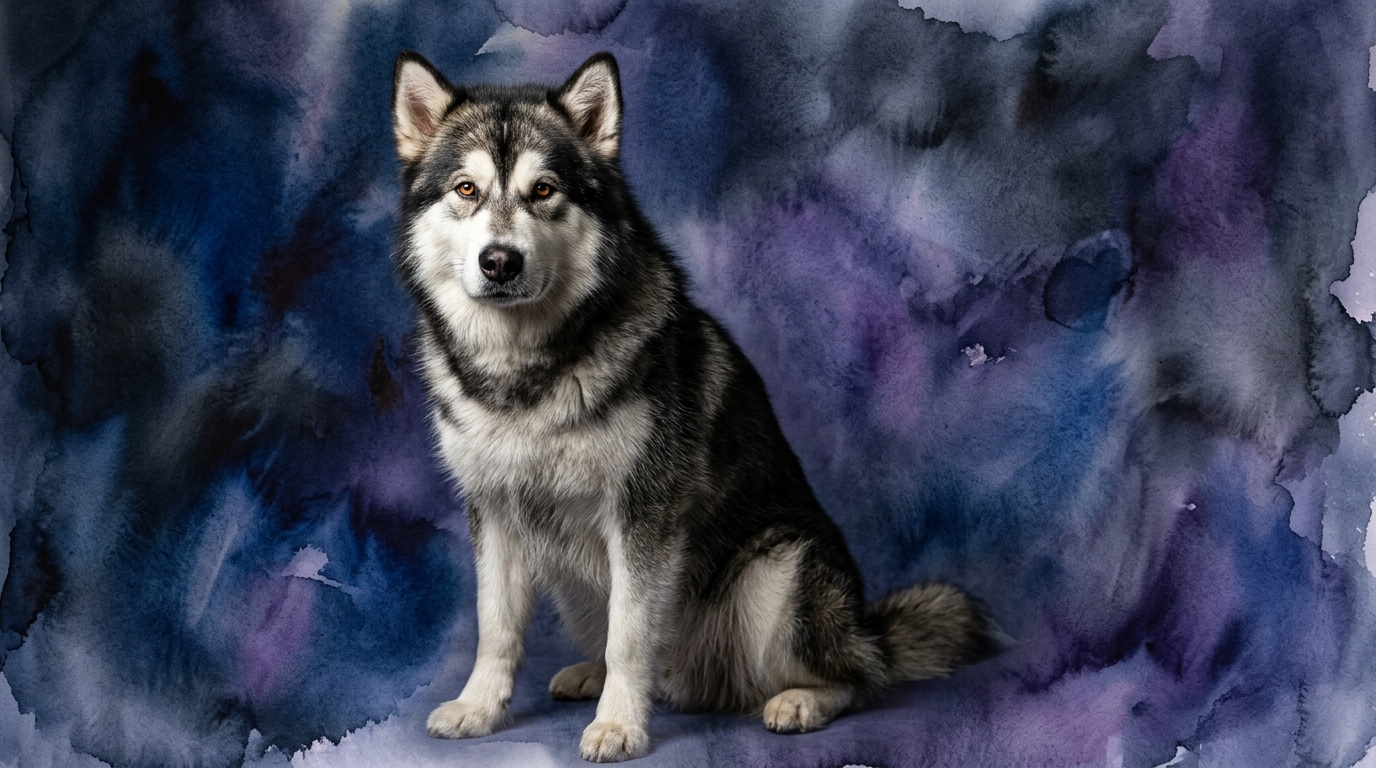
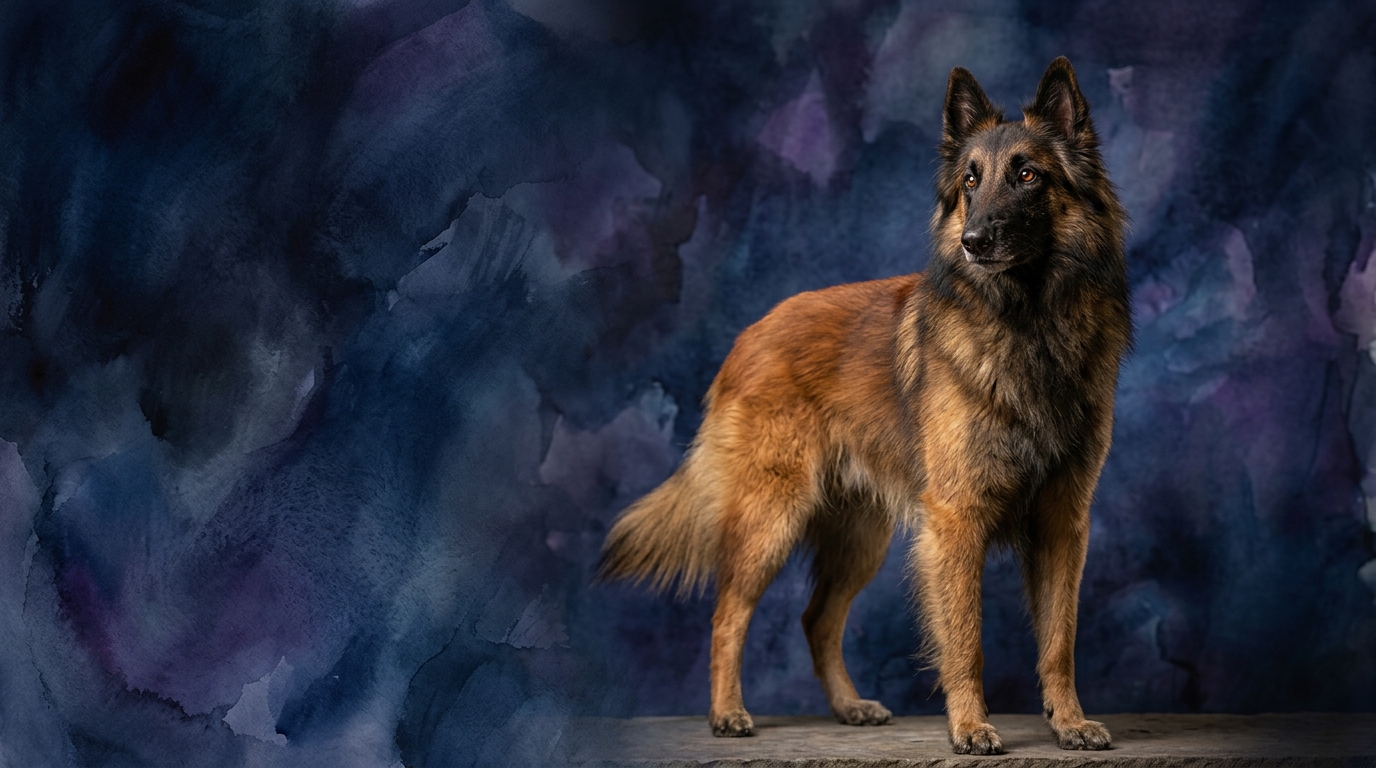
Side-by-Side IQ Profile
The Cosmic Pet Pet IQ Lab provides a structured lens through which to examine breed intelligence, assessing five key dimensions. For the Alaskan Malamute, a breed steeped in the demanding world of Arctic sledding, its Problem Solving scores a solid 4/5, indicating a resourceful mind capable of navigating complex tasks, often independently. However, its Training Speed is a more moderate 2/5, reflecting a self-assured nature that prioritizes its own motivations over immediate human directives. Social Intelligence stands at 3/5, suggesting a capacity for understanding pack dynamics but perhaps less of an inherent drive for constant human interaction compared to some breeds. Its Instinctive Drive is an impressive 5/5, a testament to its powerful urge to pull, roam, and utilize its incredible stamina, an instinct deeply ingrained from generations of survival. Finally, Memory registers at 4/5, indicating an excellent recall for learned behaviors and spatial awareness, especially those pertinent to its working roles.
In contrast, the Belgian Tervuren, a versatile herding dog, presents a different cognitive blueprint. Its Problem Solving ability is rated a perfect 5/5, showcasing a quick, analytical mind adept at strategizing and adapting to novel situations, a necessity for managing livestock. This breed truly shines in Training Speed, achieving a 5/5, which points to an eager-to-please temperament combined with rapid comprehension, making it highly receptive to instruction. Like the Malamute, its Social Intelligence is 3/5, demonstrating an awareness of its human handlers and social environment, though perhaps not an overwhelming need for constant emotional connection beyond its working partnership. The Tervuren's Instinctive Drive is a balanced 3/5, reflecting a strong herding impulse and desire for purpose, but without the relentless, independent drive seen in the Malamute. Its Memory is also a top-tier 5/5, enabling it to retain vast amounts of commands, routines, and environmental details, crucial for complex herding patterns and advanced obedience.
Where Alaskan Malamute Wins Cognitively
The Alaskan Malamute undeniably excels in the domain of Instinctive Drive, scoring a perfect 5/5 where the Tervuren registers 3/5. This isn't merely about physical stamina; it represents a profound, innate understanding of its purpose as a powerful draft animal and survivor in harsh environments. This deep-seated drive translates into an unparalleled ability to push through adversity, demonstrating immense perseverance in physical tasks and an independent problem-solving approach rooted in self-reliance rather than human direction. While its Problem Solving is 4/5 compared to the Tervuren's 5/5, the Malamute's cognitive strength lies in its ability to independently assess and navigate challenges where self-preservation or task completion (like breaking trail or finding a way through snow) is paramount, often without waiting for cues. This means it can make decisions autonomously, a critical cognitive advantage in its original role where immediate human intervention was not always possible or desirable. Its 4/5 Memory is also impressive, allowing it to recall vast sledding routes or resource locations, demonstrating a practical, spatial intelligence that serves its intrinsic drives.
Where Belgian Tervuren Wins Cognitively
The Belgian Tervuren's cognitive profile demonstrates clear advantages in several key areas, particularly those demanding rapid learning and intricate execution. Its Problem Solving ability scores a perfect 5/5, surpassing the Malamute's 4/5, which signifies a superior capacity for analytical thought, quick decision-making, and adapting strategies in real-time, essential for dynamic herding tasks. This breed's standout attribute is its Training Speed, also a 5/5, a stark contrast to the Malamute's 2/5. This indicates an exceptional eagerness to learn, a high degree of biddability, and an ability to quickly associate commands with actions, making it highly receptive to instruction. Complementing this, its Memory is a flawless 5/5, allowing the Tervuren to store and retrieve an extensive repertoire of commands, patterns, and experiences, crucial for mastering multi-step tasks and retaining information over long periods. These combined strengths allow the Tervuren to not only understand novel problems but also to rapidly learn and implement solutions under human guidance, showcasing a cognitive agility tailored for partnership and precision.
Which is Easier to Train and Why
When considering ease of training, the Belgian Tervuren holds a significant advantage over the Alaskan Malamute due to its superior Training Speed of 5/5 compared to the Malamute's 2/5. The Tervuren's innate desire to work collaboratively with its handler and its quick cognitive processing mean it picks up new commands and behaviors with remarkable speed and enthusiasm. This breed thrives on structure, consistency, and positive reinforcement, often eager to please and quick to offer desired behaviors. Its strong Memory (5/5) ensures that once a lesson is learned, it is retained effectively, leading to a highly reliable and responsive companion.
Conversely, the Alaskan Malamute's lower Training Speed (2/5) does not imply a lack of understanding, but rather a different approach to learning. Malamutes possess an independent and often strong-willed nature, a legacy of their work where self-sufficiency was vital. They might understand a command perfectly well but choose not to execute it if it doesn't align with their immediate priorities or if they perceive a task as redundant. Their high Instinctive Drive (5/5) means they are often more motivated by their own urges – such as exploring, digging, or chasing – than by human directives, especially without compelling incentives. Training a Malamute requires immense patience, consistency, and a deep understanding of their motivations, often needing to convince them that complying is more rewarding than following their own agenda. While they certainly can be trained to a high level, the process is typically slower and demands more creative engagement to overcome their inherent independence and avoid boredom.
Which Suits Active Owners vs. Relaxed Owners
Both the Alaskan Malamute and the Belgian Tervuren demand active engagement, but the nature of that activity differs significantly, making them suitable for distinct types of active owners. The Alaskan Malamute, with its formidable Instinctive Drive (5/5) and robust physique, thrives with owners who embrace strenuous outdoor activities. These are dogs built for endurance, requiring daily outlets for their powerful urges to pull, run, and explore. Owners who enjoy long-distance hiking, skijoring, dog sledding, or even competitive weight pulling will find a Malamute a willing and capable partner. Their independent problem-solving (4/5) means they also benefit from mental challenges that allow them to make choices, like scent work or navigation games. A more 'relaxed' owner, in the sense of one seeking a sedentary companion, would find a Malamute's energy and drive overwhelming, potentially leading to destructive behaviors born of boredom and unfulfilled instincts.
The Belgian Tervuren, with its top-tier Training Speed (5/5), Problem Solving (5/5), and Memory (5/5), also requires an active owner, but one whose activity extends beyond physical exertion to include consistent mental stimulation and structured training. Tervurens excel in dog sports like agility, obedience, protection work, and herding, where their quick learning and sharp minds can be fully utilized. They need owners who are committed to daily training sessions, puzzle toys, and engaging activities that challenge their intellect and provide a sense of purpose. While physically capable of long runs and hikes, a Tervuren's mental needs are equally, if not more, demanding. Owners who enjoy the process of teaching and refining complex behaviors will find the Tervuren incredibly rewarding. A truly 'relaxed' owner who provides minimal structured activity or mental engagement would likely find a Tervuren becoming anxious, bored, or developing unwanted behaviors due to their unexercised intelligence and drive for work.
The Verdict
Choose the Alaskan Malamute if you are an experienced owner seeking an independent, robust companion for endurance activities in challenging environments, who appreciates a dog with strong self-reliance and a deep, instinctual drive.
Opt for the Belgian Tervuren if you are an active, dedicated trainer who thrives on structured mental challenges and physical activity, desiring a highly biddable and responsive partner for dog sports, obedience, or a demanding working role.
🧠 Find Your Pet's IQ Score
Our Pet IQ Lab assessment covers 25+ tests across 5 cognitive dimensions — personalized to your breed.
Take the Full IQ Test →Frequently Asked Questions
Is the Alaskan Malamute less intelligent than the Belgian Tervuren?
Intelligence manifests differently; the Malamute's Coren rank of #50 versus the Tervuren's #14 primarily reflects biddability and ease of command-following. The Malamute excels in independent problem-solving and instinctive drive, showcasing a different, equally valuable form of cognition.
Can a Belgian Tervuren live in an apartment?
While a Tervuren can adapt to apartment living, it requires extensive daily exercise and mental stimulation to prevent boredom and anxiety. Its high training speed and cognitive needs mean it thrives with consistent engagement, regardless of dwelling size.
How do their social intelligences compare?
Both breeds score 3/5 in social intelligence, indicating a capacity to understand social cues and interact appropriately within their environment. However, the Tervuren's biddability often translates to a more attentive social interaction with its human handler, while the Malamute might display more independent social behaviors.