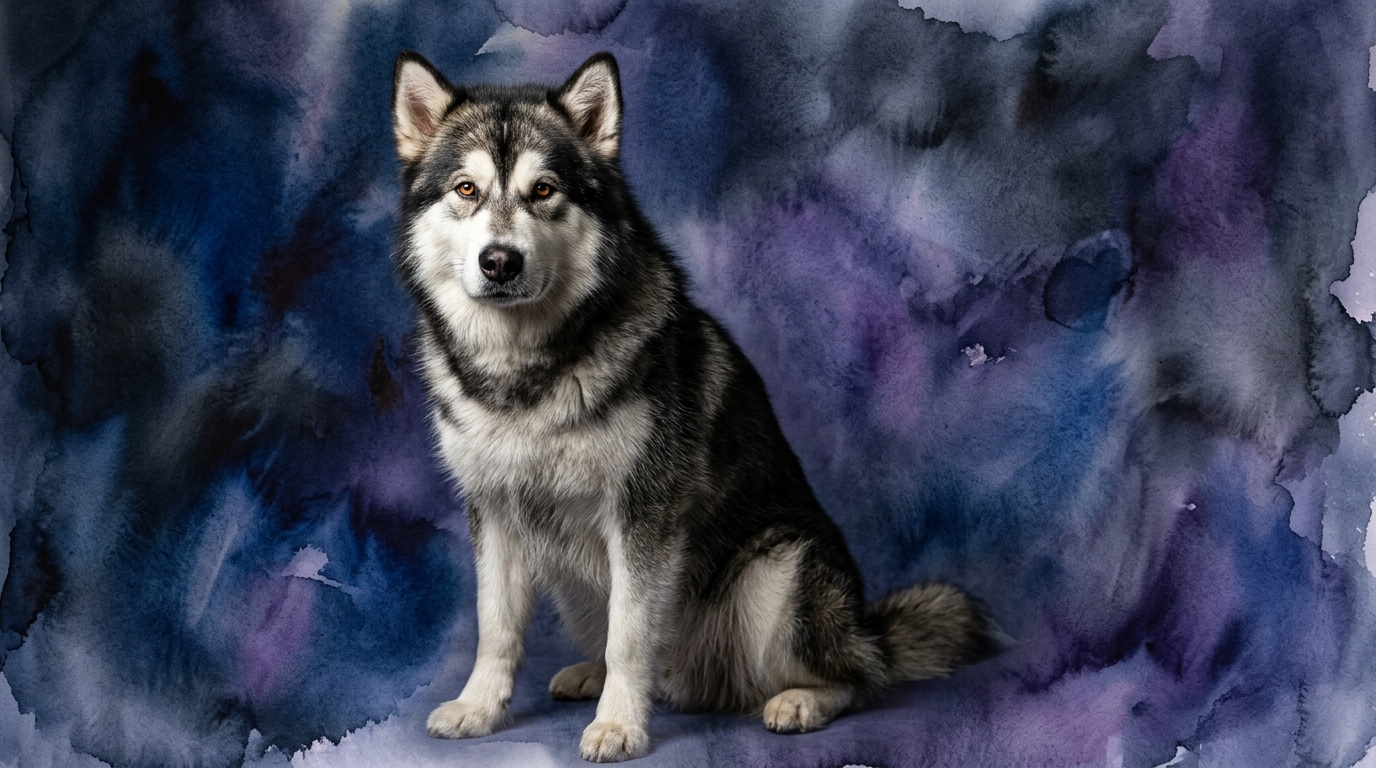
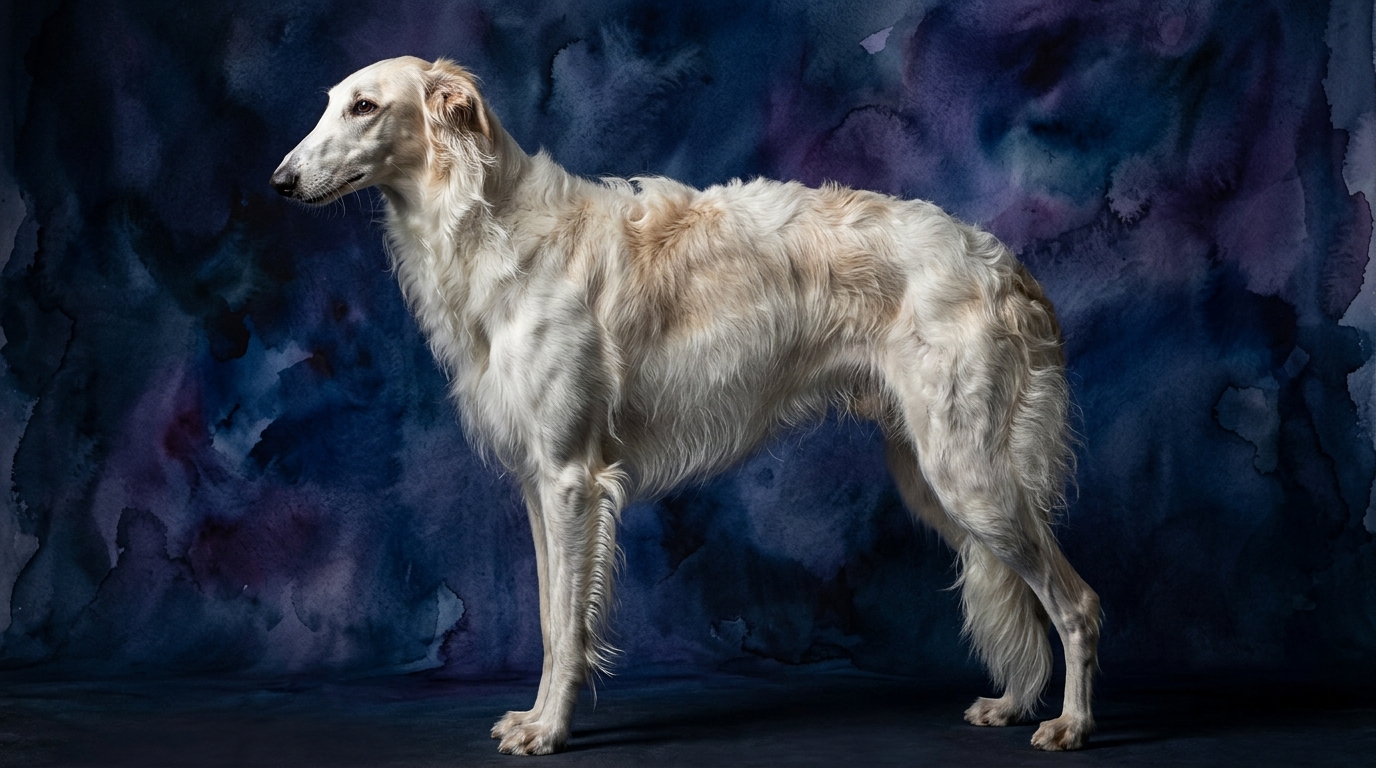
Side-by-Side IQ Profile: Alaskan Malamute vs. Borzoi
The Alaskan Malamute, a Working breed, ranks #50 on the Coren scale, reflecting a robust, purpose-driven intellect. Their Problem Solving is rated 4/5, indicative of resourcefulness and adaptability in challenging environments, essential for navigating vast, unpredictable terrains. Instinctive Drive scores a commanding 5/5, underscoring their profound urge for purposeful activity, often expressed through pulling or endurance tasks. Memory is strong at 4/5, crucial for retaining complex routes and learned procedures over long distances, while Social Intelligence sits at 3/5, suggesting a capacity for cooperative interaction within a structured pack. However, their Training Speed is 2/5, reflecting an independent nature that can make rapid obedience challenging.
In contrast, the Borzoi, a graceful Hound, holds a Coren rank of #75, showcasing a different kind of cognitive blueprint geared towards independent hunting. Their Problem Solving is 3/5, sufficient for tracking and cornering prey but less focused on intricate, multi-step tasks. Instinctive Drive is moderate at 3/5, primarily channeled into the pursuit of movement, rather than sustained physical labor. Memory is 3/5, adequate for recalling hunting grounds and specific cues, and their Social Intelligence also registers 3/5, often manifesting as dignified aloofness rather than overt boisterousness. Interestingly, their Training Speed is 3/5, a point higher than the Malamute, suggesting a slightly quicker uptake of commands when motivated.
Where the Alaskan Malamute Wins Cognitively
The Alaskan Malamute's cognitive strengths are deeply rooted in their heritage as powerful sled dogs and companions in harsh environments. Their Problem Solving at 4/5 means they excel at figuring out complex challenges, such as how to secure a food source or navigate around an obstacle on a trail, demonstrating a resourceful and persistent mind. This isn't about abstract thought, but practical ingenuity vital for survival and task completion.
Furthermore, the Malamute's outstanding Instinctive Drive, rated 5/5, is a significant cognitive advantage for owners seeking a dedicated working partner. This intense, innate motivation allows them to sustain effort and focus on demanding physical tasks for extended periods. Coupled with a Memory score of 4/5, they retain detailed knowledge of routes, routines, and multi-step commands, making them exceptionally reliable for repetitive, endurance-based activities where consistency and self-direction are paramount.
Where the Borzoi Wins Cognitively
While the Borzoi’s cognitive profile is geared differently from the Malamute’s, it offers distinct advantages, particularly in training speed. With a Training Speed of 3/5 compared to the Malamute's 2/5, Borzoi can often grasp and respond to new commands with slightly more alacrity, especially when the training is engaging and consistent. They can process and integrate new information into their behavioral repertoire a bit more readily, given the right motivation.
Beyond speed, the Borzoi's moderate Instinctive Drive (3/5) can be a cognitive 'win' for specific lifestyles. Unlike the Malamute's intense, constant need for a 'job,' the Borzoi's drive is highly focused on sight-based pursuit. Once their exercise needs are met, they are often content to relax, exhibiting a calm presence indoors. This lower, more specialized drive makes them less prone to restlessness or destructive behaviors stemming from an unmet need for strenuous, continuous mental and physical output, offering a different kind of cognitive adaptability to a home environment.
Which is Easier to Train, and Why?
When evaluating ease of training, the Borzoi, with a Training Speed of 3/5, generally presents a slightly less challenging experience than the Alaskan Malamute, which scores 2/5. This difference stems from their core behavioral tendencies. Malamutes possess a strong-willed, independent streak, deeply ingrained from their history of making autonomous decisions in life-or-death sledding scenarios. They are not inherently disobedient, but rather question the necessity of commands, requiring patient, consistent, and highly motivating reinforcement to comply.
The Borzoi, while still a sighthound with an independent mind, often responds more readily to positive reinforcement methods for foundational obedience. Their independence is more about selective engagement than outright defiance; they learn quickly when they perceive a benefit, but their attention can be fleeting if something more visually stimulating catches their eye. Their slightly higher training speed suggests they process and internalize new commands faster, making the initial stages of training potentially smoother for an owner adept at capturing and maintaining their focus.
Suiting Active vs. Relaxed Owners
For owners leading an exceptionally active and structured lifestyle, the Alaskan Malamute is a fitting match. Their 5/5 Instinctive Drive and 4/5 Problem Solving mean they thrive on demanding physical and mental engagement, such as sledding, cani-cross, long hikes, or advanced obedience that challenges their problem-solving abilities. They require an owner who understands their need for a 'job' and can provide consistent, high-energy outlets to prevent boredom and destructive behaviors. An owner who appreciates a dog's strong will and can provide firm, positive leadership will find a deeply loyal companion.
The Borzoi, while needing regular exercise to satisfy their sighthound instincts, can suit owners who appreciate bursts of activity followed by periods of tranquil companionship. Their moderate 3/5 Instinctive Drive means they need opportunities for free-running in secure areas, but they are often content to be elegant couch potatoes indoors once their physical needs are met. They are ideal for individuals who enjoy brisk walks or runs but also desire a serene presence in the home, offering a balance between activity and calm relaxation without the constant 'work' ethic of a Malamute.
The Verdict
Select the Alaskan Malamute if you are an experienced, active owner seeking a powerful, independent companion for demanding outdoor adventures and thrive on providing consistent mental and physical challenges. They excel with a dedicated leader who appreciates their strong will and deeply ingrained drive for purposeful activity.
Opt for the Borzoi if you appreciate a dog with dignified independence, enjoy bursts of swift exercise, and desire a calm, elegant presence in your home, understanding their need for secure off-leash running. They suit owners who can provide consistent, engaging training and a peaceful, structured environment.
🧠 Find Your Pet's IQ Score
Our Pet IQ Lab assessment covers 25+ tests across 5 cognitive dimensions — personalized to your breed.
Take the Full IQ Test →Frequently Asked Questions
Are Alaskan Malamutes difficult to live with due to their strong instinctive drive?
Alaskan Malamutes possess a very strong instinctive drive, rated 5/5, which means they have an intense need for purposeful activity and mental engagement. Without adequate outlets like sledding, long hikes, or carting, this drive can manifest as boredom, destructiveness, or excessive vocalization, requiring committed owners to manage.
How does a Borzoi's moderate problem-solving ability impact daily life?
A Borzoi's problem-solving ability, rated 3/5, means they are capable of navigating typical domestic challenges but may not seek out complex puzzles or devise intricate strategies like some working breeds. This generally translates to a dog that is less prone to outsmarting household security or constantly seeking novel mental challenges, preferring a more predictable routine.
Can a Borzoi be trained for competitive obedience despite its sighthound nature?
Yes, a Borzoi can certainly be trained for competitive obedience, and their 3/5 training speed suggests they can grasp commands effectively. However, their sighthound independence and focus on visual stimuli mean training requires patience, creativity, and highly rewarding methods to maintain their engagement, especially in distracting environments.