Side-by-side IQ profile
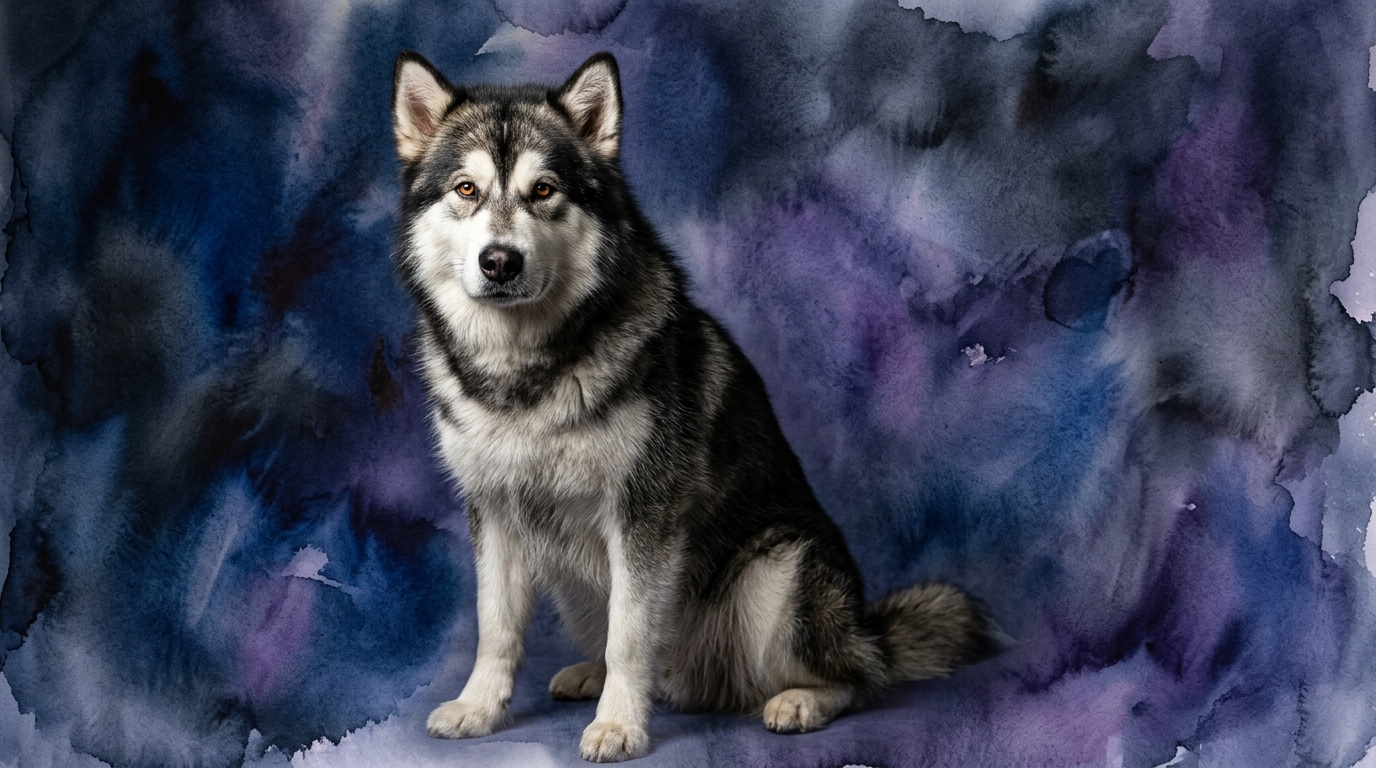
The Cosmic Pet Pet IQ Lab provides a granular look at canine cognition, offering a rich framework to compare the Alaskan Malamute and the Boston Terrier. The Alaskan Malamute, ranked #50 by Coren, presents a profile marked by strong independence and physical aptitude. Their problem-solving score of 4/5 reflects a capacity for complex, self-directed tasks, while their training speed of 2/5 indicates a need for patient, consistent guidance. Social intelligence at 3/5 suggests a discerning nature, pack-oriented rather than overtly people-pleasing, and an exceptional instinctive drive of 5/5 underscores their heritage as powerful working dogs. Finally, their memory at 4/5 allows for retention of intricate routines and spatial layouts.
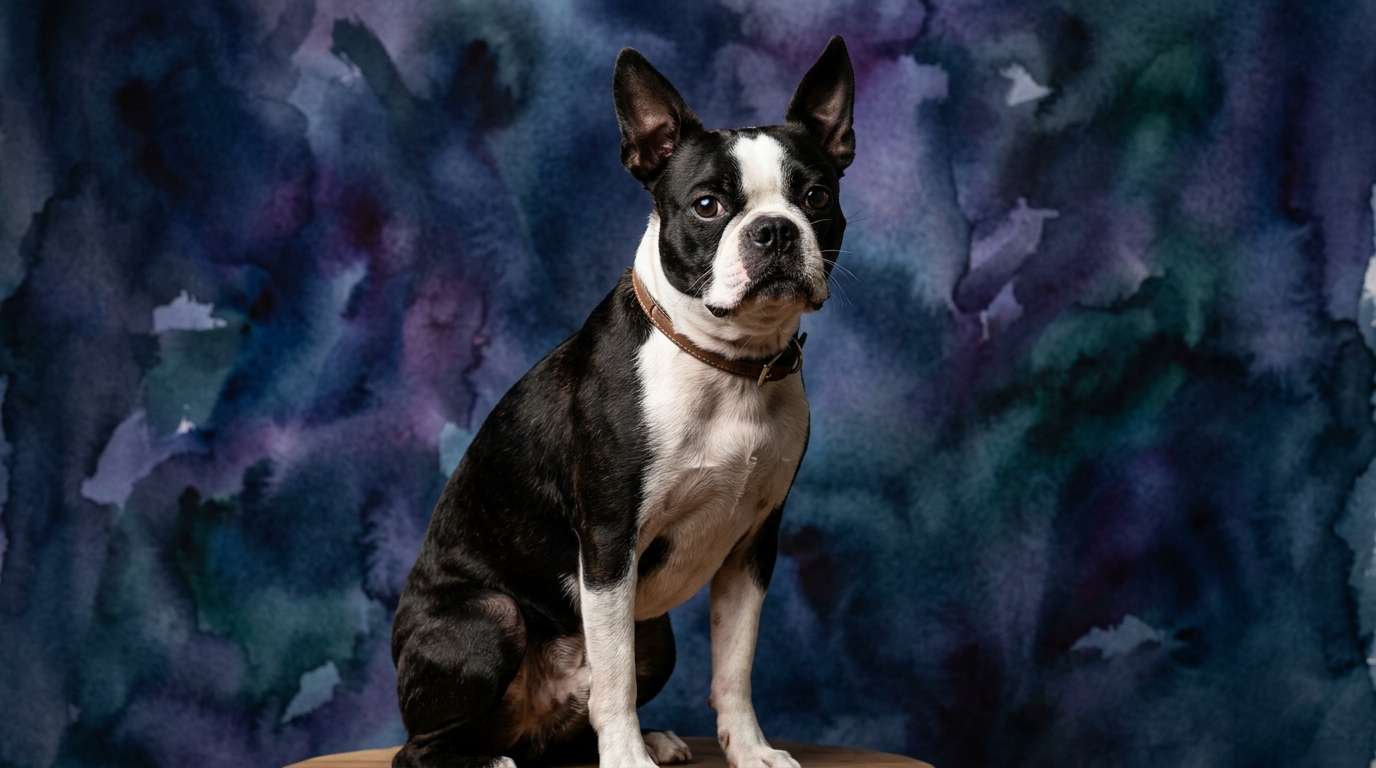
In contrast, the Boston Terrier, with a Coren rank of #54, showcases a cognitive design optimized for companionship. Their problem-solving ability scores 3/5, indicating cleverness within established routines, and their training speed of 3/5 suggests a more eager-to-please disposition. A robust social intelligence of 4/5 highlights their affinity for human interaction and understanding of social cues. Their instinctive drive is notably lower at 2/5, reflecting a diminished prey drive and focus on companionship over independent work. A memory score of 3/5 means they capably recall commands, familiar people, and daily patterns.
Where Alaskan Malamute wins cognitively
The Alaskan Malamute excels particularly in cognitive dimensions tied to their working heritage. Their superior problem-solving score of 4/5 shines when faced with environmental challenges, demonstrating ingenuity in figuring out how to open gates, navigate complex terrains, or locate hidden objects, often leveraging their physical strength. This contrasts with the Boston Terrier's more routine-bound problem-solving. Furthermore, the Malamute's instinctive drive, rated at a formidable 5/5, is a significant cognitive advantage for tasks requiring endurance, focus, and purposeful action, such as pulling or tracking. This deep-seated drive translates into an innate understanding of working roles and an unwavering determination. Finally, their memory score of 4/5 supports the retention of complex sequences and spatial awareness, crucial for navigating vast territories or remembering intricate sledding routes, surpassing the Boston Terrier's memory for simpler routines.
Where Boston Terrier wins cognitively
The Boston Terrier's cognitive strengths are profoundly social, making them exceptional companions. Their social intelligence, at 4/5, is a clear advantage over the Malamute's 3/5, enabling them to keenly interpret human emotions, body language, and vocal tones. This makes them remarkably attuned to their owners' moods and desires, fostering a deeper bond. Their training speed, rated 3/5, also surpasses the Malamute's 2/5, indicating a quicker uptake of commands and house rules, largely driven by their desire to please and their lower independent streak. Moreover, while a Malamute's high instinctive drive is a win for working, the Boston Terrier's lower instinctive drive of 2/5 becomes a cognitive advantage for a domestic pet. This reduced inclination for independent hunting, digging, or roaming means they are generally less prone to behaviors that challenge a household environment, making them more adaptable to urban living and less demanding in terms of managing strong primal urges.
Which is easier to train and why
Based on their Cosmic Pet Pet IQ Lab profiles, the Boston Terrier is generally easier to train than the Alaskan Malamute. The Boston Terrier's higher training speed (3/5) and superior social intelligence (4/5) mean they are typically more motivated by human approval and positive reinforcement, quickly grasping new commands and routines. They enjoy the interaction and are less likely to challenge authority, making basic obedience and house-training a more straightforward process for the average owner. Their lower instinctive drive also means fewer deeply ingrained behaviors to redirect.
The Alaskan Malamute, despite a high problem-solving score, presents a greater training challenge due to their lower training speed (2/5) and powerful instinctive drive (5/5). They possess an independent spirit and a strong will, often assessing whether a command aligns with their own perceived best interest or innate drives. Training a Malamute requires immense patience, consistency, and a profound understanding of their working dog mentality. Owners must establish clear, consistent leadership and make training engaging, as a Malamute is not simply "stubborn," but rather an independent thinker with a strong sense of purpose that needs to be channeled. They learn, but compliance is a negotiation built on trust and respect, not blind obedience.
Which suits active owners vs relaxed owners
The choice between these breeds significantly depends on an owner's lifestyle. The Alaskan Malamute is best suited for highly active, experienced owners who can meet their substantial physical and mental demands. Their powerful instinctive drive (5/5) and problem-solving ability (4/5) necessitate vigorous daily exercise, often including activities like hiking, running, or dog sports that mimic their sledding heritage. They also require consistent mental stimulation through training, puzzle toys, and engaging tasks to prevent boredom-induced behaviors. An owner seeking a robust, outdoor adventure companion will find a Malamute fulfilling.
Conversely, the Boston Terrier is an ideal match for more relaxed owners seeking a devoted companion. Their moderate exercise needs, coupled with their high social intelligence (4/5) and lower instinctive drive (2/5), make them well-suited for apartment living and less intense daily routines. While they enjoy playtime and walks, their primary fulfillment comes from interacting with their human family. Owners who prioritize indoor companionship, gentle play, and a dog that is content to lounge beside them will find the Boston Terrier's cognitive profile aligns perfectly with their lifestyle.
The Verdict
For experienced, active individuals or families who embrace a strong, independent working dog, willing to invest significant time in consistent training, vigorous exercise, and engaging mental stimulation.
For individuals or families seeking an affectionate, adaptable companion dog who thrives on social interaction and moderate activity, fitting well into various living situations and offering a quicker training experience.
🧠 Find Your Pet's IQ Score
Our Pet IQ Lab assessment covers 25+ tests across 5 cognitive dimensions — personalized to your breed.
Take the Full IQ Test →Frequently Asked Questions
Are Alaskan Malamutes good family dogs?
Alaskan Malamutes can be devoted family members, particularly with early socialization and consistent training. Their social intelligence (3/5) means they form strong bonds with their pack, but their powerful instinctive drive requires experienced owners who can provide structure and channel their energy appropriately around children and other pets.
How much grooming does a Boston Terrier need?
Boston Terriers have short, smooth coats that require minimal grooming, typically just weekly brushing to remove loose hair and maintain shine. This low-maintenance coat is a practical advantage for owners who prefer less time spent on grooming tasks.
How much exercise does a Boston Terrier need compared to an Alaskan Malamute?
Boston Terriers need moderate daily exercise, such as a couple of brisk walks or playtime in a yard, usually 30-60 minutes total. Alaskan Malamutes, however, require significantly more intense and prolonged activity, often 1-2 hours of vigorous exercise daily, like running, hiking, or pulling, to satisfy their high instinctive drive and physical capabilities.