Side-by-Side Cognitive Profile
The Cosmic Pet Pet IQ Lab offers a comprehensive look into the cognitive dimensions of these two distinct breeds, revealing how their historical roles have shaped their mental makeup. Understanding these nuances is key to appreciating their individual brilliance.
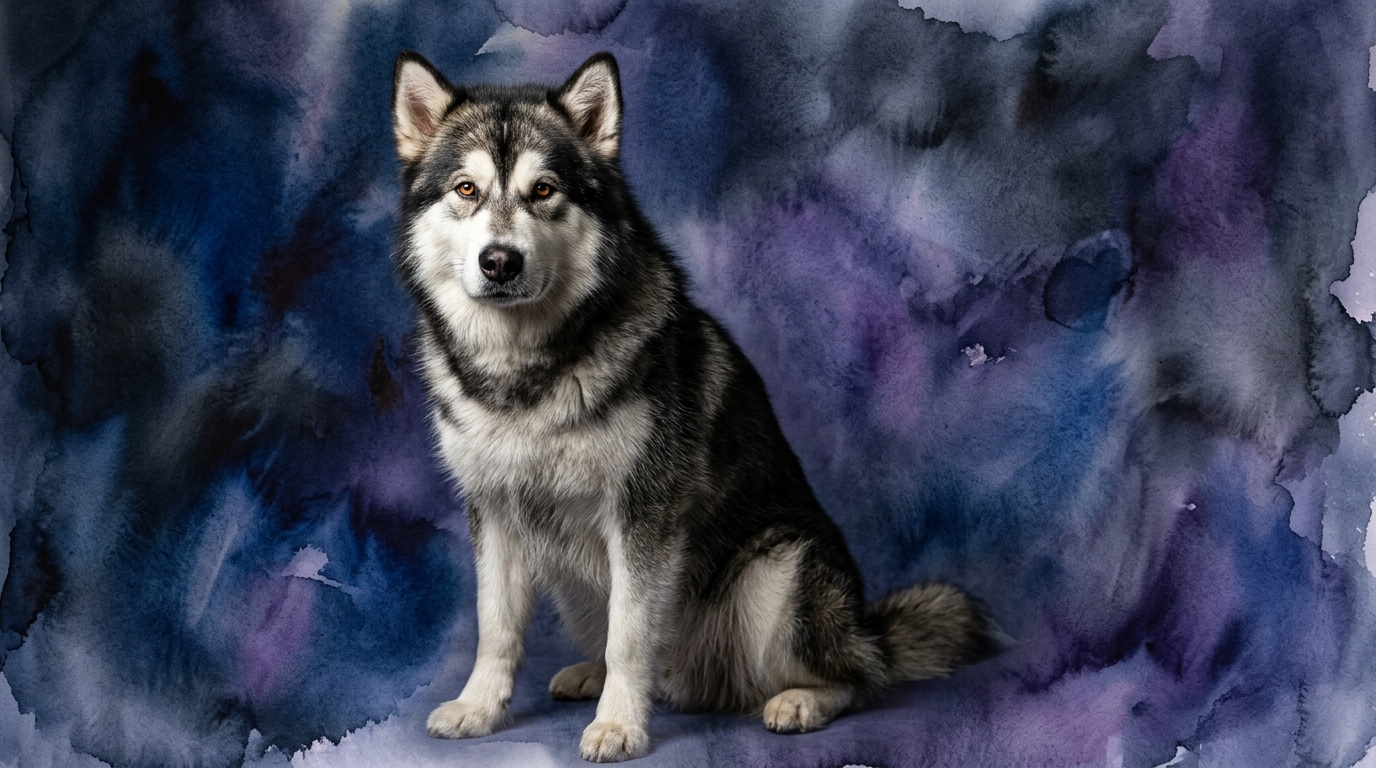
The Alaskan Malamute, a member of the Working group with a Coren rank of #50, demonstrates a cognitive profile optimized for endurance and independent problem-solving in challenging environments. Its Problem Solving is rated 4/5, indicating a high capacity for independent thought and ingenuity in complex situations. Training Speed is 2/5, reflecting a slower uptake of commands often due to their self-reliant nature. Social Intelligence stands at 3/5, suggesting moderate understanding of human cues and pack dynamics, while Instinctive Drive is an exceptional 5/5, highlighting intense natural urges for physical tasks. Memory is strong at 4/5, crucial for navigating vast landscapes and recalling resources.
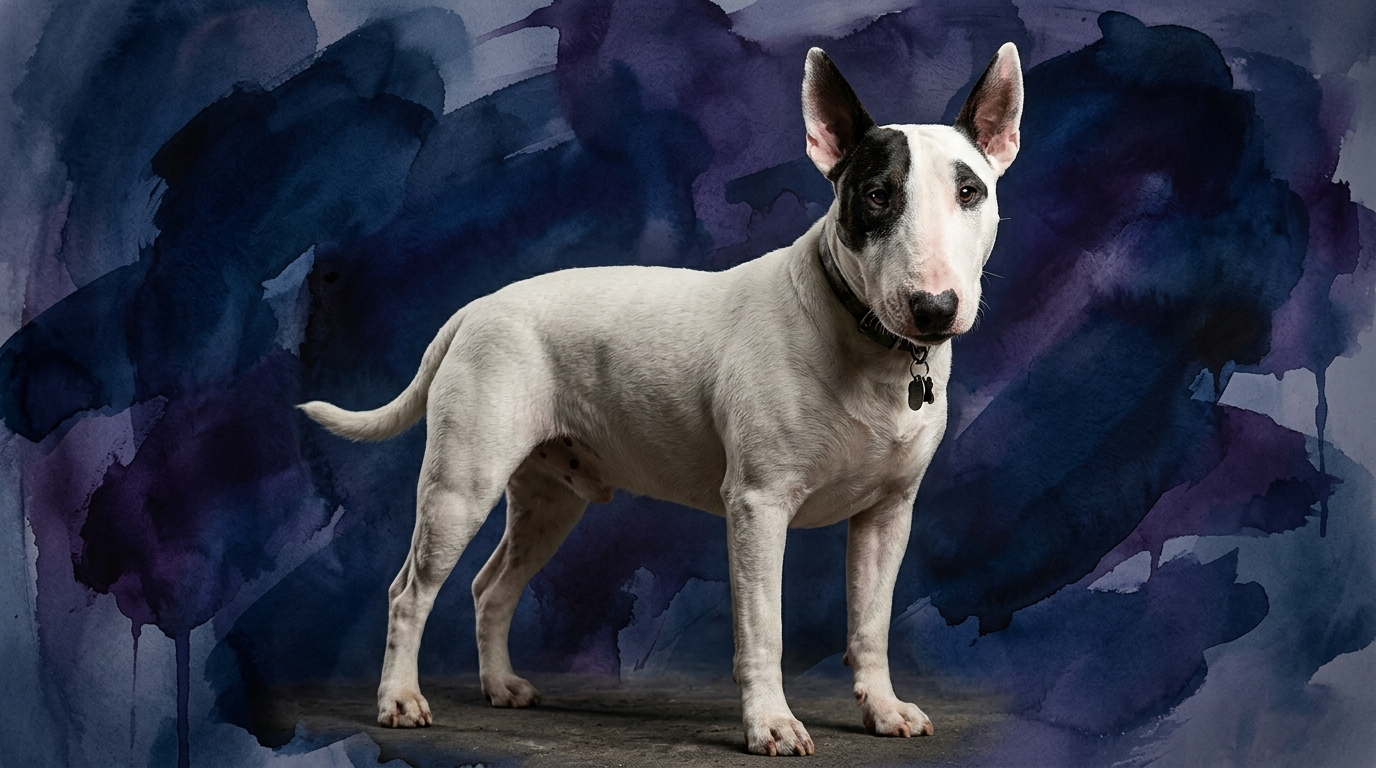
In contrast, the Bull Terrier, from the Terrier group with a Coren rank of #66, exhibits a cognitive makeup characteristic of its tenacious and companionable heritage. Its Problem Solving is 3/5, a moderate ability to figure things out, often through trial-and-error. Training Speed is 3/5, indicating a steady learning pace that benefits from consistency. Social Intelligence is also 3/5, showing a capacity for strong bonds and understanding of family dynamics. Instinctive Drive is 3/5, present but less overwhelming than the Malamute’s, encompassing typical terrier urges like digging and chasing. Memory is rated 3/5, meaning they retain routines and basic commands effectively.
Where the Alaskan Malamute Wins Cognitively
The Alaskan Malamute’s cognitive profile reveals distinct advantages rooted in its working heritage. Their superior Problem Solving (4/5 vs. 3/5) means they are adept at independent decision-making, crucial for navigating treacherous terrains or solving logistical challenges without direct human instruction. This manifests as an impressive ability to think on their paws, whether it's finding a way around an obstacle or strategizing to reach a desired object.
Furthermore, the Malamute’s Instinctive Drive (5/5 vs. 3/5) is unparalleled. This isn't merely about physical stamina; it's a deep-seated mental fortitude and purposefulness. They possess an innate understanding of tasks requiring endurance, pulling, and sustained effort, allowing them to channel their immense energy into productive, goal-oriented behaviors. This drive makes them highly engaged in activities that align with their natural instincts. The breed's robust Memory (4/5 vs. 3/5) also stands out. Malamutes are excellent at retaining complex spatial information, remembering intricate routes, and recalling the location of resources or safe havens. This cognitive strength is vital for dogs that historically operated over vast, often featureless, landscapes, relying on internal maps and past experiences for survival and task completion.
Where the Bull Terrier Wins Cognitively
The Bull Terrier, while possessing different strengths, shows a cognitive edge in areas that often make for a more amenable companion in a typical household setting. Their Training Speed (3/5 vs. 2/5) is a notable advantage. While not considered a 'fast' learner, the Bull Terrier generally processes and accepts new commands more readily than the Malamute. This means fewer repetitions and potentially less frustration during basic obedience and trick training.
This improved training speed is often linked to their moderate instinctive drives (3/5). Unlike the Malamute, whose intense natural urges can frequently override human commands, the Bull Terrier's drives are more manageable. This allows for a clearer channel for learning, as their inherent desires are less likely to constantly compete with the trainer's directives, making them more receptive to structured education. Their moderate Social Intelligence (3/5) also contributes subtly to their trainability. While the Malamute’s independence might make them less inclined to 'please,' Bull Terriers often exhibit a strong desire for interaction and attention from their primary caregivers. This motivation can be effectively leveraged in training, as they are often more attuned to human feedback and approval, fostering a more collaborative learning environment.
Which Is Easier to Train and Why
Based on The Cosmic Pet Pet IQ Lab data, the Bull Terrier (Training Speed 3/5) is generally easier to train than the Alaskan Malamute (Training Speed 2/5). This difference is deeply rooted in their breed-specific behavioral tendencies and evolutionary purposes. The Alaskan Malamute was bred for independent decision-making and endurance in harsh environments, requiring them to think for themselves rather than passively follow every command. This manifests as a strong-willed nature where they often evaluate the utility of a command from their perspective, leading to what owners perceive as stubbornness or slow learning.
Their exceptionally high Instinctive Drive (5/5) for pulling, exploring, and prey drive further complicates training. These powerful natural urges are difficult to suppress or redirect, often taking precedence over human directives unless training is exceptionally engaging and consistently reinforced. A Malamute might understand a command perfectly but choose not to execute it if another instinctual drive is more compelling at that moment. In contrast, the Bull Terrier, while still a terrier with its own brand of tenacity, exhibits a more moderate Instinctive Drive (3/5) and a slightly higher Training Speed (3/5). They are often motivated by play, food, and human companionship, making them more responsive to positive reinforcement techniques. While they can be strong-willed, their drives are less likely to completely overshadow their willingness to learn and engage with their human trainers, leading to a more straightforward training journey for many owners.
Which Suits Active Owners vs. Relaxed Owners
For truly active owners, particularly those who embrace outdoor adventures and purposeful work, the Alaskan Malamute is an ideal match. Their remarkable Instinctive Drive (5/5) and need for extensive physical outlets mean they thrive with owners who can provide rigorous daily exercise, such as long hikes, jogging, or even dog sports like canicross or weight pulling. They require an owner who understands and respects their need to use their powerful bodies and minds, channeling their energy into constructive activities rather than expecting them to be sedentary. An owner who enjoys the challenge of a highly independent, thinking dog will find the Malamute a rewarding companion.
For owners who might be described as active but not necessarily seeking an extreme endurance partner, the Bull Terrier offers a more balanced proposition. While still requiring regular exercise and mental stimulation to prevent boredom, their moderate Instinctive Drive (3/5) and generally more contained energy levels mean they can adapt to a wider range of active lifestyles. They enjoy walks, playtime, and engaging activities but are less likely to become destructive or restless if a day's activity is slightly less intense. They suit owners who appreciate a spirited companion that enjoys engagement but also a good cuddle on the couch.
The Verdict
Choose an Alaskan Malamute if you are an experienced, dedicated owner prepared to embrace a powerful, independent working dog with immense physical and mental needs, thriving on outdoor adventures and consistent, patient guidance.
Choose a Bull Terrier if you seek a spirited, loyal, and playful companion who will thrive with consistent training, regular exercise, and a family that appreciates its distinctive personality and affectionate nature.
🧠 Find Your Pet's IQ Score
Our Pet IQ Lab assessment covers 25+ tests across 5 cognitive dimensions — personalized to your breed.
Take the Full IQ Test →Frequently Asked Questions
Are Alaskan Malamutes truly stubborn during training?
Their perceived stubbornness often stems from their high problem-solving ability and strong instinctive drives, leading them to prioritize their own assessments or natural urges over human commands. They are not defiant but rather independent thinkers who require highly motivating and consistent training.
Do Bull Terriers need a lot of exercise daily?
Bull Terriers are active dogs with moderate instinctive drives, meaning they do require consistent daily exercise to maintain their physical and mental health. While not requiring the extreme endurance of a Malamute, regular walks, playtime, and mental challenges are essential to prevent boredom.
Which breed is better suited for families with young children?
Both breeds can be good family dogs with proper socialization and training, but neither is inherently 'better' without considering individual temperaments and family dynamics. The Bull Terrier's deep family loyalty and playful nature often make them excellent with children if raised together, while the Malamute's sheer power and independent nature require careful supervision and consistent boundaries around young ones.