
Side-by-Side Cognitive Profile: Malamute vs. Bulldog
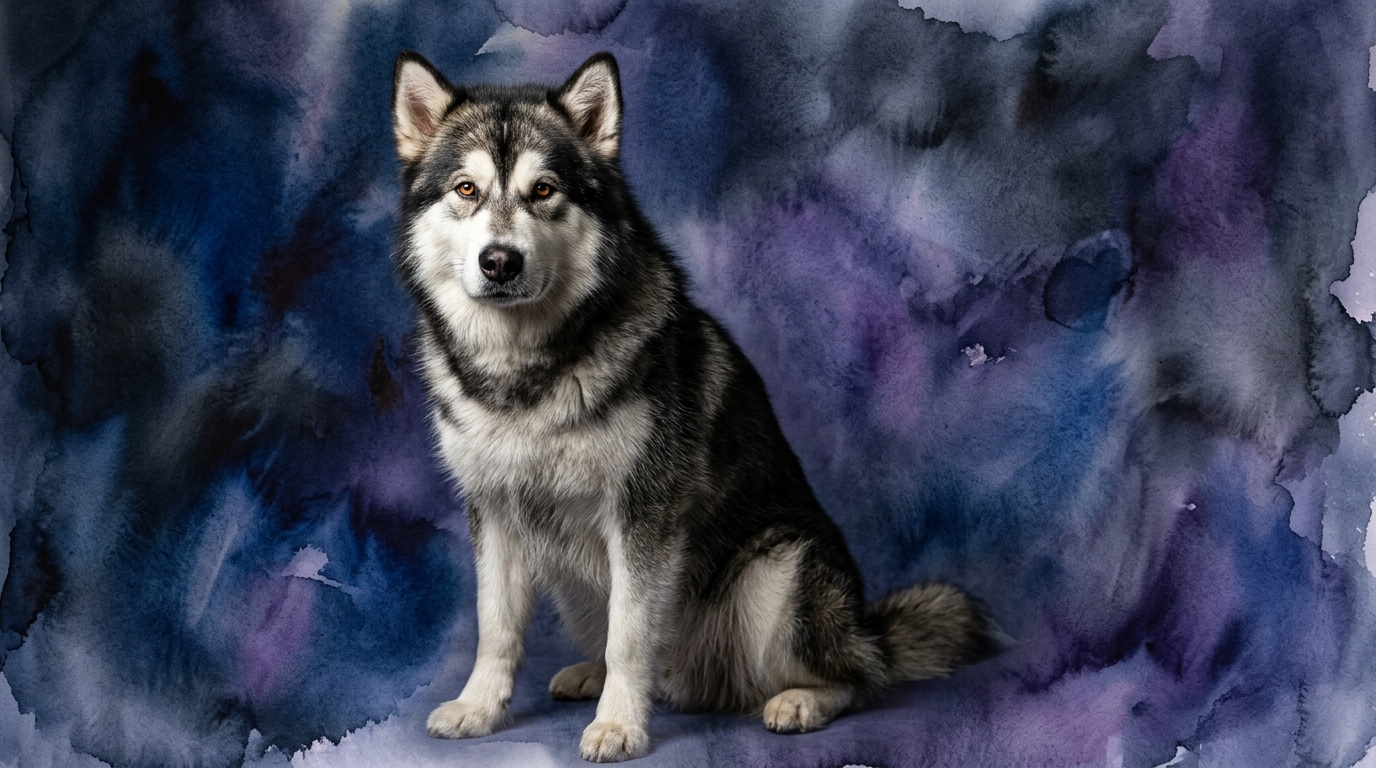
The Cosmic Pet Pet IQ Lab employs a comprehensive five-dimensional framework to assess canine intelligence, offering a nuanced view beyond simplistic 'smartness.' For the Alaskan Malamute, a Working breed ranked #50 by Coren, its profile highlights a strong aptitude for problem Solving (4/5), reflecting its heritage in navigating complex tasks. However, its training Speed (2/5) suggests a deliberate, independent learner, while social Intelligence (3/5) indicates a balanced capacity for interaction. The Malamute's instinctive Drive (5/5) is exceptionally high, a testament to its ancestral purpose, and its memory (4/5) is robust, enabling retention of crucial information.
In contrast, the English Bulldog, a Non-Sporting breed with a Coren rank of #77, presents a different cognitive blueprint. Its problem Solving (2/5) score indicates a more straightforward approach to challenges, less inclined towards intricate solutions. Similarly, its training Speed (2/5) aligns with the Malamute, suggesting a need for patience and consistent methods. Where the Bulldog shines is in social Intelligence (4/5), demonstrating a pronounced capacity for emotional connection and understanding social cues. Its instinctive Drive (3/5) is moderate, reflecting a less intense urge for traditional working tasks, and its memory (2/5) is comparatively less retentive, requiring more repetition for learning.
Where the Alaskan Malamute Excels Cognitively
The Alaskan Malamute's cognitive strengths are deeply rooted in its history as a powerful sled dog, demanding both physical and mental fortitude. Its superior problem-solving abilities (4/5) mean it can independently figure out solutions to environmental challenges, such as navigating obstacles on a trail or strategizing to access a coveted item. This isn't about 'cleverness' in a trick-learning sense, but rather an innate capacity for practical reasoning and making decisions in complex situations, often without direct human instruction.
Furthermore, the Malamute's exceptional instinctive Drive (5/5) translates into a powerful motivation for purpose-driven activity. This isn't just about physical energy; it's a cognitive drive to perform tasks, pull, explore, and engage with its environment in a meaningful way. This drive, combined with a strong memory (4/5), allows Malamutes to recall intricate routes, understand complex sequences of events, and remember past successful strategies for overcoming challenges. They can often anticipate outcomes based on prior experiences, making them highly effective in roles requiring endurance and foresight.
Where the English Bulldog Shines Cognitively
The English Bulldog, while possessing a different set of cognitive priorities, truly excels in social intelligence (4/5). This breed demonstrates a remarkable capacity for understanding human emotions, reacting appropriately to social cues, and forming deep, intuitive bonds with its family members. Their ability to read subtle shifts in tone or body language allows them to be incredibly empathetic companions, often offering comfort or seeking interaction at just the right moment. This isn't about performing complex tasks but about navigating the intricate world of human-animal connection with finesse.
While its problem-solving and memory scores are more moderate, the Bulldog's social acumen means it can learn household routines and boundaries effectively through consistent, positive reinforcement, leveraging its desire for companionship. Their moderate instinctive Drive (3/5) means they are less compelled by intense working tasks, allowing their cognitive energy to be directed more towards social engagement and maintaining harmony within their family unit. They might not be planning an escape route, but they are certainly planning how to get closer to their favorite human on the sofa.
Training Dynamics: Malamute vs. Bulldog
When it comes to training, both breeds share a training Speed score of 2/5, indicating that neither is inherently quick to pick up new commands or routines. However, the underlying reasons and implications for owners differ significantly. The Alaskan Malamute's deliberate training speed often stems from its independent nature and a strong intrinsic motivation for tasks it deems purposeful. They are not necessarily 'stubborn' but evaluate requests and may choose to comply only if they perceive value or a clear benefit. Their high instinctive Drive means they thrive on engaging, task-oriented training that appeals to their desire to work, often requiring creative methods to maintain their focus and prevent boredom-induced disinterest.
The English Bulldog's similar training speed often relates to its comfort-seeking disposition and a tendency to prioritize relaxation over strenuous effort. While they are eager to please their loved ones due to their high social intelligence, their physical build and lower problem-solving score mean they might take longer to grasp complex commands or sequences. Training a Bulldog requires immense patience, consistency, and positive reinforcement, focusing on making the learning process enjoyable and rewarding, rather than demanding. Short, frequent sessions with plenty of praise and treats are often more effective than long, intensive drills for this companion-oriented breed.
Matching Breeds to Lifestyles: Active vs. Relaxed Owners
The cognitive profiles of the Alaskan Malamute and English Bulldog clearly delineate their suitability for different owner lifestyles. The Malamute, with its exceptional instinctive Drive (5/5) and strong problem-solving skills, thrives with active owners who can provide consistent mental and physical challenges. This breed needs more than just walks; it requires 'jobs' — whether that's pulling a cart, participating in canine sports, or engaging in extensive hiking and exploration. Owners who enjoy outdoor adventures and can dedicate significant time to engaging their dog's active mind and body will find the Malamute a fulfilling companion. Their independence means they appreciate a partnership where they contribute, rather than simply follow.
Conversely, the English Bulldog's higher social intelligence and moderate instinctive drive make it an ideal fit for more relaxed, home-centric owners. While they enjoy gentle strolls and playtime, their primary cognitive need is for companionship and a comfortable, predictable environment. Owners who appreciate a devoted, affectionate presence and can provide consistent social interaction will find the Bulldog to be a wonderful match. Their contentment often comes from being part of the family's daily rhythm, offering quiet companionship rather than demanding high-octane activities. They are best suited for those who desire a loyal friend for leisurely evenings and cozy days.
The Verdict
Choose an Alaskan Malamute if you are an active, experienced owner eager to engage with a dog that possesses strong problem-solving abilities and a powerful drive for purpose-driven activities. This breed thrives with consistent mental and physical challenges.
Opt for an English Bulldog if you seek a devoted, socially adept companion for a more relaxed home environment, valuing deep emotional connections and a moderate activity level.
🧠 Find Your Pet's IQ Score
Our Pet IQ Lab assessment covers 25+ tests across 5 cognitive dimensions — personalized to your breed.
Take the Full IQ Test →Frequently Asked Questions
Do Alaskan Malamutes learn tricks quickly?
Alaskan Malamutes have a training speed of 2/5, meaning they are not quick to pick up new commands or tricks. They often require consistent, patient training methods and respond best to tasks they perceive as having a purpose or benefit.
Are English Bulldogs good at understanding their owners' feelings?
Yes, English Bulldogs score 4/5 in social intelligence, indicating a strong capacity for understanding human emotions and social cues. They are often very empathetic and form deep bonds with their families.
Which breed requires more mental stimulation?
The Alaskan Malamute, with its 4/5 problem-solving and 5/5 instinctive drive, generally requires significantly more mental stimulation through engaging tasks, exploration, and consistent challenges to prevent boredom and destructive behaviors.