Side-by-Side IQ Profile: Alaskan Malamute vs. Cane Corso
The Cosmic Pet Pet IQ Lab employs a multi-dimensional approach to assess canine intelligence, moving beyond single scores to provide a nuanced understanding of a breed's cognitive strengths and challenges. For the Alaskan Malamute and Cane Corso, this detailed profile illuminates their inherent aptitudes.
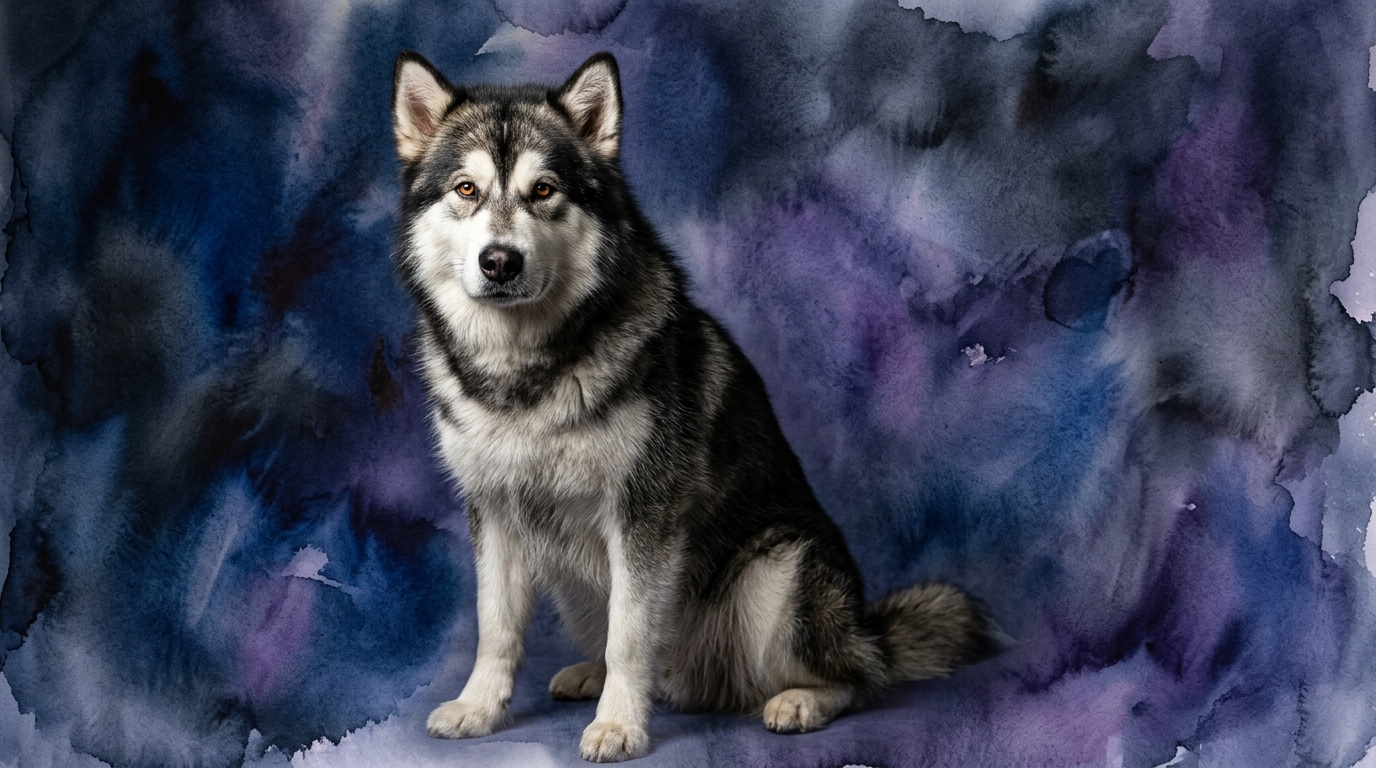
**Alaskan Malamute (Coren rank #50):** This powerful northern breed exhibits a distinctive cognitive makeup. Their Problem Solving is rated at 4/5, indicating a strong capacity for independent thought and ingenious solutions to environmental challenges. Training Speed, however, stands at 2/5, suggesting a deliberate approach to compliance and a need for patient, consistent methods. Social Intelligence is a moderate 3/5, reflecting selective bonding and discerning interactions. A profound Instinctive Drive, scoring 5/5, highlights their powerful urges for pulling, exploration, and often a significant prey drive. Finally, their Memory is strong at 4/5, aiding in recalling complex routines and past experiences.
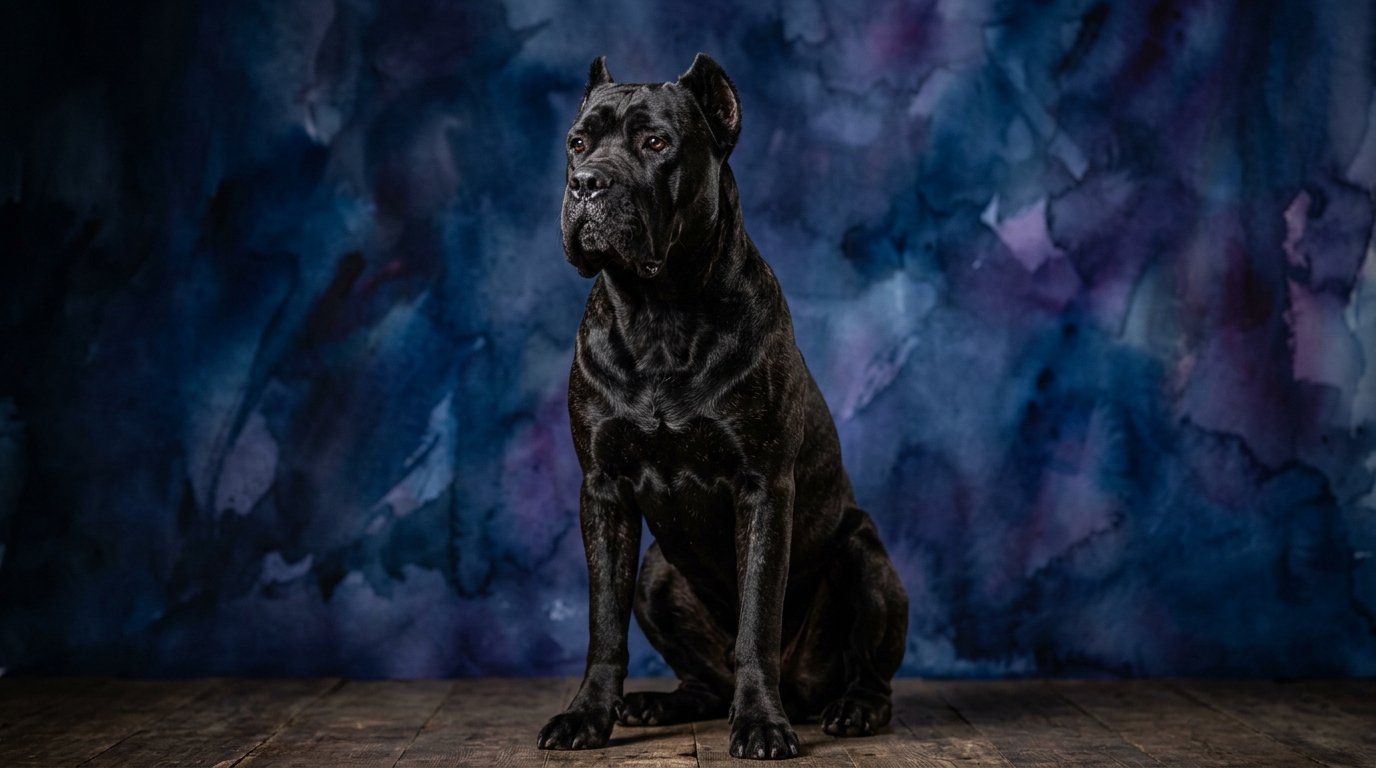
**Cane Corso (Not Coren-ranked):** The formidable Cane Corso presents a more balanced, though generally lower, cognitive profile. Their Problem Solving is rated at 3/5, indicating practical intelligence focused on direct tasks rather than abstract challenges. Training Speed is a moderate 3/5, suggesting a reasonable willingness to learn and respond to direction. Social Intelligence mirrors the Malamute at 3/5, denoting a reserved yet loyal demeanor. Instinctive Drive is also 3/5, pointing to a manageable drive primarily focused on guarding and protection rather than extensive roaming. Their Memory is rated 3/5, providing reliable recall for training and familiar situations.
Where the Alaskan Malamute Wins Cognitively
The Alaskan Malamute clearly stands out in its **problem-solving (4/5)** and profound **instinctive drive (5/5)**. Their superior problem-solving acumen means they are adept at figuring out complex environmental challenges, such as how to open latches, bypass fences, or even strategize to obtain a coveted toy. This ingenuity, combined with their exceptional memory (4/5), allows them to retain these solutions and apply them repeatedly, making them incredibly resourceful, though sometimes frustratingly clever, companions. This cognitive strength means they thrive on puzzles and complex tasks that engage their independent thinking. Their profound instinctive drive, rooted in their heritage as powerful sled dogs, also means they possess an unparalleled endurance and intrinsic motivation for physically demanding tasks, thriving on challenges that engage their core nature. This high drive, while requiring careful management, represents a deep well of intrinsic motivation that can be channeled into impressive feats of strength and stamina, making them excel in endurance sports and working roles.
Where the Cane Corso Wins Cognitively
While the Cane Corso doesn't boast higher scores in individual cognitive dimensions compared to the Malamute, its strengths lie in the **practical application and balance of its traits**. The Cane Corso’s **training speed (3/5)** is equal to its problem-solving and memory scores, suggesting a more consistent and predictable learning curve. Unlike the Malamute, whose lower training speed (2/5) can clash with its high problem-solving, the Cane Corso’s cognitive profile is more harmonious, making it generally more receptive to direct instruction and less prone to independent decision-making that diverges from handler expectations. This consistency in their cognitive abilities allows for a more straightforward training experience. Its balanced **instinctive drive (3/5)**, primarily geared towards protection, is also a distinct advantage; it means their powerful guardian instincts are manageable and channelable, leading to a dog that can be reliably protective without the overwhelming wanderlust or intense prey drive often seen in the Malamute. This predictability in channeling their drives makes them highly effective in their intended roles as loyal protectors and family guardians.
Which is Easier to Train and Why
The Cane Corso generally presents as the easier breed to train due to its **training speed (3/5)** and more balanced **instinctive drive (3/5)**. Their moderate problem-solving (3/5) and social intelligence (3/5) mean they are receptive to learning and tend to focus on pleasing their primary handler, responding well to consistent, firm, and positive reinforcement. Their protective instincts, while strong, are typically directed and manageable, making it easier to integrate them into a structured training regimen without constant battles against independent desires. They are often eager to understand and fulfill their role within the family structure, contributing to their compliance and focus during training sessions.
In contrast, the Alaskan Malamute's lower **training speed (2/5)** combined with its exceptionally high **instinctive drive (5/5)** and **problem-solving (4/5)** means training often becomes a negotiation. Malamutes possess a strong will and an independent streak; they quickly learn how to achieve their own goals, which may not always align with what is being taught, making consistency, patience, and creative motivation paramount. Their powerful wanderlust and prey drive demand constant vigilance and creative engagement to maintain focus during training sessions, as they are easily distracted by environmental stimuli that appeal to their deep-seated instincts. Their intelligence often manifests as finding loopholes rather than immediate obedience.
Suitability for Active vs. Relaxed Owners
The **Alaskan Malamute** is unequivocally suited for **active owners** who thrive on outdoor adventures and can provide extensive physical and mental stimulation. Their immense **instinctive drive (5/5)** for pulling, exploring, and high endurance activities means they require daily, vigorous exercise that goes beyond a simple walk around the block. Owners must be prepared for long hikes, sledding, skijoring, or other demanding activities that engage their powerful working heritage, channeling their energy constructively. Their high **problem-solving (4/5)** also necessitates mental challenges through training and enrichment to prevent boredom and the onset of destructive behaviors or escape attempts. They are not content with a sedentary lifestyle and will actively seek ways to entertain themselves if their needs are unmet, often to the detriment of household items.
Conversely, the **Cane Corso**, while still requiring regular exercise, is a better fit for owners who might be **less intensely active** but still committed to daily walks and structured engagement. Their moderate **instinctive drive (3/5)** for guarding means their exercise needs are more focused on consistent activity and mental stimulation through training and interaction, rather than extreme endurance. They appreciate a calm household once their needs are met, making them suitable for owners who enjoy a more relaxed pace but still prioritize their dog's well-being and purpose. Their loyalty and desire to be near their family make them excellent companions for those who value a strong bond without the relentless physical demands of a high-drive working dog.
The Verdict
Choose the Alaskan Malamute if you are an experienced, highly active owner who relishes a cognitive challenge, thrives on outdoor adventure, and can consistently manage a strong-willed, independent, and incredibly clever companion with significant exercise demands.
Choose the Cane Corso if you are seeking a steadfast, protective, and trainable companion who responds well to clear direction, appreciates a purposeful role, and fits into a moderately active household that values consistency and loyalty.
🧠 Find Your Pet's IQ Score
Our Pet IQ Lab assessment covers 25+ tests across 5 cognitive dimensions — personalized to your breed.
Take the Full IQ Test →Frequently Asked Questions
How does 'instinctive drive' impact daily life for these breeds?
For the Malamute, a 5/5 instinctive drive translates to a strong urge to pull, roam, and chase, demanding extensive physical outlets and secure containment to prevent escape. For the Cane Corso, a 3/5 drive primarily manifests as a protective instinct towards its family and territory, requiring clear boundaries and socialization to manage effectively.
What kind of mental enrichment is best for each breed given their problem-solving scores?
The Malamute, with its 4/5 problem-solving, benefits from complex puzzle toys, scent work, and opportunities to figure out challenges independently, like navigating new trails. The Cane Corso, at 3/5, thrives on obedience training, agility, and tasks that engage its protective nature, such as advanced 'stay' commands or structured 'guard' duties.
Do their social intelligence scores mean they are similar with other pets or strangers?
Both breeds have a 3/5 social intelligence, indicating they can form bonds but are often selective. The Malamute might be more prone to prey drive with smaller animals or independent with other dogs. The Cane Corso tends to be watchful and reserved with strangers, requiring careful, early socialization to ensure appropriate interactions rather than suspicion.