
Side-by-Side Cognitive Profiles: Malamute vs. Crested
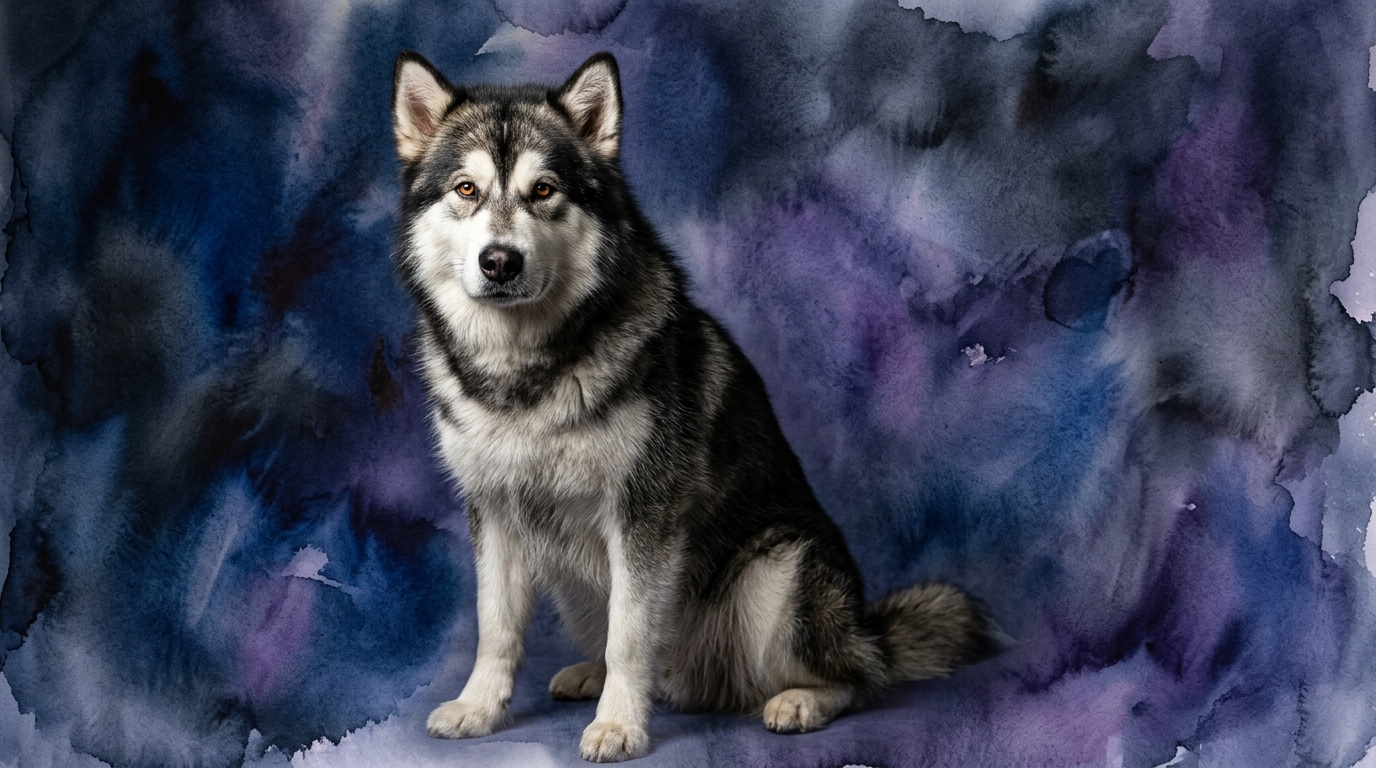
The Cosmic Pet Pet IQ Lab provides a nuanced view of canine intelligence across five key dimensions. For the Alaskan Malamute, a dog from the Working Group, we observe a Coren rank of #50, placing them in the average category for obedience intelligence. Their IQ scores are: Problem Solving 4/5, Training Speed 2/5, Social Intelligence 3/5, Instinctive Drive 5/5, and Memory 4/5. This profile suggests a highly resourceful and driven animal with a strong will.
Breaking down the Malamute’s scores, a 4/5 in Problem Solving indicates a resourceful mind, capable of assessing situations and devising solutions, whether it's figuring out how to open a gate or navigating a complex trail independently. Their 2/5 in Training Speed, however, points to an independent nature; they are slower to grasp new commands and often weigh whether a command aligns with their own agenda. This requires trainers to be exceptionally patient, consistent, and creative with motivation. Social Intelligence at 3/5 suggests they are capable of forming strong bonds and understanding human cues, but are not overly eager to please or highly attuned to subtle emotional shifts. The 5/5 in Instinctive Drive is an unparalleled score, reflecting their heritage as Arctic sled dogs, translating into a profound need for physical activity, pulling, exploring, and a strong prey drive. Lastly, their 4/5 Memory means they have excellent retention of learned experiences and spatial information, remembering both positive and negative associations with remarkable clarity.
In contrast, the Chinese Crested, a dog from the Toy Group, is not Coren-ranked, which is common for many companion breeds whose primary role isn't obedience or working tasks. Their IQ scores paint a different picture: Problem Solving 3/5, Training Speed 3/5, Social Intelligence 3/5, Instinctive Drive 3/5, and Memory 3/5. This profile suggests a generally balanced and adaptable companion.
For the Chinese Crested, a 3/5 in Problem Solving indicates they are capable of basic puzzle-solving and can navigate simple challenges, but may not excel at complex, multi-step tasks requiring deep analytical thought. Their 3/5 in Training Speed suggests a moderate pace for learning new commands and tricks; they are generally amenable to instruction and respond well to positive reinforcement, making them a rewarding breed for many owners. Social Intelligence, also at 3/5, means they form strong attachments and understand human cues, often expressing this through their devoted companionship. An Instinctive Drive of 3/5 signifies they enjoy play and interaction but aren't typically consumed by intense working instincts; their energy needs are manageable, and they are content with a more domesticated lifestyle. Finally, their 3/5 Memory indicates average retention of routines and familiar people, making them reliable in established environments, though perhaps not with the detailed recall of a Malamute.
Where the Alaskan Malamute Excels Cognitively
The Alaskan Malamute's cognitive strengths are deeply rooted in their history as robust working dogs. Their exceptional 4/5 Problem Solving score means they possess a remarkable capacity for independent thought and resourcefulness. Unlike breeds that might wait for direction, a Malamute is often observed assessing situations and devising solutions, a crucial trait for a dog expected to navigate challenging terrain or adverse conditions without constant human intervention. This cognitive independence allows them to adapt creatively when faced with obstacles, making them adept at tasks requiring ingenuity.
Furthermore, their unparalleled 5/5 Instinctive Drive sets them apart. This isn't just about physical energy; it’s a profound internal motivation to engage with their environment and fulfill their innate purpose. This drive, combined with a 4/5 Memory, enables them to learn complex routes, remember crucial landmarks, and retain intricate sequences of tasks over time. They are built for purpose-driven activities, excelling in scenarios where their innate drives for pulling, exploring, and enduring contribute to a larger goal, making them formidable partners in demanding environments.
Where the Chinese Crested Shines Cognitively
While the Alaskan Malamute embodies a rugged, independent intelligence, the Chinese Crested offers a different, equally valuable set of cognitive advantages, particularly for a companion animal. Their most notable 'win' when directly compared to the Malamute is their Training Speed, scoring 3/5 against the Malamute's 2/5. This means the Chinese Crested is generally more amenable to learning new commands and tricks at a quicker, more consistent pace, making them a more straightforward prospect for basic obedience and trick training.
Additionally, while their Social Intelligence is rated the same at 3/5, the manifestation differs. The Crested's social aptitude is often channeled into forming deep, affectionate bonds with their human companions, making them highly attuned to household dynamics and emotionally responsive in a way that prioritizes companionship. Their moderate 3/5 Instinctive Drive, while lower than the Malamute’s, can also be a cognitive advantage for specific owners. It translates to fewer overwhelming urges to chase, roam, or dig, making them naturally more content within a domestic setting and less prone to the behavioral challenges associated with extremely high, unchanneled drives. This cognitive profile allows them to integrate smoothly into varied home environments, requiring less intense management of innate urges.
Which Is Easier to Train and Why
When it comes to ease of training, The Cosmic Pet Pet IQ Lab data clearly indicates the Chinese Crested holds an advantage. Their Training Speed of 3/5 signifies a moderate willingness to learn and a good capacity for retaining new commands, especially with consistent positive reinforcement. They tend to be attentive and eager to please their owners, making basic obedience and house-training a relatively smooth process for most dedicated individuals.
The Alaskan Malamute, by contrast, presents a more significant training challenge with a Training Speed of 2/5. This score reflects their profound independence and strong will. Malamutes are not inherently driven by a desire to please; they are thinkers who will often assess whether a command serves their own interests or makes sense to them. Their extremely high 5/5 Instinctive Drive can also interfere with training, as their innate urges to explore, pull, or chase can easily override a handler's commands. Training a Malamute requires immense patience, creativity, and a firm, consistent approach that respects their intelligence while establishing clear boundaries, often best suited for experienced dog owners who understand how to motivate an independent working breed.
Which Suits Active Owners vs. Relaxed Owners
The distinct cognitive profiles of the Alaskan Malamute and Chinese Crested offer clear guidance for matching them with appropriate lifestyles. The Malamute, with its 5/5 Instinctive Drive and 4/5 Problem Solving, is unequivocally suited for highly active, experienced owners. These dogs thrive when given a 'job' and require extensive physical exercise, such as long hikes, jogging, or even dog sports like sledding or canicross. Their cognitive need for problem-solving also means they need mental stimulation through complex training, puzzle toys, and varied environments. Owners who are prepared for a strong-willed, adventurous companion who needs consistent engagement to prevent boredom and destructive behaviors will find a Malamute a rewarding, albeit demanding, partner.
Conversely, the Chinese Crested, with its moderate 3/5 scores across most IQ dimensions, is an excellent fit for more relaxed owners. While they certainly enjoy daily walks and playtime, their overall energy and instinctive drive are manageable within a quieter home environment. Their moderate training speed makes them adaptable to various household routines, and their social intelligence ensures they are happy to be a devoted companion, content with cuddles and indoor activities alongside their human family. Owners seeking an affectionate, lower-maintenance dog who doesn't demand extreme physical or mental exertion will find the Chinese Crested to be a delightful and adaptable addition to their lives.
The Verdict
Choose an Alaskan Malamute if you are an experienced, active owner seeking a resourceful, independent working companion who thrives on challenging tasks and extensive outdoor activity. Be prepared for their strong will and high drive.
Opt for a Chinese Crested if you desire a more adaptable, companion-focused dog that learns at a moderate pace and fits well into a relaxed home environment, offering affectionate loyalty without extreme demands for physical exertion.
🧠 Find Your Pet's IQ Score
Our Pet IQ Lab assessment covers 25+ tests across 5 cognitive dimensions — personalized to your breed.
Take the Full IQ Test →Frequently Asked Questions
Does Coren's ranking reflect a dog's overall intelligence?
Coren's ranking primarily assesses 'obedience and working intelligence,' focusing on how quickly a dog learns and obeys commands. It doesn't fully capture the breadth of canine cognition, such as problem-solving or social intelligence, which are vital aspects of a dog's overall mental capacity and the focus of The Cosmic Pet IQ Lab's broader assessment.
Can a Chinese Crested excel at dog sports despite its lower instinctive drive score?
Absolutely. While their instinctive drive is moderate, Chinese Cresteds are often agile and enjoy activities like agility or obedience. Their moderate training speed means they can learn complex sequences, and with positive reinforcement, they can achieve great success and enjoyment in various dog sports, often thriving on the attention and interaction.
How does the Alaskan Malamute's high instinctive drive impact daily life?
A Malamute's 5/5 instinctive drive means they possess powerful urges for activities like pulling, exploring, and sometimes chasing. This necessitates consistent physical exercise, robust mental stimulation through puzzle toys or training, and secure containment to prevent them from following their strong exploratory instincts, which can lead to escaping or destructive behaviors if unfulfilled.