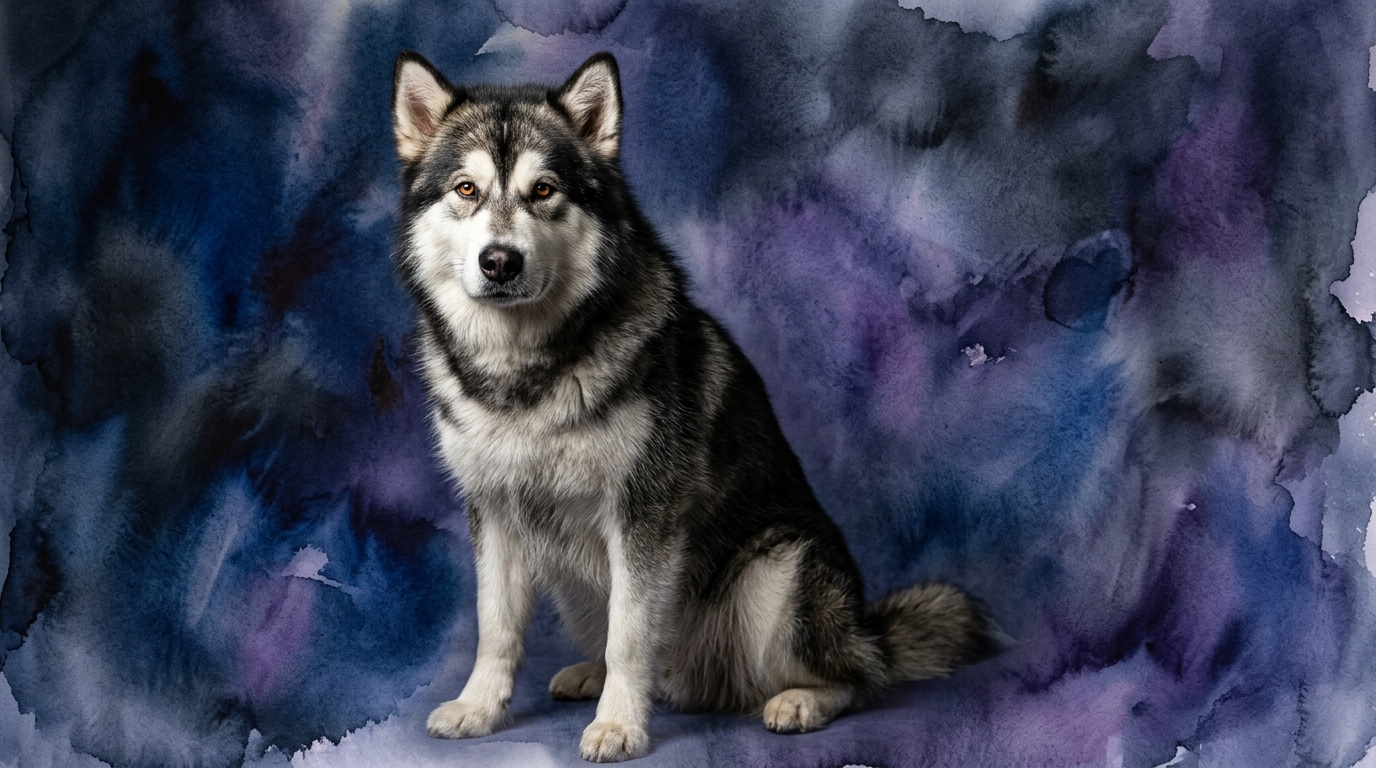
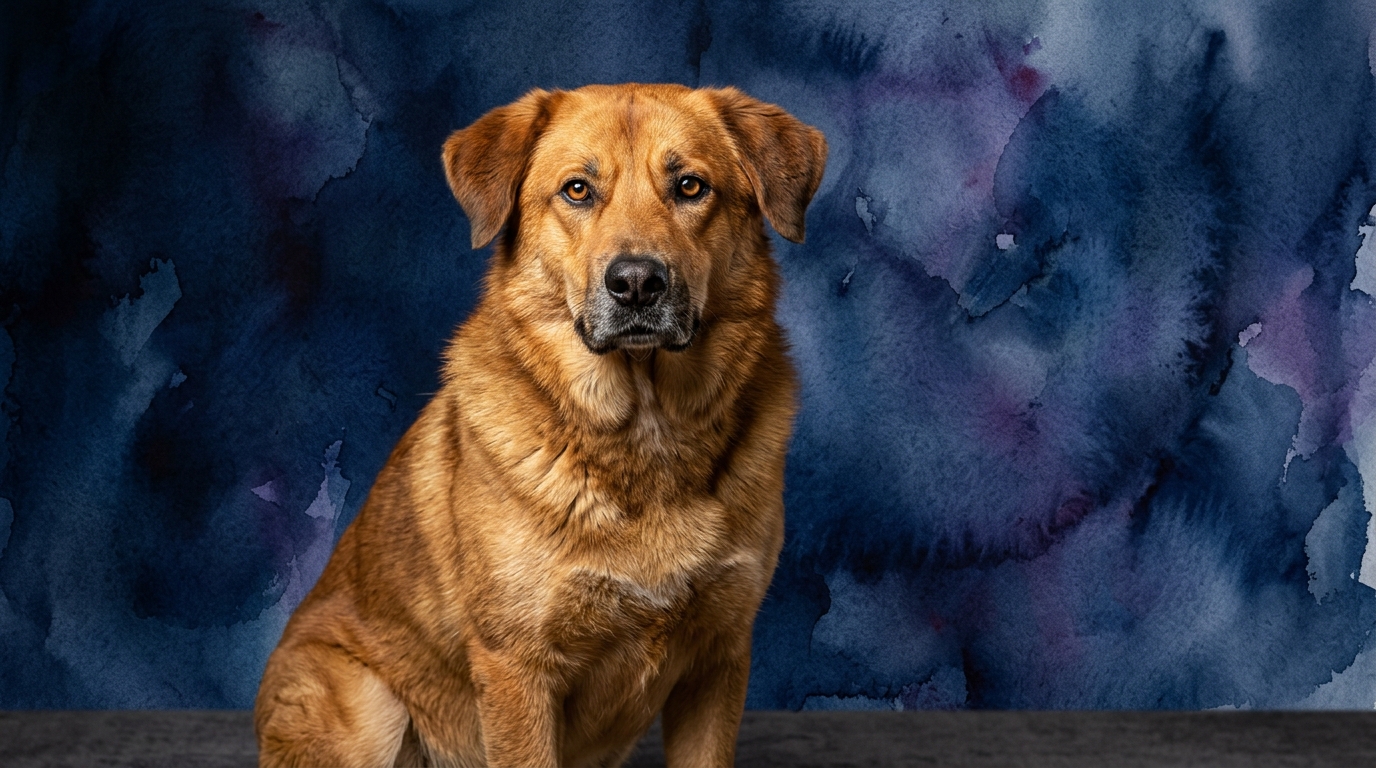
Side-by-Side Cognitive Profiles: Malamute vs. Chinook
The Cosmic Pet Pet IQ Lab provides a unique lens through which to examine the cognitive strengths of these two impressive breeds. The Alaskan Malamute, a powerful freighting dog, shows a Problem Solving score of 4/5, indicating a strong capacity for independent thought and overcoming obstacles. Its Training Speed is rated at 2/5, suggesting a more deliberate or perhaps independent approach to learning commands. Social Intelligence stands at 3/5, reflecting a moderate ability to interpret cues and interact with others. Crucially, its Instinctive Drive is a commanding 5/5, highlighting an inherent, powerful urge to perform its traditional working roles. Memory for the Malamute is robust at 4/5, meaning it retains information and learned behaviors effectively over time.
In contrast, the Chinook, developed as a sled dog with a focus on speed and versatility, presents a slightly different cognitive picture. Its Problem Solving score is 3/5, indicating competence but perhaps less independent ingenuity compared to the Malamute. Training Speed is rated 3/5, suggesting a more amenable and quicker response to instruction. Social Intelligence matches the Malamute at 3/5, showing similar aptitude for social dynamics. The Chinook's Instinctive Drive is 3/5, present but less intense than the Malamute's, reflecting a balanced working drive rather than extreme specialization. Memory for the Chinook registers at 3/5, indicating a solid ability to recall information, though perhaps not with the same depth as the Malamute.
Where the Alaskan Malamute Shows Cognitive Advantages
The Alaskan Malamute clearly demonstrates a cognitive edge in areas demanding independent thought and sustained effort. Its 4/5 Problem Solving score means a Malamute is more likely to devise its own solutions to challenges, such as figuring out how to open a gate or navigate a complex scent trail. This aptitude stems from its history as a lead sled dog, often making decisions in challenging terrain without direct human intervention. This cognitive strength, however, can translate into a propensity for mischief if not properly channeled through engaging mental enrichment.
Furthermore, the Malamute's Instinctive Drive, rated 5/5, is a profound cognitive asset for specific tasks. This intense internal motivation fuels its relentless work ethic and endurance, making it exceptional in activities requiring sustained physical and mental output, like long-distance hauling or demanding outdoor adventures. This deep-seated drive means the Malamute is inherently compelled to engage in purposeful activity. Its 4/5 Memory score also indicates a superior ability to recall complex sequences and learned patterns, which, while sometimes challenging to instill due to its independent nature, once learned, are deeply ingrained.
Where the Chinook Holds Cognitive Strengths
The Chinook's primary cognitive strength lies in its Training Speed, scoring 3/5 compared to the Malamute's 2/5. This indicates a greater willingness to engage with human instruction and a quicker grasp of new commands and routines. Chinooks tend to be more responsive and eager to please, making the initial stages of training potentially smoother and less demanding for an owner. This faster uptake in training suggests a dog that is often more cooperative and attentive to human cues during learning sessions, rather than relying solely on its own initiative.
While its individual scores might not reach the Malamute's peaks in specific areas, the Chinook's balanced cognitive profile across Problem Solving (3/5), Social Intelligence (3/5), Instinctive Drive (3/5), and Memory (3/5) points to a versatile and adaptable mind. This equilibrium means the Chinook is generally competent across various cognitive tasks without exhibiting extremes in independence or drive, potentially making it a more predictable and consistently agreeable companion in a broader range of domestic and activity settings. Its social intelligence, matching the Malamute, ensures it is equally adept at understanding and navigating complex interpersonal dynamics within its family unit.
Ease of Training: Behavioral Differences Unveiled
When considering which breed is easier to train, the Chinook generally presents a more straightforward experience for most owners. Its Training Speed score of 3/5 reflects a greater eagerness to cooperate and a quicker understanding of commands. Chinooks are often described as having a 'people-pleasing' disposition, which translates into a higher motivation to perform requested actions and respond positively to guidance. They tend to be less prone to the independent decision-making that can sometimes characterize the Malamute, making them more receptive to consistent training methods.
The Alaskan Malamute, with its 2/5 Training Speed, requires a more patient and experienced hand. Their strong Problem Solving ability and formidable Instinctive Drive often mean they question commands or choose to pursue their own interests if they perceive a better option. This isn't a lack of comprehension, but rather a strong sense of self-direction. Training a Malamute often involves convincing them that cooperation is beneficial, rather than simply expecting compliance. Their independence means they might require more repetitions or more compelling motivation to solidify new behaviors, and they can be quite adept at testing boundaries.
Suitability for Active vs. Relaxed Owners
For the exceptionally active owner, the Alaskan Malamute is an ideal partner. Its 5/5 Instinctive Drive demands a lifestyle filled with purpose and vigorous activity, such as long hikes, sledding, or carting. Owners who thrive on outdoor adventures and can provide consistent, challenging physical and mental engagement will find the Malamute to be an unparalleled companion. This breed thrives on having a 'job' and requires an owner who understands how to channel its powerful drive and independent problem-solving skills into constructive outlets, preventing boredom and potential destructive behaviors.
The Chinook, while certainly an active breed, offers a more adaptable energy level that can suit active owners who might not be seeking the Malamute's extreme intensity. Its 3/5 Instinctive Drive means it enjoys regular exercise and engagement but might be more content with varied activities like jogging, hiking, or agility, without the same relentless demand for heavy work. For owners who are active but also appreciate a dog that can transition more easily into a relaxed home environment after exercise, the Chinook's balanced temperament and quicker training speed make it a highly suitable choice. It's a breed that appreciates shared activities but also values downtime with its family.
The Verdict
Choose the Alaskan Malamute if you are a highly experienced, dedicated owner seeking a robust, independent working companion for extreme outdoor pursuits and can commit to extensive training and mental stimulation.
Opt for the Chinook if you desire an active, versatile companion that is generally more biddable and quicker to train, offering a balanced blend of athleticism and family-oriented temperament for varied active lifestyles.
🧠 Find Your Pet's IQ Score
Our Pet IQ Lab assessment covers 25+ tests across 5 cognitive dimensions — personalized to your breed.
Take the Full IQ Test →Frequently Asked Questions
Do Alaskan Malamutes and Chinooks get along with other pets?
Both breeds possess a 3/5 Social Intelligence score, suggesting they can learn to coexist with other pets, especially if introduced early and socialized well. However, the Malamute's strong 5/5 Instinctive Drive, particularly its prey drive, may require more careful management around smaller animals than the Chinook's more moderate 3/5 drive.
Which breed is better for first-time dog owners?
Given its 3/5 Training Speed and more balanced Instinctive Drive, the Chinook is generally considered more suitable for first-time dog owners who are committed to consistent training. The Alaskan Malamute's independence and lower Training Speed (2/5) typically require more experience and patience from an owner.
How important is mental stimulation for these breeds?
Mental stimulation is crucial for both breeds to prevent boredom and unwanted behaviors. The Alaskan Malamute, with its 4/5 Problem Solving and 4/5 Memory, thrives on complex tasks and puzzles, while the Chinook, with its balanced 3/5 scores across the board, benefits from consistent training, interactive games, and varied learning opportunities to keep its mind engaged.