Side-by-Side IQ Profile: Alaskan Malamute vs. Cirneco dell'Etna
The Cosmic Pet Pet IQ Lab provides a structured way to understand canine cognition, breaking down intelligence into five key dimensions. For the Alaskan Malamute, a working breed, their profile highlights strengths aligned with their historical roles, while the hound-type Cirneco dell'Etna showcases cognitive traits suited to its ancestral purpose.
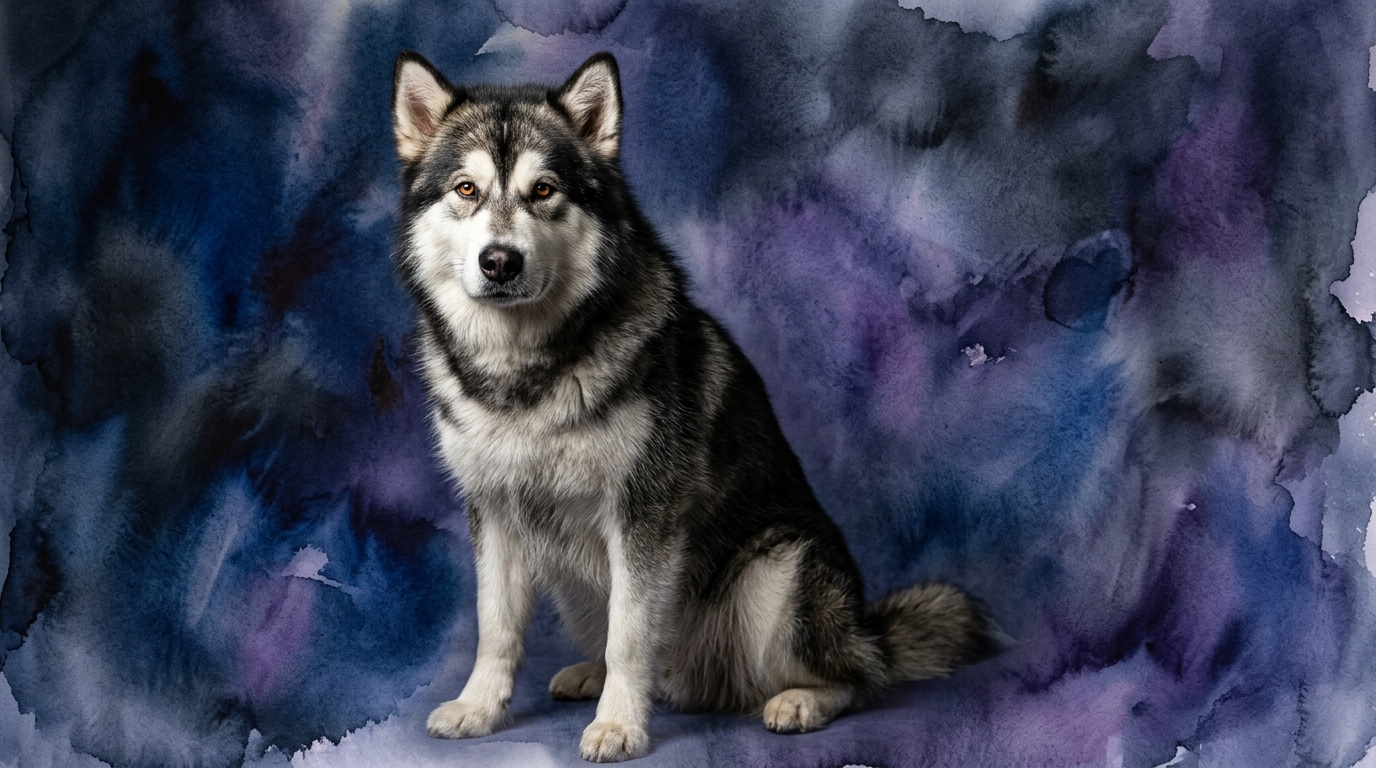
The Alaskan Malamute, Coren-ranked #50, demonstrates a Problem Solving score of 4/5, indicating a high capacity for independent thought and devising ingenious solutions. Their Training Speed is 2/5, reflecting an independent nature that requires patience. Social Intelligence stands at 3/5, showing moderate understanding of cues, while an impressive Instinctive Drive of 5/5 underscores their powerful urges for physical tasks. Finally, their Memory is strong at 4/5, crucial for recalling complex routines and routes.
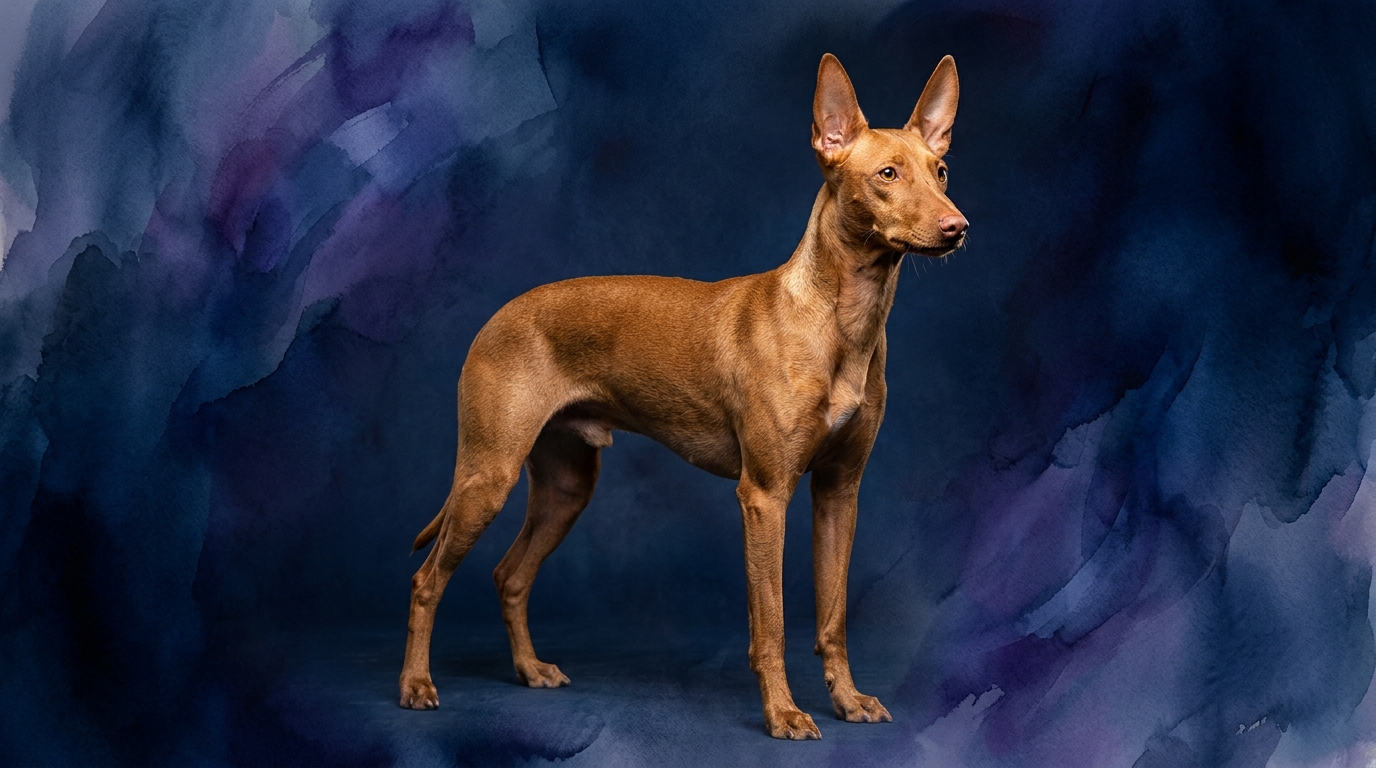
The Cirneco dell'Etna, a hound breed not Coren-ranked, presents a balanced cognitive profile. Their Problem Solving is 3/5, suggesting practical acumen in their environment. Training Speed is 3/5, indicating a moderate ability to learn with proper motivation. Social Intelligence is 3/5, signifying good family bonds but often reservation with strangers. Instinctive Drive is 3/5, centered around visual hunting, and their Memory is 3/5, decent for routines and familiar contexts.
Where the Alaskan Malamute Wins Cognitively
The Alaskan Malamute distinguishes itself with a superior Problem Solving capacity, often demonstrating remarkable ingenuity. This isn't merely about following directions; it's about figuring out how to achieve a desired outcome independently, whether it's strategically dismantling a 'dog-proof' gate or devising a complex route to a hidden treat. Their strong will often fuels this drive to find solutions, even if it means bending the rules. Coupled with an exceptional Instinctive Drive, Malamutes display a profound cognitive commitment to purpose-driven tasks. Their historical role as endurance sled dogs means they possess an inherent mental fortitude for sustained effort and navigating challenging environments, a deep-seated cognitive blueprint for work that few breeds can match. Furthermore, their Memory for intricate routes, past events, and learned sequences is robust, enabling them to recall complex information vital for their historical working roles, making them reliable in predictable yet demanding situations.
Where the Cirneco dell'Etna Wins Cognitively
While not outscoring the Malamute in every dimension, the Cirneco dell'Etna holds a subtle advantage in Training Speed. Unlike the Malamute's independent streak, Cirnecos are often more amenable to learning new commands with positive reinforcement, provided the environment is engaging and free from overwhelming distractions. Their cognitive process in training tends to be less about 'what's in it for me?' and more about cooperative engagement, albeit with a short attention span if not stimulated. Their cognitive strengths truly shine in their specialized domain: acute sensory processing, particularly visual. While not directly an IQ metric, their ability to rapidly process visual stimuli and react with incredible agility and precision during pursuit is a testament to their highly efficient, specialized cognitive wiring for hunting. This translates into a swiftness of perception and reaction that is central to their breed identity and a different form of problem-solving efficiency compared to the Malamute's more deliberate approach.
Which is Easier to Train and Why
Based on their respective 'Training Speed' scores, the Cirneco dell'Etna (3/5) is generally considered easier to train than the Alaskan Malamute (2/5). The Cirneco, while possessing a hound's independent spirit, is often more responsive to positive reinforcement and eager to please its family, especially when training sessions are kept short, fun, and engaging. Their focus can be fleeting due to their keen senses, but they typically don't exhibit the same level of stubbornness or questioning of commands as a Malamute.
The Alaskan Malamute's lower training speed score stems from their pronounced independence and strong instinctive drives. They are intelligent enough to understand commands but often choose whether or not to comply based on their own assessment of the situation or their immediate desires. Their deep-seated problem-solving ability can sometimes manifest as figuring out ways *around* commands or using their intelligence to achieve their own goals, rather than adhering strictly to human directives. Training a Malamute requires an owner who understands their working dog mentality, provides clear and consistent leadership, and offers compelling motivation to make tasks worthwhile. It's a partnership built on mutual respect and understanding of their inherent drives, rather than simple obedience.
Which Suits Active Owners vs. Relaxed Owners
For active owners, the Alaskan Malamute is undeniably the better fit. Their exceptional Instinctive Drive and robust Problem Solving capacity mean they demand significant mental and physical engagement daily. An active owner for a Malamute isn't just someone who enjoys long walks; it's someone prepared to provide hours of purposeful activity, whether it's hiking, skijoring, carting, or engaging in advanced obedience and puzzle-solving games. Without adequate outlets for their powerful drives and clever minds, Malamutes can become bored, destructive, or vocal, using their problem-solving skills to create their own entertainment, which often clashes with human expectations.
For relaxed owners, neither breed is truly suited for a sedentary lifestyle, but the Cirneco dell'Etna is comparatively a more manageable choice. While they still require regular exercise to satisfy their moderate Instinctive Drive and maintain physical health, their needs are typically less intense and demanding than a Malamute's. A Cirneco will thrive with daily walks, opportunities for off-leash running in secure areas, and interactive play sessions. They don't possess the same deep-seated need for a 'job' or the endurance for hours of sustained activity that defines the Malamute. They are generally content to relax indoors with their family after their exercise needs are met, making them a better fit for owners who enjoy activity but don't live an extreme outdoor adventure lifestyle.
The Verdict
Select the Alaskan Malamute if you are an experienced dog owner eager to commit to providing consistent, challenging mental and physical engagement, appreciating a strong-willed, problem-solving companion for demanding outdoor adventures or specific working dog sports.
Opt for the Cirneco dell'Etna if you seek a moderately active, charming, and somewhat independent companion who thrives on regular exercise, interactive play, and can be a devoted family member without requiring the intense 'working dog' lifestyle.
🧠 Find Your Pet's IQ Score
Our Pet IQ Lab assessment covers 25+ tests across 5 cognitive dimensions — personalized to your breed.
Take the Full IQ Test →Frequently Asked Questions
Are Alaskan Malamutes considered stubborn during training?
Malamutes often exhibit a strong independent streak, which can be perceived as stubbornness. Their high problem-solving ability means they may question commands, evaluating if compliance is worth their effort or if there's a more efficient way to achieve their own goals.
Do Cirneco dell'Etna dogs require a lot of exercise?
Cirnecos are moderately active dogs that need regular exercise, including daily walks and opportunities to run in a secure area to satisfy their sighthound instincts. While not as demanding as a Malamute, they are not couch potatoes and thrive on consistent physical activity.
Which breed is better suited for a first-time dog owner?
Neither breed is typically recommended for first-time owners without prior research and commitment, but the Cirneco dell'Etna might be slightly more manageable due to their moderate training speed and less intense drives. The Alaskan Malamute's strong will and high needs require an experienced hand.