Side-by-Side IQ Profile: Alaskan Malamute vs. Gordon Setter
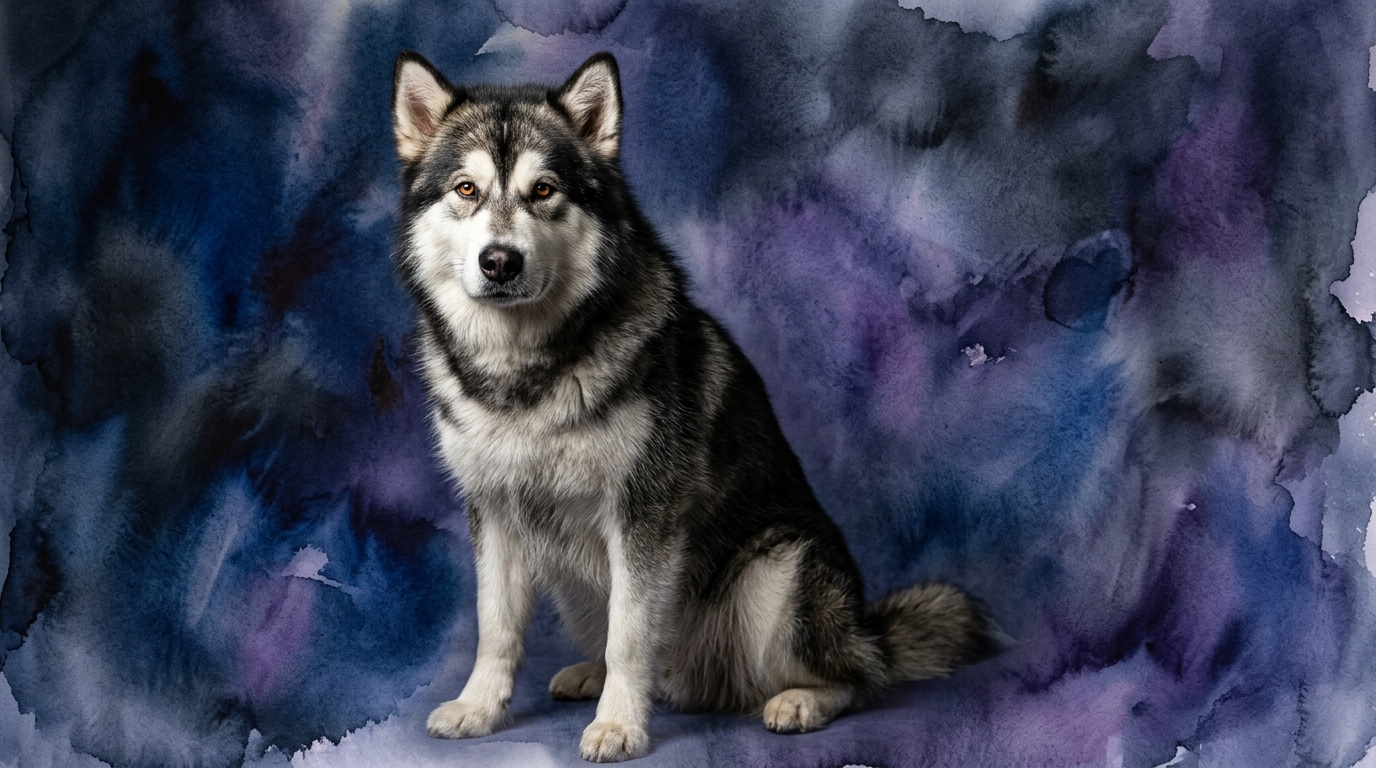
The Alaskan Malamute, a Working breed ranked Coren #50, demonstrates a unique cognitive blend forged by its demanding ancestral tasks. Its Problem Solving is rated 4/5, indicating robust capabilities in navigating complex physical environments and resourcefully overcoming obstacles independently. Training Speed is 2/5, reflecting a strong-willed nature that processes commands but requires significant motivation and repetition for consistent compliance. Social Intelligence is 3/5, showing an ability to form deep bonds and understand social cues, yet often maintaining an independent demeanor. An exceptional Instinctive Drive of 5/5 fuels their powerful urges for pulling, digging, and exploration, making their inherent motivations a central aspect of their intellect. Finally, their Memory is 4/5, ensuring they retain lessons, routines, and navigational information over time, even if their application of this memory is often self-directed.
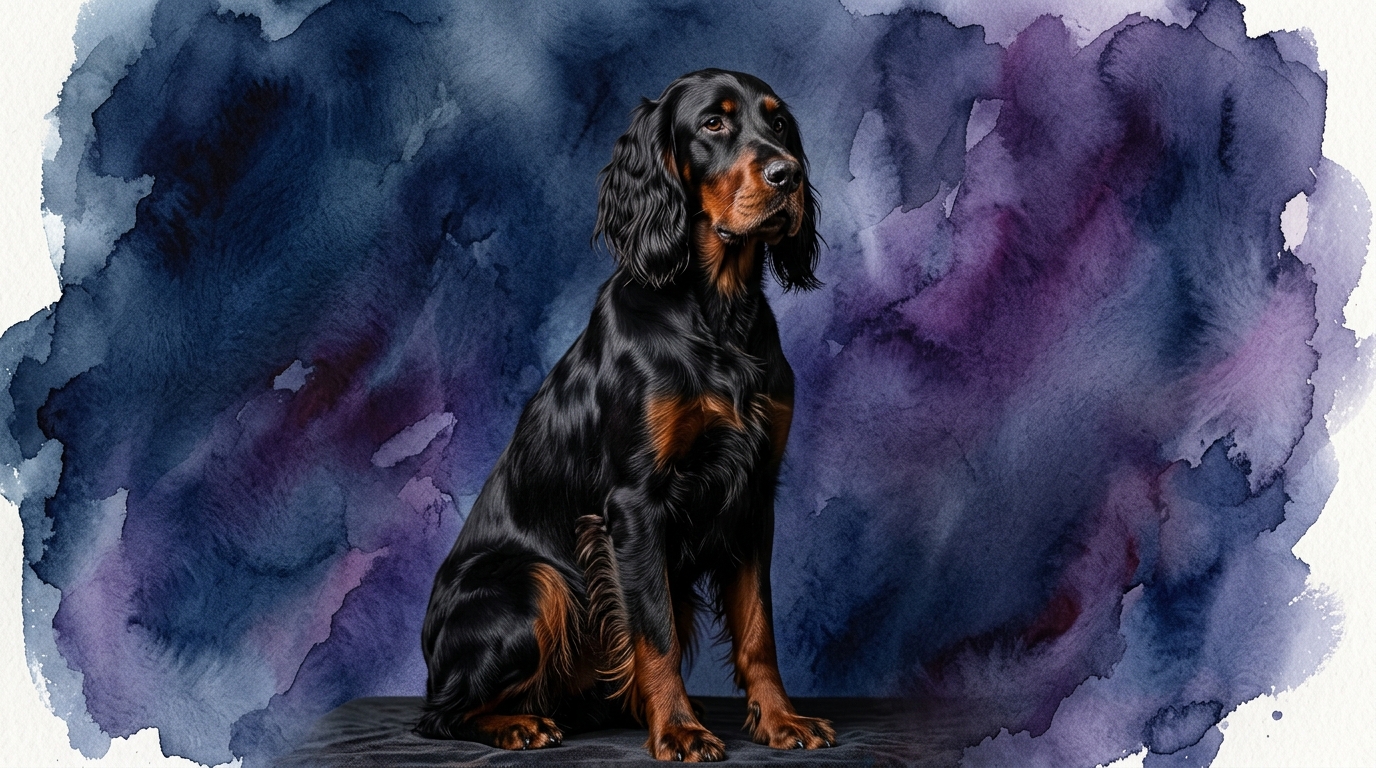
In contrast, the Gordon Setter, a Sporting breed ranked Coren #39, presents a cognitive profile geared towards cooperative fieldwork. Its Problem Solving also scores 4/5, showcasing an aptitude for strategic thinking and adaptability within structured hunting scenarios, such as locating game. Training Speed is 4/5, highlighting a commendable ability to grasp new commands and concepts quickly, driven by an eagerness to cooperate. Social Intelligence is 3/5, indicating a sensitive understanding of human emotions and strong family attachments, though their focus may be more attuned to immediate family than broader social dynamics. Their Instinctive Drive is 3/5, specialized for scenting, pointing, and retrieving, a focused drive rather than the broad physical exertion seen in working breeds. Like the Malamute, their Memory is 4/5, vital for recalling complex scent trails, field patterns, and intricate command sequences necessary for success in their specialized roles.
Where the Alaskan Malamute Wins Cognitively
The Alaskan Malamute distinguishes itself with an unparalleled instinctive drive, rated 5/5, which fuels their extraordinary endurance and determination. This cognitive strength translates into an unmatched capacity for sustained physical and mental effort, particularly in activities like weight pulling, sledding, or extensive hiking where sheer willpower and stamina are paramount. Their problem-solving (4/5) often shines in scenarios demanding independent resourcefulness, such as finding a way around an obstacle in a wilderness setting or figuring out how to access a desired item, demonstrating a practical, self-reliant intelligence honed by generations of survival. While their training speed is lower, their robust memory (4/5) ensures they retain these lessons, even if their application is often driven by their own assessment of the situation rather than immediate handler compliance.
Where the Gordon Setter Wins Cognitively
The Gordon Setter’s cognitive strengths are particularly evident in its superior training speed, scoring 4/5, which allows them to master new commands and complex routines with remarkable efficiency. This rapid assimilation of information, combined with a strong memory (4/5), makes them exceptional candidates for obedience, agility, and field trials where precision and quick responses are valued. Their problem-solving (4/5) excels in tasks requiring focused attention and strategic decision-making within a structured context, such as systematically quartering a field for game or navigating an intricate agility course. They excel at understanding and executing multi-step instructions, demonstrating a focused intelligence geared towards cooperative work.
Which is Easier to Train and Why
When considering ease of training, the Gordon Setter clearly holds an advantage due to its 4/5 training speed compared to the Alaskan Malamute's 2/5. Gordon Setters exhibit a natural biddability and eagerness to please, making them highly receptive to instruction and quick to form associations between commands and actions. Their inherent desire to work cooperatively with their handler means they often require less repetition and are more forgiving of handler errors. In contrast, the Alaskan Malamute's profound independence and high instinctive drive (5/5) mean they often question the necessity of a command or prefer to follow their own agenda. While they are capable of learning, their training requires exceptional patience, consistent motivation, and a deep understanding of their independent nature; they are not inherently driven to comply if they don't see the immediate benefit or if their own strong drives are pulling them in another direction. This behavioral difference means that while a Gordon Setter thrives on collaboration, a Malamute often requires a negotiation of wills.
Which Suits Active Owners vs. Relaxed Owners
Both breeds require active owners, but their activity needs differ significantly. The Alaskan Malamute, with its 5/5 instinctive drive, demands an owner who can provide extensive physical exertion and mental stimulation, often in the form of long-distance walks, runs, sledding, or hiking. Their cognitive makeup is intrinsically linked to their need for purposeful work and exploration; a relaxed owner who cannot fulfill these innate drives will likely face behavioral challenges stemming from boredom and pent-up energy. The Gordon Setter, while also energetic with a 3/5 instinctive drive, suits an active owner who enjoys structured activities like hunting, competitive dog sports, or long, engaging walks. Their energy is often more focused and less broadly exploratory than the Malamute's, making them excellent companions for owners who appreciate a dog that can keep pace on a hike but also settle down indoors after sufficient exercise. A truly relaxed owner, however, would struggle to meet the needs of either breed, as both thrive on engagement and activity.
The Verdict
Choose the Alaskan Malamute if you are an experienced, active owner seeking an independent, robust companion for demanding outdoor adventures and appreciate a dog with immense physical and mental stamina for self-directed challenges.
Opt for the Gordon Setter if you desire an intelligent, biddable partner for cooperative activities like field work, dog sports, or focused outdoor exploration, valuing a dog that learns quickly and thrives on collaboration.
🧠 Find Your Pet's IQ Score
Our Pet IQ Lab assessment covers 25+ tests across 5 cognitive dimensions — personalized to your breed.
Take the Full IQ Test →Frequently Asked Questions
Do Alaskan Malamutes and Gordon Setters have similar memory capabilities?
Both breeds exhibit strong memory, rated 4/5. Malamutes utilize their memory for navigation and retaining experiences, while Gordon Setters leverage theirs for recalling complex scent trails and sequences in field work, demonstrating similar retentive abilities applied to different tasks.
Which breed is better for a first-time dog owner?
Given its higher training speed and more cooperative nature, the Gordon Setter is generally a more suitable choice for a first-time dog owner who is committed to consistent training. The Alaskan Malamute's independence and strong drives require a more experienced handler.
How do their social intelligence scores impact their family life?
Both breeds score 3/5 in social intelligence, meaning they form strong bonds with their families. Malamutes might be more independent within the family unit, while Gordon Setters often display a sensitive, attentive nature, both capable of being cherished family members.