A Side-by-Side Cognitive Profile
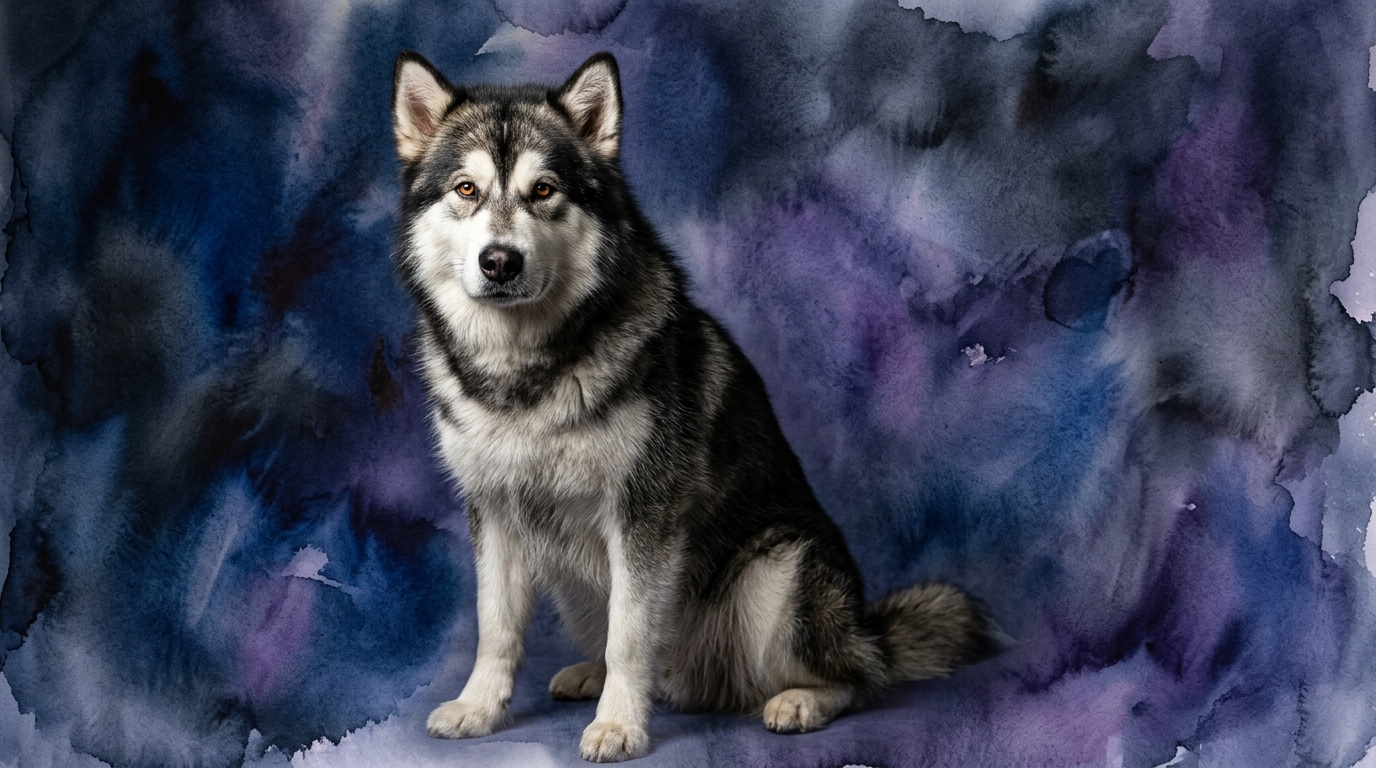
The Alaskan Malamute, a powerful Working dog, brings a Coren rank of #50, reflecting a steady, capable mind. Their Problem Solving score of 4/5 indicates a practical ingenuity, adept at navigating complex physical environments and resourcefully achieving goals, often through sheer determination. Training Speed for Malamutes sits at 2/5; they are not quick to adopt new commands, requiring patient, consistent instruction due to their independent nature. Social Intelligence is rated 3/5, signifying strong bonds within their established human pack, though they can be reserved or assertive with outsiders. An Instinctive Drive of 5/5 highlights their profound urge to pull, roam, and hunt, a foundational aspect of their heritage. Finally, their Memory is solid at 4/5, recalling routines and experiences with lasting effect, even if their will often dictates when and if a learned command is executed.
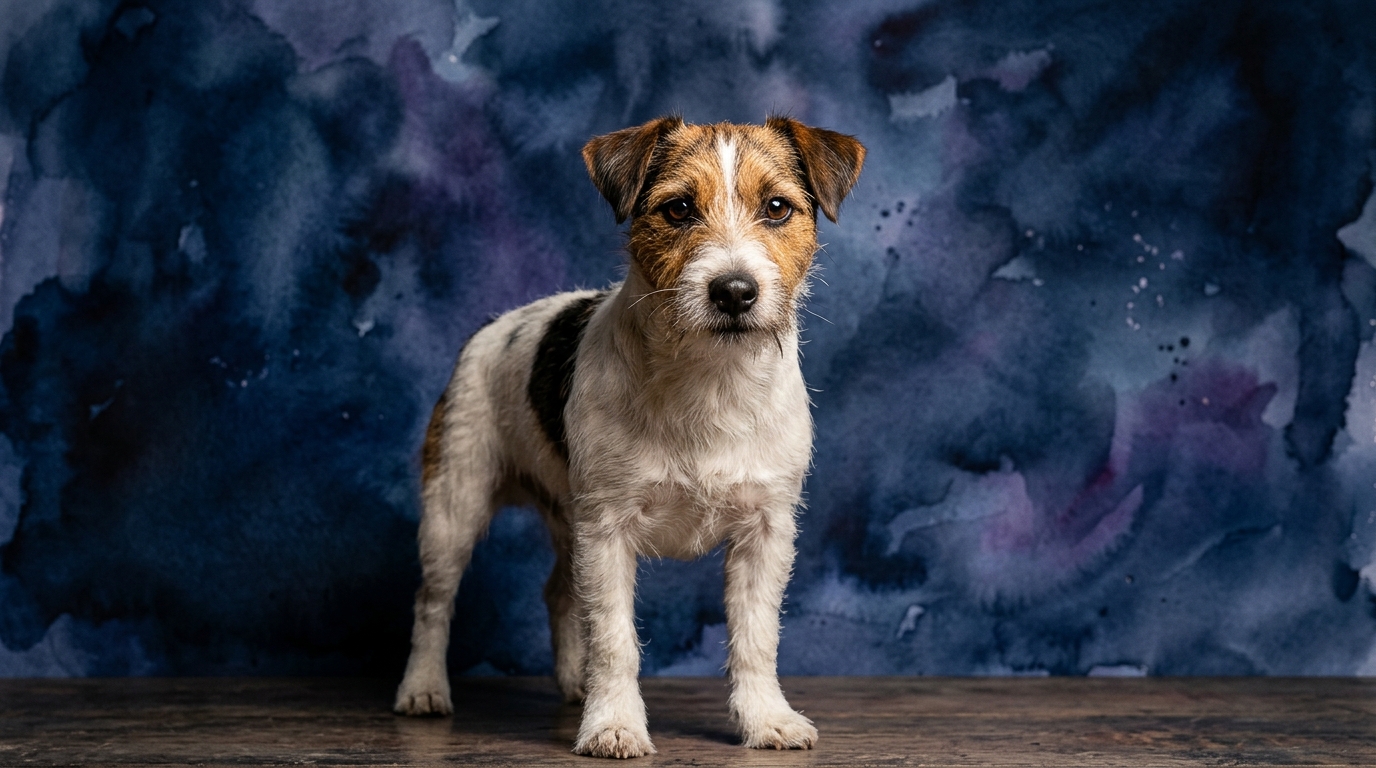
In contrast, the Jack Russell Terrier, a spirited Terrier breed not appearing on the Coren ranks, offers a distinct cognitive makeup. Their Problem Solving capability shines at 5/5, demonstrating exceptional cleverness in navigating challenges, often finding ingenious ways to overcome obstacles or outsmart situations. Training Speed is 3/5; they grasp new concepts with impressive speed, but their inherent independence and exuberance can make consistent execution a delightful challenge. Social Intelligence mirrors the Malamute at 3/5, as they form deep connections with their families while often displaying a confident, sometimes assertive, demeanor towards other canines. Like the Malamute, their Instinctive Drive is a robust 5/5, driven by an intense prey drive and an insatiable desire to dig and explore. Their Memory is also a strong 4/5, allowing them to retain tricks, commands, and experiences, often using past knowledge to their advantage in future endeavors.
Where the Alaskan Malamute's Cognition Excels
The Alaskan Malamute's cognitive strengths are deeply rooted in their history as an endurance sled dog, demanding a particular kind of mental fortitude. They excel in sustained, goal-oriented problem-solving within challenging, often monotonous environments. Imagine a Malamute navigating a blizzard or a long, winding trail; their 4/5 Problem Solving isn't about quick tricks but about resilient, practical application of strength and navigational understanding over extended periods. This breed demonstrates a strategic understanding of their role within a working team, contributing to a collective effort with unwavering focus on a singular, long-term task, a form of social and practical intelligence honed by their demanding lineage. Their robust memory (4/5) for routes and tasks, combined with their strong physical drive, makes them unparalleled in tasks requiring sustained effort and environmental awareness.
Where the Jack Russell Terrier's Cognition Shines
The Jack Russell Terrier's cognitive advantages are a testament to their heritage as agile, determined hunters of small game, requiring rapid reactions and sharp ingenuity. Their Problem Solving at 5/5 truly stands out; these dogs are masters of dynamic, on-the-fly tactical thinking, whether it's figuring out how to bypass a garden fence or outmaneuver a rodent. This isn't about brute force but about cleverness and quick adaptation to novel situations. Their ability to learn quickly (Training Speed 3/5) allows them to pick up new behaviors and tricks at an impressive pace, making them adept at diverse mental challenges that demand agility of thought. This breed's ingenuity extends to manipulating objects or situations to their benefit, a clear demonstration of their superior problem-solving acumen in a fast-paced context.
Training Dynamics: Mal vs. JRT
When it comes to training, the practical experiences with these two breeds reveal nuanced differences despite similar challenges. The Alaskan Malamute, with its 2/5 Training Speed, demands immense patience and a deep understanding of their motivations. They are not inherently driven to please and will often weigh a command against their own strong desires, such as their 5/5 Instinctive Drive to roam or pull. Training a Malamute requires making the desired behavior more appealing than their innate inclinations, often through high-value rewards and clear, consistent leadership. Their independence means repetition is key, and expecting immediate, flawless obedience can lead to frustration for both dog and owner. They are less prone to spontaneous mischief but more likely to simply ignore a command if they don't see the point.
The Jack Russell Terrier, while boasting a 3/5 Training Speed, presents a different set of training hurdles. They learn new commands quickly, often surprising owners with their rapid grasp of concepts. However, their 5/5 Problem Solving and equally powerful 5/5 Instinctive Drive mean they are constantly thinking for themselves and can be easily distracted by scents, sounds, or the thrill of a chase. Their training requires engaging, fast-paced sessions to hold their attention and prevent boredom, which can quickly lead to self-directed, often mischievous, activities. Consistency is paramount, not just in teaching commands but in establishing clear boundaries, as their cleverness can be used to test limits and outsmart their human companions.
Lifestyle Match: Active vs. Relaxed Owners
Both the Alaskan Malamute and the Jack Russell Terrier demand significant engagement, but the nature of that engagement differs, making them suitable for distinct types of active owners. The Alaskan Malamute thrives with owners who embrace robust outdoor activities, such as long hikes, backpacking, or even dog sledding. Their powerful physique and 5/5 Instinctive Drive for pulling mean they require extensive physical exertion coupled with mental stimulation that taps into their working heritage. A Malamute needs an owner who understands their need for purpose and is prepared to dedicate substantial time to channeling their energy productively, preventing boredom and potential destructive behaviors. They are certainly not a match for relaxed, sedentary lifestyles, as their pent-up energy will inevitably find less desirable outlets.
The Jack Russell Terrier, conversely, suits owners who are not only active but also possess an unyielding enthusiasm for interactive play and mental challenges. While smaller, their energy levels can be even more intense in bursts, requiring constant engagement through vigorous games, agility training, or 'earthdog' type activities that satisfy their 5/5 Instinctive Drive. Their 5/5 Problem Solving means they need minds-on activities as much as bodies-on. A relaxed owner will quickly find themselves overwhelmed by a Jack Russell's relentless curiosity and drive for action, which, if not properly channeled, can manifest as excessive barking, digging, or destructive chewing. Both breeds require dedicated, active owners, but the Malamute seeks endurance and purpose, while the Jack Russell thrives on intensity and clever engagement.
The Verdict
Choose an Alaskan Malamute if you are an active individual or family seeking a majestic, independent companion for endurance outdoor activities and are prepared for patient, consistent training with a strong-willed dog.
Opt for a Jack Russell Terrier if you desire an incredibly energetic, quick-witted partner for high-intensity games, agility, and mental puzzles, and are ready to provide constant stimulation and firm, engaging boundaries for a tenacious mind.
🧠 Find Your Pet's IQ Score
Our Pet IQ Lab assessment covers 25+ tests across 5 cognitive dimensions — personalized to your breed.
Take the Full IQ Test →Frequently Asked Questions
Is the Jack Russell Terrier truly smarter than the Alaskan Malamute?
"Smarter" is subjective and depends on the task. The Jack Russell's 5/5 Problem Solving excels in rapid, ingenious solutions for immediate challenges, while the Malamute's 4/5 Problem Solving demonstrates a resilient, practical intelligence for sustained effort in demanding environments. Each breed possesses cognitive strengths tailored to its historical purpose.
Why is the Alaskan Malamute Coren-ranked but the Jack Russell Terrier isn't?
Coren's ranking primarily assesses obedience intelligence, which the Malamute (rank #50) can achieve with consistent training, despite its independence. The Jack Russell Terrier's strong independent streak and intense, specific instinctive drives (5/5) often lead them to prioritize their own interests over human commands, making them less suited for traditional obedience-focused evaluations.
Do both breeds have a high prey drive?
Yes, both breeds have an exceptionally high Instinctive Drive (5/5), but it manifests differently. The Malamute's drive is often expressed through a desire to roam, pull, and potentially chase larger game, while the Jack Russell's is acutely focused on hunting and dispatching small vermin, accompanied by a strong digging instinct. Owners must manage this powerful drive in both.