Unpacking Cognitive Profiles: Alaskan Malamute vs. Mastiff
The Cosmic Pet Pet IQ Lab assesses canine intelligence across five distinct dimensions, offering a nuanced view beyond simple obedience. The Alaskan Malamute, ranking #50 in Coren's studies, and the Mastiff, at #72, present intriguing contrasts in their cognitive makeup. While both are formidable working breeds, their intellectual approaches diverge significantly.
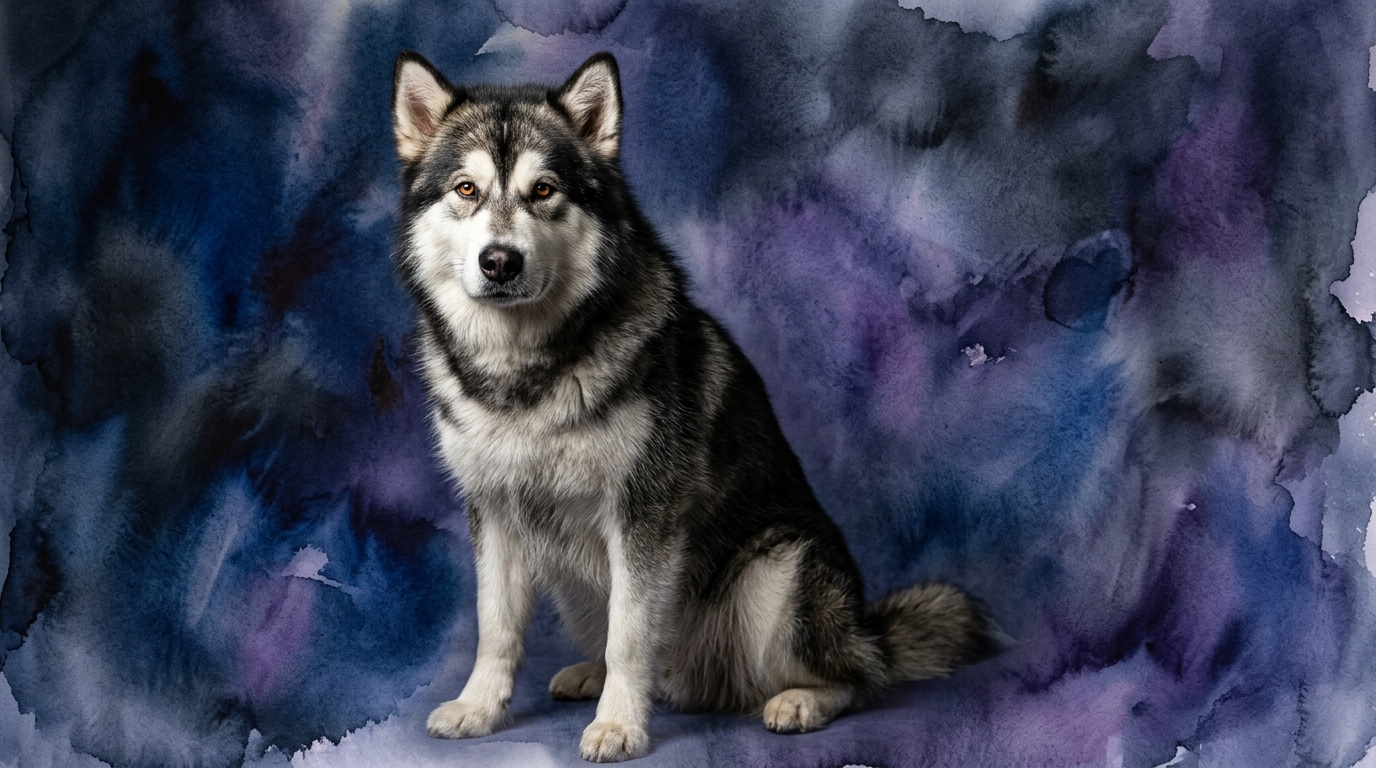
The Alaskan Malamute's profile reveals a robust intellect geared towards survival and independent action. Their Problem Solving scores an impressive 4/5, indicating a high capacity for ingenuity and navigating complex environmental challenges. However, their Training Speed is a moderate 2/5, reflecting a strong independent streak that prioritizes self-will over immediate compliance. Social Intelligence stands at 3/5, suggesting a discerning understanding of their pack but less universal eagerness to please. Critically, their Instinctive Drive is a perfect 5/5, underscoring their profound urge to work, explore, and exert their will. Finally, their Memory is strong at 4/5, allowing them to recall routes, routines, and past experiences with clarity.
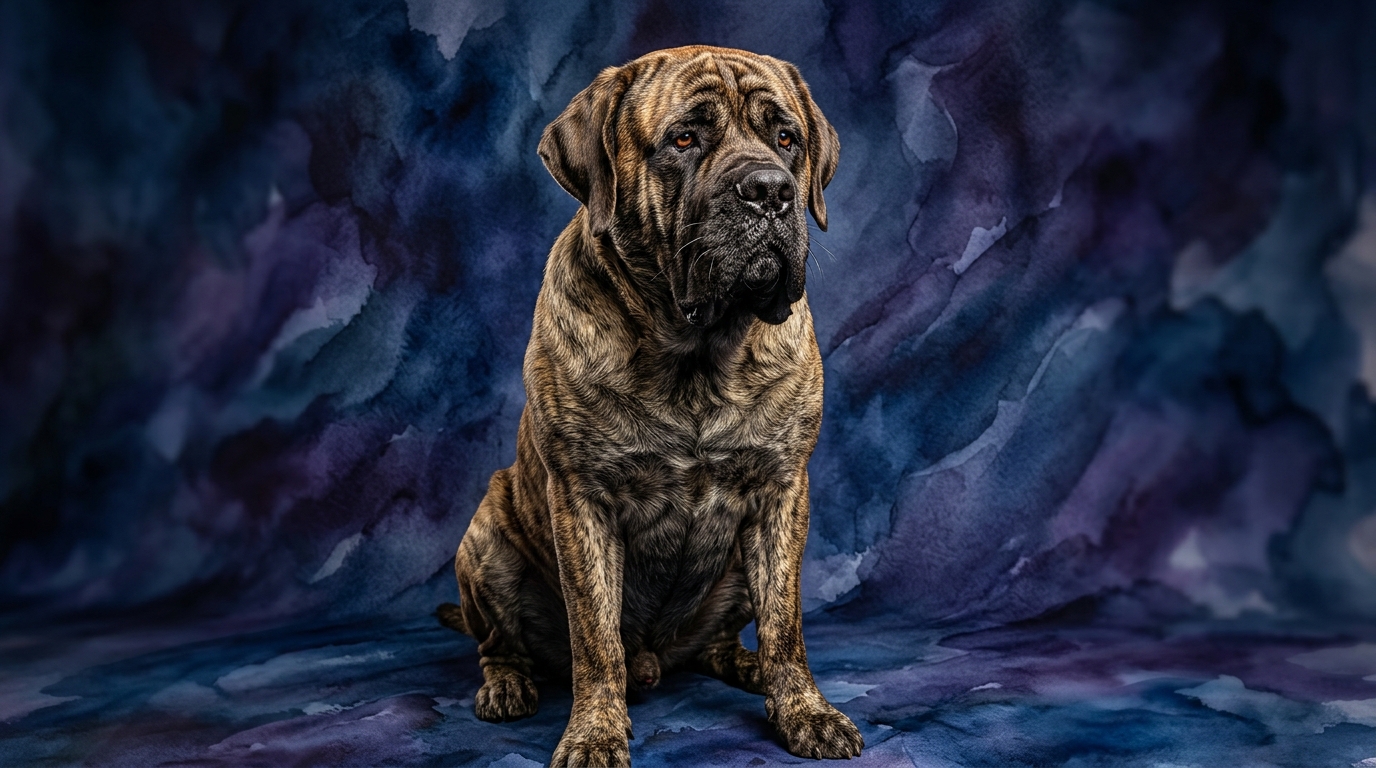
In contrast, the Mastiff's cognitive blueprint leans towards steadfastness and protective vigilance. Their Problem Solving ability registers a steady 3/5, indicating competence in direct challenges but perhaps less inclination for complex, multi-step strategizing compared to the Malamute. Their Training Speed is a balanced 3/5, suggesting a reasonable willingness to learn when properly motivated. Like the Malamute, their Social Intelligence is 3/5, demonstrating deep loyalty to their family while remaining reserved with strangers. Their Instinctive Drive is 3/5, primarily manifesting as a protective presence rather than an intense urge for active work or exploration. Their Memory also scores 3/5, providing a reliable recall for familiar people and routines.
Where the Malamute's Mind Shines Brighter
The Alaskan Malamute's cognitive prowess is most evident in its exceptional Problem Solving and overwhelming Instinctive Drive. With a 4/5 in Problem Solving, these dogs are natural strategists when it comes to overcoming obstacles. This manifests in their legendary escape artistry; a Malamute can meticulously figure out how to open latches, scale fences, or dig under barriers, not out of malice, but from an inherent drive to explore and achieve their self-appointed goals. Their historical role as sled dogs demanded this ingenuity, forcing them to make independent decisions and find solutions in challenging Arctic terrains, such as navigating blizzards or finding safe passages. This capacity for independent thought means they are constantly assessing their environment for opportunities and challenges.
Their 5/5 Instinctive Drive is a defining cognitive trait, showcasing an intrinsic motivation to engage with the world through purposeful action. This isn't merely physical energy; it's a deep-seated mental fortitude and a relentless pursuit of objectives. Whether it's pulling a sled, hiking miles of trail, or "hunting" a squeaky toy, the Malamute's mind is wired for sustained engagement and task completion, often dictating their behavior more strongly than human commands. This drive fuels their curiosity and provides the mental stamina for prolonged, self-directed activity, making them formidable partners for adventurous owners.
Mastiff's Unique Cognitive Strengths
While the Mastiff may not boast the Malamute's high scores in problem-solving or instinctive drive, their cognitive strengths lie in their balanced, dependable profile that underpins their role as a steadfast protector. Their moderate 3/5 scores across Problem Solving, Training Speed, Social Intelligence, Instinctive Drive, and Memory create a harmonious cognitive structure focused on stability and discerning judgment. Instead of excelling in complex, active problem-solving, a Mastiff's intelligence is geared towards observation and calm assessment. Their Social Intelligence (3/5) combined with their Instinctive Drive (3/5) for protection means they are acutely aware of their family's well-being and their territory. They are adept at recognizing subtle shifts in their environment or in human demeanor that might indicate a potential threat, responding with a watchful, imposing presence rather than frantic activity.
The Mastiff's cognitive profile emphasizes reliability and devotion. Their moderate Training Speed (3/5) reflects a biddable nature when properly motivated, contrasting with the Malamute's strong independence. They are receptive to learning for the sake of their family, making them capable of mastering necessary commands without the inherent resistance seen in some more independent breeds. Their memory, while not photographic, is perfectly sufficient for recalling routines, family members, and established boundaries, fostering a sense of security and predictability within their home environment. This breed's intelligence is about unwavering presence and a quiet, discerning loyalty.
Training Dynamics: Malamute's Independence vs. Mastiff's Steadiness
Training an Alaskan Malamute presents a distinct challenge due to their 2/5 Training Speed and powerful 5/5 Instinctive Drive. Their intelligence is not about eager compliance; it's about independent thought and self-preservation, rooted in their history of making life-or-death decisions in the Arctic. They learn commands but often weigh the perceived benefit of compliance against their own desires or instincts. This means training requires exceptional patience, unwavering consistency, and creative motivation to convince a Malamute that your request is worth their effort. Recalling their strong 4/5 Memory, they remember what you've taught them, but their strong will means "knowing" doesn't always translate to "doing." Owners must embrace this independent spirit and frame training as a partnership, using positive reinforcement to make desired behaviors more appealing than their innate urges.
The Mastiff, with a 3/5 Training Speed, offers a more amenable training experience. While not the fastest learners, they are generally eager to please their family and respond well to consistent, positive reinforcement. Their moderate Instinctive Drive (3/5) means they are less likely to be distracted by overwhelming primal urges compared to the Malamute. They thrive on routine and a calm, confident handler. Training a Mastiff is about building trust and clearly communicating expectations; once they understand what is asked, their inherent desire to be a well-behaved family member typically guides their compliance. Their intelligence supports a steady, predictable learning curve, making them suitable for owners who value a cooperative yet substantial companion.
Lifestyle Compatibility: Active Explorers vs. Calm Companions
The Alaskan Malamute's cognitive profile, marked by high Problem Solving (4/5) and an unparalleled Instinctive Drive (5/5), dictates a lifestyle rich in physical and mental engagement. These dogs are not content with passive existence; their minds are constantly seeking challenges and opportunities to "work." Owners must provide extensive daily exercise, such as long hikes, jogging, or activities like sledding or cani-cross, to satisfy their endurance-oriented bodies and minds. Beyond physical exertion, they require complex mental stimulation through puzzle toys, scent work, or advanced obedience to prevent boredom, which can lead to destructive behaviors fueled by their ingenuity. An ideal Malamute owner is an active, experienced individual who appreciates and can channel their dog's independent, adventurous spirit.
In contrast, the Mastiff's balanced cognitive scores (3/5 across most dimensions) align with a more relaxed, but equally devoted, companionship. While they are large and require regular, moderate exercise to maintain health and prevent obesity, they are not hyperactive. Their instinctive drive is more focused on protection and presence within the family unit than on relentless exploration or high-intensity tasks. Mastiffs are content with comfortable routines, a secure home environment, and ample time to be near their human family. They thrive with owners who appreciate a calm, watchful giant and are prepared for a dog whose primary "job" is to be a loving, imposing presence. Their mental stimulation needs are met through consistent interaction, basic obedience, and puzzle toys, rather than demanding, complex intellectual challenges.
The Verdict
Opt for an Alaskan Malamute if you are an experienced, active owner seeking a resourceful, independent canine partner for endurance activities and complex challenges, prepared for a patient, consistent training journey.
Choose a Mastiff if you desire a calm, devoted, and protective family companion who thrives on a steady routine and moderate activity, appreciating their steadfast loyalty over high-octane mental engagement.
🧠 Find Your Pet's IQ Score
Our Pet IQ Lab assessment covers 25+ tests across 5 cognitive dimensions — personalized to your breed.
Take the Full IQ Test →Frequently Asked Questions
Is an Alaskan Malamute difficult to train?
Yes, their strong independence and lower training speed (2/5) mean training requires exceptional patience, consistency, and motivation. They learn, but often choose whether to comply based on their own assessment of the situation.
Do Mastiffs need a lot of mental stimulation?
Mastiffs benefit from moderate mental stimulation through consistent interaction, basic obedience, and puzzle toys. They don't require the intense, complex challenges that breeds like the Malamute do, thriving more on routine and family presence.
Which breed is better with children?
Both breeds can be good with children when properly socialized and supervised. Malamutes, due to their high energy and boisterous play, might be overwhelming for very young children, while Mastiffs are often gentle giants whose sheer size necessitates careful supervision around small kids.