Side-by-Side Cognitive Profiles
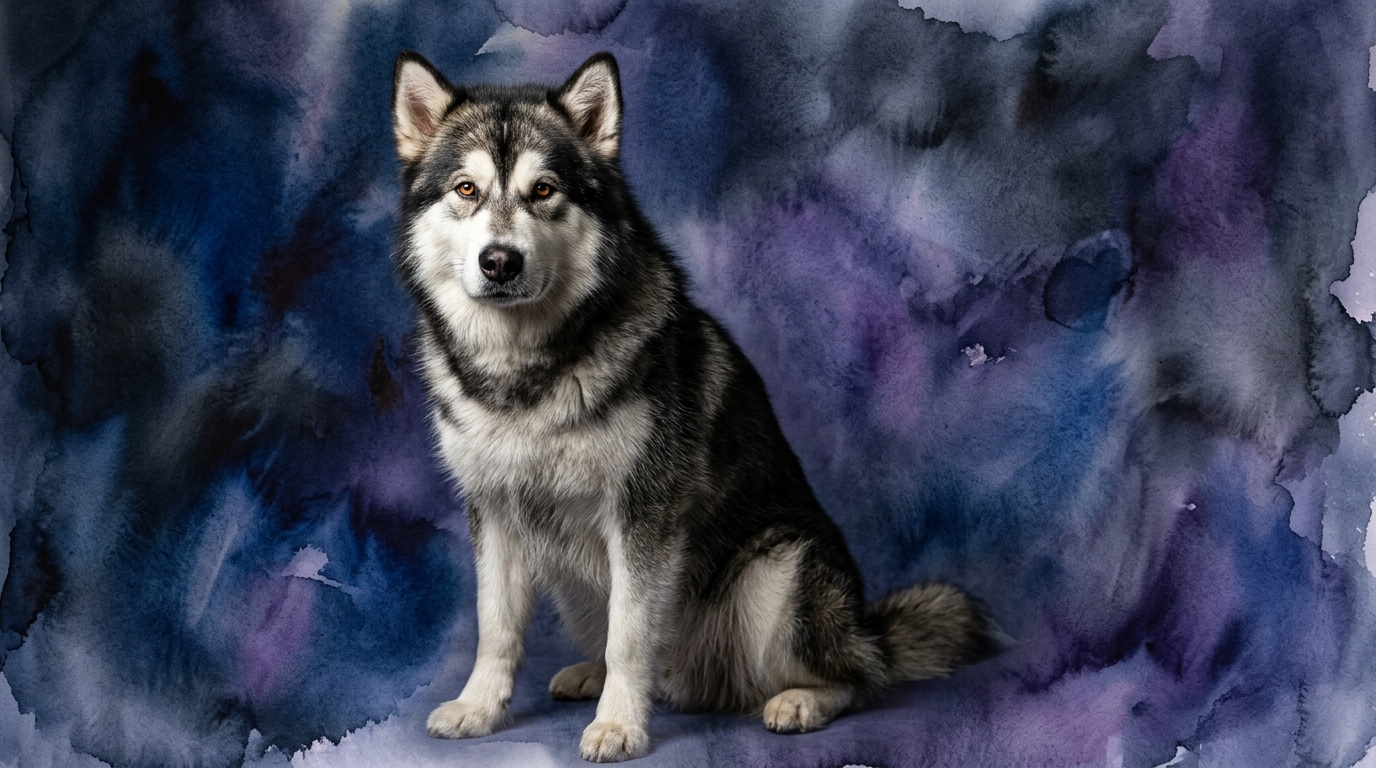
The Alaskan Malamute, ranked #50 by Stanley Coren, presents a unique blend of rugged independence and clever resourcefulness. Their Problem Solving capability is rated 4/5, indicating a strong capacity to navigate complex physical challenges and devise solutions, often for their own benefit. However, their Training Speed stands at 2/5; they learn, but often on their own terms and with significant repetition. Social Intelligence is 3/5, meaning they grasp human intent and pack dynamics, yet their strong will can sometimes override compliance. A commanding Instinctive Drive of 5/5 fuels their desire for work and exploration, while their Memory is a solid 4/5, allowing them to retain learned experiences and routines effectively.
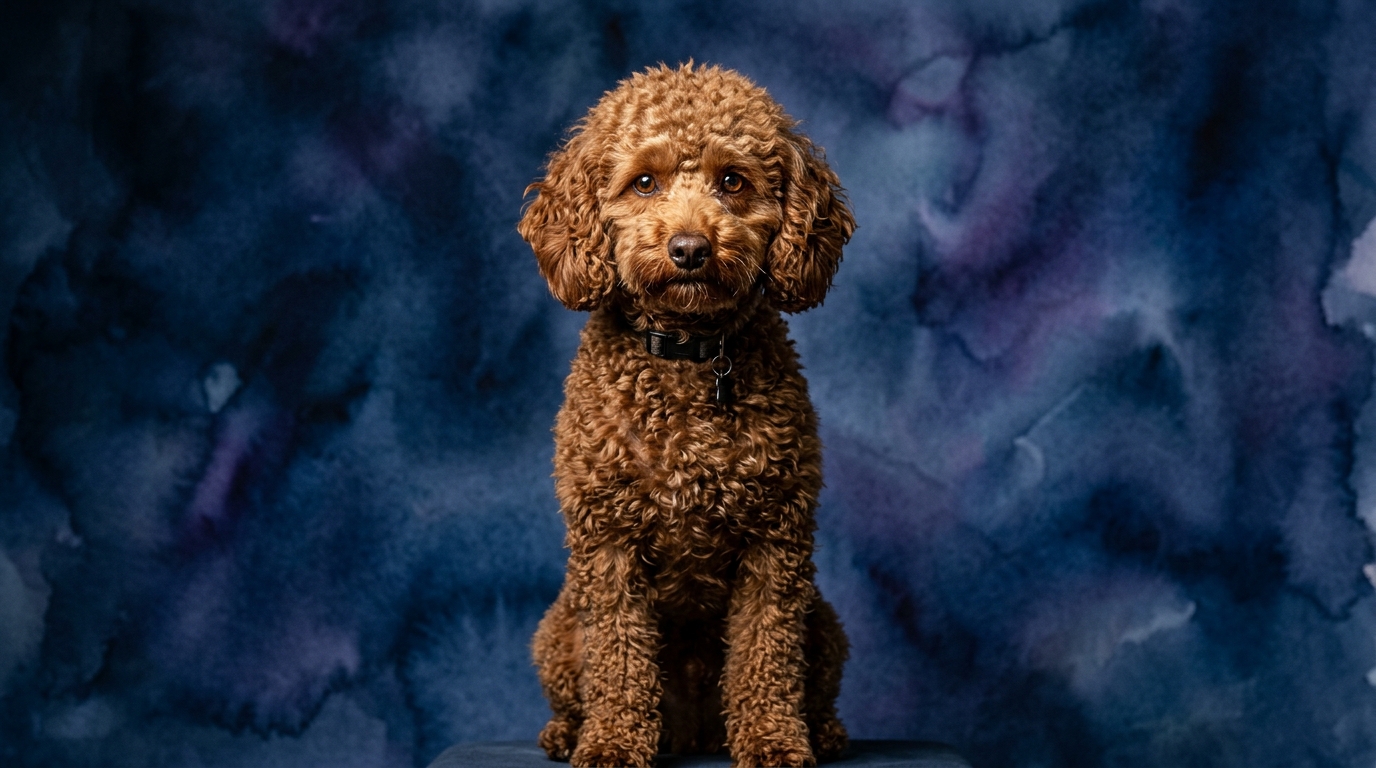
In stark contrast, the Miniature Poodle, a remarkable #2 on Coren's list, showcases a different kind of mental agility. Their Problem Solving ability is an exceptional 5/5, reflecting a quick aptitude for understanding complex tasks and adapting to new situations. Training Speed is also 5/5, denoting an eagerness and capacity for rapid learning and command acquisition. Social Intelligence is 3/5, similar to the Malamute, indicating good understanding of human communication but perhaps not an overwhelming drive to always please. Their Instinctive Drive is 3/5, present but less dominant than the Malamute's, often manifesting in retrieving or tracking games. Finally, their Memory is an outstanding 5/5, ensuring commands and lessons are retained with remarkable precision over time.
Where the Alaskan Malamute's Cognition Excels
The Alaskan Malamute's cognitive strengths truly shine in scenarios demanding independent thought, perseverance, and a deep connection to their primal drives. Their superior Instinctive Drive (5/5) means they are exceptionally motivated by tasks that align with their heritage, such as pulling, navigating, or exploring vast territories. This drive, combined with a robust Problem Solving score (4/5), allows them to excel at self-preservation and finding solutions in challenging outdoor environments, like figuring out how to bypass an obstacle in a snowdrift or locating a scent trail over long distances. They are not easily deterred by setbacks and will often find creative, if not always compliant, ways to achieve their goals, such as unlatching gates or outsmarting containment. Their memory (4/5) supports this by allowing them to recall successful strategies for obtaining resources or escaping confinement, making them formidable in situations where self-reliance is paramount.
Where the Miniature Poodle's Cognition Triumphs
The Miniature Poodle's cognitive superiority lies in their remarkable capacity for rapid information processing, complex learning, and precise execution of human-directed tasks. Their perfect 5/5 scores in both Problem Solving and Training Speed mean they can quickly grasp new concepts, understand intricate multi-step commands, and adapt their behavior to achieve desired outcomes with minimal repetition. This makes them exceptional candidates for advanced obedience, agility, trick training, and even service work, where understanding nuanced cues is critical. Their outstanding Memory (5/5) ensures that once a lesson is learned, it is retained with impressive fidelity, allowing them to build an extensive repertoire of behaviors and respond reliably over time. They excel at pattern recognition and can anticipate sequences of events, making them highly responsive and predictable partners in structured activities.
Ease of Training: A Tale of Two Temperaments
When it comes to training, the Miniature Poodle is undeniably the more straightforward choice due to their exceptional Training Speed (5/5) and a general eagerness to please. They absorb new commands with remarkable alacrity, often requiring only a few repetitions before demonstrating understanding and compliance. Their quick problem-solving skills (5/5) allow them to rapidly decipher what is expected of them, and their excellent memory (5/5) ensures consistent performance once a behavior is learned. This makes them ideal for owners seeking a dog that can quickly master a wide array of commands and participate in various dog sports or activities.
The Alaskan Malamute, with a Training Speed of 2/5, presents a more significant challenge. While capable of learning due to their good problem-solving and memory, their strong independent streak and powerful instinctive drives often mean they learn what *they* want to learn, when *they* want to learn it. Training requires immense patience, consistent positive reinforcement, and a deep understanding of their motivations. They may understand a command perfectly but choose not to execute it if it conflicts with a more pressing personal agenda, like investigating a smell or attempting to reach a perceived treat. Their independent problem-solving often manifests as finding ways to avoid compliance, rather than embracing it, requiring trainers to be highly creative and persistent.
Matching Canine Minds to Lifestyles
The cognitive profiles of these two breeds align with very different owner lifestyles. An Alaskan Malamute thrives with active, experienced owners who appreciate a partner in rugged adventures and can provide ample physical and mental stimulation that taps into their working heritage. They are best suited for individuals or families who embrace the outdoors, enjoy long hikes, cani-cross, or even recreational sledding, and can manage a dog with a strong independent will and a tendency to explore. Owners must be prepared for consistent, patient training and understand that a Malamute's problem-solving often means outsmarting perceived limitations, like fences.
Conversely, the Miniature Poodle is an excellent fit for a wider range of owners, particularly those who value a highly trainable, versatile companion. Their cognitive strengths make them superb candidates for various dog sports like agility, obedience, or rally, as well as therapy work or simply being a responsive, well-behaved family pet. They adapt well to different living situations, from apartments to houses with yards, as long as their minds are kept engaged with puzzles, training sessions, and interactive play. While they enjoy physical activity, their primary need is for mental engagement, making them suitable for owners who might be less inclined towards extreme outdoor pursuits but enjoy consistent, rewarding interaction with their companion.
The Verdict
Choose the Alaskan Malamute if you seek an independent, robust partner for endurance activities and appreciate a dog that solves problems with resourceful determination, even if it means occasional defiance.
Opt for the Miniature Poodle if you desire a quick-witted, highly trainable companion eager to learn complex tasks and excel in structured activities, offering a responsive and adaptable partnership.
🧠 Find Your Pet's IQ Score
Our Pet IQ Lab assessment covers 25+ tests across 5 cognitive dimensions — personalized to your breed.
Take the Full IQ Test →Frequently Asked Questions
Do Alaskan Malamutes need a lot of mental stimulation?
Yes, absolutely. While their physical needs are paramount, Malamutes also require mental challenges to prevent boredom and destructive behaviors. Puzzle toys, scent work, and training that taps into their problem-solving skills are essential for their well-being, even if training speed is lower.
Are Miniature Poodles good for first-time dog owners?
Miniature Poodles can be excellent for first-time dog owners due to their high trainability and eagerness to please, which makes the learning process smoother. However, their intelligence means they need consistent mental engagement and boundaries to prevent them from becoming bored or developing unwanted behaviors.
Which breed is better for competitive dog sports?
For most competitive dog sports requiring precision, speed, and complex command sequences, the Miniature Poodle typically holds an advantage. Their exceptional training speed, memory, and problem-solving abilities make them natural competitors in disciplines like agility, obedience, and rally.