Side-by-Side IQ Profile: Alaskan Malamute vs. Neapolitan Mastiff
At The Cosmic Pet Pet IQ Lab, we evaluate canine intelligence across five key dimensions to provide a nuanced understanding of each breed's cognitive strengths and predispositions.
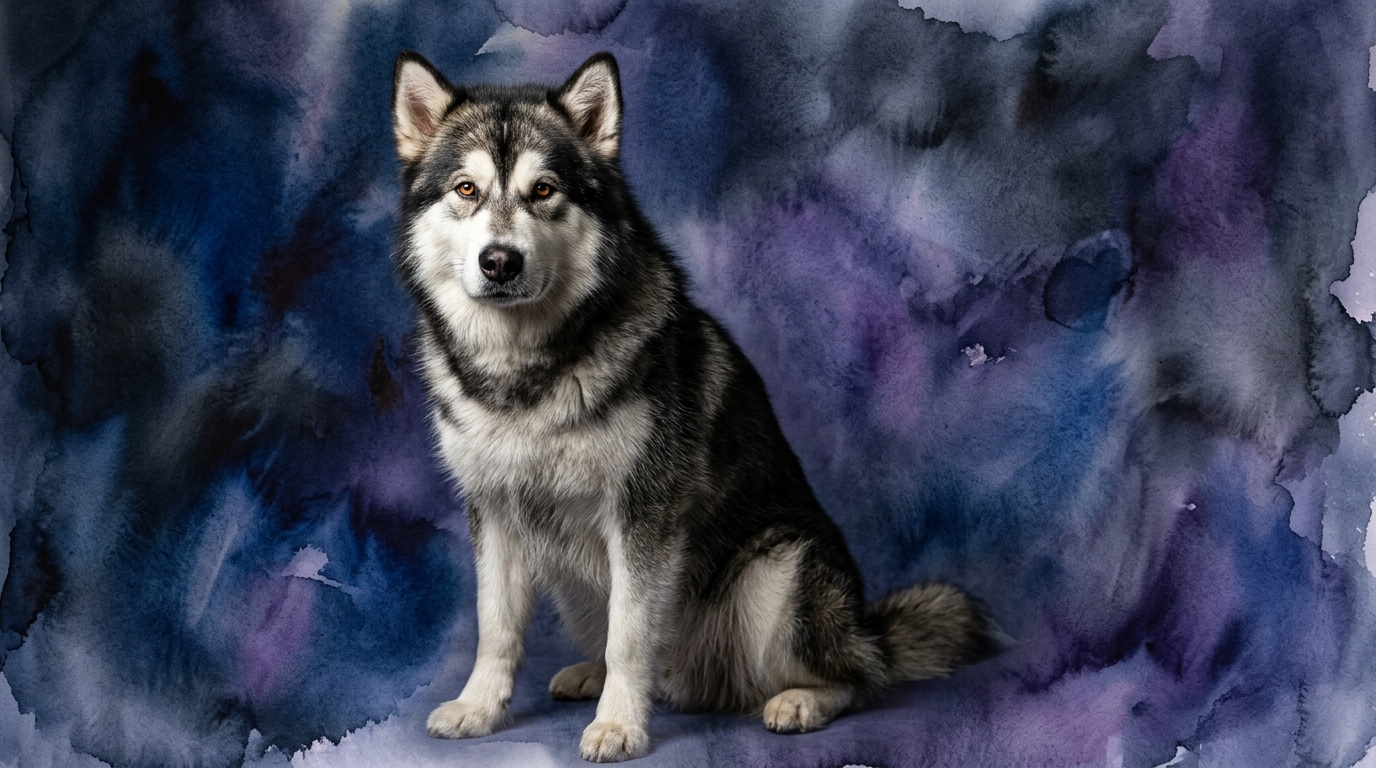
The Alaskan Malamute, a magnificent Arctic working dog, holds a Coren rank of #50, highlighting its place among breeds with functional intelligence, though not necessarily in the realm of rapid obedience learning. Their Problem Solving ability is rated at 4/5, indicating a strong capacity for independent thought and figuring out complex situations, often with a self-directed approach to achieving their goals, whether that's escaping a yard or finding a hidden treat. Training Speed, however, sits at a more moderate 2/5; these dogs require significant repetition, consistent motivation, and a trainer who understands their innate independence, as they often weigh whether a command aligns with their own objectives before complying. Social Intelligence is 3/5, meaning they understand pack dynamics and human cues, but frequently process these through the lens of their own strong will and priorities. Their Instinctive Drive is a powerful 5/5, encompassing an incredibly strong prey drive, migratory instincts that fuel a desire to roam, and an inherent need to pull or work, reflecting their heritage as endurance sled dogs. Finally, their Memory is rated 4/5, allowing them to retain learned behaviors and experiences, both positive and negative, over long periods, making early positive reinforcement crucial.
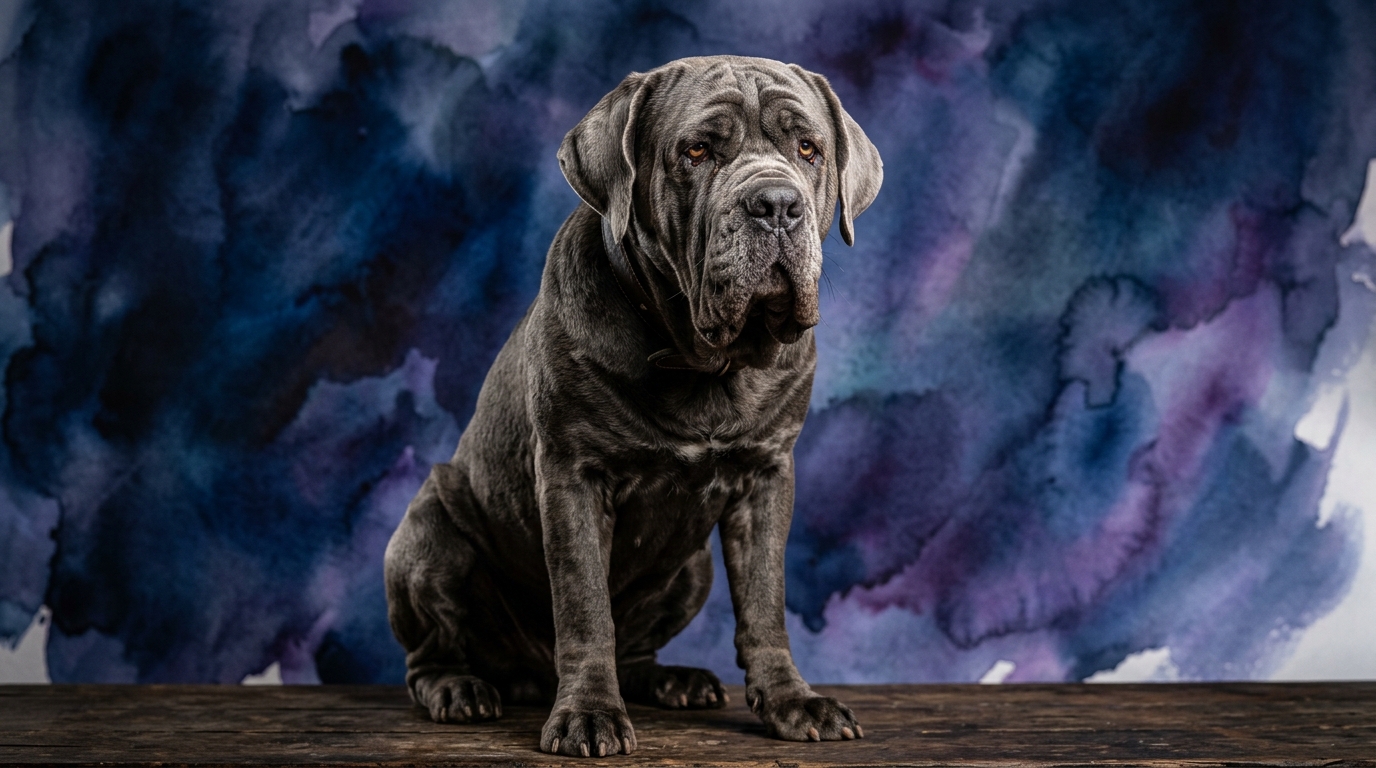
The Neapolitan Mastiff, a formidable guardian breed, does not appear on Coren's traditional ranking, primarily because their intelligence manifests differently than breeds prized for obedience and rapid task acquisition. Their Problem Solving score is 3/5; they are capable of solving practical problems, especially those related to their domain and family's safety, but might rely more on established patterns or brute force than abstract, novel thought processes. Training Speed is 3/5, suggesting they learn at a moderate pace, benefiting immensely from clear, calm instruction and consistent positive reinforcement, though their immense size and inherent stubbornness require a patient and firm hand. Social Intelligence, also 3/5, is characterized by a deep, discerning bond with their immediate family, making them acutely aware of their loved ones' moods and needs, while often remaining aloof or wary of strangers, a key aspect of their protective nature. Their Instinctive Drive is 3/5, primarily centered around a strong guarding instinct and protective nature towards their territory and family, but generally with a lower prey drive compared to many other working breeds. Their Memory is 3/5, enabling them to recall routines, significant events, and the faces of those they trust, though perhaps not with the same detailed recall or long-term retention for abstract concepts as some higher-ranking breeds.
Where the Alaskan Malamute Wins Cognitively
The Alaskan Malamute undeniably shines in areas demanding robust independent thought and an unwavering drive to achieve self-determined objectives. Their superior Problem Solving score of 4/5 means they are highly adept at navigating complex environments, figuring out how to open gates, or strategizing to obtain a desired item, often without direct human instruction. This cognitive strength is deeply tied to their 5/5 Instinctive Drive; their powerful migratory and hunting instincts provide an internal compass and motivation that few breeds can match, allowing them to excel in endurance tasks and exploration where self-reliance is paramount. Furthermore, their 4/5 Memory ensures that once they've learned a route, a trick, or even an escape plan, they retain that knowledge for a very long time, making them effective, if sometimes challenging, partners in activities requiring consistent recall of physical tasks or environmental layouts. Their aptitude for figuring things out on their own, rather than waiting for direction, is a hallmark of their unique cognitive makeup.
Where the Neapolitan Mastiff Wins Cognitively
While the Neapolitan Mastiff's cognitive profile might not boast the same independent problem-solving flair, they demonstrate distinct strengths that make them profoundly effective in their intended role. Their Training Speed of 3/5, though only moderately higher than the Malamute's 2/5, signifies a crucial difference: the Mastiff is generally more receptive to structured learning and compliant with commands, provided the training is calm, consistent, and reward-based. They are less likely to question the *why* of a command and more likely to absorb it through repetition within a trusted relationship. Their Social Intelligence, also rated 3/5, manifests as an exceptional discernment and profound loyalty towards their family. This isn't just about understanding cues; it's about an innate ability to assess situations for potential threats and react with a measured, protective response, making them highly effective guardians who understand their human pack's emotional states and safety needs with remarkable clarity. Their memory, while rated 3/5, is particularly strong for recognizing familiar faces and routines, solidifying their role as steadfast family members.
Which is Easier to Train and Why
When assessing ease of training, the Neapolitan Mastiff generally presents a slightly less challenging path for the average owner compared to the Alaskan Malamute. The Mastiff's 3/5 Training Speed suggests they absorb commands at a moderate pace, thriving on consistency and positive reinforcement within a calm, authoritative structure. They are typically eager to please their trusted family members, making them more amenable to obedience work, though their sheer size and potential for stubbornness demand patience and clear communication. A Neapolitan Mastiff is less likely to engage in protracted negotiations over a command; once they understand what is expected and trust their handler, they are generally willing to comply, making them more predictable in a training context.
In contrast, the Alaskan Malamute's 2/5 Training Speed is a direct reflection of their profound independence and often self-serving motivation. A Malamute might perfectly understand a command but will often weigh the personal benefit before deciding to comply, making training an ongoing negotiation rather than a simple instruction-response loop. They bore easily with repetitive drills and require creative, engaging, and highly motivating methods to keep them invested, often challenging their handler's resolve and ingenuity with their clever, sometimes mischievous, problem-solving skills. Their strong instinctive drives, particularly their desire to roam or chase, can also make recall and off-leash training exceptionally difficult without extensive, dedicated effort. Therefore, while both breeds require consistent training, the Neapolitan Mastiff typically offers a more straightforward, albeit still demanding, training experience due to their generally more compliant nature.
Which Suits Active Owners vs. Relaxed Owners
The choice between these two breeds hinges significantly on an owner's lifestyle and activity levels. The Alaskan Malamute, with its 5/5 Instinctive Drive rooted in centuries of endurance sled work, is unequivocally suited for highly active owners. These dogs demand substantial daily physical and mental exercise, thriving on long hikes, structured pulling activities, and engaging challenges that channel their problem-solving acumen and migratory instincts. An owner who enjoys outdoor adventures, can provide consistent, rigorous activity, and is prepared for a dog that requires significant engagement to prevent boredom and destructive behaviors will find a Malamute a tireless, enthusiastic companion. Their independent nature also means they need owners who appreciate a dog that thinks for itself, even if it sometimes means thinking differently than desired.
Conversely, the Neapolitan Mastiff, despite its imposing size, is better suited for more relaxed owners. While they require daily walks and ample space to move around, their energy levels are moderate, and they are not built for high-endurance activities. Their cognitive needs lean more towards monitoring their domain, engaging in calm obedience practice, and enjoying the security of their family unit, making them ideal for individuals who appreciate a large, loyal presence without the demand for intense, continuous physical output. Their profound social intelligence within their family means they thrive on close companionship and a stable, predictable routine, rather than constant high-octane adventures. Owners who prefer a watchful, devoted companion that is content with moderate exercise and a comfortable indoor lifestyle will find the Neapolitan Mastiff a fitting choice.
The Verdict
Choose the Alaskan Malamute if you are an adventurous, highly active individual or family who thrives on outdoor exploration, enjoys engaging with a highly independent and clever working dog, and is prepared for consistent, creative training to channel intense drives.
Opt for the Neapolitan Mastiff if you seek a devoted, discerning guardian with a calm, watchful demeanor, appreciating a dog that learns steadily and forms deep, protective bonds within a stable, loving home environment.
🧠 Find Your Pet's IQ Score
Our Pet IQ Lab assessment covers 25+ tests across 5 cognitive dimensions — personalized to your breed.
Take the Full IQ Test →Frequently Asked Questions
Are Alaskan Malamutes good family dogs?
Yes, Alaskan Malamutes can be wonderful family dogs, often forming strong bonds with their human 'pack,' but their high energy, independent nature, and strong prey drive mean they require consistent training, early socialization, and supervision, especially around children and other pets, to ensure harmonious living.
What kind of mental stimulation does a Neapolitan Mastiff need?
Neapolitan Mastiffs thrive on mental stimulation that engages their natural guarding instincts, such as observing their property, coupled with consistent, calm obedience training and the occasional puzzle toy, all designed to keep their minds active without demanding excessive physical exertion.
Can a Neapolitan Mastiff live in an apartment?
Due to their immense size and need for ample space to move comfortably, both indoors and outdoors, a Neapolitan Mastiff is generally not well-suited for apartment living; they require a home with a secure yard to adequately fulfill their moderate exercise and patrolling needs.