Side-by-Side Cognitive Profile: Malamute vs. Terrier
The Cosmic Pet Pet IQ Lab assesses canine intelligence across five key dimensions, offering a nuanced view of how each breed's mind operates. For the Alaskan Malamute, a powerful working dog, and the Norfolk Terrier, a plucky terrier, these dimensions highlight their unique mental architectures.
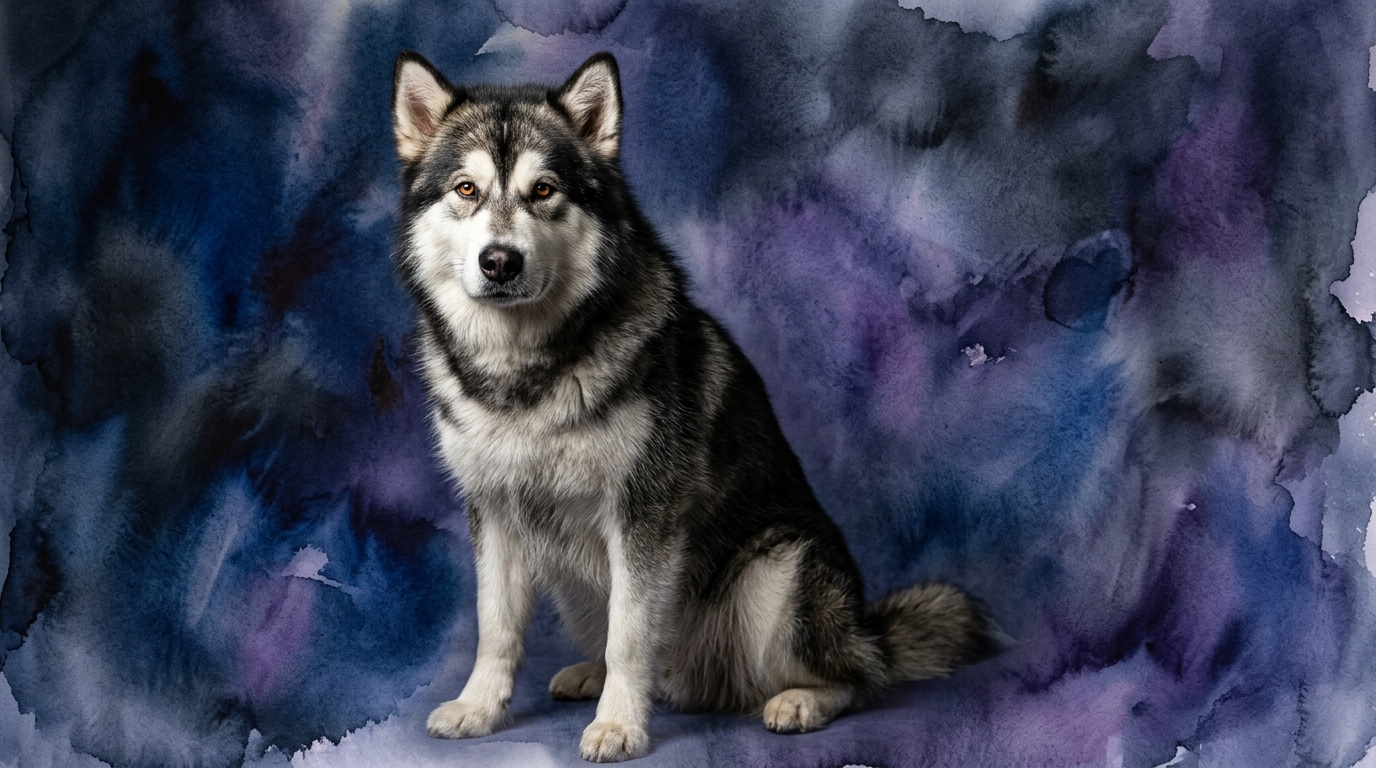
**Alaskan Malamute (Working, Coren rank #50):** This breed’s cognitive makeup is forged by centuries of demanding work in harsh environments. Their **Problem Solving (4/5)** is substantial, indicating a capacity for independent thought and devising solutions to complex challenges, often seen in their ingenuity to navigate obstacles. Their **Training Speed (2/5)** is moderate, as their independent nature means they often prioritize their own agenda over immediate compliance, requiring patient and engaging methods. **Social Intelligence (3/5)** for Malamutes reflects a balanced understanding of pack dynamics and human bonds, though their interactions can be influenced by strong innate instincts. Their **Instinctive Drive (5/5)** is exceptionally powerful, stemming from their heritage as sled dogs, manifesting as a profound urge to pull, dig, and explore. Finally, their **Memory (4/5)** is strong, allowing them to retain complex information, routes, and learned behaviors with remarkable clarity.
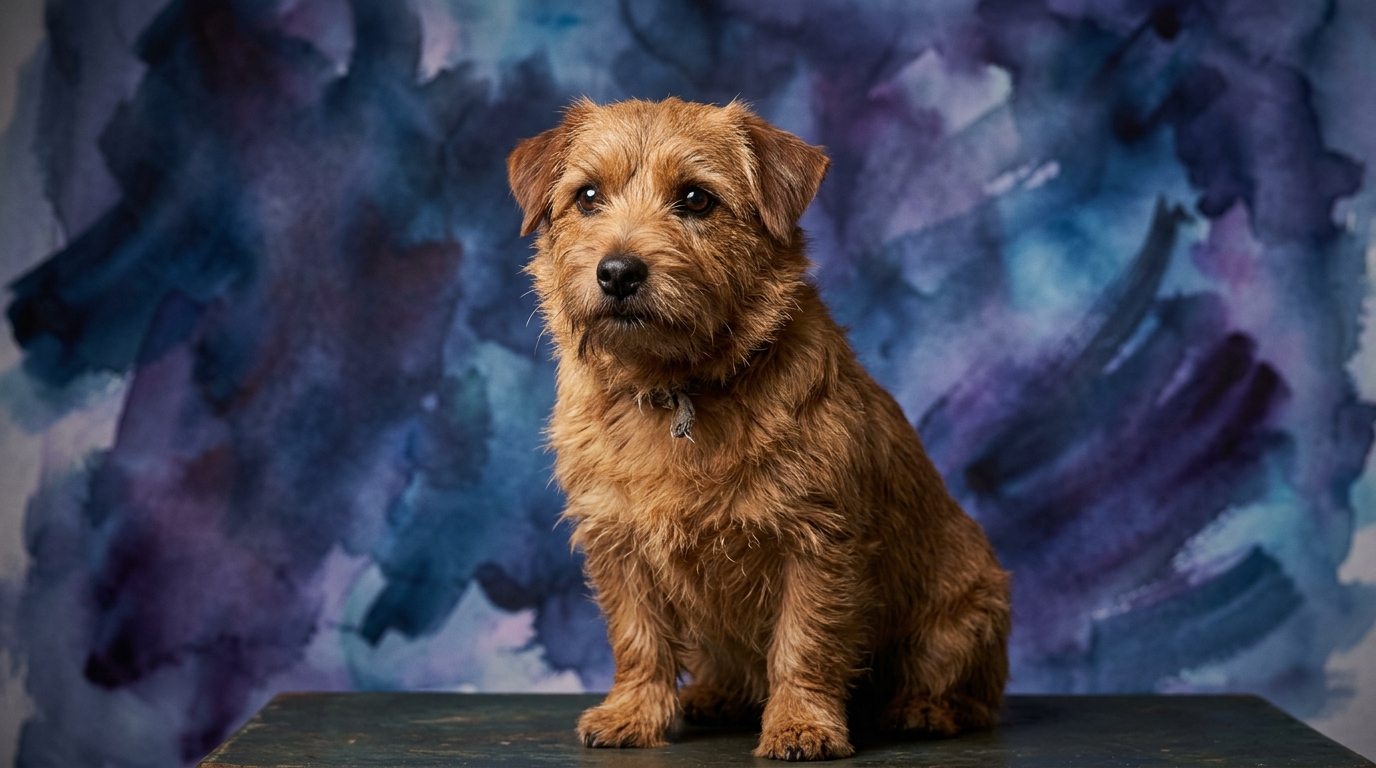
**Norfolk Terrier (Terrier, Not Coren-ranked):** The Norfolk Terrier’s cognitive profile showcases a sharp, adaptable mind typical of its group. Their **Problem Solving (3/5)** is respectable, as they often employ quick wit and persistence to achieve their goals, whether it’s finding a hidden toy or getting attention. Their **Training Speed (3/5)** is moderate, with a readiness to learn new commands when properly motivated, often eager to please when the training is engaging. **Social Intelligence (3/5)** in Norfolk Terriers is solid, enabling them to form deep attachments and generally interact well with their environment, characterized by their confident and friendly demeanor. Their **Instinctive Drive (3/5)**, while not as extreme as a Malamute's, is notable, reflecting their historical role in hunting vermin with urges to chase, dig, and investigate. Their **Memory (3/5)** is good, allowing them to recall routines, commands, and the whereabouts of familiar people and objects.
Where the Alaskan Malamute Wins Cognitively
The Alaskan Malamute's cognitive profile shines brightly in areas demanding robust independent thought and innate drive. Their Problem Solving score of 4/5 indicates a deep capacity for navigating complex scenarios, often seen in their ability to strategically plan an escape from a yard or ingeniously open a cabinet. This isn't just about brute force; it's about assessing the environment and devising a multi-step solution. Complementing this is their unparalleled Instinctive Drive (5/5). This isn't merely an urge; it's a powerful, intrinsic motivation that fuels their persistence in tasks like pulling a sled, navigating a trail, or even relentlessly pursuing a scent. This profound drive means they are highly task-oriented when engaged in activities that align with their heritage. Furthermore, their Memory (4/5) allows them to retain intricate details of routes, past experiences, and learned behaviors, making them adept at long-term recall, which is crucial for their original working roles in vast, often featureless, landscapes.
Where the Norfolk Terrier Wins Cognitively
While the Malamute excels in raw power and independent problem-solving, the Norfolk Terrier carves its own niche, particularly in the realm of Training Speed, where it holds a slight but significant advantage with a score of 3/5 compared to the Malamute's 2/5. This suggests that Norfolk Terriers, with their keen desire to engage and their less overtly independent streak during training, can often grasp new concepts and commands with slightly more alacrity. Their balanced cognitive profile across problem-solving, social intelligence, and memory (all 3/5) allows for a more adaptable learning curve. This doesn't mean they are passive learners; rather, their terrier tenacity, when channeled correctly, translates into an enthusiastic willingness to participate in training sessions, making them often more receptive to varied commands and tricks in a shorter timeframe.
Which is Easier to Train and Why
Evaluating ease of training requires looking beyond just raw intellect, considering instead how a breed's cognitive strengths and inclinations align with human instruction. Here, the Norfolk Terrier generally presents a less challenging training journey. Their Training Speed of 3/5, combined with a social intelligence score of 3/5, means they are typically more responsive to direction and possess a stronger inherent desire to cooperate with their human companions. Their instinctive drive, while present (3/5), is less overwhelming than the Malamute's, making them less prone to being entirely consumed by their own agenda during training sessions. In contrast, the Alaskan Malamute's Training Speed of 2/5 reflects their strong-willed and independent nature. Their high problem-solving ability (4/5) means they are constantly assessing situations, including commands, and deciding if they are worth their effort. Their formidable instinctive drive (5/5) means they might prioritize an interesting scent or the urge to dig over a recall command. Training a Malamute demands exceptional consistency, creativity, and a deep understanding of their motivations, often requiring trainers to tap into their working instincts rather than trying to suppress them. For owners seeking a more straightforward training experience, the Norfolk Terrier's balanced cognitive profile offers a more pliable student.
Cognitive Profiles and Lifestyle Compatibility
The cognitive blueprints of these two breeds clearly delineate their suitability for different owner lifestyles. An Alaskan Malamute, with its exceptional instinctive drive (5/5) and robust problem-solving skills (4/5), thrives with active owners who can provide consistent, challenging outlets for their mental and physical energy. These are not dogs content with a simple walk around the block; they require activities that engage their powerful drive to pull, explore, and "work," such as sledding, canicross, or extensive hiking. Their independent intelligence means they need jobs to do, or they will invent their own, which might not align with household rules. Conversely, the Norfolk Terrier, with its balanced instinctive drive (3/5) and problem-solving (3/5), is a more adaptable companion for both active and moderately relaxed owners. While they certainly enjoy and benefit from regular exercise and mental stimulation like agility or earthdog trials, their needs are generally less demanding than a Malamute's. Their more cooperative training speed and social intelligence make them equally happy with engaging playtime in the yard, neighborhood strolls, or cozy evenings at home, as long as they receive consistent attention and mental engagement suited to their terrier spirit. They can fit into a more varied daily routine without the same risk of destructive boredom that a Malamute might exhibit.
The Verdict
Choose the Alaskan Malamute if you are an experienced, active owner seeking a powerful, intelligent companion for demanding outdoor adventures and are prepared for consistent, engaging training that respects their independent working spirit.
Opt for the Norfolk Terrier if you desire a spirited, adaptable companion with a balanced cognitive profile, suitable for a range of activities and a more straightforward training experience, fitting well into moderately active households.
🧠 Find Your Pet's IQ Score
Our Pet IQ Lab assessment covers 25+ tests across 5 cognitive dimensions — personalized to your breed.
Take the Full IQ Test →Frequently Asked Questions
Does Coren rank apply to all breeds?
Stanley Coren's intelligence ranking primarily focused on obedience and working intelligence for a specific set of breeds, often those with a long history in competitive obedience. Breeds like the Norfolk Terrier, though capable and intelligent, were not included in his original study.
How does "instinctive drive" impact a dog's daily life?
Instinctive drive dictates a dog's inherent motivations and behaviors, such as a Malamute's urge to pull or a Terrier's desire to dig and chase. A high drive means these behaviors are potent and need appropriate outlets, influencing their need for specific activities and how they interact with their environment.
Can training improve a dog's problem-solving skills?
While a dog's baseline problem-solving capacity is partly inherent, consistent exposure to puzzle toys, scent work, and varied training challenges can certainly enhance their cognitive flexibility and persistence. It helps them develop strategies and confidence in tackling new mental tasks.