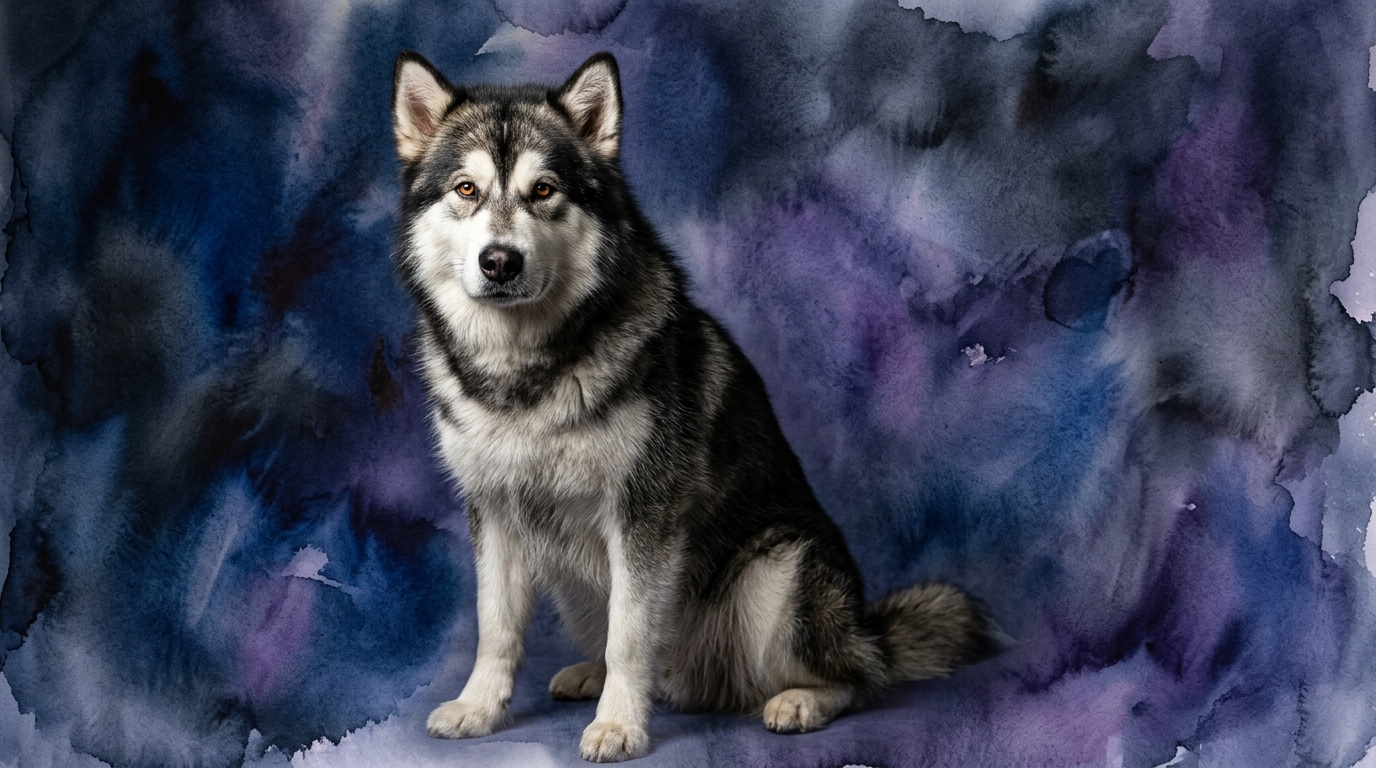
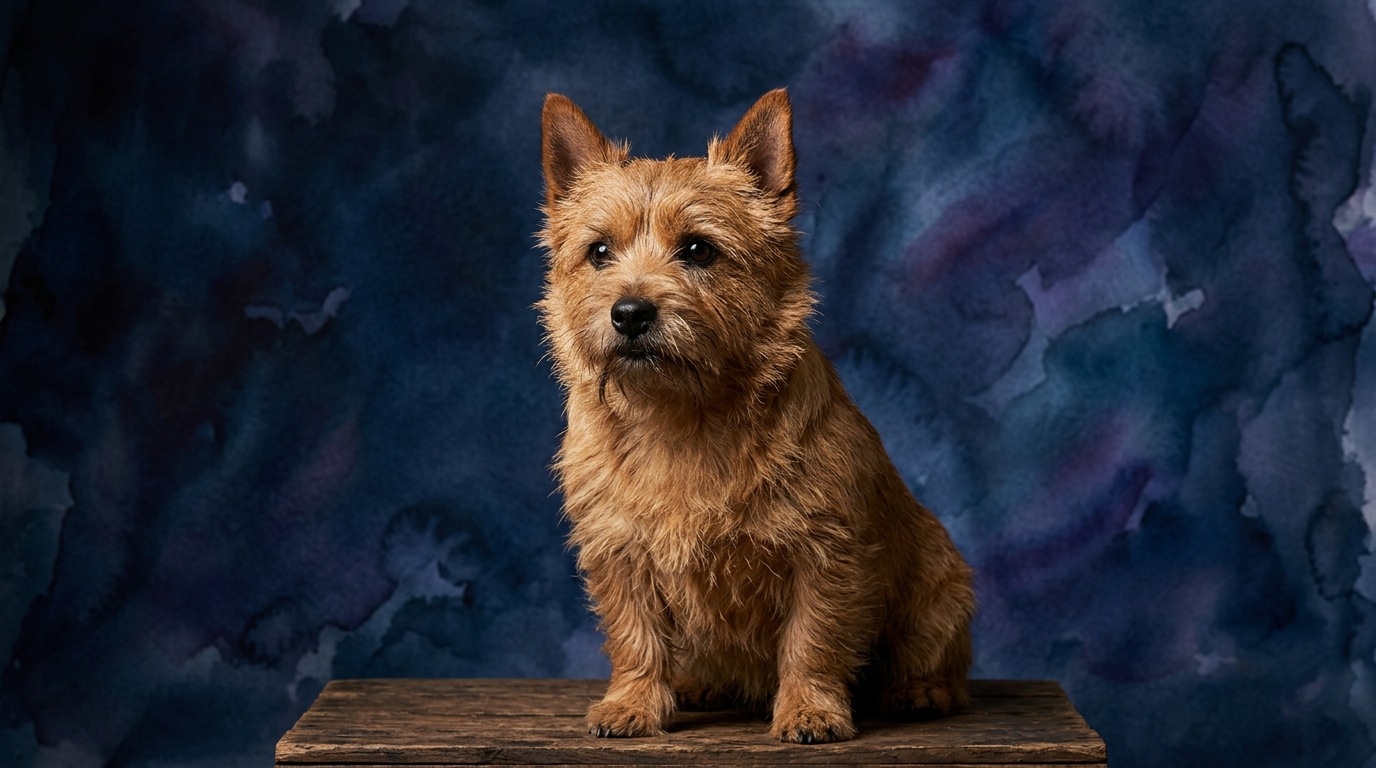
Side-by-Side Cognitive Profiles: Malamute vs. Norwich
The Alaskan Malamute, a majestic Working group dog, stands at Coren rank #50, hinting at its unique cognitive profile. Its Problem Solving ability is rated 4/5, indicating deep resourcefulness and strategic thinking, often applied to self-serving goals or navigating complex environments. Training Speed is a modest 2/5, reflecting their independent nature and strong will, meaning they consider commands rather than instantly comply. Social Intelligence, at 3/5, suggests they form strong bonds within their chosen 'pack' but can be discerning with outsiders, understanding social hierarchies. An impressive Instinctive Drive of 5/5 underscores their powerful urge to pull, hunt, and endure, deeply rooted ancestral behaviors essential for survival. Finally, their Memory, at 4/5, allows them to retain complex spatial information, routines, and experiences, particularly those that benefit them.
The Norwich Terrier, a spirited member of the Terrier group, is not specifically listed on Coren's rankings, but our IQ metrics offer insight into its quick-witted nature. Its Problem Solving capacity is 3/5, demonstrating practical ingenuity in overcoming immediate obstacles, like retrieving a hidden toy or getting attention. Training Speed is rated 3/5, meaning they are generally receptive but easily distracted by their environment, requiring engaging and varied methods. Social Intelligence, also 3/5, shows they are typically outgoing and adept at reading human cues, eager to engage in social play. An Instinctive Drive of 3/5 highlights their terrier heritage – a drive for chasing small prey and digging, though less intense than the Malamute’s working impulse. Their Memory, at 3/5, allows them to recall routines and commands, but their focus might shift quickly if something more stimulating captures their attention.
Where the Alaskan Malamute Cognitively Excels
The Alaskan Malamute’s cognitive strengths truly shine in scenarios demanding independent thought, endurance, and complex environmental navigation. Their 4/5 Problem Solving rating isn't about solving abstract puzzles, but rather resourcefulness in real-world, often challenging, situations. Imagine a Malamute needing to find a way through a snowdrift or remembering the most efficient route across a vast landscape; their minds are engineered for sustained, strategic effort without constant human direction. This deep-seated ability, combined with a 4/5 Memory, allows them to retain intricate details about their surroundings and past experiences, making them exceptional at tasks requiring long-term recall of paths or patterns. Their 5/5 Instinctive Drive fuels this, directing their intelligence towards achieving goals related to survival, movement, and pack cohesion. They excel where a resilient, self-reliant mind is paramount.
Where the Norwich Terrier Cognitively Excels
Conversely, the Norwich Terrier excels in cognitive domains that demand quick adaptability, immediate responsiveness, and charm in more domestic or social settings. Their 3/5 Problem Solving manifests as practical, often nimble, solutions to smaller-scale challenges, like manipulating a toy to get a squeak or gaining access to a preferred spot. Unlike the Malamute’s broad, enduring focus, the Norwich often applies its intelligence to immediate, tangible rewards. Their 3/5 Social Intelligence helps them navigate human interactions with a keen understanding of cues, making them engaging companions who can subtly persuade for attention or treats. While their Instinctive Drive is lower at 3/5, it’s highly focused on terrier-specific tasks like tracking small prey, requiring a different kind of quick, sharp thinking. They demonstrate an agile mind, adept at processing immediate sensory information and reacting with characteristic terrier tenacity.
Training Dynamics: Which Breed is More Amenable?
When considering ease of training, the distinction between these two breeds becomes clear, largely due to their differing Training Speed and Instinctive Drive scores. The Alaskan Malamute, with a Training Speed of 2/5, presents a significant challenge for novice trainers. Their robust 5/5 Instinctive Drive and independent problem-solving often mean they prefer to work *with* you, not necessarily *for* you. They will weigh a command against their own desires, requiring immense patience, highly motivating rewards, and consistent, engaging methods that tap into their natural work ethic. Training a Malamute involves building a deep, respectful partnership, understanding that rote obedience is not their primary cognitive function. In contrast, the Norwich Terrier, with a Training Speed of 3/5, is generally more amenable to training. While their 3/5 Instinctive Drive can make them prone to distractions, especially when a squirrel or interesting scent appears, they possess a greater eagerness to please their human companions. Their social intelligence helps them quickly grasp what is expected. Positive reinforcement, varied exercises, and short, frequent sessions work best, keeping their sharp minds engaged without overwhelming their terrier focus. They typically offer quicker responses and a more straightforward training journey than the self-reliant Malamute.
Lifestyle Match: Active vs. Relaxed Owners
The choice between these breeds for active versus relaxed owners hinges on their profound differences in physical and mental energy output. The Alaskan Malamute is unequivocally suited for highly active owners. Their 5/5 Instinctive Drive fuels an immense need for physical exertion, whether long hikes, sledding, or other demanding activities that engage their powerful bodies and minds. Owners must be prepared for daily, vigorous exercise and continuous mental challenges to prevent boredom and destructive behaviors. A Malamute thrives when given a 'job' and requires an owner who understands their need for sustained engagement and consistent boundaries. This is not a breed for a relaxed, sedentary lifestyle. The Norwich Terrier, while small, is far from a lapdog and is best suited for moderately active owners. They require regular walks, engaging playtime, and mental stimulation through training and puzzle toys. Their 3/5 Instinctive Drive means they enjoy chasing and exploring, but their energy requirements are manageable for someone who enjoys daily activity without needing to commit to extreme endurance sports. They can adapt to apartment living if their exercise needs are met, but a truly 'relaxed' owner might find their spirited nature and desire for engagement overwhelming.
The Verdict
For those seeking a profound partnership with a powerful, independent, and resilient working dog, the Alaskan Malamute offers a unique cognitive challenge and immense reward.
Choose the Norwich Terrier if you desire a charming, spirited, and adaptable companion who thrives on interaction and brings a tenacious zest to a moderately active household.
🧠 Find Your Pet's IQ Score
Our Pet IQ Lab assessment covers 25+ tests across 5 cognitive dimensions — personalized to your breed.
Take the Full IQ Test →Frequently Asked Questions
Are Alaskan Malamutes stubborn?
Yes, their high problem-solving and strong instinctive drive often manifest as stubbornness, as they prefer to think for themselves rather than blindly obey and will weigh commands against their own perceived needs or desires.
Do Norwich Terriers bark a lot?
Norwich Terriers can be vocal, often using their bark to alert to perceived threats, express excitement, or demand attention, a trait common in many terrier breeds that makes them effective watchdogs.
Can a Norwich Terrier live with cats?
While possible with early socialization and careful introduction, a Norwich Terrier's inherent prey drive for small animals means owners must supervise interactions closely and manage expectations, as their instincts can be strong.