Side-by-Side Cognitive Profiles
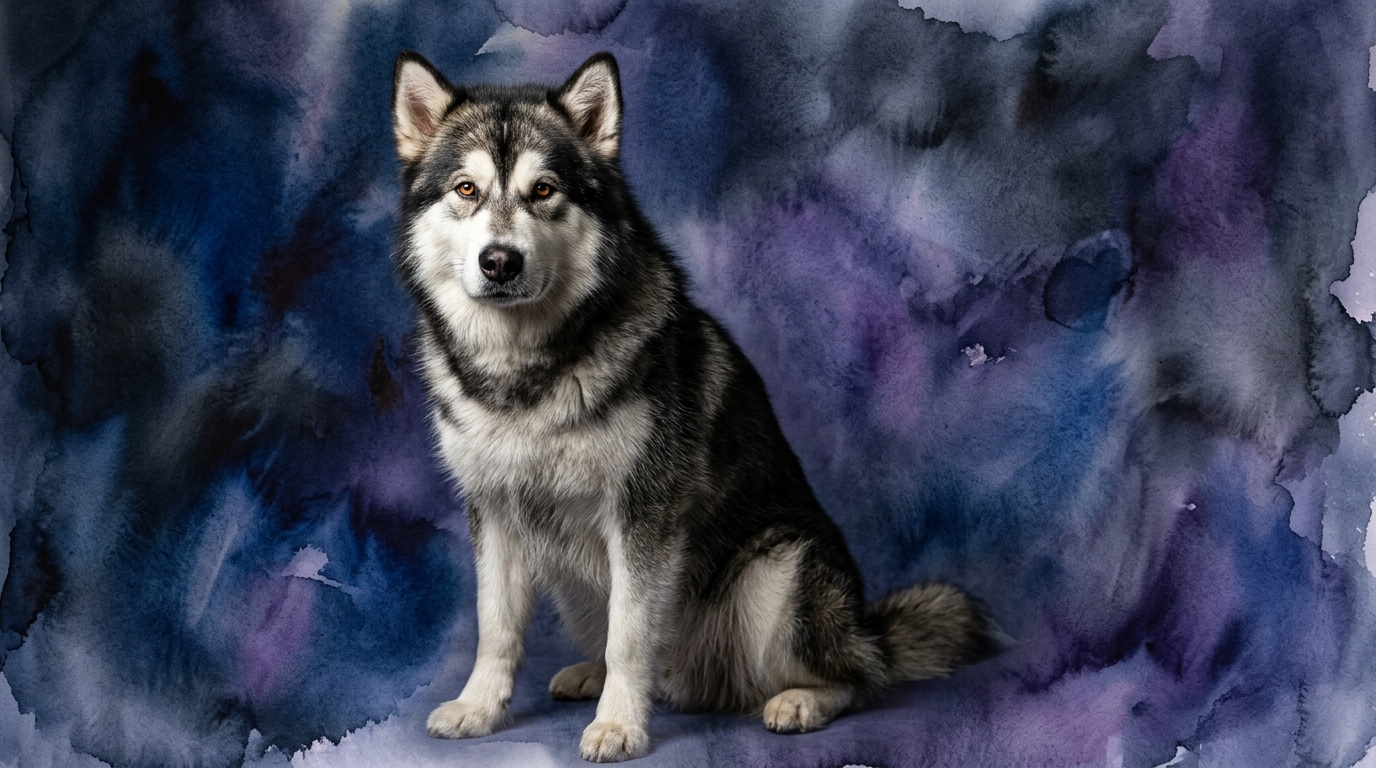
The Alaskan Malamute, ranked #50 by Stanley Coren, exhibits a robust cognitive makeup tailored for survival and demanding work in harsh environments. Their Problem Solving is rated 4/5, reflecting an impressive capacity for independent thought and navigating complex physical challenges. Training Speed, however, stands at 2/5, indicating a more deliberate and often self-directed learning approach. Social Intelligence is 3/5, suggesting they understand pack dynamics but prioritize their own decision-making. Their Instinctive Drive is a commanding 5/5, fueling their powerful work ethic and innate navigational skills, while Memory is strong at 4/5, crucial for remembering trails and tasks.
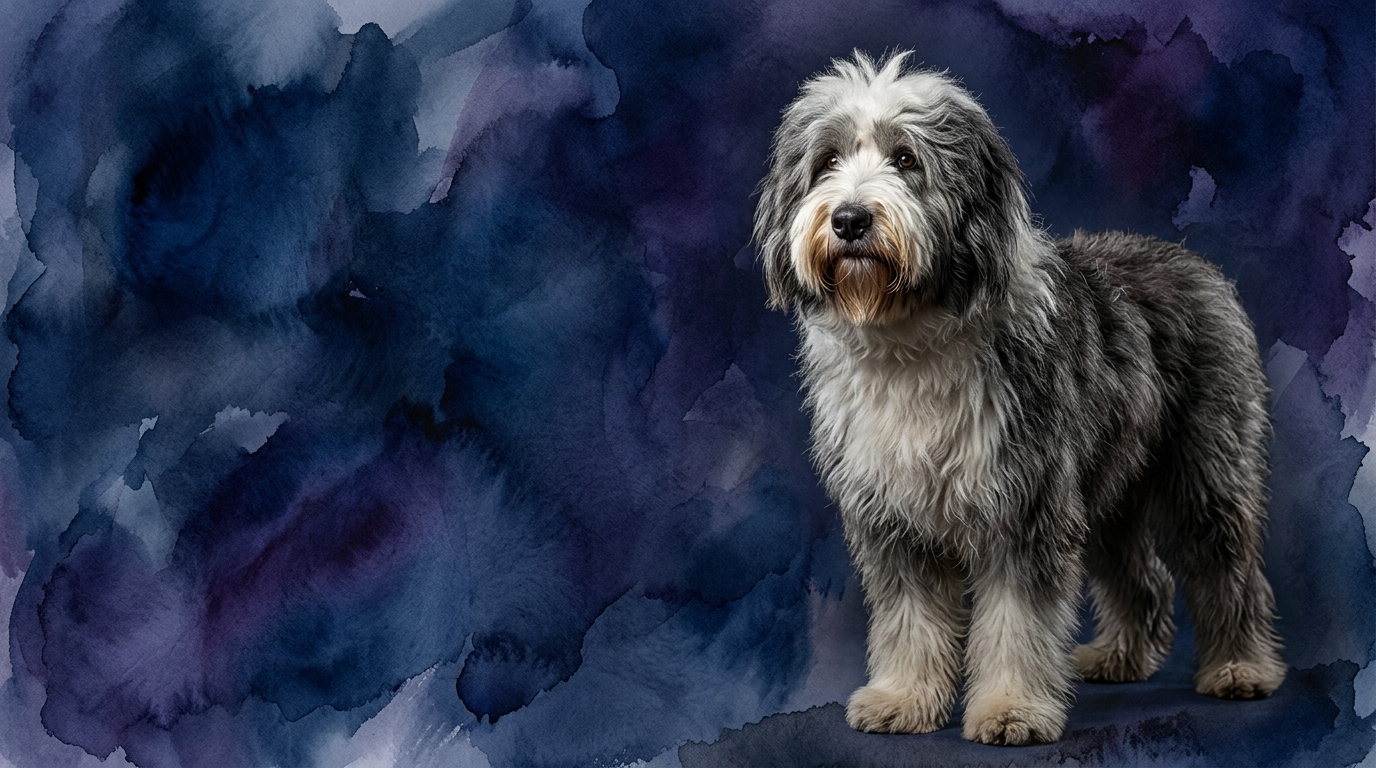
In contrast, the Old English Sheepdog, with a higher Coren rank of #44, presents a slightly different cognitive emphasis rooted in cooperative herding. Their Problem Solving is 3/5, competent but perhaps less focused on independent, environmental navigation than the Malamute. Training Speed is 3/5, showing a more balanced responsiveness to instruction, while Social Intelligence also rates 3/5, reflecting their need to work in concert with humans and livestock. Instinctive Drive is 3/5, oriented towards gathering and protecting rather than sheer physical endurance, and their Memory is equally strong at 4/5, vital for recalling flock movements and routines.
While both breeds demonstrate solid memory, their Coren ranks and specific IQ dimension scores highlight a divergence in cognitive specialization. The Malamute's profile leans towards independent, physically demanding tasks, while the Old English Sheepdog's suggests a more trainable, socially cooperative nature, essential for effective herding.
Where the Alaskan Malamute Wins Cognitively
The Alaskan Malamute clearly distinguishes itself in two key cognitive areas: Problem Solving (4/5) and Instinctive Drive (5/5). Their historical role as freight haulers in unforgiving Arctic conditions demanded dogs capable of autonomous decision-making, such as finding routes through snowdrifts or assessing ice safety without constant human direction. This translates into a dog that can independently figure out how to open gates, retrieve objects from challenging spots, or even outsmart containment efforts. Their cognitive strength lies in their ability to assess a situation and devise a solution, often with a stubborn determination.
The Malamute's exceptional Instinctive Drive isn't just about physical endurance; it's a deep-seated motivation to work and push boundaries. This drive manifests as an enduring focus on a task once engaged, whether it's pulling a sled, digging an impressive hole, or navigating vast distances. This profound internal motivation, coupled with their problem-solving acumen, makes them formidable partners for complex, physically demanding endeavors where independent initiative is paramount.
Where the Old English Sheepdog Wins Cognitively
The Old English Sheepdog's cognitive strengths shine in areas that prioritize cooperation and focused attention, particularly evident in their slightly superior Coren rank of #44 and balanced IQ scores. While their Problem Solving is 3/5, their Training Speed is also 3/5, indicating a more consistent willingness to absorb and apply human instruction. This balance makes them adept at learning complex sequences of commands, which is crucial for intricate herding tasks where precise movements and responses are necessary.
Their herding Instinctive Drive (3/5), while not as high as the Malamute's, is channeled specifically towards controlling and moving livestock, requiring a different kind of cognitive engagement. This drive involves understanding subtle cues, anticipating animal movements, and executing specific maneuvers to gather or drive a flock. Their cognitive success lies in their ability to integrate human commands with their innate herding instincts, creating a highly effective and responsive working partnership. This cooperative intelligence, rather than independent problem-solving, is their hallmark.
Which is Easier to Train and Why
When considering ease of training, the Old English Sheepdog holds an advantage with a Training Speed of 3/5 compared to the Alaskan Malamute's 2/5. The OES's background in herding cultivated a disposition to work closely with handlers, responding to commands to manage livestock. They typically possess a greater desire to please and a more inherent inclination to follow direction, making them generally more receptive to obedience training and learning new cues efficiently.
The Alaskan Malamute's lower Training Speed stems from their independent nature and powerful instinctive drive. Bred to make decisions autonomously while pulling heavy loads in remote areas, they often view commands as suggestions rather than strict directives. Their strong will and tendency to prioritize their own judgment can make training a prolonged exercise in patience and consistency. While they are capable of learning, their motivation is often intrinsic to the task or their own agenda, rather than solely pleasing their human partner, which can present a behavioral difference requiring more creative and persistent training approaches.
Which Suits Active Owners vs. Relaxed Owners
The Alaskan Malamute is unequivocally suited for active owners who understand and embrace their profound need for physical exertion and mental engagement. Their 5/5 Instinctive Drive translates into a dog that requires significant daily exercise, often involving long walks, runs, or opportunities to 'work' by pulling carts or participating in dog sports. Their 4/5 Problem Solving also means they need mental challenges to prevent boredom, which can otherwise manifest in destructive behaviors. Owners who enjoy outdoor adventures and can provide consistent, stimulating activities will find a fulfilling partnership with a Malamute.
The Old English Sheepdog, while also requiring regular exercise, offers more adaptability for owners who might prefer a balance between activity and more relaxed family time. Their 3/5 Instinctive Drive means they enjoy active play and walks, but their herding background also predisposes them to being content resting near their 'flock' (their family). While they thrive on mental stimulation and training, they are generally less demanding of constant, high-intensity work than the Malamute. Owners who appreciate a dog that can keep up on a hike but is equally happy to lounge indoors will find the OES a suitable companion.
The Verdict
Choose an Alaskan Malamute if you are an experienced, active owner seeking an independent, problem-solving companion for demanding outdoor adventures and appreciate a dog with a powerful, self-directed work ethic.
Opt for an Old English Sheepdog if you prefer a more cooperative, trainable companion for family life, who enjoys a blend of activity and relaxed companionship, and thrives on engaging in structured tasks.
🧠 Find Your Pet's IQ Score
Our Pet IQ Lab assessment covers 25+ tests across 5 cognitive dimensions — personalized to your breed.
Take the Full IQ Test →Frequently Asked Questions
Do Alaskan Malamutes and Old English Sheepdogs get along with other pets?
Alaskan Malamutes possess a strong prey drive (high instinctive drive) which can make introductions to smaller pets challenging, requiring careful socialization. Old English Sheepdogs typically have a more moderate instinctive drive and can integrate well with other pets with proper introductions, often exhibiting a gentle, protective nature.
Are these breeds suitable for first-time dog owners?
The Alaskan Malamute, with its independent nature and lower training speed, is generally not recommended for first-time dog owners as they require consistent, experienced handling. The Old English Sheepdog, while requiring commitment to grooming and training, can be a more manageable choice for dedicated first-time owners due to their more cooperative temperament.
How do their grooming needs compare?
Both breeds have substantial grooming needs, but for different reasons. The Old English Sheepdog requires extensive daily or every-other-day brushing to prevent matting in their long, shaggy coat. The Alaskan Malamute has a dense double coat that sheds heavily twice a year, requiring frequent brushing during these periods, but less intensive maintenance otherwise.