Side-by-Side IQ Profile
The Cosmic Pet Pet IQ Lab's assessment provides a detailed look into the cognitive architecture of these two distinct breeds, highlighting where their mental strengths lie. Understanding these dimensions offers insight into their behaviors and suitability for various lifestyles.
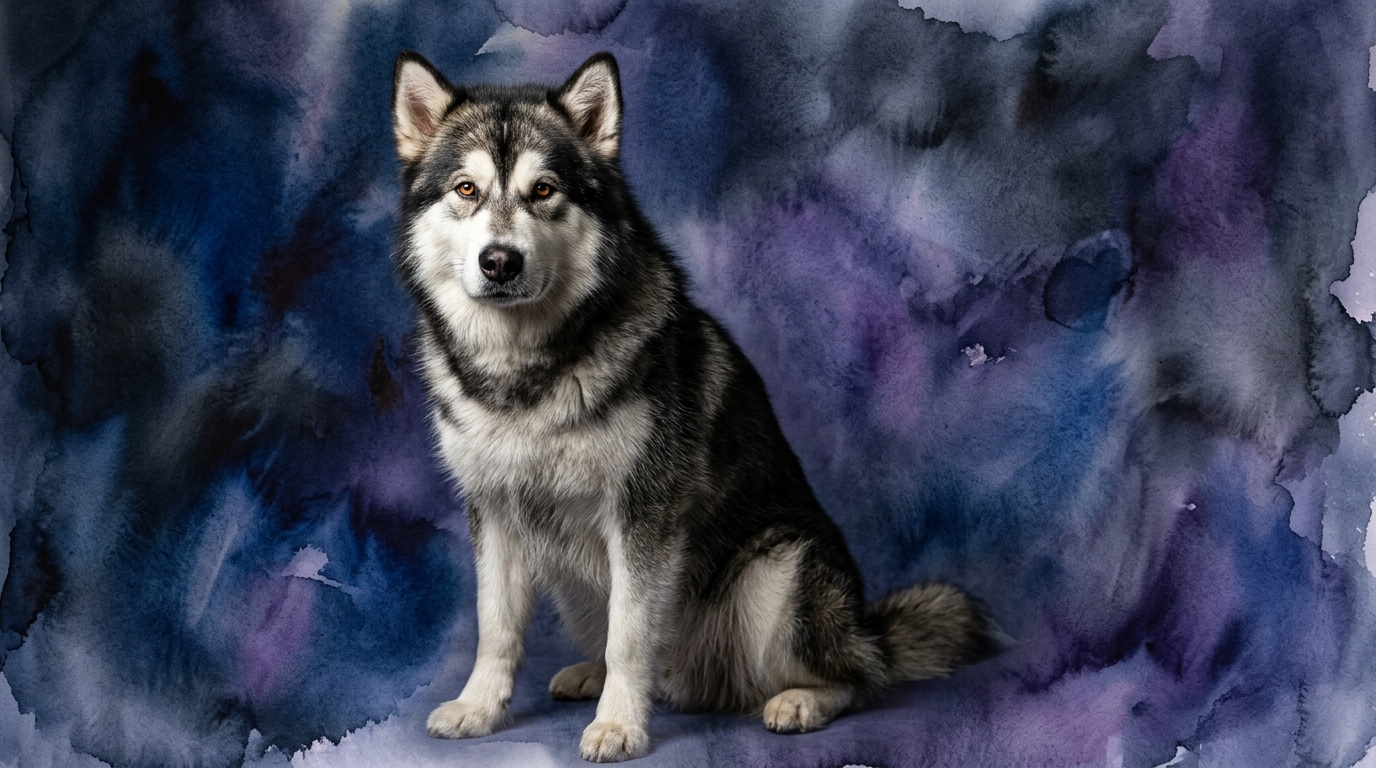
**Alaskan Malamute:** This powerful working dog showcases a unique blend of independence and robust cognitive skills. Their **Problem Solving (4/5)** is strong, often involving creative solutions to environmental challenges, reflecting their history of navigating complex terrain. **Training Speed (2/5)** is deliberate; Malamutes assess the value of a command before complying, requiring patient and highly motivating training. Their **Social Intelligence (3/5)** is moderate, focusing on pack dynamics within their established family unit. The Malamute's **Instinctive Drive (5/5)** is exceptionally powerful, encompassing strong urges to pull, dig, and explore, which are deeply embedded. They possess a solid **Memory (4/5)**, retaining learned behaviors and routines effectively, though compliance remains tied to their independent judgment.
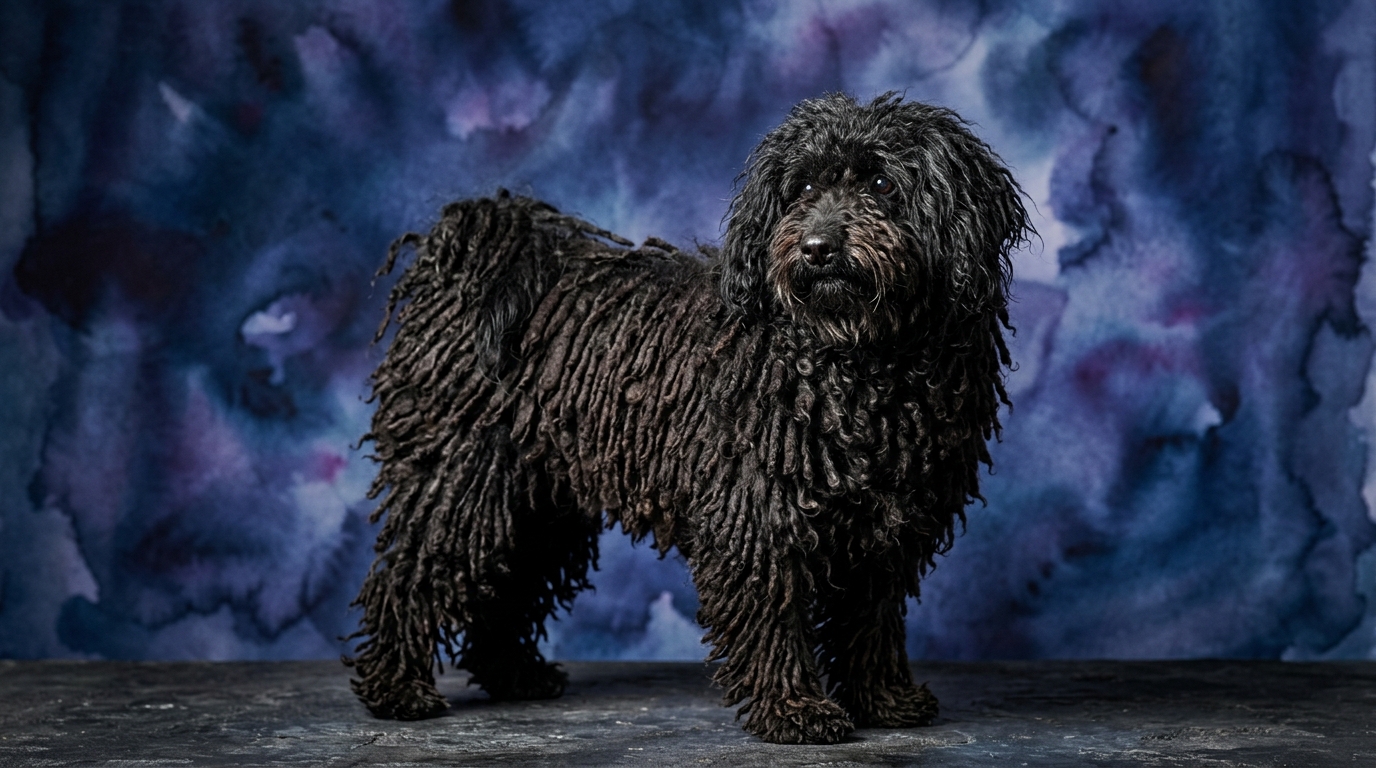
**Puli:** As a nimble herding dog, the Puli's cognitive profile emphasizes agility and responsiveness. Their **Problem Solving (4/5)** is equally strong, manifesting as quick strategic thinking to manage livestock or navigate complex tasks efficiently. **Training Speed (4/5)** is impressive; Pulis rapidly assimilate new commands and routines, eager to work alongside their handler. Their **Social Intelligence (3/5)** mirrors the Malamute's, showing attentiveness to their human family but generally less overt gregariousness with strangers. The Puli's **Instinctive Drive (3/5)** is primarily channeled into herding behaviors, focusing on control and movement rather than direct pursuit. They also exhibit a strong **Memory (4/5)**, vital for recalling intricate command sequences and patterns required for their working roles.
Where Alaskan Malamute Wins Cognitively
The Alaskan Malamute's cognitive profile shines brightest in areas demanding independence and self-reliance, particularly evident in its remarkable instinctive drive and problem-solving prowess. With a perfect 5/5 in instinctive drive, Malamutes possess an unparalleled inner motivation to perform their ancestral tasks of pulling, digging, and exploring. This robust drive isn't just about physical exertion; it's a deep cognitive blueprint that guides their decision-making in complex environments, allowing them to operate effectively even when direct human guidance is absent. Their 4/5 problem-solving score is intrinsically linked to this, as they historically needed to navigate treacherous arctic terrains, find food, and protect themselves without constant human intervention. This translates into a dog that can independently assess situations and devise solutions, such as figuring out how to open a gate or unearth a buried treasure, often using their powerful physical attributes in concert with their mental ingenuity. Their solid memory (4/5) further supports this independence, allowing them to recall successful strategies and navigate familiar territories with efficiency. For tasks requiring sustained, self-directed effort and robust physical application of problem-solving, the Malamute's cognitive makeup provides a distinct advantage, showing a deep understanding of their own capabilities and environment.
Where Puli Wins Cognitively
The Puli's cognitive strengths are most pronounced in its exceptional trainability and efficiency in learning, reflected in its superior Coren rank (#25) and impressive 4/5 training speed. Unlike the Malamute's independent assessment of tasks, the Puli's cognitive framework is geared towards rapid assimilation of commands and a strong desire to collaborate with its handler. This quick learning curve is a direct legacy of its herding role, where immediate response to intricate signals and precise execution of complex maneuvers were paramount. A Puli can process new information swiftly and integrate it into its behavioral repertoire, making it an agile mental athlete in structured learning environments. Their 4/5 problem-solving score, while matching the Malamute's, manifests differently; for the Puli, it's about strategic thinking within a defined system, such as outmaneuvering a stubborn sheep or finding the optimal path to gather a flock. Their solid memory (4/5) reinforces this, enabling them to recall elaborate sequences of commands and patterns crucial for herding and performance sports. The Puli's cognitive edge lies in its capacity for highly responsive, cooperative intelligence, where mental agility and a willingness to engage with human direction lead to swift and precise actions.
Which Is Easier to Train and Why
Between the Alaskan Malamute and the Puli, the Puli is unequivocally easier to train, primarily due to its cognitive predisposition for cooperation and its impressive training speed of 4/5. Pulis were bred to work in close partnership with shepherds, requiring them to be highly attentive and responsive to commands. This inherent desire to please and engage with their handler means they absorb new information rapidly and are eager to perform tasks. Their herding instinct, while strong, is channeled into controlled movements and strategic thinking, making them receptive to guidance. In contrast, the Alaskan Malamute, with a training speed of 2/5, presents a more significant training challenge. Their powerful independent streak, a necessity for survival in harsh arctic environments, means they often question the utility of a command from their perspective. A Malamute might understand what you want but will weigh it against its own perceived priorities or desires, such as the thrill of chasing a squirrel. This necessitates trainers to be exceptionally patient, consistent, and creative in finding high-value motivators, as simple repetition often isn't enough to override their self-directed nature. The Puli's intrinsic motivation to work with its human partner makes the training process a far smoother and often more rewarding experience for both dog and owner.
Which Suits Active Owners vs. Relaxed Owners
Both breeds generally suit active owners, but their activity needs and cognitive engagement styles differ significantly. The Alaskan Malamute, with its exceptional instinctive drive (5/5) and need for independent problem-solving, thrives with owners who can provide extensive, rugged outdoor activities. This means long hikes, sledding, cani-cross, or even just extended exploration in varied terrain where their natural instincts to pull, dig, and navigate can be fulfilled. A Malamute requires an owner who understands their need for mental and physical exertion, and who can channel their powerful drives into appropriate outlets rather than expecting them to be content with mere backyard playtime. Their independent nature makes them less suited for owners seeking a constantly engaged, “velcro” companion and definitely not for relaxed, sedentary lifestyles, as boredom can lead to destructive behaviors. The Puli, while also energetic and requiring regular exercise, leans towards activities that engage its cooperative intelligence and agility. Its herding background means it excels in dog sports like agility, obedience, and even urban herding activities, which provide both physical exertion and mental stimulation. Pulis appreciate structured play and training sessions that allow them to work closely with their owner. While they are active, their cognitive engagement is more about partnership and directed tasks, making them suitable for active owners who enjoy interactive training and sports, rather than simply letting the dog roam independently. A Puli could adapt to a slightly less intense but still active lifestyle than a Malamute, especially if provided with ample mental challenges.
The Verdict
Choose an Alaskan Malamute if you are an experienced, active owner ready to embrace a strong-willed, independent companion whose needs for rugged outdoor adventure and self-directed problem-solving are paramount.
Choose a Puli if you seek an agile, highly trainable partner for dog sports, intricate obedience, and cooperative activities, valuing quick learning and a strong desire to work alongside you.
🧠 Find Your Pet's IQ Score
Our Pet IQ Lab assessment covers 25+ tests across 5 cognitive dimensions — personalized to your breed.
Take the Full IQ Test →Frequently Asked Questions
Do Alaskan Malamutes and Pulis have similar social intelligence?
Both breeds score 3/5 in social intelligence, indicating a moderate understanding of social cues and pack dynamics. While they are devoted to their immediate families, neither is typically known for being overly effusive or broadly social with strangers, preferring their established circle.
What kind of mental stimulation do these breeds need to thrive?
Alaskan Malamutes need mental stimulation that taps into their problem-solving and instinctive drives, such as puzzle toys, scent work, and opportunities for independent exploration. Pulis thrive on mental challenges that involve learning new commands, complex obedience routines, and agility courses, engaging their cooperative intelligence.
Is the Puli's Coren rank of #25 a direct indicator of superior intelligence over the Malamute's #50?
Stanley Coren's ranking primarily assesses 'working and obedience intelligence,' which heavily favors a dog's ability to learn and respond to human commands quickly. The Puli's higher rank (#25) reflects its superior trainability and responsiveness, while the Malamute's (#50) indicates its more independent nature, not necessarily a deficit in overall cognitive capacity.