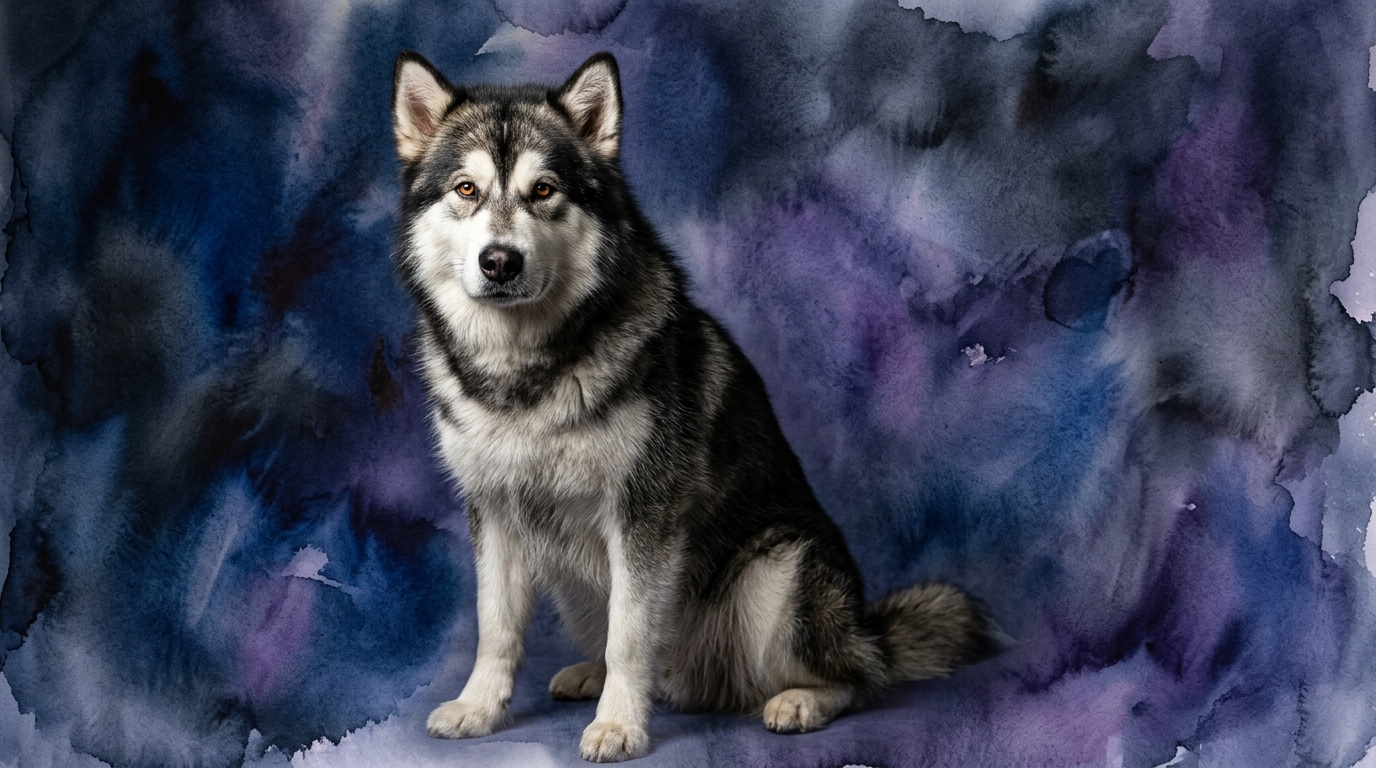
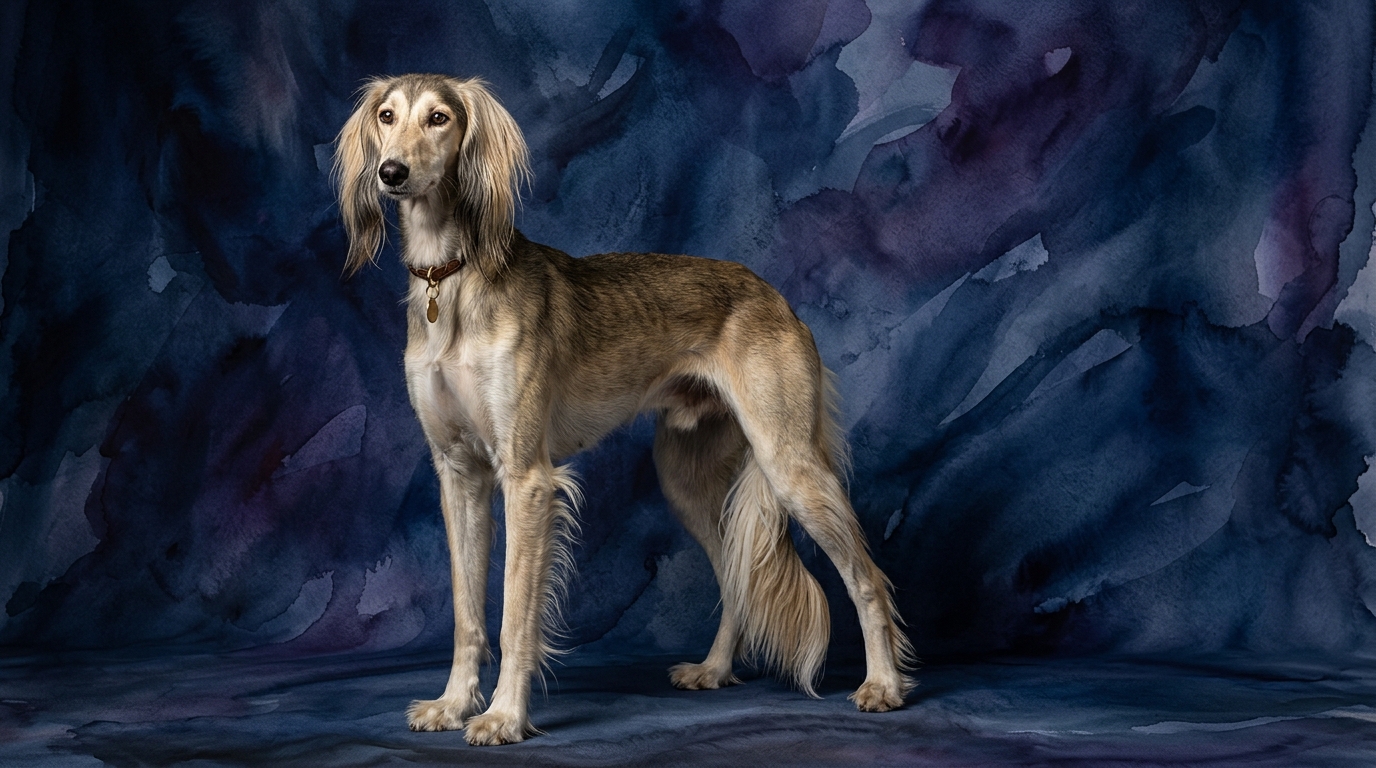
Side-by-Side Cognitive Profiles
The Alaskan Malamute, a powerful working dog from the Arctic, exhibits a cognitive profile sculpted by tasks demanding endurance, collaboration, and independent decision-making in harsh environments. Their problem-solving capacity registers at a robust 4/5, indicating a strong ability to navigate complex situations and strategize, often independently. However, their training speed is a more moderate 2/5, reflecting a breed that thinks for itself and isn't always quick to comply with human directives if it perceives a better alternative. Social intelligence stands at 3/5, suggesting a capacity for understanding pack dynamics and human cues, though often balanced with an independent streak. Their instinctive drive is exceptionally high at 5/5, fueled by an innate desire to pull, hunt, and explore, which profoundly shapes their cognitive focus. Memory for this breed is also strong at 4/5, enabling them to recall complex routes, tasks, and social interactions.
In contrast, the Saluki, an ancient sighthound, possesses a cognitive architecture refined for speed, visual acuity, and independent pursuit over vast distances. Their problem-solving ability is rated 3/5, demonstrating competence in navigating challenges, particularly those related to hunting, but perhaps with less emphasis on complex, multi-step strategizing compared to a working breed. Their training speed is a solid 3/5, indicating a moderate willingness to learn and respond, though often on their own terms. Social intelligence, like the Malamute, is 3/5, reflecting an awareness of their human companions and family, but generally with a more aloof and independent demeanor. The Saluki's instinctive drive is 3/5, primarily focused on the chase and visual tracking, which, while potent, manifests differently than the Malamute's sustained physical exertion drive. Their memory is rated 3/5, sufficient for remembering routines and locations, but perhaps not as intensely focused on intricate details as a dog bred for complex, repetitive tasks.
Where the Alaskan Malamute Excels Cognitively
The Alaskan Malamute's cognitive strengths are deeply rooted in its heritage as a heavy-duty freighting dog. Its problem-solving score of 4/5 isn't just about figuring out puzzles; it's about making critical decisions in challenging environments. For instance, a Malamute might instinctively navigate a blizzard or find the safest path across treacherous terrain, using its strong memory (4/5) to recall past experiences and adapt. This capacity for independent judgment means they can assess a situation and act without constant human direction, a trait crucial for survival and task completion in their native landscape. Their exceptional instinctive drive (5/5) means they are highly motivated by opportunities to engage in physically demanding, purposeful activities, translating into a cognitive focus on tasks involving pulling, hauling, or sustained effort. This drive isn't just physical; it's a mental blueprint that directs their attention and problem-solving efforts towards achieving a goal, whether it's reaching a destination or overcoming an obstacle.
Where the Saluki Shines Cognitively
The Saluki's cognitive prowess centers around its specialized sighthound instincts and an understated independence. While its problem-solving (3/5) might seem lower than the Malamute's, it is exquisitely tailored to its primary function: spotting and pursuing prey at high speeds. This involves rapid visual processing, immediate decision-making about pursuit trajectories, and an impressive spatial awareness to navigate complex terrain during a chase. Their moderate training speed (3/5) also reflects a dog that learns efficiently when motivated, particularly when the task aligns with their natural inclinations or offers a clear reward, often in the form of freedom or a chase. Unlike the Malamute's sustained, collaborative drive, the Saluki's instinctive drive (3/5) is characterized by bursts of intense focus and speed, demanding a different kind of cognitive processing—one that prioritizes immediate reaction and precise execution over long-term planning or team-oriented effort. This independence, while sometimes perceived as aloofness, is a cognitive strength, allowing them to make split-second decisions in pursuit without requiring human intervention.
Training: A Study in Motivation and Independence
When it comes to trainability, the Alaskan Malamute and Saluki present distinct challenges and opportunities. The Malamute, with a training speed of 2/5 and ranking #50 in Coren's obedience intelligence, is often described as independent and strong-willed. Their high problem-solving ability and strong instinctive drive mean they will often question commands, choosing to comply only if they perceive value or if the command aligns with their own agenda. This isn't a lack of comprehension, but rather a robust self-determination. Training a Malamute requires immense patience, consistency, and positive reinforcement, often leveraging their natural drives like pulling or scent work to make learning engaging. They respond best to trainers who understand their independent nature and can make training feel like a collaborative problem-solving exercise rather than a series of commands.
The Saluki, with a training speed of 3/5 and not appearing on Coren's rank, offers a different training experience. While not as overtly stubborn as a Malamute, their sighthound independence means they are often more interested in their environment, particularly moving objects, than in human directives. Their social intelligence (3/5) allows them to form strong bonds, but their training motivation often stems from their own desires rather than a strong urge to please. They can learn quickly when engaged, but distractions, especially visual ones, can easily sidetrack them. Consistency is key, along with short, engaging sessions that keep their attention. Unlike the Malamute's drive for sustained work, the Saluki's drive is for bursts of activity, which means training methods need to accommodate their attention span and inherent inclination to chase. Successful training for both breeds hinges on understanding their unique cognitive motivations and adapting approaches accordingly.
Lifestyle Suitability: Active Engagement vs. Independent Spirit
The cognitive profiles of these breeds directly influence their suitability for different owner lifestyles. The Alaskan Malamute, with its 5/5 instinctive drive and 4/5 problem-solving, is unequivocally suited for highly active owners who can provide consistent, demanding physical and mental stimulation. These dogs thrive when given a 'job'—whether it's sledding, hiking, canicross, or advanced obedience and puzzle work. Their strong memory and social intelligence mean they enjoy being a part of family activities, but their independence and drive necessitate an owner who is firm, consistent, and willing to invest significant time in training and exercise. A relaxed owner might find themselves overwhelmed by a Malamute's boundless energy and potential for destructive behaviors if not adequately channeled, as their intelligent minds will find ways to occupy themselves, often not in ways humans appreciate.
The Saluki, while possessing an inherent need for bursts of intense activity, can be surprisingly suitable for owners who appreciate a more relaxed indoor companion once their exercise needs are met. Their 3/5 instinctive drive, while potent for chasing, doesn't translate into the same sustained, relentless energy as a Malamute. They need secure off-leash areas to run at top speed or consistent leash walks, but typically transition well to lounging at home. Their social intelligence (3/5) and independence mean they enjoy their family but aren't typically as demanding of constant attention as some other breeds. Owners must be prepared for their strong prey drive and ensure secure environments. A relaxed owner who can commit to daily sprints or long walks, but appreciates a calm, independent dog indoors, might find the Saluki a better fit than the perpetually 'on-duty' Malamute, as long as their specific exercise requirements are met without fail.
The Verdict
Choose the Alaskan Malamute if you are an experienced, highly active owner eager for a strong-willed, collaborative partner in demanding physical and mental endeavors, ready to channel their profound drives into purposeful activity.
Opt for the Saluki if you appreciate an independent, graceful companion who thrives on intense bursts of running activity followed by calm indoor relaxation, and you can provide secure environments for their strong sighthound instincts.
🧠 Find Your Pet's IQ Score
Our Pet IQ Lab assessment covers 25+ tests across 5 cognitive dimensions — personalized to your breed.
Take the Full IQ Test →Frequently Asked Questions
Is the Alaskan Malamute truly stubborn or just independent?
The Alaskan Malamute's perceived stubbornness is more accurately described as strong independence and self-determination; their high problem-solving ability means they often evaluate commands and choose to comply only if it aligns with their perceived best interest or if the motivation is strong enough. This requires a nuanced training approach that respects their intelligence and strong will.
How does a Saluki's instinctive drive differ from a Malamute's?
A Saluki's instinctive drive (3/5) is primarily focused on visual pursuit and high-speed chase, manifesting in bursts of intense activity. A Malamute's instinctive drive (5/5) is geared towards sustained physical effort, pulling, and working collaboratively in demanding environments, requiring a more constant mental and physical engagement.
Which breed is better for a first-time dog owner?
Neither breed is typically recommended for first-time dog owners due to their strong independent streaks and specific needs. The Alaskan Malamute requires significant commitment to training and exercise for their high drive, while the Saluki's intense prey drive and need for secure running spaces also present unique challenges.