A Side-by-Side Look at Cognitive Profiles
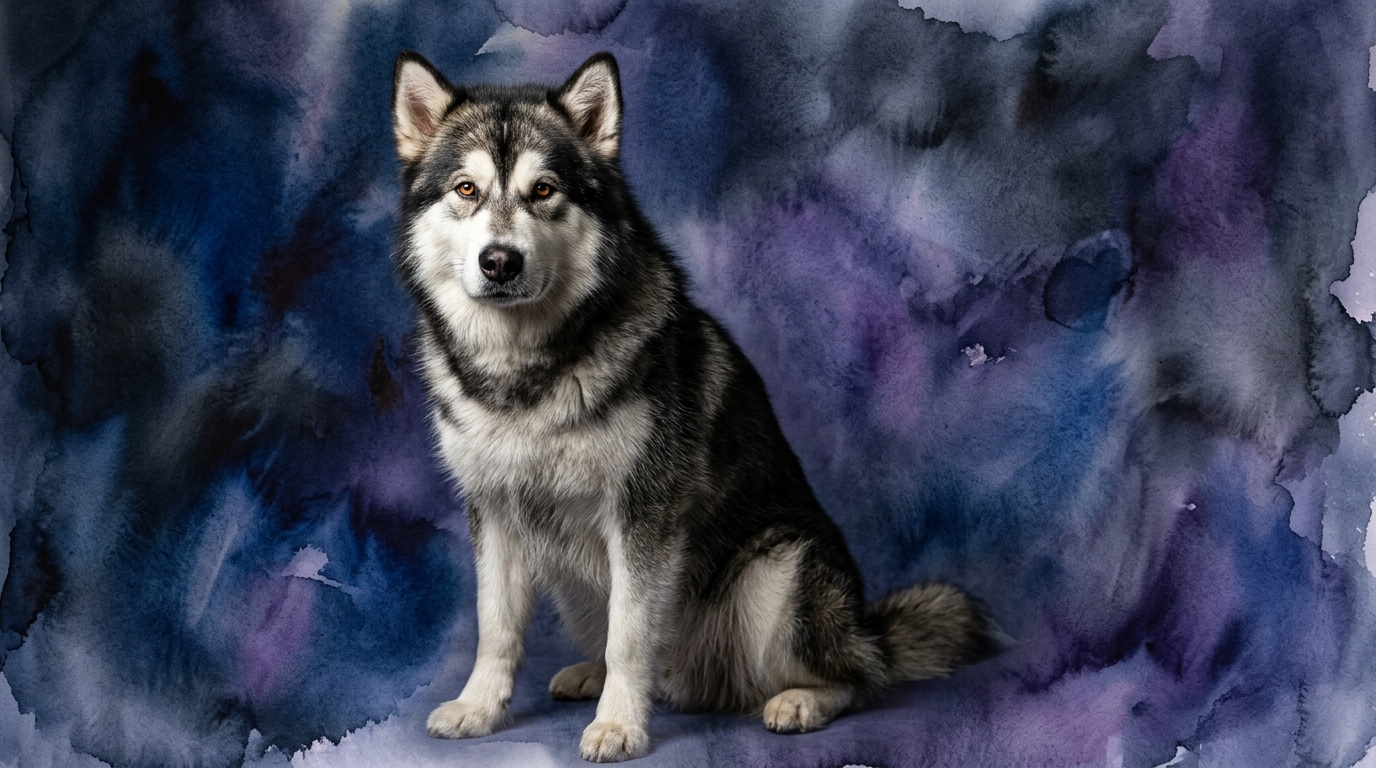
The Cosmic Pet Pet IQ Lab provides a unique framework to understand canine cognition, moving beyond simple 'smart' labels to dissect specific intellectual dimensions. For the Alaskan Malamute, a breed steeped in arduous working history, we observe a Coren rank of #50, placing it in the average working intelligence category for obedience and working IQ. Its detailed cognitive scores are: Problem Solving 4/5, indicating a robust capacity for independent thought and innovation in navigating challenges; Training Speed 2/5, suggesting a slower acquisition of novel commands often due to an independent nature rather than a lack of understanding; Social Intelligence 3/5, showing an adequate ability to interpret human cues and interact within a social structure; Instinctive Drive 5/5, a testament to its powerful innate motivations for tasks like pulling and hunting; and Memory 4/5, reflecting a strong ability to retain learned information and spatial awareness over time.
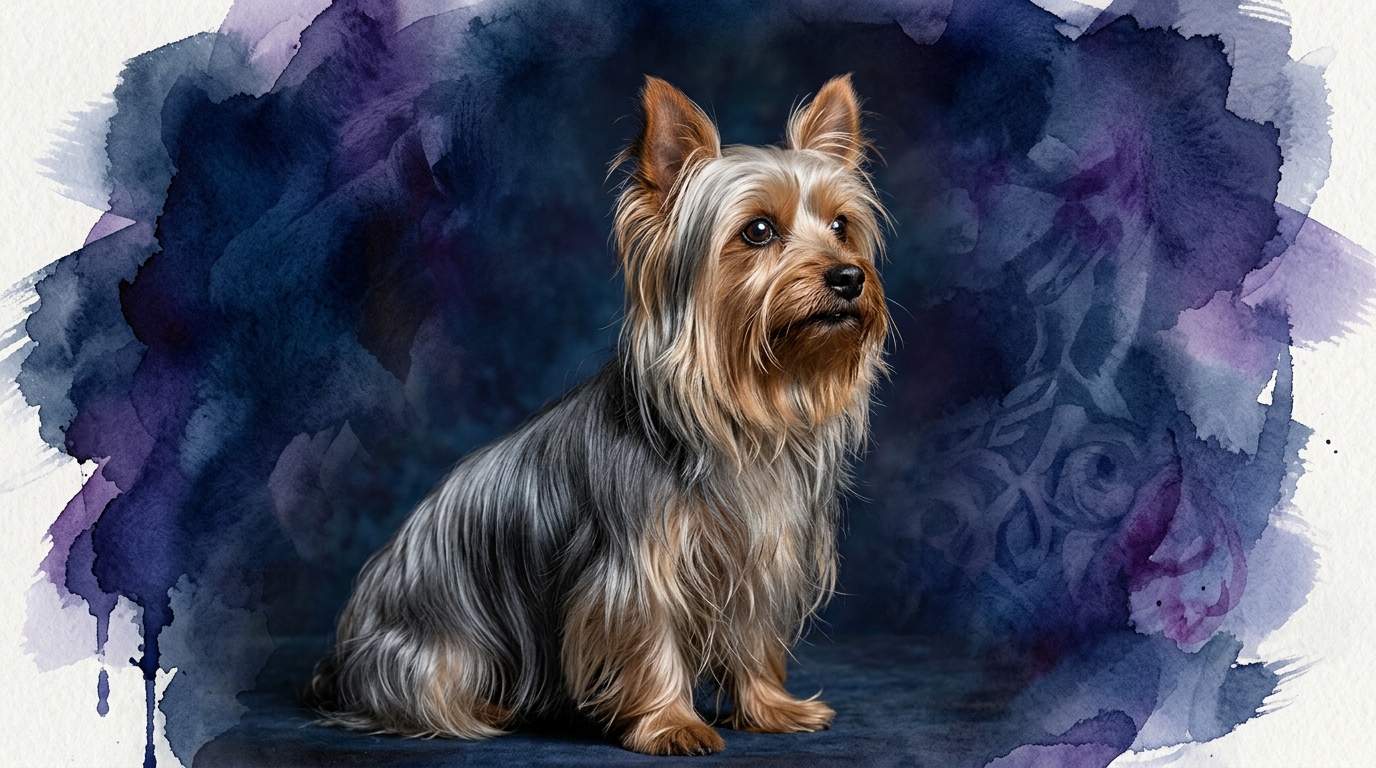
In contrast, the Silky Terrier, a companion breed from the Toy group, is not Coren-ranked, yet its IQ profile offers a balanced perspective on its cognitive strengths. Its scores are: Problem Solving 3/5, indicating a moderate ability to figure out new situations and adapt, often with human guidance; Training Speed 3/5, suggesting a reasonable pace for learning new commands, making it generally amenable to instruction; Social Intelligence 3/5, demonstrating a similar capacity to the Malamute for understanding social dynamics and human intentions; Instinctive Drive 3/5, reflecting a moderate level of natural urges, such as chasing or digging, which are present but typically more manageable than in high-drive working breeds; and Memory 3/5, indicating a solid, but not exceptional, ability to recall past experiences and learned behaviors. These profiles paint a picture of two breeds with fundamentally different cognitive architectures, each suited to distinct roles and lifestyles.
Where the Alaskan Malamute's Cognition Excels
The Alaskan Malamute undeniably shines in areas demanding independent problem-solving and an unwavering instinctive drive. With a Problem Solving score of 4/5, Malamutes possess a significant aptitude for navigating complex environments and devising solutions without constant human intervention. This cognitive strength stems directly from their ancestral role as freighting dogs in harsh Arctic conditions, where independent decision-making was crucial for survival and task completion. They aren't merely following commands; they are actively assessing and strategizing, whether it's finding the easiest path through deep snow or figuring out how to access a desired object.
Furthermore, their Instinctive Drive, rated a formidable 5/5, is a profound cognitive asset when channeled appropriately. This isn't just about physical strength; it's a deep-seated mental compulsion to perform tasks related to their heritage, such as pulling, exploring, or 'hunting' (though often playfully). This intense drive provides an immense wellspring of motivation that, when directed, makes them incredibly focused and persistent. Coupled with a Memory score of 4/5, Malamutes exhibit an impressive ability to recall intricate routes, complex sequences of actions, or the location of resources, which was vital for their historical roles and remains a significant cognitive advantage in activities like advanced scent work or agility.
Where the Silky Terrier's Cognition Finds Its Niche
While the Silky Terrier's individual cognitive scores might appear lower than the Malamute's in some dimensions, its cognitive profile represents a significant 'win' for owners seeking a more balanced and adaptable companion, especially in modern domestic settings. The Silky's Instinctive Drive of 3/5 is a prime example; this moderate drive means less intense management is typically required compared to a breed with a 5/5 drive. For instance, while a Silky might enjoy a good chase after a squirrel, it's generally less likely to be consumed by an overwhelming prey drive that could lead to persistent escape attempts or difficulty coexisting with small pets. This balanced drive makes them more adaptable to various living situations, including urban environments where high-drive instincts can be challenging to satisfy.
Moreover, the Silky Terrier's consistent 3/5 across Problem Solving, Training Speed, Social Intelligence, and Memory suggests a predictable and manageable cognitive experience for owners. Its moderate problem-solving capacity means it's smart enough to learn and adapt, but perhaps less inclined to outthink its owner at every turn, which can be a relief for those new to dog ownership. Its training speed of 3/5, while not exceptional, indicates a solid, reliable learner who can acquire commands at a reasonable pace. This makes the Silky a highly suitable companion for individuals who appreciate a mentally engaged dog that is generally willing to cooperate, without the intense independent streak or overwhelming work ethic of a specialized working breed.
Trainability: A Tale of Two Temperaments
When it comes to trainability, the Alaskan Malamute and Silky Terrier present distinctly different experiences, largely influenced by their Training Speed and Instinctive Drive scores. The Silky Terrier, with a Training Speed of 3/5, generally learns new commands at a moderate and consistent pace. This means that with positive reinforcement and consistent effort, Silky Terriers are typically receptive to instruction and eager to please, making them a relatively predictable breed to train for basic obedience and house manners. Their moderate instinctive drive (3/5) also means they are less likely to be distracted by overwhelming urges to chase or explore when learning, allowing for more focused training sessions.
The Alaskan Malamute, however, presents a more complex training challenge, reflected in its Training Speed of 2/5. This isn't an indicator of a lack of intelligence; rather, it speaks to their profound independence and strong will. Malamutes are highly intelligent (Problem Solving 4/5) but often choose to use their cognitive abilities to achieve their own objectives rather than simply complying with human directives. Their exceptional Instinctive Drive (5/5) means they are deeply motivated by their innate urges, which can often override a desire to perform a learned command if something more 'interesting' or instinctually rewarding presents itself. Training a Malamute requires immense patience, creativity, and a deep understanding of their motivations, often turning into a negotiation rather than a simple command-and-response interaction. Owners must consistently prove that following their lead is more rewarding than pursuing independent ventures.
Matching Cognitive Profiles to Lifestyles: Active vs. Relaxed Owners
The cognitive profiles of the Alaskan Malamute and Silky Terrier dictate their suitability for different owner lifestyles, particularly concerning activity levels and mental engagement. An Alaskan Malamute, with its 5/5 Instinctive Drive and 4/5 Problem Solving, thrives with active owners who can provide consistent, purposeful outlets for its considerable physical and mental energy. These dogs require not just physical exercise, but challenging mental tasks that engage their problem-solving abilities, such as advanced obedience, sledding, hiking, or canine sports. A relaxed owner who cannot commit to channeling this dog's powerful drives and independent intellect will likely encounter behavioral challenges rooted in boredom and an unmet need for 'work.' Malamutes are companions for adventurers, not couch potatoes, and their cognitive needs are as demanding as their physical ones.
Conversely, the Silky Terrier, with its balanced 3/5 scores across most cognitive dimensions, is an ideal fit for owners who appreciate a companion with moderate energy and mental engagement needs. While still requiring regular exercise and mental stimulation to prevent boredom, a Silky Terrier's cognitive demands are generally more adaptable to a 'relaxed' or less intensely active lifestyle than a Malamute's. They enjoy interactive play, puzzle toys, and consistent training, but are typically content with daily walks and indoor games rather than needing hours of strenuous, goal-oriented activity. Their social intelligence (3/5) ensures they are engaging companions, making them suitable for owners who desire a responsive, affectionate dog without the overwhelming cognitive management requirements of a high-drive working breed.
The Verdict: Choosing Your Canine Companion
The Verdict
Choose an Alaskan Malamute if you are an experienced, highly active owner eager to engage with a strong-willed, independently thinking dog that thrives on purposeful work and outdoor adventures, prepared to manage its significant instinctive drives and unique training approach.
Opt for a Silky Terrier if you seek a moderately active, adaptable companion that learns consistently, fits well into various home environments, and provides affectionate companionship without the intense cognitive and physical demands of a specialized working breed.
🧠 Find Your Pet's IQ Score
Our Pet IQ Lab assessment covers 25+ tests across 5 cognitive dimensions — personalized to your breed.
Take the Full IQ Test →Frequently Asked Questions
Is the Alaskan Malamute difficult to train due to its intelligence?
The Alaskan Malamute isn't difficult to train because of a lack of intelligence, but rather due to its strong independence and high instinctive drive. Their Problem Solving score of 4/5 means they are highly capable of figuring things out, but their Training Speed of 2/5 reflects a tendency to prioritize their own goals over immediate compliance, requiring patient and consistent motivation from owners.
How does the Silky Terrier's instinctive drive compare to other breeds?
The Silky Terrier's Instinctive Drive of 3/5 is moderate, meaning they possess natural urges like chasing or digging, but these are generally more manageable than in breeds with higher drives, like the Malamute's 5/5. This moderate drive makes them adaptable to various living situations and typically less prone to overwhelming instinct-driven behaviors.
Which breed is better for a first-time dog owner?
For a first-time dog owner, the Silky Terrier would generally be a more suitable choice due to its balanced cognitive profile and moderate needs. Its Training Speed of 3/5 and more manageable Instinctive Drive make it a more predictable and less challenging companion to train and live with, compared to the independent and highly driven Alaskan Malamute.