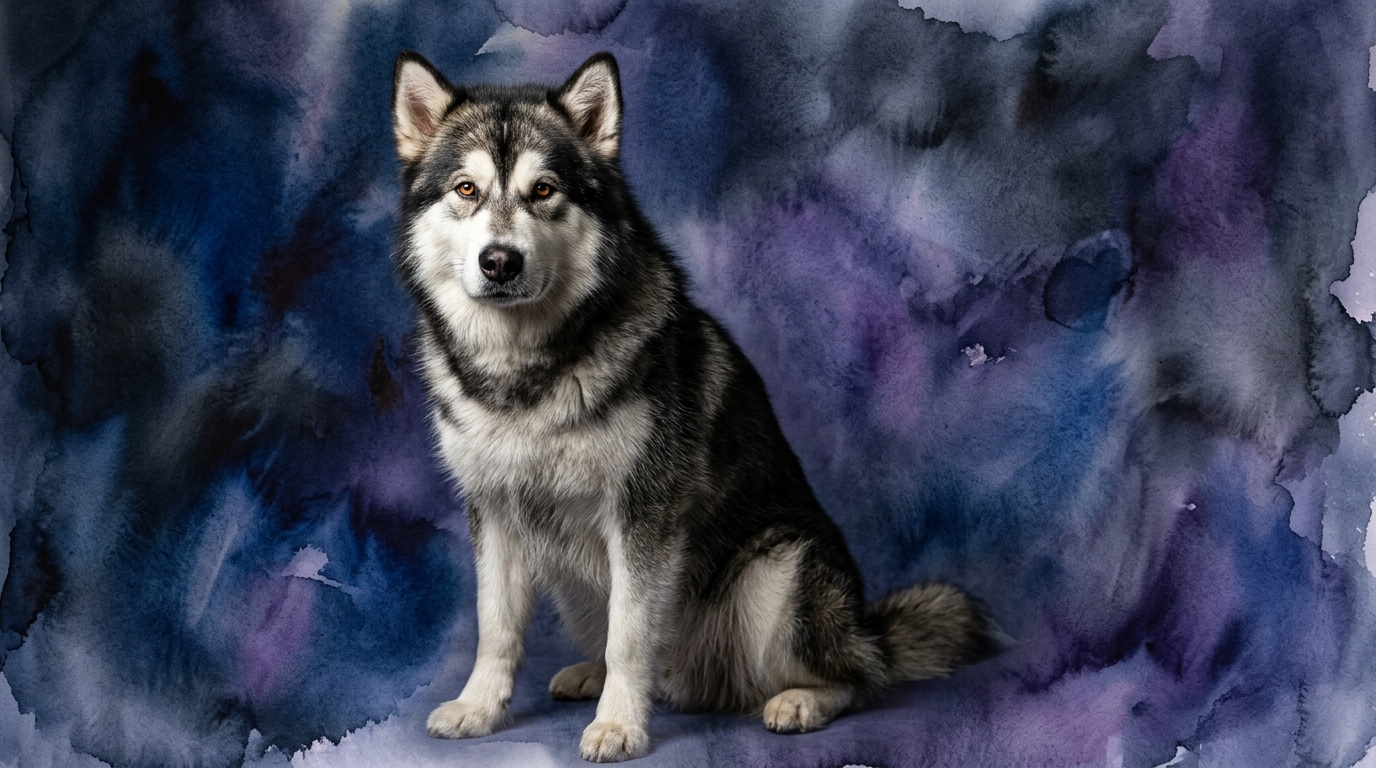
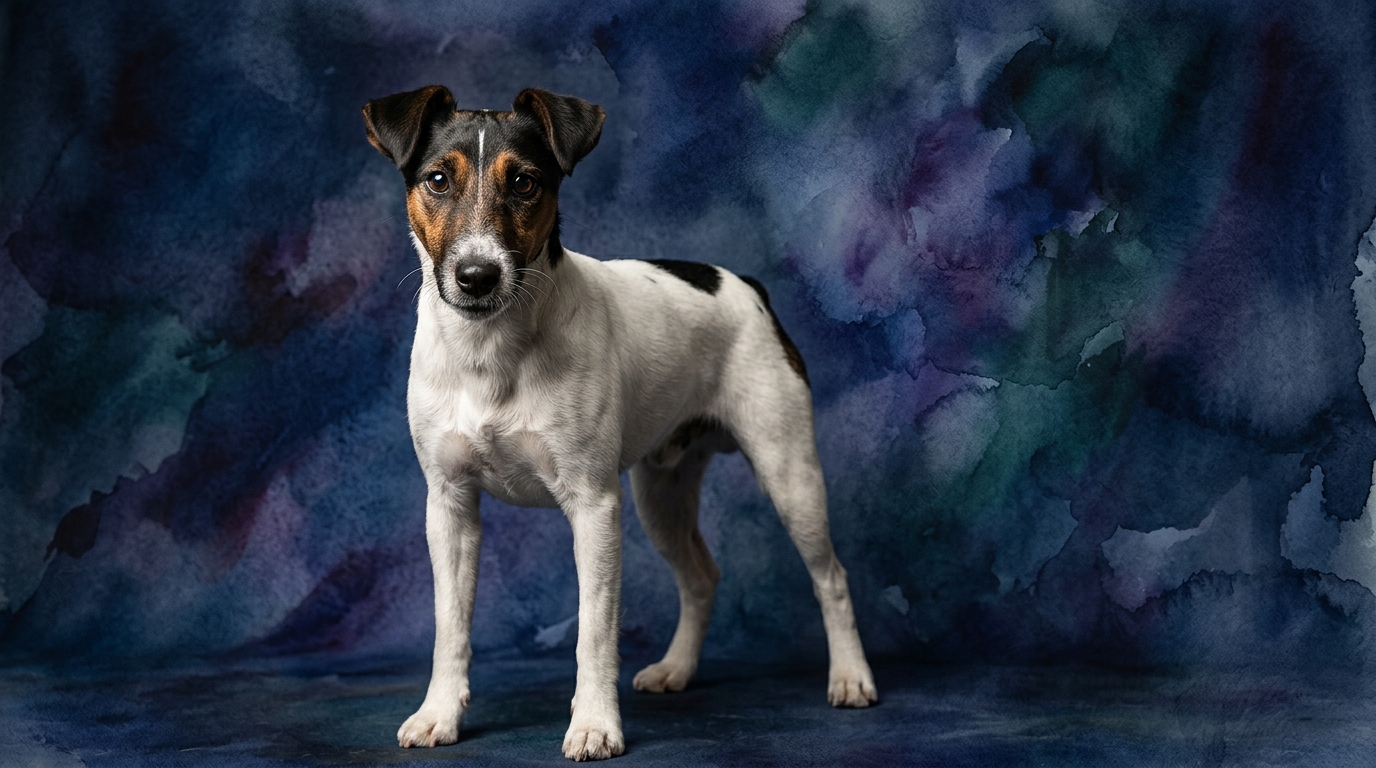
Side-by-Side Cognitive Profile
The Cosmic Pet Pet IQ Lab employs a five-dimensional framework to assess canine intelligence, moving beyond simple obedience to encompass a broader spectrum of cognitive functions. For the Alaskan Malamute, a breed steeped in history as a sled dog, their cognitive strengths are often geared towards endurance and independent decision-making in challenging environments. Their problem-solving capacity is rated at 4/5, indicating a strong ability to navigate complex situations and devise solutions, such as finding the best path through snow or overcoming physical obstacles. Training speed for the Malamute stands at 2/5; they understand commands but possess a strong-willed nature, often requiring consistent, patient reinforcement to comply. Social intelligence is observed at 3/5, reflecting an awareness of pack dynamics and human cues, though they can be discerning in their affections. Their instinctive drive is a formidable 5/5, encompassing a powerful urge to pull, dig, and chase, deeply ingrained from generations of working heritage. Finally, the Malamute's memory is a solid 4/5, enabling them to recall complex routes, past experiences, and learned behaviors effectively.
In contrast, the Smooth Fox Terrier, a breed developed for flushing out quarry, presents a different set of cognitive aptitudes. Their problem-solving ability is rated 3/5, signifying a cleverness in figuring out immediate challenges, such as how to open a gate or retrieve a hidden toy, often with a mischievous flair. The training speed for the Smooth Fox Terrier is 3/5; they can learn new commands at a moderate pace, particularly when motivated by engaging methods, but their attention can also be easily diverted. Social intelligence is also 3/5, showing an aptitude for reading human emotions and interacting with their environment, though they tend to be more outwardly expressive than the Malamute. Their instinctive drive comes in at 3/5, a potent drive to dig, bark, and pursue small animals, though perhaps not with the sheer endurance of the Malamute's working drive. The Smooth Fox Terrier's memory is rated 3/5, allowing them to retain routines and basic commands, but perhaps with less depth for intricate, long-term sequences compared to the Malamute.
Where the Alaskan Malamute Excels Cognitively
The Alaskan Malamute's cognitive superiority often manifests in scenarios demanding sustained mental effort and independent judgment. Their 4/5 problem-solving ability shines when faced with environmental puzzles that require perseverance and strategic thinking, such as navigating a complex trail or devising an escape from a secure enclosure. This breed was bred to make life-or-death decisions in harsh conditions, leading a sled team for miles without direct human guidance, a testament to their capacity for autonomous thought and resilience.
Furthermore, the Malamute's 4/5 memory is particularly robust for spatial awareness and long-term recall of experiences. They can remember intricate routes, the location of resources, and past interactions with remarkable fidelity, which is crucial for a working dog covering vast distances. This deep memory aids in their ability to learn and adapt to new environments over time, building a rich internal map of their world.
Their 5/5 instinctive drive, while sometimes challenging for owners, represents a powerful, ancient cognitive mechanism. This drive isn't just physical; it involves a sophisticated understanding of their environment, the pursuit of goals (like pulling a load or digging for a scent), and the intricate planning involved in these activities, showcasing a profound engagement with their innate purpose.
Where the Smooth Fox Terrier Shines Cognitively
The Smooth Fox Terrier's cognitive strengths lie in their quick wit, adaptability, and ability to react swiftly to immediate stimuli. Their 3/5 problem-solving, while not as geared towards endurance as the Malamute's, demonstrates a sharp aptitude for immediate, tactical puzzles. They excel at figuring out how to get what they want in the moment, whether it's manipulating a toy to get a treat or finding a gap in a fence, often employing a trial-and-error approach with surprising speed.
This breed's social intelligence, while rated similarly to the Malamute at 3/5, often presents as a more overt and engaging form of interaction. They are generally quite attuned to their human companions' moods and often use their charm or mischievousness to elicit reactions, demonstrating a nuanced understanding of social dynamics in their immediate environment. This quick social processing allows them to adapt rapidly to new people and situations.
The Smooth Fox Terrier's moderate training speed of 3/5, combined with their spirited nature, means they can grasp new concepts and tricks quickly when properly motivated. They thrive on novelty and interactive engagement, making them adept at learning complex sequences of behaviors in a stimulating training environment. Their cognitive agility allows them to switch tasks and focus points with relative ease, making them versatile learners.
Which is Easier to Train and Why
When considering ease of training, the distinction between these two breeds becomes quite pronounced, largely due to their inherent behavioral differences. The Alaskan Malamute, with its training speed of 2/5, presents a more significant challenge. This isn't due to a lack of understanding, but rather their strong independent streak and self-assured nature. They are working dogs bred to make decisions autonomously, which translates into a dog that often questions commands or weighs them against their own desires. Training a Malamute requires immense patience, consistency, and a deep understanding of positive reinforcement, as they respond poorly to harsh methods and will simply shut down or become more resistant. Their lower training speed means more repetitions are needed, and owners must be prepared for a dog that will always retain a degree of self-determination, rather than blind obedience.
The Smooth Fox Terrier, with a training speed of 3/5, is generally considered more amenable to training, though not without its own quirks. They are quick to learn when engaged and motivated, often thriving on games and interactive training sessions. However, their terrier tenacity and propensity for distraction mean that training must be kept engaging and varied to prevent boredom. They can be quite persistent in pursuing their own interests, such as digging or chasing, and may ignore commands if something more stimulating captures their attention. While they might learn a trick faster than a Malamute, maintaining their focus and ensuring reliable recall often requires consistent effort against their inherent adventurousness. They are eager to please in their own way, but their desire to explore and hunt can often override learned behaviors if not managed effectively.
Which Suits Active Owners vs. Relaxed Owners
The Alaskan Malamute is unequivocally suited for active owners who relish robust outdoor adventures. Their 5/5 instinctive drive for endurance and pulling means they require significant physical exertion daily, far beyond a simple walk around the block. Owners who enjoy hiking, running, skijoring, or even competitive weight pulling will find a dedicated partner in a Malamute. Beyond physical activity, their independent problem-solving nature means they thrive with mental challenges that engage their working dog heritage, making them ideal for individuals who want a partner in demanding, goal-oriented activities and can provide consistent, firm, yet positive leadership.
The Smooth Fox Terrier, while certainly energetic, is better suited for owners who enjoy interactive play and can provide consistent mental stimulation without necessarily committing to extreme endurance activities. Their 3/5 instinctive drive and quick problem-solving mean they thrive on games of fetch, agility courses, and puzzle toys. They are excellent companions for active families or individuals who enjoy daily walks, runs, and plenty of engagement in the home or yard. A 'relaxed' owner for a Fox Terrier is one who can provide ample interactive playtime and mental challenges, rather than a sedentary lifestyle, as their spirited nature and curiosity demand consistent engagement to prevent boredom and destructive behaviors.
The Verdict
Choose the Alaskan Malamute if you are an experienced, active owner seeking a powerful, independent companion for demanding outdoor adventures and appreciate a dog with strong, ancient instincts.
Choose the Smooth Fox Terrier if you desire an energetic, quick-witted companion for interactive play and mental challenges, and can manage a spirited, curious nature with consistent engagement.
🧠 Find Your Pet's IQ Score
Our Pet IQ Lab assessment covers 25+ tests across 5 cognitive dimensions — personalized to your breed.
Take the Full IQ Test →Frequently Asked Questions
Are Alaskan Malamutes difficult to live with due to their independence?
Alaskan Malamutes are not 'difficult' in a malicious sense, but their independence and strong will, a result of their working dog heritage, require an owner who understands and can consistently manage these traits. They thrive with clear boundaries, extensive socialization, and an owner who respects their self-assured nature rather than trying to dominate it.
Do Smooth Fox Terriers require a lot of exercise?
Smooth Fox Terriers are energetic and do require a good amount of exercise, including daily walks, runs, and plenty of interactive play. While not needing the extreme endurance activities of a Malamute, they thrive on mental stimulation and physical activity to prevent boredom and channel their natural terrier drive.
Which breed is better with children?
Both breeds can be good with children when properly socialized and supervised, but their temperaments differ. Alaskan Malamutes can be gentle giants with children they've been raised with, but their size and boisterousness require supervision. Smooth Fox Terriers, with their playful and spirited nature, can be great playmates but may be too boisterous or nippy for very young children without proper guidance and training.