Side-by-Side IQ Profile: Alaskan Malamute vs. Spanish Water Dog
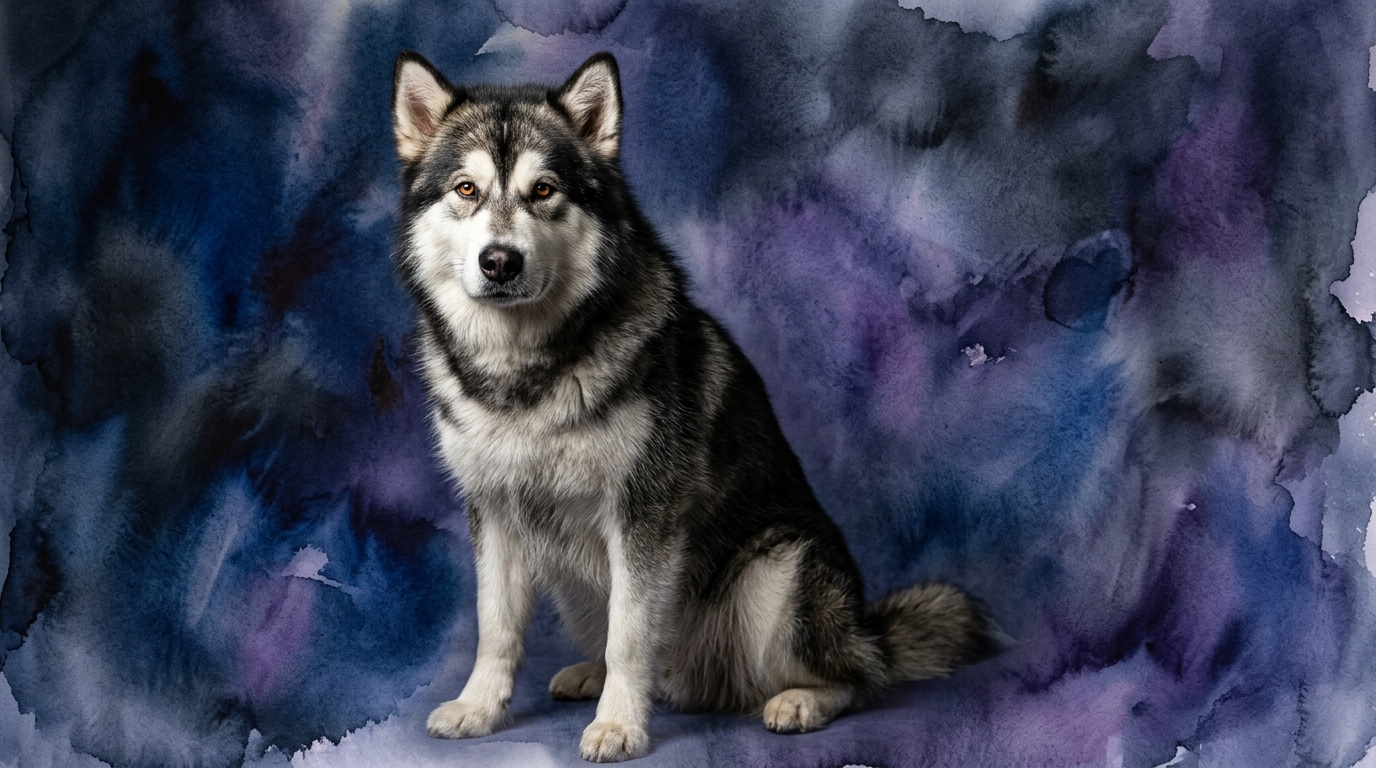
The Alaskan Malamute, a Working group dog with a Coren rank of #50, demonstrates a cognitive profile honed for survival and heavy labor in challenging environments. Their Problem Solving is rated 4/5, reflecting a strong capacity for independent thought and strategic navigation. Training Speed is 2/5, indicating a more deliberate and independent approach to learning new commands, often evaluating the command's utility. Social Intelligence stands at 3/5, showing an understanding of pack dynamics within their trusted circle, but often reserved with strangers. Their Instinctive Drive is an impressive 5/5, manifesting as a powerful urge to pull, explore, and hunt. Finally, their Memory is 4/5, allowing them to retain complex information about routes and experiences over long periods.
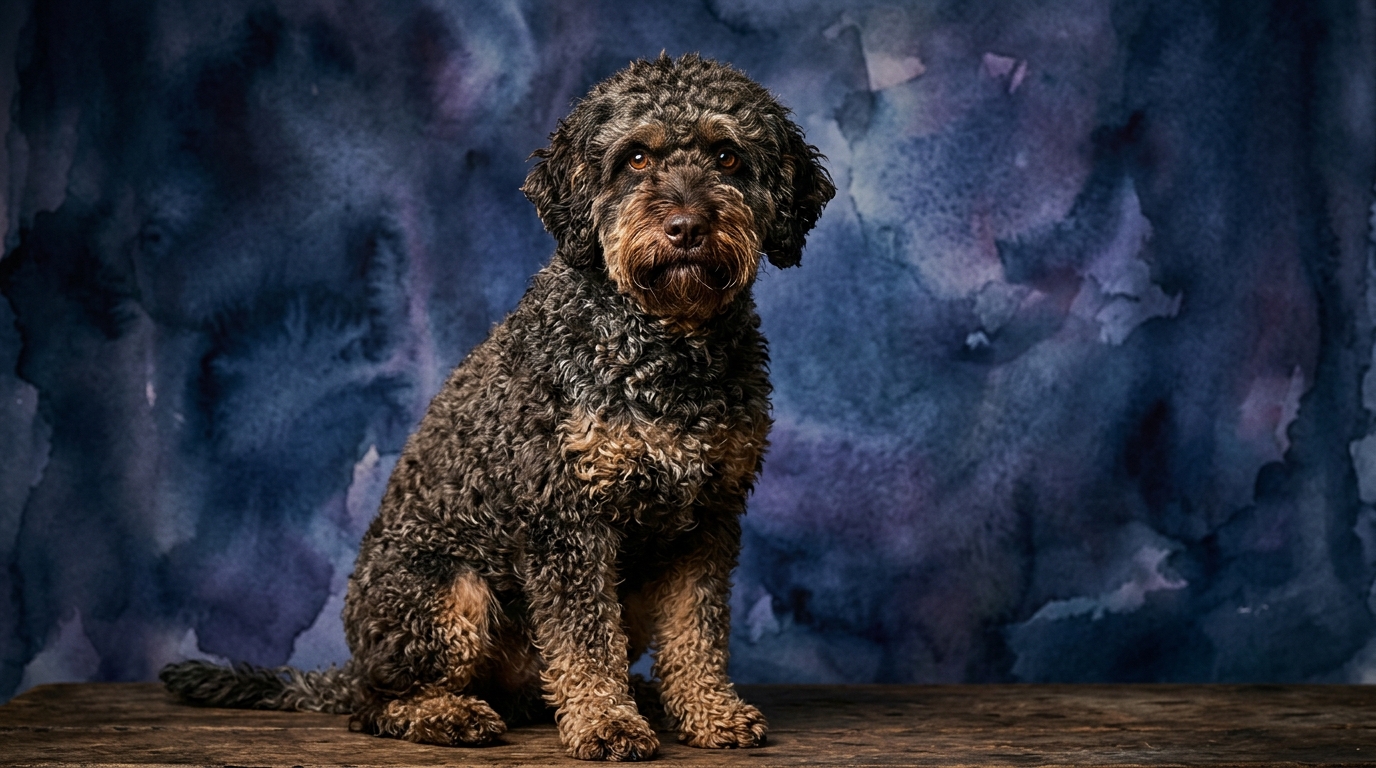
The Spanish Water Dog, a Herding group dog not Coren-ranked, presents a more balanced and adaptable cognitive blueprint suited for diverse farm tasks. Their Problem Solving is 3/5, indicating competence in navigating moderate challenges through observation and adaptation. Training Speed is 3/5, suggesting a moderate pace in absorbing new commands with consistent reinforcement. Social Intelligence is 3/5, showing an ability to read social cues and often displaying a watchful, protective nature towards their family. Their Instinctive Drive is 3/5, a balanced manifestation of herding, retrieving, and guarding behaviors. Their Memory is also 3/5, allowing for solid recall of routines and commands, fitting their role as a responsive working companion.
Where the Alaskan Malamute Wins Cognitively
The Alaskan Malamute clearly demonstrates superior cognitive prowess in specific domains, particularly problem-solving and memory, underpinned by an exceptional instinctive drive. Their heritage as freight-hauling sled dogs in challenging Arctic environments demanded an innate ability to assess situations, find efficient routes, and overcome obstacles. This translates to a profound capacity for independent thought and strategic planning, making them adept at navigating complex physical environments or figuring out how to achieve a desired outcome, even if it involves creative, sometimes mischievous, solutions to access resources.
Furthermore, their 4/5 memory score ensures that once a solution or a significant event is registered, it is retained with remarkable clarity. A Malamute remembers specific trails, the layout of their territory, and patterns in their human's routine, which contributes to their self-reliance. This deep memory works in tandem with their powerful 5/5 instinctive drive, which isn't just about pulling; it's about a relentless pursuit of purpose, whether that's exploring new scents, finding the most comfortable spot, or working through a puzzle toy until it yields its reward. This combination makes them formidable self-starters when a clear objective aligns with their inherent motivations.
Where the Spanish Water Dog Wins Cognitively
While the Spanish Water Dog may not possess the sheer brute force of the Malamute's problem-solving, its cognitive strengths lie in its adaptability and a more moderate, versatile application of its intellect, especially in the realm of training speed. With a 3/5 rating in training speed compared to the Malamute's 2/5, the Spanish Water Dog generally picks up new commands and routines more readily. Their herding background required them to respond quickly to handler cues and adapt to dynamic situations with livestock, fostering a mind that is keen to learn and cooperate when appropriately motivated.
Their instinctive drive, rated 3/5, is a balanced force, less singular than the Malamute's but highly functional across various tasks. This drive manifests as a willingness to engage in diverse activities, from herding to retrieving, and a general eagerness to participate in family life. This cognitive flexibility means they can pivot between different tasks and learn a broader range of skills with less resistance, making them highly trainable for various roles and activities that require a responsive partner rather than an independent operator. Their problem-solving (3/5) is practical, focused on immediate environmental challenges and handler expectations.
Which is Easier to Train and Why
Considering the distinct cognitive profiles, the Spanish Water Dog is generally easier to train for the average owner. The SWD's 3/5 training speed rating signifies a greater willingness and capacity to absorb and respond to new commands with reasonable consistency. Their herding lineage instilled a desire to work collaboratively with a handler, making them more receptive to instruction and eager to please within a structured training environment. They thrive on clear communication and positive reinforcement, often showing a gratifying responsiveness that encourages continued effort from their human companion.
In contrast, the Alaskan Malamute's 2/5 training speed reflects their independent nature and a tendency to question commands or evaluate their utility before complying. Their powerful instinctive drive and robust problem-solving skills mean they often prefer to figure things out on their own terms or pursue their own agenda. Training a Malamute requires immense patience, creativity, and a deep understanding of their motivations. They are not dogs that will blindly obey; they require a partnership built on mutual respect and consistent, engaging training methods that make them feel like active participants rather than mere followers. This difference in intrinsic motivation and approach to learning makes the SWD a more straightforward training experience.
Which Suits Active Owners vs. Relaxed Owners
For owners seeking a highly active companion, both breeds offer significant engagement, but their preferred types of activity differ. The Alaskan Malamute, with its unparalleled 5/5 instinctive drive, thrives on demanding physical and mental challenges that tap into its heritage. They require extensive daily exercise, often preferring long hikes, sledding, or carting activities that allow them to pull and explore. Their robust memory and problem-solving skills mean they also benefit from complex scent work or structured outdoor adventures. An owner who embraces an active, outdoor lifestyle and is prepared to channel a powerful, independent spirit will find a fulfilling partnership with a Malamute.
The Spanish Water Dog also requires substantial activity, but their needs are more centered around versatile engagement and mental stimulation that involves their owner. Their balanced instinctive drive and moderate training speed make them excellent candidates for dog sports like agility, obedience, dock diving, or herding trials, where they can work closely with their human. While they enjoy vigorous exercise, their cognitive profile suggests they are less suited to a purely independent, long-distance endurance role. A moderately active owner who enjoys interactive play, consistent training, and integrating their dog into daily activities will find the Spanish Water Dog a more adaptable and cooperative companion.
Conversely, neither breed is well-suited for a truly relaxed, sedentary owner. Both possess significant energy levels and cognitive needs that, if unmet, can lead to frustration and undesirable behaviors. However, if 'relaxed' implies less intense, structured outdoor adventures and more varied, interactive indoor/outdoor activities, the Spanish Water Dog might be a better fit due to its greater adaptability and desire for collaborative engagement. A Malamute will simply invent its own 'activities' if not sufficiently stimulated, which rarely aligns with an owner's relaxed vision.
The Verdict
Choose an Alaskan Malamute if you are an experienced, patient owner seeking a powerful, independent partner for demanding outdoor adventures and appreciate a dog with exceptional problem-solving abilities and a strong will.
Choose a Spanish Water Dog if you desire a versatile, responsive companion for interactive activities and dog sports, valuing a quicker training response and a balanced drive that thrives on collaborative engagement.
🧠 Find Your Pet's IQ Score
Our Pet IQ Lab assessment covers 25+ tests across 5 cognitive dimensions — personalized to your breed.
Take the Full IQ Test →Frequently Asked Questions
Are Alaskan Malamutes difficult to live with due to their independence?
Alaskan Malamutes are not inherently difficult, but their strong independence and high instinctive drive require consistent boundaries and ample mental and physical stimulation. Owners must understand their need for purpose and provide appropriate outlets to ensure a harmonious household, as boredom can lead to creative, sometimes destructive, self-entertainment.
Do Spanish Water Dogs require professional grooming?
Spanish Water Dogs have a unique corded or curly coat that requires specific care but not traditional brushing. Their coat should not be brushed but rather trimmed or shorn a few times a year, or allowed to cord naturally, which involves separating the cords periodically to prevent matting. Regular professional grooming for specific trims is often beneficial.
Which breed is better with children?
Both breeds can be good with children when properly socialized and raised in a respectful environment. Alaskan Malamutes can be gentle giants but their size and boisterous play require supervision. Spanish Water Dogs are often protective and can be playful, but their herding instincts might lead to nipping at heels if not managed; early training and clear boundaries are crucial for both.