A Side-by-Side Look at Their Cognitive Profiles
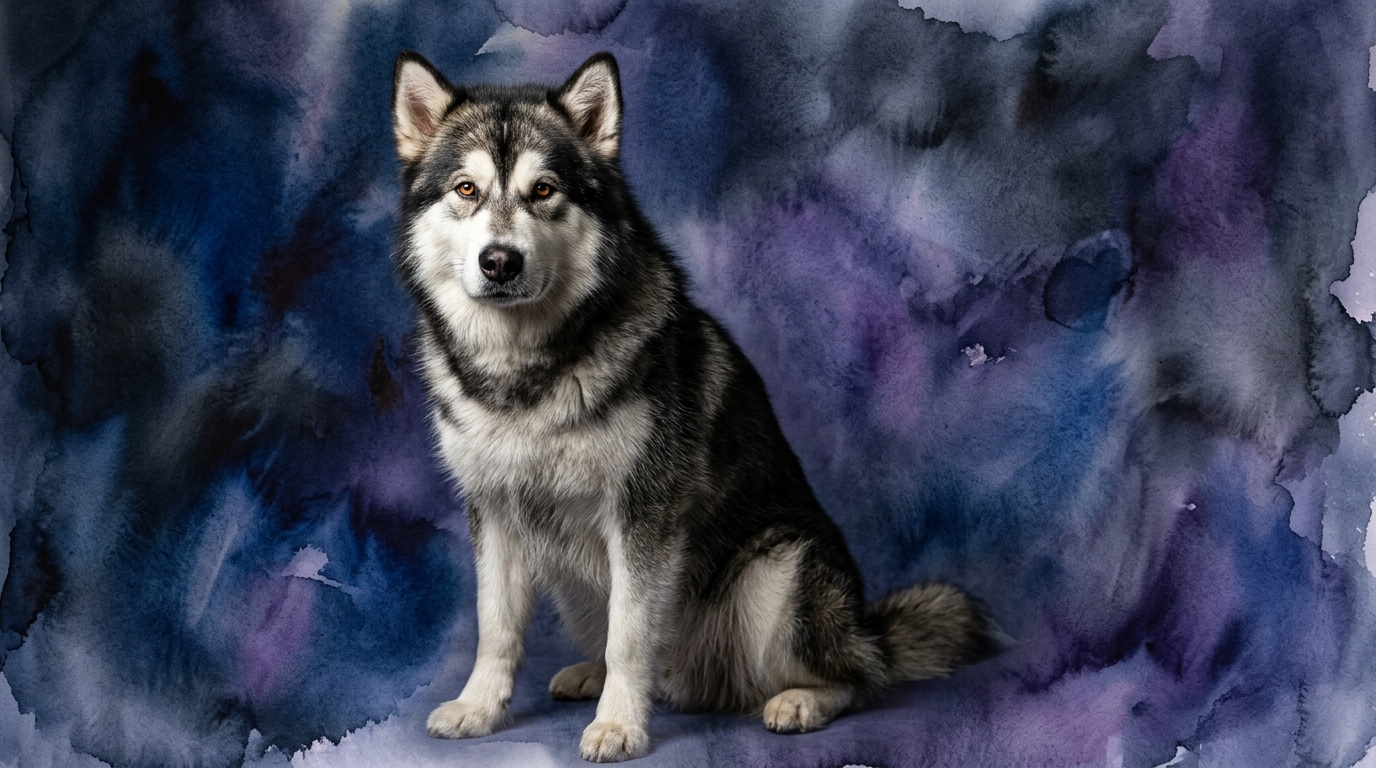
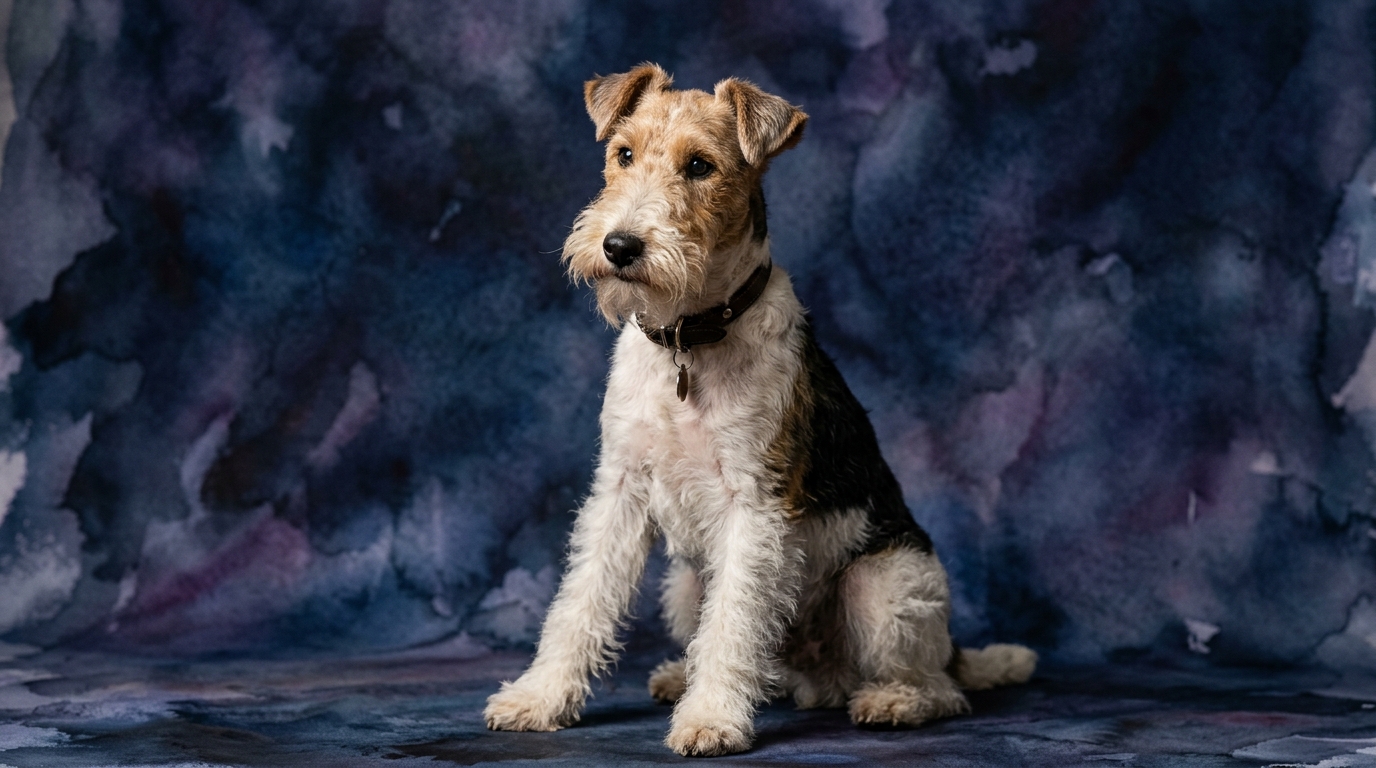
The Cosmic Pet Pet IQ Lab provides a comprehensive framework to assess canine intelligence across five critical dimensions, offering a precise lens through which to compare these two breeds. The Alaskan Malamute, a powerful Working dog, and the Wire Fox Terrier, a spirited Terrier, each exhibit unique cognitive strengths and challenges.
For the Alaskan Malamute, problem-solving registers at a robust 4/5. These dogs are adept at navigating complex environments and devising independent solutions, often linked to their historical roles of survival and resource acquisition in harsh conditions. Their training speed, however, is rated 2/5; they possess a strong will and can be deliberate in their learning pace, requiring consistent and highly motivating approaches. Social intelligence stands at 3/5, indicating an awareness of pack dynamics and human cues, yet often filtered through their independent nature. Instinctive drive is a pronounced 5/5, reflecting deep-seated urges for pulling, digging, hunting, and exploring, crucial for their ancestral work. Their memory is strong at 4/5, allowing them to retain complex sequences, routes, and experiences over time.
The Wire Fox Terrier presents a different cognitive blueprint. Their problem-solving score is 3/5, demonstrating resourcefulness, particularly in tasks related to their terrier heritage like investigating scents or navigating tight spaces, though perhaps less in abstract reasoning. Training speed is a moderate 3/5; they are capable learners but require engaging methods to maintain their focus, as boredom can quickly set in. Social intelligence also scores 3/5, showing an ability to interact and manipulate social situations to their advantage within their immediate circle, often with charming wit. Instinctive drive is 3/5, focused primarily on specific terrier pursuits such as digging, chasing, and vocalizing, rather than broad, endurance-based tasks. Their memory is rated 3/5, sufficient for routines and specific commands but potentially less for intricate, multi-step processes compared to breeds with higher scores.
Where the Alaskan Malamute's Mind Excels
The Alaskan Malamute's cognitive superiority becomes evident in scenarios demanding sustained intellectual effort and robust physical application. Their 4/5 problem-solving score means they are skilled at devising strategies for achieving goals, whether it’s figuring out how to open a gate, locate a hidden treat, or efficiently navigate a complex trail. This isn't about quick tricks but rather about persistent, often independent, thought processes to overcome obstacles. Coupled with their 5/5 instinctive drive, Malamutes exhibit an unparalleled determination in pursuits that align with their ancestral purpose. They are masters of endurance, both physically and mentally, capable of remembering intricate routes (memory 4/5) and applying their strength and intelligence to tasks like long-distance pulling or extensive exploration. Their cognitive strengths are deeply intertwined with their capacity for working independently in challenging environments, making them exceptional at tasks requiring self-reliance and sustained focus on a distant objective.
Where the Wire Fox Terrier's Mind Shines
The Wire Fox Terrier’s cognitive strengths lie in their keen environmental awareness, rapid reactions, and tenacious focus on specific, immediate tasks. While their problem-solving is rated 3/5, it manifests as quick, practical solutions in their immediate surroundings, such as figuring out how to squeeze through a small gap or pinpointing the source of an intriguing scent. Their moderate 3/5 instinctive drive, though lower than the Malamute's, is highly concentrated on terrier-specific behaviors like digging and chasing small prey, often executed with remarkable agility and single-mindedness. This breed excels at tasks requiring quick assessments and swift action, often displaying a spirited cunning. Their social intelligence of 3/5 allows them to be highly engaging and can contribute to their ability to adapt quickly to new social dynamics, often charming their way into favorable positions. They are adept at learning new commands at a moderate pace (training speed 3/5) when the training is stimulating and varied, showcasing their capacity for focused, short-burst learning and immediate responsiveness.
Training: Decoding Responsiveness and Willpower
When considering ease of training, the Alaskan Malamute and the Wire Fox Terrier present distinct challenges. The Malamute's 2/5 training speed is a direct reflection of their independent nature and strong will. They are not inherently eager to please in the same way some other breeds are; instead, they require an owner who can consistently motivate them, often through high-value rewards and clear, patient instruction. Their problem-solving (4/5) can sometimes be directed towards figuring out how to *avoid* a command, rather than executing it, if they don't see the immediate benefit. This breed's powerful instinctive drives (5/5) for pulling and exploring mean that an owner must harness these natural tendencies rather than fight against them, often incorporating them into training regimens. Training a Malamute is a long-term commitment requiring deep understanding of their temperament and consistent leadership, making them less 'easy' for the casual owner.
The Wire Fox Terrier, with a 3/5 training speed, might appear more responsive initially, but their moderate instinctive drive (3/5) for chasing and digging, coupled with their spirited energy, means they can be easily distracted. Their social intelligence (3/5) can be leveraged for training, as they enjoy interaction, but this also means they can be adept at testing boundaries. Effective training for a Wire Fox Terrier demands engaging, varied sessions that prevent boredom and keep their quick minds stimulated. They respond well to positive reinforcement and can learn individual commands relatively quickly. However, maintaining consistent obedience and focus, especially amidst distractions, requires creativity and persistence from the trainer. While perhaps quicker to pick up basic commands than a Malamute, their spirited independence and potential for mischief mean they are not effortlessly 'easy' to train either.
Matching Canine Minds with Lifestyles: Active vs. Relaxed Owners
The choice between an Alaskan Malamute and a Wire Fox Terrier hinges significantly on an owner's lifestyle and capacity for engagement. The Alaskan Malamute, with its powerful instinctive drives (5/5) and history as a working sled dog, is unequivocally suited for highly active owners. These dogs demand extensive physical exercise, such as long runs, hikes, or sledding, alongside consistent mental stimulation to prevent boredom and destructive behaviors. Their independent problem-solving (4/5) means they thrive when given a 'job' or complex tasks to complete, making them ideal companions for outdoor enthusiasts, adventurers, or those involved in canine sports like canicross or weight pulling. A relaxed owner would quickly find themselves overwhelmed by a Malamute's inherent need for purposeful activity and intellectual challenge.
The Wire Fox Terrier, while smaller, is by no means a choice for a truly relaxed owner. Their moderate instinctive drives (3/5) and spirited nature necessitate regular, engaging exercise and mental stimulation to channel their energy constructively. They thrive with owners who enjoy active play, daily walks, and interactive games that challenge their problem-solving (3/5) and keep their minds occupied. While they might not require the sheer endurance output of a Malamute, a Wire Fox Terrier will become bored and potentially mischievous if not adequately exercised and engaged. Owners who appreciate a lively, tenacious companion for agility, earthdog trials, or simply active family life will find the Wire Fox Terrier a rewarding match. They are not suited for sedentary lifestyles, but perhaps offer a slightly less intense commitment than the Malamute's demanding regimen.
The Verdict
Choose the Alaskan Malamute if you are an experienced, highly active individual or family seeking a devoted, independent working companion for endurance activities and a deep, purposeful bond.
Opt for the Wire Fox Terrier if you desire a spirited, tenacious, and lively companion for active play, specific terrier-related tasks, and a dynamic home environment.
🧠 Find Your Pet's IQ Score
Our Pet IQ Lab assessment covers 25+ tests across 5 cognitive dimensions — personalized to your breed.
Take the Full IQ Test →Frequently Asked Questions
Are Alaskan Malamutes good with children?
Yes, with proper socialization and training, Alaskan Malamutes can be gentle and patient with children, often viewing them as part of their pack. However, their size and strength necessitate supervision, especially with very young children, to prevent accidental knocks.
Do Wire Fox Terriers bark a lot?
Wire Fox Terriers can be quite vocal, using barking to alert their owners to perceived threats, express excitement, or demand attention. Consistent training from a young age is crucial to manage their barking tendencies, though some level of vocalization is inherent to the breed.
Which breed is better for apartment living?
Neither breed is ideally suited for apartment living without significant commitment. While the Wire Fox Terrier is smaller, both require substantial daily exercise and mental engagement. An Alaskan Malamute in an apartment would be particularly challenging due to their size and need for extensive outdoor activity and space.