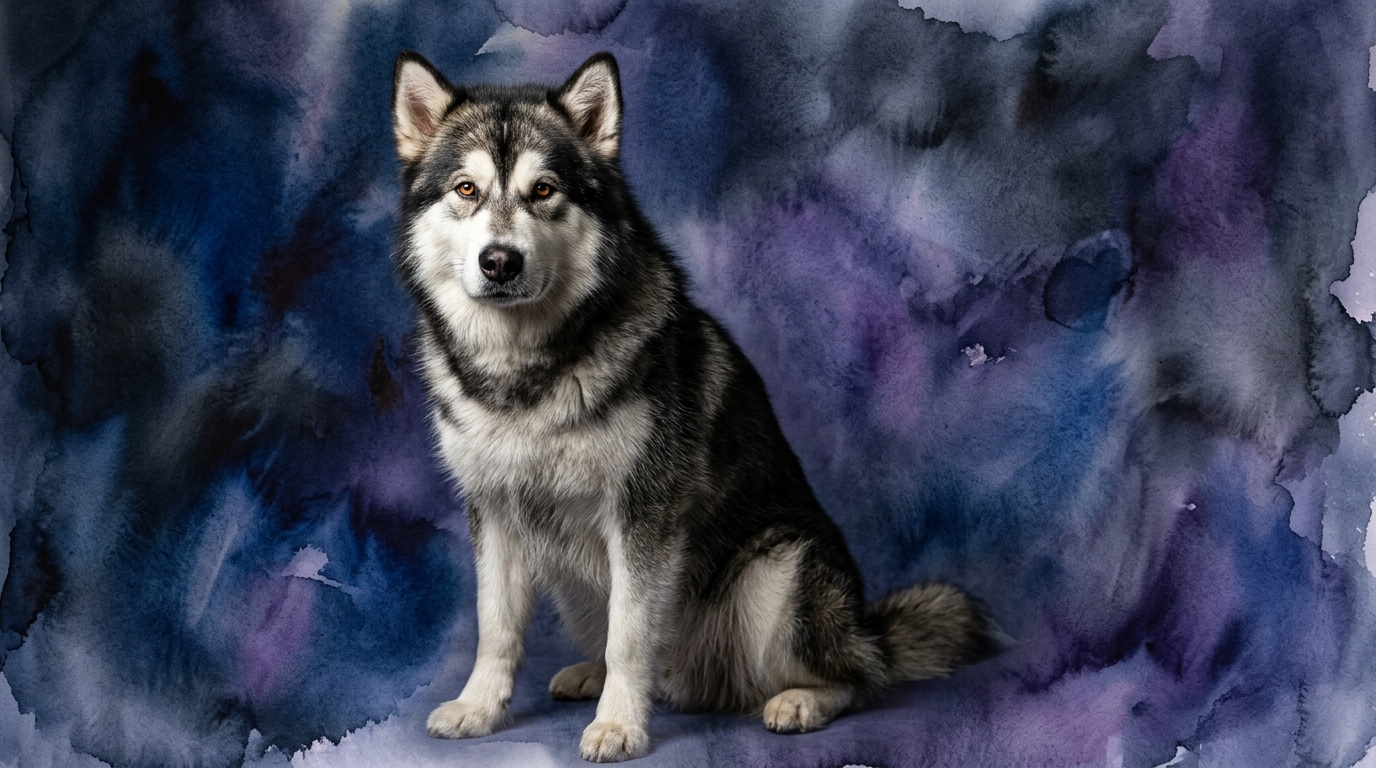
Side-by-Side IQ Profile: Alaskan Malamute
The Alaskan Malamute's cognitive blueprint reflects its heritage as an arctic sled dog, emphasizing independence and resilience. Their Problem Solving is rated at 4/5, indicating a strong capacity for independent thought and devising creative solutions to environmental challenges, a trait honed by navigating complex, often harsh landscapes. This means they often figure things out for themselves, which can be both impressive and, at times, a test of an owner's patience.
Their Training Speed is 2/5, meaning while they are capable of learning, they are not known for rapid obedience acquisition. This reflects their independent nature and strong will, often processing commands at their own pace and requiring consistent, engaging reinforcement. Social Intelligence stands at 3/5; they form strong bonds and understand pack dynamics, but their interactions can be assertive. A standout trait is their Instinctive Drive, a perfect 5/5, fueling their physical prowess and need for purpose-driven activity like pulling or endurance tasks. Finally, their Memory is 4/5, allowing them to retain complex routes, tasks, and social cues effectively, building on past experiences in a significant way.
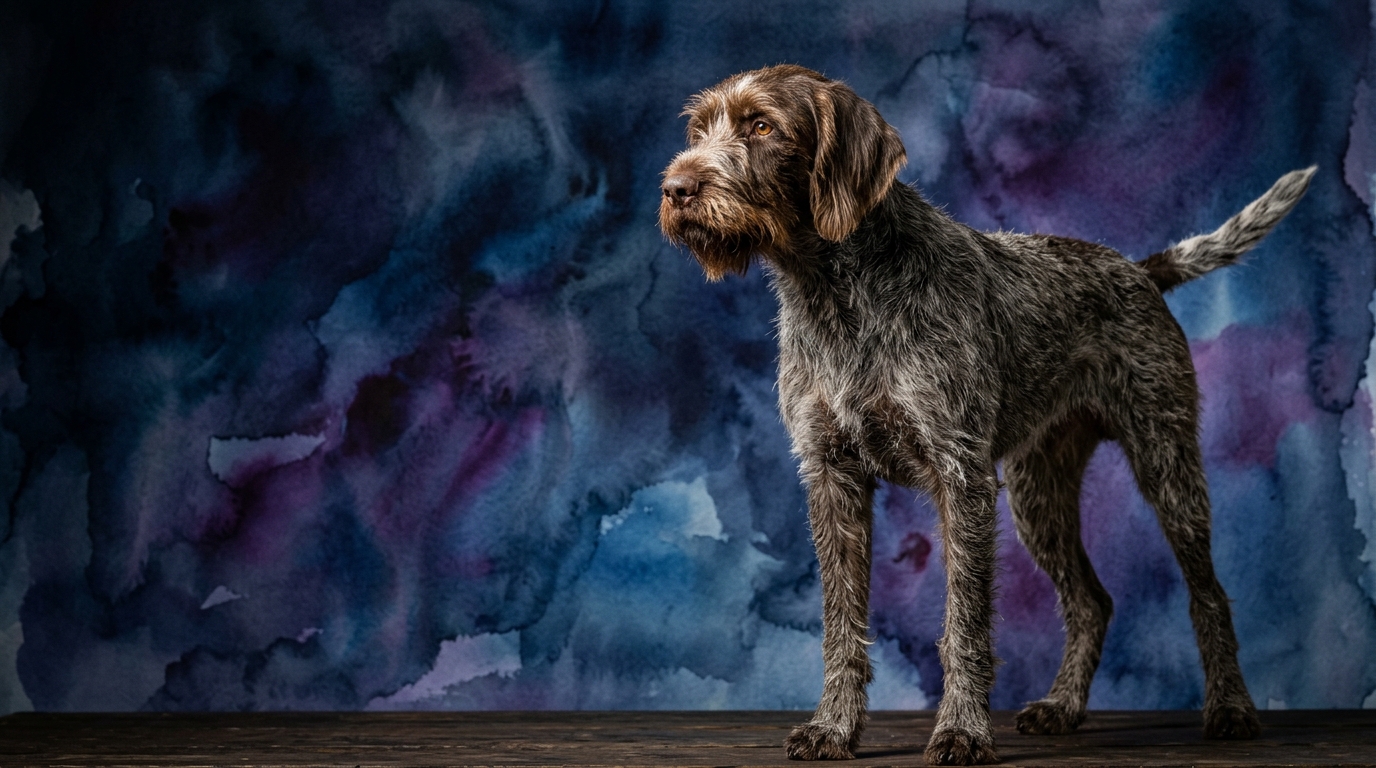
Side-by-Side IQ Profile: Wirehaired Pointing Griffon
The Wirehaired Pointing Griffon's cognitive profile is tailored for cooperative hunting, balancing independence with a strong desire to work alongside a handler. Their Problem Solving is 3/5, demonstrating a commendable ability to navigate challenges, particularly those related to finding and retrieving game, often within a collaborative framework. They are adept at figuring out how to work *with* their handler to achieve a common goal.
Their Training Speed is also 3/5, indicating a moderate pace of learning and a general eagerness to please, making them more responsive students than the Malamute. Social Intelligence is 3/5, similar to the Malamute, as they form close family attachments and generally interact well, a critical trait for a close working relationship. Their Instinctive Drive is 3/5, focused primarily on pointing, retrieving, and field work, but it is a more balanced force compared to the Malamute's, allowing for greater versatility outside of specific working scenarios. Memory is rated at 3/5, providing reliable recall for commands, routines, and game locations, supporting their efficacy as dedicated sporting dogs.
Where Alaskan Malamute Wins Cognitively
The Alaskan Malamute's cognitive profile reveals distinct advantages, primarily rooted in their heritage as powerful, self-sufficient working dogs. Their exceptional Problem Solving score of 4/5 signifies a breed capable of independent thought and devising creative solutions to environmental challenges. Unlike many breeds that rely heavily on human direction, Malamutes often assess situations and take initiative, a trait invaluable for their original role where they might have to navigate changing terrain or adverse conditions without immediate human guidance. This translates into a dog that can figure out complex puzzle toys or even escape enclosures with surprising ingenuity.
Furthermore, their Instinctive Drive, rated a perfect 5/5, is a profound cognitive asset when channeled appropriately. This isn't just about physical stamina; it's a deep-seated mental fortitude and unwavering focus on a task, whether it's pulling a sled over miles of snow or persistently “digging to China.” This intense drive means that once they understand a purpose, they apply immense mental energy to achieving it, demonstrating a singular dedication that few breeds can match. Their strong Memory (4/5) further enhances this, allowing them to recall complex routes, sequences of actions, and the results of past problem-solving attempts, building on experience in a significant way.
Where Wirehaired Pointing Griffon Wins Cognitively
The Wirehaired Pointing Griffon shines in cognitive domains that emphasize cooperation, responsiveness, and a balanced application of their natural abilities, making them distinct from the Malamute's independent approach. Their Training Speed, rated at 3/5, indicates a greater willingness to engage with and learn from their human partners compared to the Malamute's 2/5. This moderate pace is a cognitive strength for owners seeking a companion that is generally more amenable to formal instruction and eager to follow cues, allowing for more nuanced training and a quicker grasp of intricate commands crucial for field work.
While their Problem Solving is rated 3/5, it's often applied in a more collaborative context; they excel at figuring out how to work *with* their handler to achieve a goal, rather than solely independent action. Their Instinctive Drive, at 3/5, is a well-modulated force, focused on pointing and retrieving with a measured intensity. This means their natural urges are strong enough to be effective in their sporting role but are typically less overwhelming and easier to direct than the Malamute's powerful, all-consuming drives. This cognitive balance allows them to transition more smoothly between intense work and relaxed companionship, demonstrating a versatility in their mental engagement.
Which is Easier to Train and Why
When it comes to ease of training, the Wirehaired Pointing Griffon generally presents a more straightforward path than the Alaskan Malamute. The Griffon's Training Speed of 3/5, coupled with a more balanced Instinctive Drive (3/5), means they typically possess a greater innate desire to cooperate and please their human companions. Their behavioral tendencies lean towards being attentive and responsive, making them quicker to grasp new commands and less likely to challenge authority persistently. They thrive on positive reinforcement and consistent methods, often finding joy in the collaborative process of learning.
In contrast, the Alaskan Malamute's Training Speed of 2/5 is a significant indicator of their independent and often stubborn nature. Their powerful Instinctive Drive (5/5) means they are intensely motivated by their own inherent urges, which might not always align with a handler's directives. They are not unintelligent, but rather possess a “what's in it for me?” attitude, requiring handlers to be exceptionally patient, creative, and consistent to convince them that compliance is the most rewarding option. Behavioral differences are stark: a Griffon might eagerly retrieve a toy multiple times, while a Malamute might decide after one toss that the game is over, or that digging a hole is a more fulfilling activity. Their physical strength and mental tenacity mean that without firm, fair, and engaging training, Malamutes can quickly become overwhelming, requiring a seasoned hand to guide their formidable intellect.
Which Suits Active Owners vs Less Demanding Owners
Neither the Alaskan Malamute nor the Wirehaired Pointing Griffon are well-suited for truly “relaxed” owners in the sense of minimal engagement; both breeds require significant mental and physical stimulation to thrive. However, their specific needs differentiate them for active owners. The Alaskan Malamute, with its 5/5 Instinctive Drive and 4/5 Problem Solving, is a breed for exceptionally active and dedicated owners who understand and can meet the demands of a working dog. They require substantial daily exercise, not just a casual walk, but vigorous activities like long hikes, running, or pulling sports.
Their cognitive need for a “job” means they also require consistent mental challenges to prevent boredom and destructive behaviors. An owner who loves outdoor adventures, has experience with strong-willed breeds, and can commit to extensive training and enrichment will find a profound companion. The Wirehaired Pointing Griffon, while also requiring an active lifestyle, suits owners who appreciate a more collaborative form of activity. Their 3/5 Instinctive Drive and 3/5 Problem Solving are geared towards working *with* their owner in activities like hunting, agility, or obedience. They need regular exercise, but their focus is often on joint ventures rather than independent exploration or sheer endurance. Owners who enjoy training, participate in dog sports, or are keen on field activities will find the Griffon an eager and engaging partner, offering a balance of athleticism and companionship that makes them an excellent fit for an active, hands-on lifestyle.
The Verdict
Choose an Alaskan Malamute if you are an experienced, highly active owner seeking an independent, robust companion for endurance activities and possess the patience for consistent, engaging training that respects their strong will.
Opt for a Wirehaired Pointing Griffon if you are an active, hands-on owner who enjoys collaborative training and activities like hunting or dog sports, valuing a biddable yet energetic partner.
🧠 Find Your Pet's IQ Score
Our Pet IQ Lab assessment covers 25+ tests across 5 cognitive dimensions — personalized to your breed.
Take the Full IQ Test →Frequently Asked Questions
Do Alaskan Malamutes get bored easily?
Yes, Alaskan Malamutes possess a high Problem Solving ability and intense Instinctive Drive, meaning they require consistent mental stimulation and physical activity to prevent boredom. Without adequate engagement, they can become destructive or vocal, channeling their cognitive energy into undesirable behaviors.
Are Wirehaired Pointing Griffons good family dogs?
Wirehaired Pointing Griffons generally exhibit moderate Social Intelligence, forming strong bonds with their families and often getting along well with children and other pets. Their balanced Instinctive Drive makes them adaptable companions, provided their needs for exercise and mental engagement are met, making them suitable for active family environments.
Which breed is better for first-time dog owners?
Given their respective IQ profiles, the Wirehaired Pointing Griffon's moderate Training Speed and more balanced Instinctive Drive make them a more manageable choice for a dedicated first-time owner willing to commit to consistent training. The Alaskan Malamute's strong independence and low Training Speed typically require an experienced handler to navigate effectively.