Side-by-Side IQ Profile: A Deeper Look at 3/5 Scores
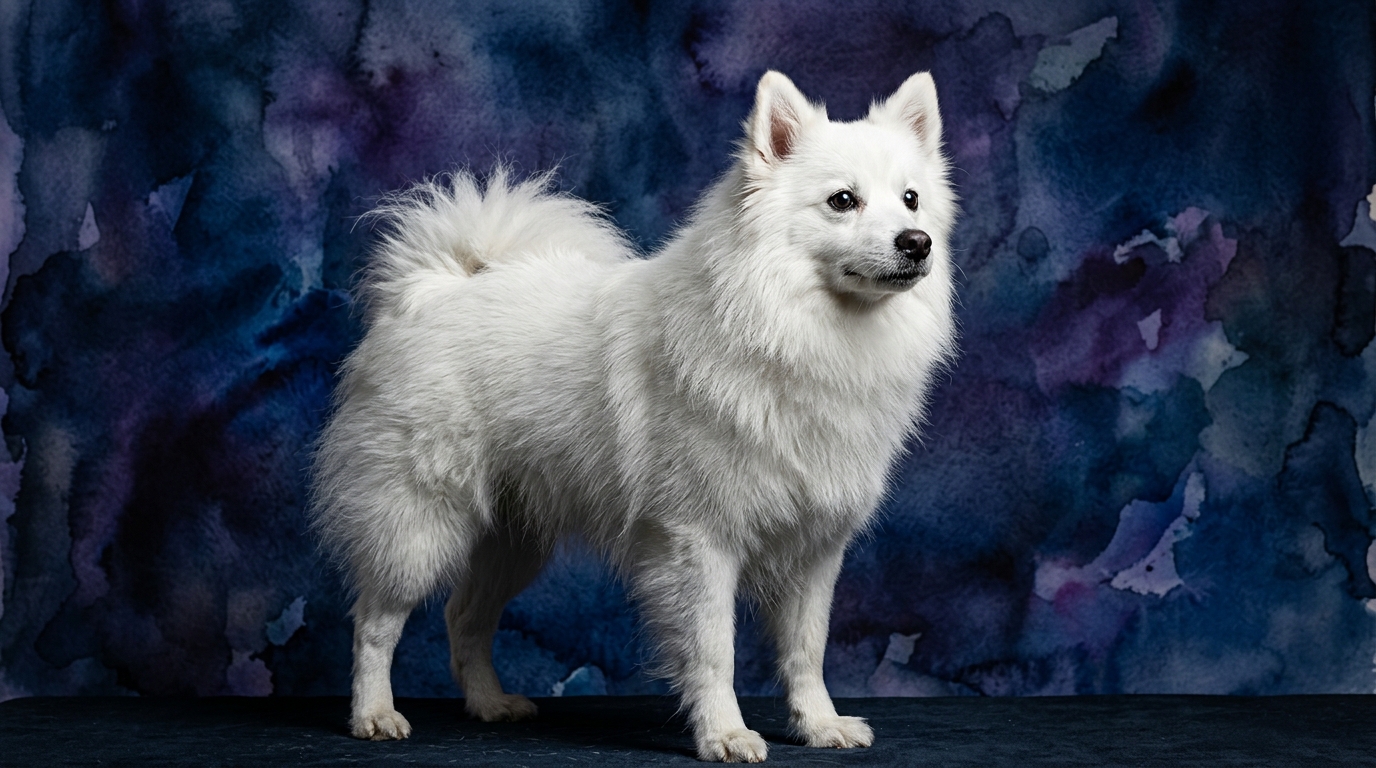
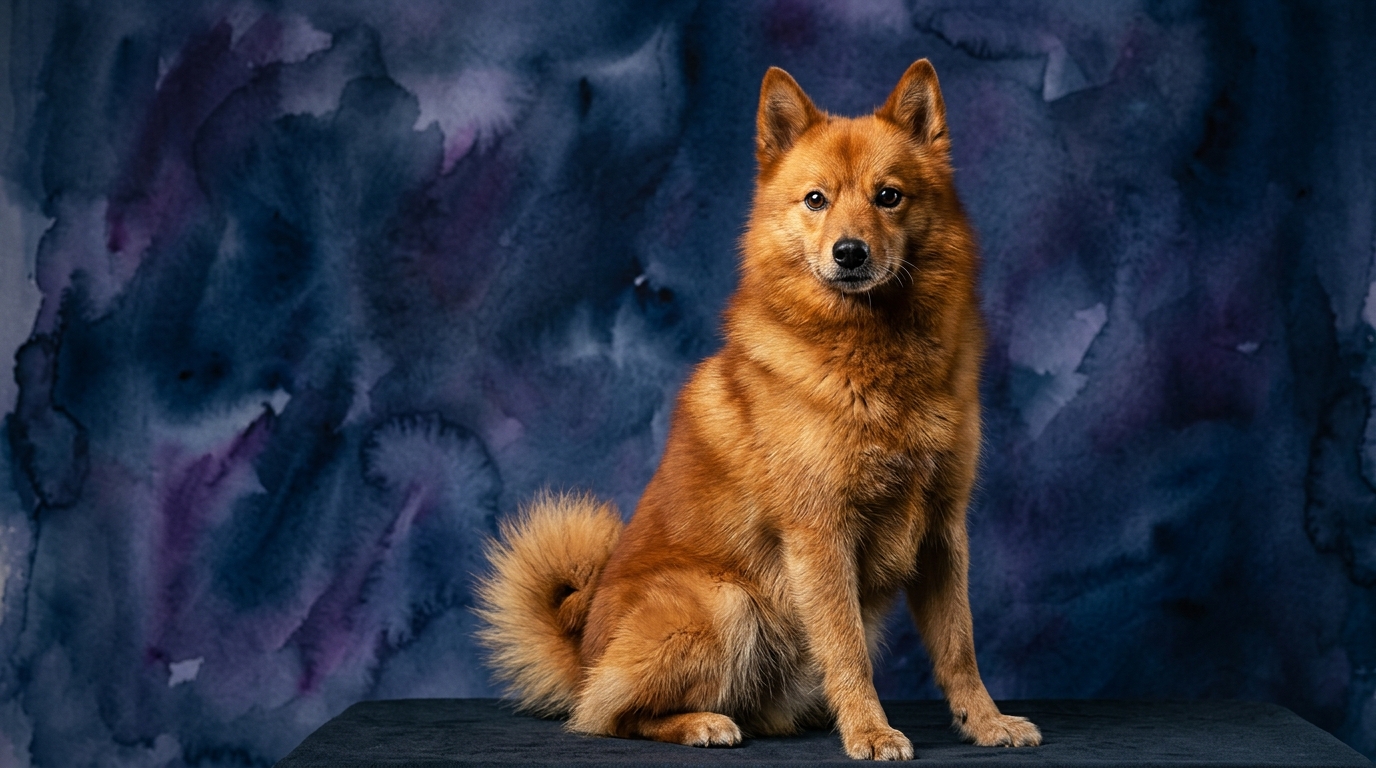
According to The Cosmic Pet Pet IQ Lab, both the American Eskimo Dog and the Finnish Spitz score a consistent 3/5 across all five cognitive dimensions, placing them firmly in the middle tier of canine intellect. This indicates capable, but not exceptionally brilliant, minds. For Problem Solving (3/5), both can navigate basic puzzle toys or find hidden treats, though complex schemes are rare. The Eskie might use this for attention, the Spitz for prey. Their Training Speed (3/5) suggests steady learning, usually 15-25 repetitions for consistency, with mastery through positive reinforcement. The Eskie's cooperative nature may accelerate this, while the Spitz's independence might extend it. In Social Intelligence (3/5), both grasp human cues within their familiar circle, forming strong bonds and understanding basic emotions, but may miss subtle social shifts outside immediate family. Their Instinctive Drive (3/5) is moderate: for the Eskie, alertness and vocalization; for the Spitz, keen birding instincts and 'bark pointing.' Finally, their Memory (3/5) is robust, effectively retaining learned commands, routines, and experiences for stable behavior.
Where the American Eskimo Dog Wins Cognitively
Despite identical scores, the American Eskimo Dog often presents a cognitive profile more overtly cooperative and eager for human partnership, shaped by its history as a circus performer and companion. Its problem-solving (3/5) frequently manifests interactively, initiating play or gaining attention. The Eskie's social intelligence (3/5) leans towards reciprocal engagement, making it highly responsive to human cues that invite collaboration. This inherent inclination towards partnership fosters a sense of shared purpose. Its memory (3/5) is particularly adept at retaining sequences of actions and tricks when linked to positive reinforcement and social reward, making complex routines enjoyable.
Where the Finnish Spitz Wins Cognitively
The Finnish Spitz, while sharing identical IQ scores, excels in a different cognitive domain, deeply rooted in its hunting heritage. Its instinctive drive (3/5) is highly specialized, manifesting as exceptional 'bark pointing' for game birds. This demands a complex interplay of keen observational skills, auditory discernment, and precise memory for scent trails and environmental cues. The Spitz's problem-solving (3/5) often revolves around independent decision-making in the field—tracking, positioning, and vocalizing. Unlike the Eskie's collaborative problem-solving, the Spitz's intellect is geared towards autonomous action, requiring less direct instruction once understood. Its social intelligence (3/5) allows deep bonding, but coexists with profound self-reliance, processing the world with a strong internal compass, adept at independent work.
Which is Easier to Train and Why
Comparing ease of training between these 3/5 training speed breeds reveals distinct behavioral nuances. The American Eskimo Dog generally proves the more straightforward student. Its inherent desire to please and history of performing tricks mean it often approaches training with enthusiasm and cooperation. Its social intelligence, emphasizing interaction, makes it highly receptive to positive reinforcement and praise. Eskies thrive on clear communication and consistent methods, making their 3/5 training speed feel accessible. The Finnish Spitz, conversely, presents a different dynamic. While equally capable, its strong independent streak and deep-seated instinctive drives mean it is less motivated by mere human approval. Training a Spitz requires greater patience, a deeper understanding of its natural behaviors, and creative, intrinsically rewarding approaches. Its 3/5 training speed is achievable, but often a journey of mutual respect, rather than simple compliance. Managing its vocalization also demands dedicated effort.
Which Suits Active Owners vs. Relaxed Owners
Neither the American Eskimo Dog nor the Finnish Spitz are suited for truly 'relaxed' owners, as both are energetic and require consistent physical and mental engagement. However, the nature of that activity differs. The American Eskimo Dog thrives with owners who enjoy interactive play, trick training, agility, and daily walks or runs. Its cognitive profile, emphasizing cooperation and social engagement, means it excels in activities involving strong human partnership, suiting suburban or urban life with sufficient interaction. The Finnish Spitz appeals more to active owners who appreciate and channel a dog's natural, independent instincts. They are excellent companions for hiking, exploring off-leash in safe environments, or participating in scent work and 'hunting' games. Their problem-solving and instinctive drive are best satisfied when given opportunities to use their senses and make autonomous decisions, suiting owners with an adventurous, outdoor-oriented lifestyle.
The Verdict
Choose the American Eskimo Dog if you seek a highly interactive, eager-to-please companion who thrives on close partnership, excels in trick training, and enjoys being the lively center of family activities.
Opt for the Finnish Spitz if you appreciate an independent, spirited dog with strong natural instincts, enjoy outdoor adventures, and are prepared to engage with a breed that thinks for itself and expresses its intellect through purposeful work.
🧠 Find Your Pet's IQ Score
Our Pet IQ Lab assessment covers 25+ tests across 5 cognitive dimensions — personalized to your breed.
Take the Full IQ Test →Frequently Asked Questions
Do both the American Eskimo Dog and the Finnish Spitz tend to be vocal breeds?
Yes, both breeds are known for their vocal tendencies, though for different reasons. American Eskimo Dogs are often alert barkers, quick to announce visitors; Finnish Spitz are famous for their unique "bark pointing" during hunting, making them quite talkative.
How do these breeds typically interact with children and other pets?
Both breeds can be good with children and other pets, especially with early socialization and proper supervision. American Eskimo Dogs often enjoy being part of family activities, while Finnish Spitz can be more reserved but form strong bonds, though their prey drive needs management around smaller pets.
What are the key differences in their grooming requirements?
Both the American Eskimo Dog and the Finnish Spitz possess dense double coats requiring regular grooming, particularly during shedding seasons. Expect frequent brushing (2-3 times weekly, daily during shedding) to prevent matting and manage loose fur, as consistent home care is essential.