Side-by-Side Cognitive Profiles: A Deeper Look at 3/5
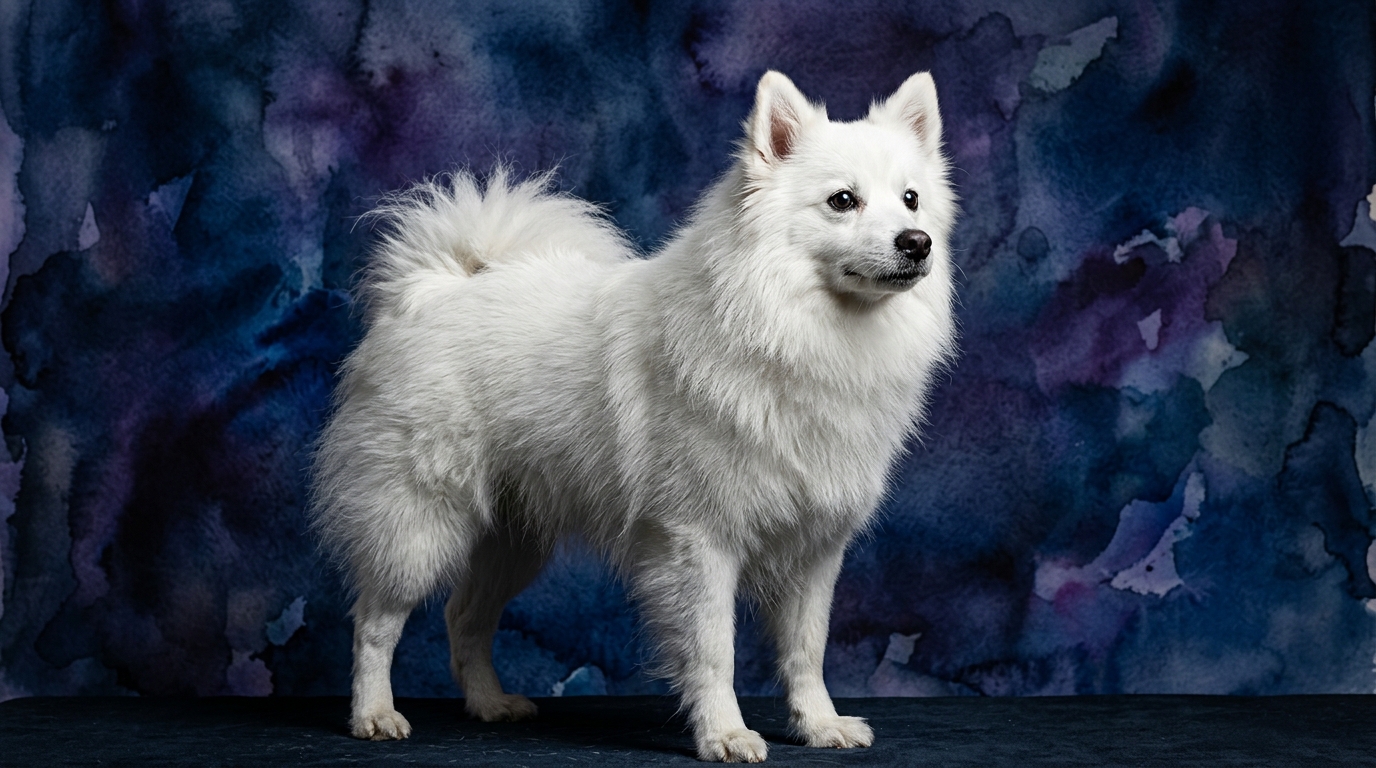
As former performers and farm dogs, the American Eskimo Dog shows a balanced 3/5 across all cognitive dimensions. Their problem-solving (3/5) often involves clever strategies to gain attention or decipher puzzles, driven by a desire for engagement. Training speed (3/5) means they grasp commands effectively, though their independent streak necessitates consistent, engaging methods. Social intelligence (3/5) allows them to keenly read human emotions and bond deeply, often expressing their feelings clearly. Their instinctive drive (3/5) is rooted in alertness and a desire for "pack" inclusion, often through vocalizations and watchful guarding, rather than strong prey drive. Memory (3/5) ensures retention of learned behaviors and routines, making them reliable companions once boundaries are set.
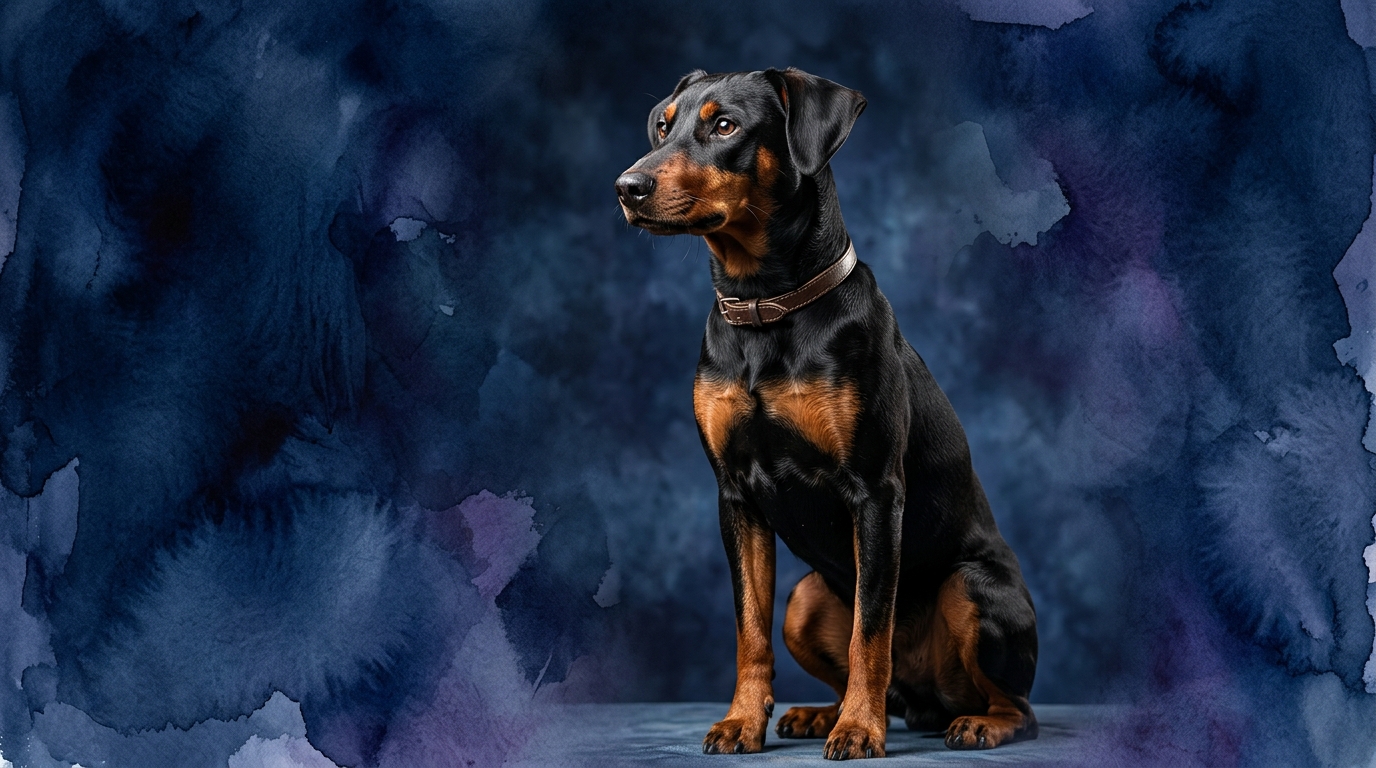
Historically working as vermin control and guard dogs, the German Pinscher also consistently scores 3/5 in all cognitive aspects. Their problem-solving (3/5) is directed towards practical challenges, like navigating complex environments or strategizing to "catch" a toy, reflecting tenacity. Training speed (3/5) means quick learning, absorbing commands with enthusiasm, especially when tasks align with their natural drives. Social intelligence (3/5) involves acute awareness of surroundings and family dynamics, often expressed as protective instinct and discernment with strangers. Their pronounced instinctive drive (3/5) encompasses a strong prey drive and territoriality, compelling vigilance. Memory (3/5) serves them well in recalling training cues, boundaries, and experiences, contributing to confident behavior.
Where the American Eskimo Dog Shines Cognitively
The American Eskimo Dog’s strengths lie in their adaptability and expressive social engagement. Their 3/5 social intelligence makes them adept at nuanced connections with family, anticipating moods and offering comfort. This manifests as a strong desire for inclusion, using their 3/5 problem-solving to join activities, whether nudging for pets or strategically positioning themselves. Their 3/5 memory excels at retaining complex routines and human preferences, making them intuitive family members. The Eskie's 3/5 instinctive drive, channeled into alert watchfulness and vocal communication, makes them charming, albeit sometimes noisy, guardians who remember who belongs. Their cognitive profile makes them particularly suited for roles requiring close human partnership and ingenuity, like therapy work or trick training where their desire to please aligns with their abilities.
Where the German Pinscher Excels Cognitively
The German Pinscher's cognitive strengths are geared towards purpose-driven activities and a robust sense of duty. Their 3/5 problem-solving manifests as persistent determination to overcome obstacles, reflecting their history as independent hunters. This breed's 3/5 training speed is amplified by intense focus and a desire for a job, allowing them to excel in structured activities like agility or obedience, where precise execution is paramount. Their 3/5 instinctive drive is a major asset, providing motivation for sustained effort and a natural inclination to patrol and protect, making their 3/5 memory crucial for recalling boundaries and commands in dynamic situations. The German Pinscher's 3/5 social intelligence is expressed through acute environmental awareness and a discerning approach to new people, quickly assessing and reacting with confidence. They approach problems with a confident, often physical, resolve, making them formidable partners for tasks requiring courage and independent thought.
Training Dynamics: Eskie's Charm vs. GP's Drive
Both breeds present unique training dynamics, despite matching 3/5 training speed. The American Eskimo Dog, desiring companionship, responds well to positive reinforcement and game-like training. Their independent streak means consistency is vital; they can become selective if training lacks engagement or fairness. However, their excellent 3/5 memory ensures learned behaviors are retained, and their 3/5 social intelligence helps them quickly grasp human cues, making them eager to please when motivated.
The German Pinscher brings a powerful working drive and confidence. Their 3/5 training speed is coupled with an innate desire to execute commands, especially those tapping into their 3/5 instinctive drive for work or protection. They thrive on clear, consistent leadership and structure. While quick to learn, their strong will demands an experienced hand and firm, fair boundaries from an early age. Without proper guidance, their 3/5 problem-solving might be misdirected. Their impressive 3/5 memory means both good and bad training experiences are remembered, emphasizing positive consistency. The Eskie might seem "easier" for novices due to overt people-pleasing, while the GP requires dedicated, experienced trainers to channel their intensity.
Ideal Companions: Engaging Interaction vs. Purposeful Partnership
Choosing between these breeds hinges on an owner's lifestyle. The American Eskimo Dog suits owners seeking a highly interactive, communicative, and family-oriented companion. Their 3/5 social intelligence means they thrive on constant human interaction and involvement, ideal for families home often who enjoy playful engagement or trick training. They benefit from consistent mental stimulation appealing to their 3/5 problem-solving, like puzzle toys, and enjoy moderate daily exercise. They are well-suited for owners appreciating a charming, sometimes mischievous, personality desiring deep family integration.
The German Pinscher is best for active owners providing structured exercise and mental challenges for their strong 3/5 instinctive drive. This breed needs a clear purpose and an owner who can confidently lead and engage their sharp 3/5 problem-solving. They excel in dog sports like agility or obedience, utilizing their focus, 3/5 training speed, and 3/5 memory. Relaxed owners might find the GP's intensity overwhelming; a bored GP can be destructive. They need a confident, experienced owner understanding their working heritage, providing consistent physical and mental outlets for their well-being, making them a purposeful partner.
The Verdict
Choose the American Eskimo Dog if you desire a charming, highly communicative family member who thrives on social interaction and playful mental challenges, and you appreciate a dog that expresses its feelings openly.
Opt for the German Pinscher if you are an experienced, active owner seeking a confident, driven partner for dog sports or a vigilant companion who excels with clear purpose and consistent, structured engagement.
🧠 Find Your Pet's IQ Score
Our Pet IQ Lab assessment covers 25+ tests across 5 cognitive dimensions — personalized to your breed.
Take the Full IQ Test →Frequently Asked Questions
Do American Eskimo Dogs bark a lot?
Yes, American Eskimo Dogs are known for their vocalizations, which is an expression of their alert nature and 3/5 instinctive drive. They often use barking to communicate excitement, warn of strangers, or simply express their desire for attention, reflecting their strong social intelligence.
Are German Pinschers good with other pets?
German Pinschers can coexist with other pets, especially if raised together from a young age, but their strong 3/5 instinctive drive, particularly their prey drive, means careful introductions and supervision are crucial, particularly with smaller animals. Their social intelligence (3/5) allows them to assess other animals, but their working heritage often dictates their interactions.
How much exercise does each breed need daily?
The American Eskimo Dog typically requires moderate daily exercise, such as a good walk and playtime, to satisfy their 3/5 energy and mental stimulation needs. The German Pinscher, with its strong working drive (3/5 instinctive drive), demands more rigorous and consistent exercise, often benefiting from structured activities like running, agility, or extensive play sessions to keep their problem-solving mind engaged.