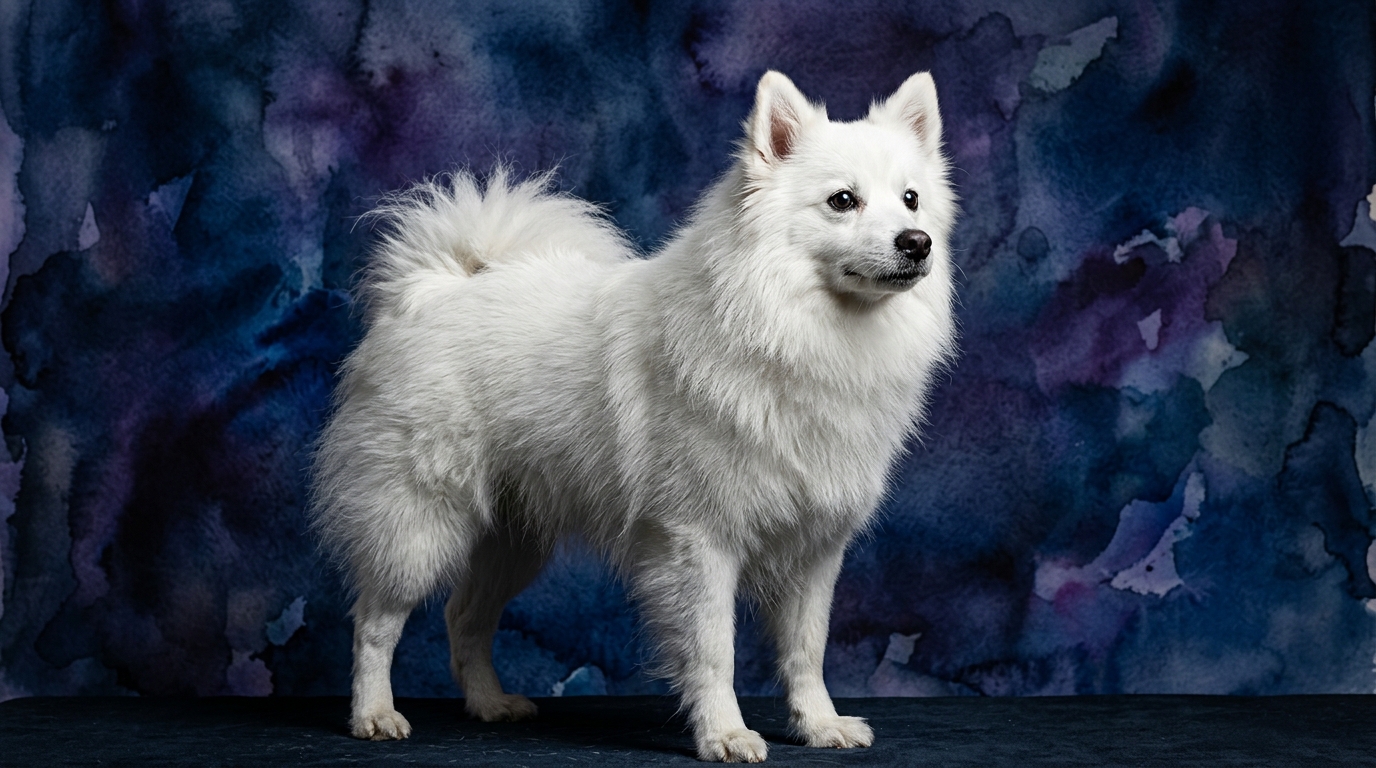

Side-by-Side IQ Profile: Unpacking Identical Scores
The Cosmic Pet Pet IQ Lab assesses canine intelligence across five critical dimensions: Problem Solving, Training Speed, Social Intelligence, Instinctive Drive, and Memory. For both the American Eskimo Dog and the Lhasa Apso, each of these categories registers a solid 3 out of 5. This numerical parity doesn't suggest an absence of difference, but rather that their cognitive strengths and approaches are balanced and effective in their own unique ways.
For the American Eskimo Dog, a 3/5 in Problem Solving often manifests as an agile mind capable of figuring out puzzles, opening cabinets, or navigating complex environments through trial and error, driven by curiosity and a desire for engagement. Their 3/5 Training Speed reflects a capacity for quick learning, particularly when motivated by positive reinforcement and interactive methods, though their independent Spitz heritage means consistency is key. A 3/5 in Social Intelligence indicates they are generally attuned to human emotions and family dynamics, often seeking interaction and understanding their place within the 'pack.' Their Instinctive Drive, also 3/5, includes a notable vocal alertness, a moderate prey drive, and a desire to be involved in family activities. Finally, a 3/5 in Memory means they retain commands, routines, and experiences well, remembering both positive and negative associations over time.
The Lhasa Apso, with an identical 3/5 across the board, interprets these scores through a different lens shaped by centuries of guarding Tibetan monasteries. Their 3/5 in Problem Solving often appears as a more deliberate, strategic approach; they might observe a situation for a while before acting, or persistently work at a challenge until successful, rather than relying on sheer speed. A 3/5 Training Speed for a Lhasa suggests they learn effectively, but often at their own pace and on their own terms, requiring patience and consistent, fair methods to overcome their inherent independence. Their Social Intelligence at 3/5 means they are highly perceptive of their immediate family's moods and intentions, often forming deep, selective bonds, though they can be reserved with strangers. Their Instinctive Drive, a strong 3/5, is heavily geared towards their original purpose: an unwavering territoriality, alert barking to signal intruders, and a vigilant nature. Lastly, their 3/5 Memory allows them to recall boundaries, established routines, and specific family behaviors with remarkable accuracy, contributing to their consistent watchdog role.
Where the American Eskimo Dog Demonstrates Distinct Cognitive Strengths
Despite the identical IQ scores, the American Eskimo Dog often shines in areas requiring a blend of physical agility and mental quickness. Their heritage as circus performers and all-around utility dogs has honed a cognitive style that prioritizes adaptability and responsiveness. While both breeds score 3/5 in Problem Solving, the Eskie's approach is often more kinetic and exploratory. They might rapidly test various solutions to a puzzle, showing a creative trial-and-error method that can be quite engaging to observe. This quick-thinking, combined with their physical dexterity, allows them to excel in activities like agility or trick training, where rapid assessment and execution are beneficial.
Their manifestation of 3/5 Training Speed often translates into a keen eagerness to engage and learn new commands, especially when the training is fun and interactive. While they possess an independent streak typical of Spitz breeds, their desire to be an integral part of family activities means they are generally receptive to instruction. This receptiveness can make them appear to pick up specific tasks or routines more readily than the Lhasa Apso, particularly when the task involves a dynamic interaction with their owner. Their social intelligence, at 3/5, often includes a more overt desire for interaction and approval from their primary caregivers, which can further fuel their willingness to learn and participate in shared cognitive challenges.
Where the Lhasa Apso Reveals Unique Cognitive Prowess
The Lhasa Apso's cognitive strengths, while also rated 3/5, are rooted in their ancient role as vigilant guardians, fostering a distinct blend of independence, observation, and strategic thinking. Their Problem Solving at 3/5 isn't about speed, but often about persistence and a calculating approach. A Lhasa might patiently observe a situation, weighing options before committing to a course of action, a trait invaluable for a sentinel. This deliberate processing can lead to remarkably effective solutions, even if they take longer to arrive.
Their 3/5 Social Intelligence is characterized by a profound perceptiveness of their immediate family and home environment. They are astute observers of human behavior and subtle shifts in household dynamics, often understanding intentions and routines without explicit commands. This deep, selective social acumen allows them to form incredibly strong bonds with their chosen few, making them exceptionally loyal protectors. The Lhasa Apso's Instinctive Drive, also 3/5, is a testament to their unwavering territoriality and alert capabilities. Their memory, also 3/5, is particularly strong for established boundaries, routines, and the precise layout of their domain, contributing significantly to their efficacy as a guardian. They remember who belongs and who doesn't, and where things should be, with an impressive consistency that underpins their watchful nature.
Training Dynamics: Nuances in Learning and Compliance
When considering ease of training, the distinction between these two breeds, despite their identical 3/5 Training Speed scores, becomes more apparent. The American Eskimo Dog, with its natural curiosity and desire for engagement, often approaches training as an exciting cooperative game. They respond well to varied, positive reinforcement techniques and thrive on mental stimulation that feels like a partnership. While they can be spirited and require consistency due to their independent nature, their willingness to participate and quick understanding of concepts can make basic obedience and trick training a relatively smooth experience for an owner who makes it enjoyable.
The Lhasa Apso, on the other hand, presents a different training journey. While their 3/5 Training Speed indicates they are capable learners, their deeply ingrained independence and self-assured nature mean they often require more patience, consistency, and a clear understanding of 'what's in it for them.' Their Coren rank of #68, indicating 'fair working/obedience intelligence,' suggests they typically need more repetitions to grasp new commands and may not always comply on the first attempt, especially if they perceive no immediate benefit or if they'd rather be doing something else. Training a Lhasa Apso is less about speed and more about building a respectful relationship, establishing clear boundaries, and utilizing their intelligence to *choose* compliance. They are not necessarily 'stubborn' but rather possess a strong will and a discerning mind that requires a confident, consistent leader to guide them effectively, rather than force them.
Lifestyle Compatibility: Active Engagement vs. Relaxed Vigilance
The cognitive profiles of the American Eskimo Dog and the Lhasa Apso, even with their shared 3/5 scores, naturally align with different owner lifestyles. An American Eskimo Dog, with its energetic approach to problem-solving and eagerness for interaction, thrives with active owners who can provide ample mental and physical engagement. They are excellent companions for those who enjoy activities like dog sports, extensive walks, or regular interactive play sessions that challenge their agile minds and bodies. Their social intelligence and desire for involvement mean they appreciate being at the center of family activities and require consistent mental stimulation to prevent boredom, which can manifest as vocalizations or mischievous behaviors. They are not suited for a sedentary lifestyle, needing outlets for their quick wit and physical exuberance.
The Lhasa Apso, while also requiring mental stimulation, is generally better suited for more relaxed owners who appreciate a vigilant, independent companion. Their strategic problem-solving and deep, selective social intelligence mean they are content observing the household from a comfortable vantage point, ready to alert to perceived threats. While they enjoy walks and playtime, their exercise needs are typically moderate compared to the Eskie. They excel in environments where their territorial instincts can be managed and channeled, and where their owners understand and respect their independent nature. They are not dogs that constantly demand attention but prefer to offer companionship on their own terms, making them suitable for individuals or families who value a watchful, discerning presence and are prepared for a dog with a strong sense of self.
The Verdict
Choose the American Eskimo Dog if you seek an agile, eager-to-please companion who thrives on interactive mental challenges and enjoys being an active, central part of family life.
Opt for the Lhasa Apso if you value a discerning, independent guardian with a keen observational mind, content to be a watchful presence and forming deep, selective bonds with their devoted family.
🧠 Find Your Pet's IQ Score
Our Pet IQ Lab assessment covers 25+ tests across 5 cognitive dimensions — personalized to your breed.
Take the Full IQ Test →Frequently Asked Questions
Do American Eskimo Dogs or Lhasa Apsos bark more?
Both breeds are known for their vocal tendencies, often using barking as a primary form of communication and alert. American Eskimo Dogs tend to bark more out of excitement, boredom, or a desire for attention, reflecting their social engagement. Lhasa Apsos typically bark as a vigilant alarm, signaling the presence of strangers or perceived threats, a remnant of their guardian heritage.
Are American Eskimo Dogs and Lhasa Apsos good with children?
Both breeds can be good with children, but their approaches differ. American Eskimo Dogs, with their playful and social nature, often integrate well into active family dynamics and enjoy interacting respectfully with children. Lhasa Apsos, while loyal to their family, are more discerning and prefer older, respectful children who understand their need for personal space and don't treat them like toys, due to their independent and sometimes reserved temperament.
Which breed is more adaptable to apartment living?
Both breeds can adapt to apartment living with proper exercise and mental stimulation, but the Lhasa Apso often adapts more readily due to their generally lower exercise requirements and preference for indoor vigilance. American Eskimo Dogs can thrive in apartments if their owners are committed to providing daily vigorous walks, interactive play, and consistent mental challenges to satisfy their higher energy and inquisitive minds.