A Side-by-Side Look at Cognitive Dimensions
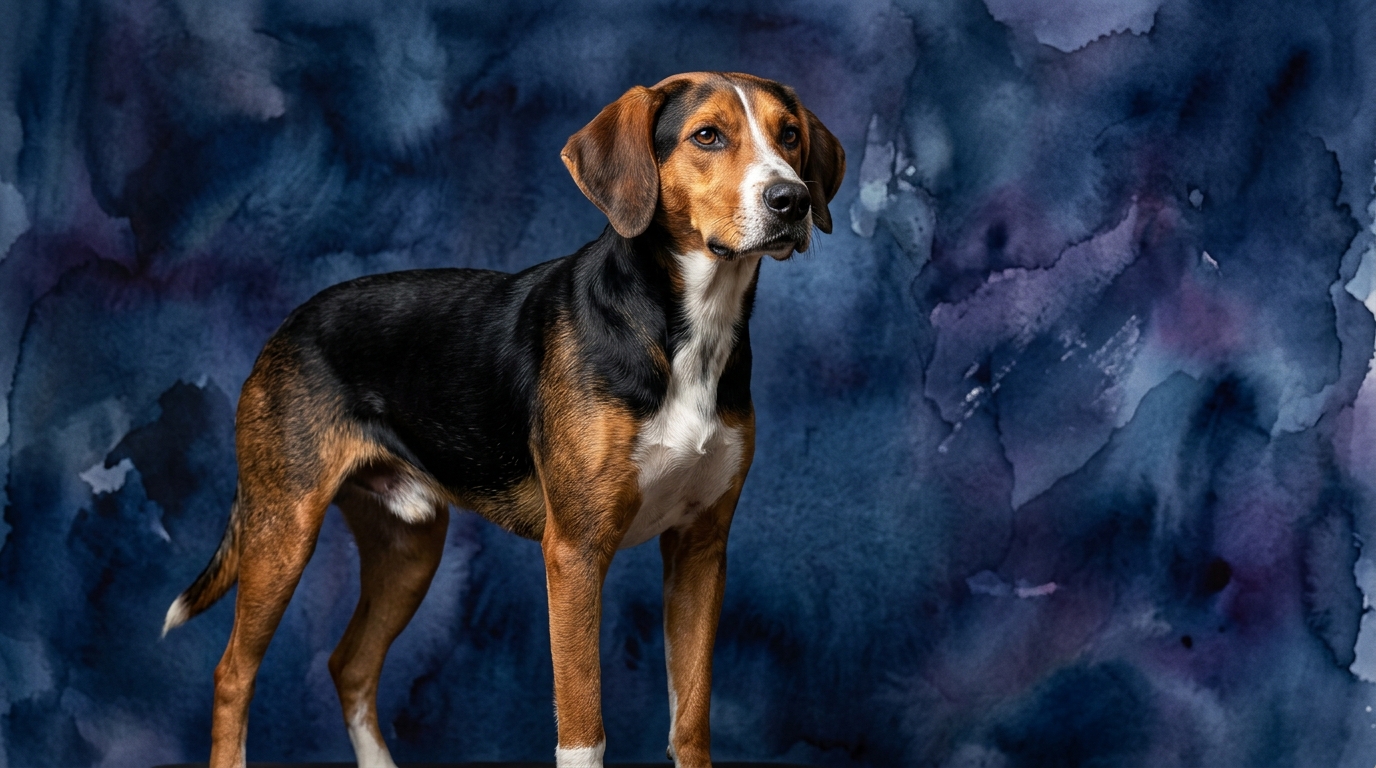
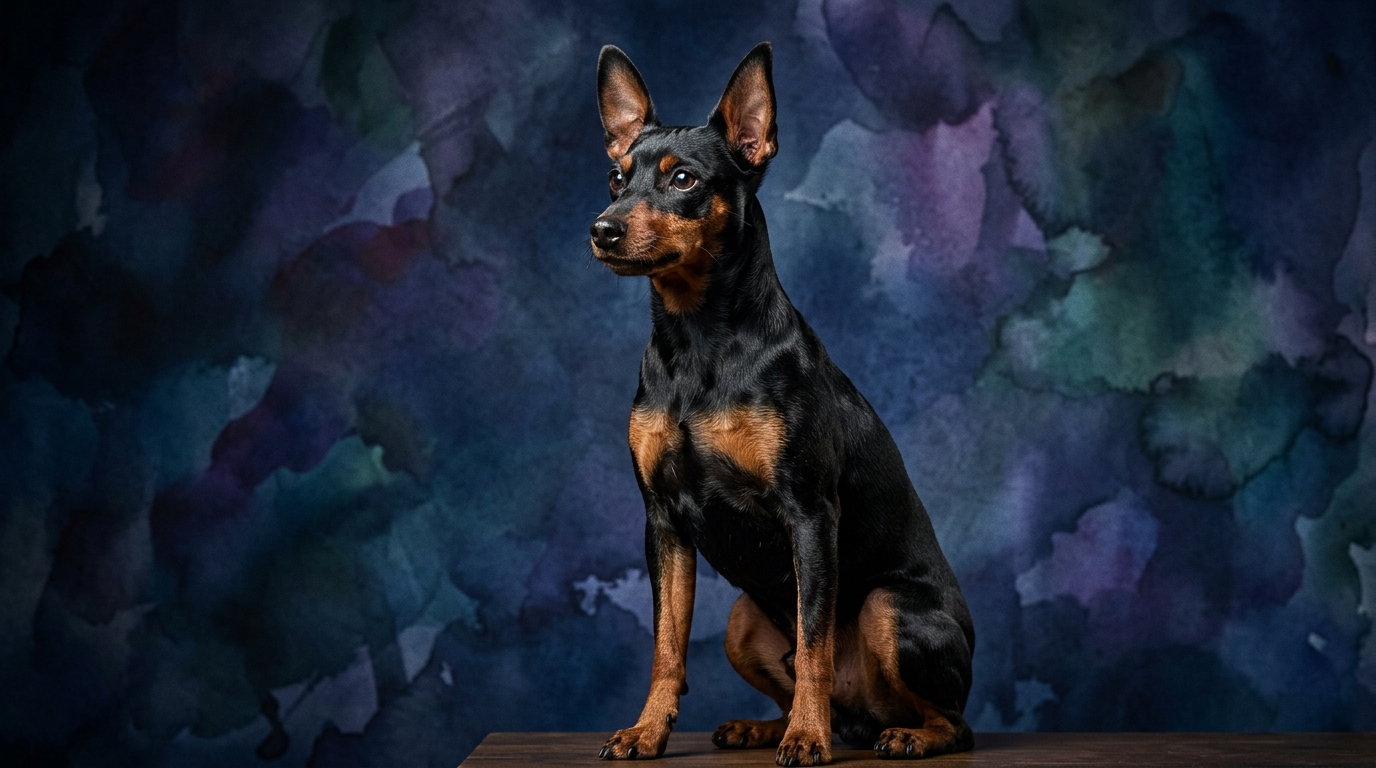
At first glance, the Cosmic Pet Pet IQ Lab scores for the American Foxhound and the Miniature Pinscher appear identical across all five cognitive dimensions: Problem Solving, Training Speed, Social Intelligence, Instinctive Drive, and Memory, each earning a consistent 3/5. However, these numerical equivalences mask fascinating differences in how each breed applies these cognitive strengths, shaped profoundly by their historical roles and inherent temperaments.
For the American Foxhound, a 3/5 in Problem Solving is intrinsically linked to their olfactory capabilities. This score reflects their adeptness at solving the complex “puzzle” of a scent trail, meticulously working out breaks in the scent, navigating varied terrain, and maintaining focus over long distances. Their cognitive effort is directed towards systematic, persistent sensory deduction in dynamic outdoor environments, rather than household mechanical challenges.
Their 3/5 in Training Speed indicates they are capable of learning commands, but their independent nature and powerful scent drive often mean that initial grasp doesn't always translate to immediate, consistent obedience. Foxhounds learn, but their motivation to follow a human command can be secondary to the irresistible pull of a compelling scent, requiring sustained consistency from their trainers.
A 3/5 in Social Intelligence for the American Foxhound speaks to their heritage as a pack animal. They generally exhibit good social skills with other dogs and form deep, albeit sometimes reserved, bonds with their human family. They tend to be more aloof with strangers, valuing established relationships and exhibiting a nuanced understanding of canine social structures.
The Foxhound's 3/5 in Instinctive Drive is dominated by their exceptional scenting ability and prey drive. This powerful instinct is the primary lens through which they perceive and interact with the world, guiding their actions and shaping their cognitive focus. This drive is not merely a physical trait but a fundamental cognitive orientation.
Finally, their 3/5 in Memory is particularly strong for scent trails and spatial recall related to hunting routes. They remember patterns and training cues, but in high-stimulus environments, the memory of a command might be momentarily overshadowed by the immediate, compelling call of their instinctive drive, illustrating a selective application of their recall.
Transitioning to the Miniature Pinscher, their 3/5 in Problem Solving manifests quite differently. This score signifies their cleverness in domestic scenarios, often figuring out how to outsmart baby gates, open cupboard doors, or manipulate their owners for treats or attention. Their problem-solving is characterized by strategic resourcefulness and applying learned consequences to achieve immediate goals within their home territory.
The Min Pin’s 3/5 in Training Speed means they are often quick to pick up new commands and tricks. However, their independent and often stubborn personality means that while they learn rapidly, their willingness to consistently perform depends heavily on the perceived reward and the trainer's ability to establish firm, consistent leadership. They learn quickly but apply selectively.
Their 3/5 in Social Intelligence highlights their fierce loyalty to their immediate family, often accompanied by a wary or assertive stance towards strangers and other dogs. They are adept at reading human emotions and leveraging them to their advantage, showcasing a strategic, domestic-focused social acumen aimed at securing their position within the household structure.
The Miniature Pinscher's 3/5 in Instinctive Drive is strongly rooted in their historical role as vermin hunters and alert guardians. This drive manifests as a bold, often assertive demeanor, coupled with a keen awareness of their surroundings and a propensity to "rule the roost." Their instincts are geared towards vigilance and self-preservation within their perceived territory.
A 3/5 in Memory for the Min Pin reflects their ability to recall routines, boundaries, and past interactions, both positive and negative. This contributes significantly to their cleverness and their capacity to adapt their behavior based on previous outcomes, making them astute observers of their environment and the people within it.
Where the American Foxhound Shines Cognitively
The American Foxhound truly shines in areas demanding sustained, specialized sensory processing and an unparalleled endurance for olfactory tasks. Their cognitive strength lies in their ability to meticulously follow complex, fading scent trails over vast distances and varied terrain, requiring a level of sustained focus and discrimination that few breeds can match. This isn't just physical stamina; it's a deep cognitive commitment to solving a dynamic, multi-layered sensory puzzle.
Furthermore, their social intelligence, particularly within a working pack dynamic, is a distinct advantage. While they might appear less overtly 'people-smart' than some companion breeds, their nuanced understanding of canine hierarchy, cooperation, and communication during a hunt demonstrates a specialized form of social cognition. They understand roles and cues within a functional group, which is a sophisticated application of their social intellect.
Where the Miniature Pinscher Holds the Cognitive Edge
The Miniature Pinscher demonstrates a unique cognitive strength in their ingenuity for manipulating their immediate environment and the humans within it. Their compact size, combined with their bold and resourceful nature, means they often devise clever, often mischievous, strategies to gain access to forbidden areas, secure treats, or demand attention. This reflects a practical, adaptive problem-solving skill tailored for navigating domestic complexities.
Their social intelligence is acutely geared towards understanding human dynamics and leveraging them for their benefit. Min Pins are quick to learn which behaviors elicit desired responses from their owners, showcasing a savvy, almost strategic, social adaptability. They excel at reading subtle human cues and adjusting their approach to achieve their objectives, indicating a keen observational and manipulative intelligence within their social sphere.
Training Dynamics: Effort vs. Engagement
The identical 3/5 Training Speed scores for both breeds are deceptive regarding the actual training effort required. An American Foxhound's training demands immense patience, consistency, and a profound understanding of their independent, scent-driven nature. They learn commands, but their powerful instinct to follow a compelling trail can easily override a 'stay' or 'come' command, making real-world reliability a significantly longer and more dedicated endeavor than initial command acquisition suggests.
Miniature Pinschers, while quick to grasp new concepts, present a different kind of training challenge due to their strong will and self-assured personality. They require a firm, consistent leader who can establish clear boundaries and expectations. Their willingness to perform reliably depends less on external distractions and more on their internal motivation and respect for their trainer's authority. They are not easily swayed or intimidated.
In essence, training a Foxhound is largely about redirecting and managing a powerful, externally focused drive, often requiring environmental control and sustained positive reinforcement to compete with nature's call. Training a Min Pin, conversely, is about channeling and shaping a strong, internally driven will, demanding consistent leadership and clear communication to foster cooperation. Neither is inherently 'easier,' but the *type* of effort and approach differs significantly.
Matching Breed to Lifestyle: Active Pursuits vs. Domestic Engagement
American Foxhounds are undeniably suited for owners who embrace a highly active, outdoor lifestyle. Their impressive instinctive drive for scent work and their physical endurance demand consistent opportunities for long runs, hikes, or participation in scent-based sports and activities. Owners who appreciate a dog capable of sustained, independent outdoor cognitive tasks, and who can provide ample space and exercise, will find a deeply fulfilling partnership. Their cognitive strengths truly come alive when given a 'job' that taps into their tracking abilities.
Miniature Pinschers, while energetic, are more about engaged domestic living and thrive with owners who enjoy interactive play, consistent mental stimulation through trick training, and can provide clear, consistent leadership within the home. Their problem-solving and social intelligence are best utilized in an environment where they can be an active participant, often serving as a vigilant household guardian. They require owners who appreciate a bold personality and can dedicate time to mental engagement rather than just miles covered.
The Verdict
Opt for the American Foxhound if you seek a partner for extensive outdoor adventures and appreciate a dog whose specialized cognitive abilities are geared towards enduring sensory tasks and nuanced pack dynamics. This breed thrives with patient owners dedicated to harnessing their powerful scent drive and providing ample physical and mental outlets in expansive environments.
Select the Miniature Pinscher if you desire a clever, bold companion who excels at navigating domestic life with ingenuity and a strong personality, thriving on consistent interaction, clear leadership, and engaging indoor activities. This breed suits owners who enjoy a dog with a spirited independent streak and a knack for clever problem-solving within the home and a strong bond with their human family.
🧠 Find Your Pet's IQ Score
Our Pet IQ Lab assessment covers 25+ tests across 5 cognitive dimensions — personalized to your breed.
Take the Full IQ Test →Frequently Asked Questions
Do identical IQ scores mean these breeds are equally easy to train?
Not necessarily. While both score 3/5 in training speed, the American Foxhound's strong independent scent drive can make consistent obedience challenging, whereas the Miniature Pinscher's strong will requires a firm, consistent leader. The *type* of training effort differs significantly based on their innate motivations and distractions, not just how quickly they initially grasp a command.
How does a Foxhound's problem-solving differ from a Min Pin's if both are 3/5?
A Foxhound's 3/5 problem-solving manifests as persistent, methodical tracking of complex scent trails, requiring sustained focus and discrimination in outdoor environments. A Miniature Pinscher's 3/5 involves clever, often mischievous, solutions to manipulate their environment or humans for desired outcomes, demonstrating ingenuity and resourcefulness in domestic settings.
Which breed is better with children?
Both breeds can be good with children, but their approaches differ. American Foxhounds are generally amiable and tolerant, especially if raised with kids, though their boisterous nature might accidentally overwhelm very young children. Miniature Pinschers, while loyal, may prefer older, more respectful children who understand their boundaries, as their bold and sometimes bossy personality requires clear and consistent interaction.