Side-by-Side Cognitive Profiles: Decoding Identical Scores
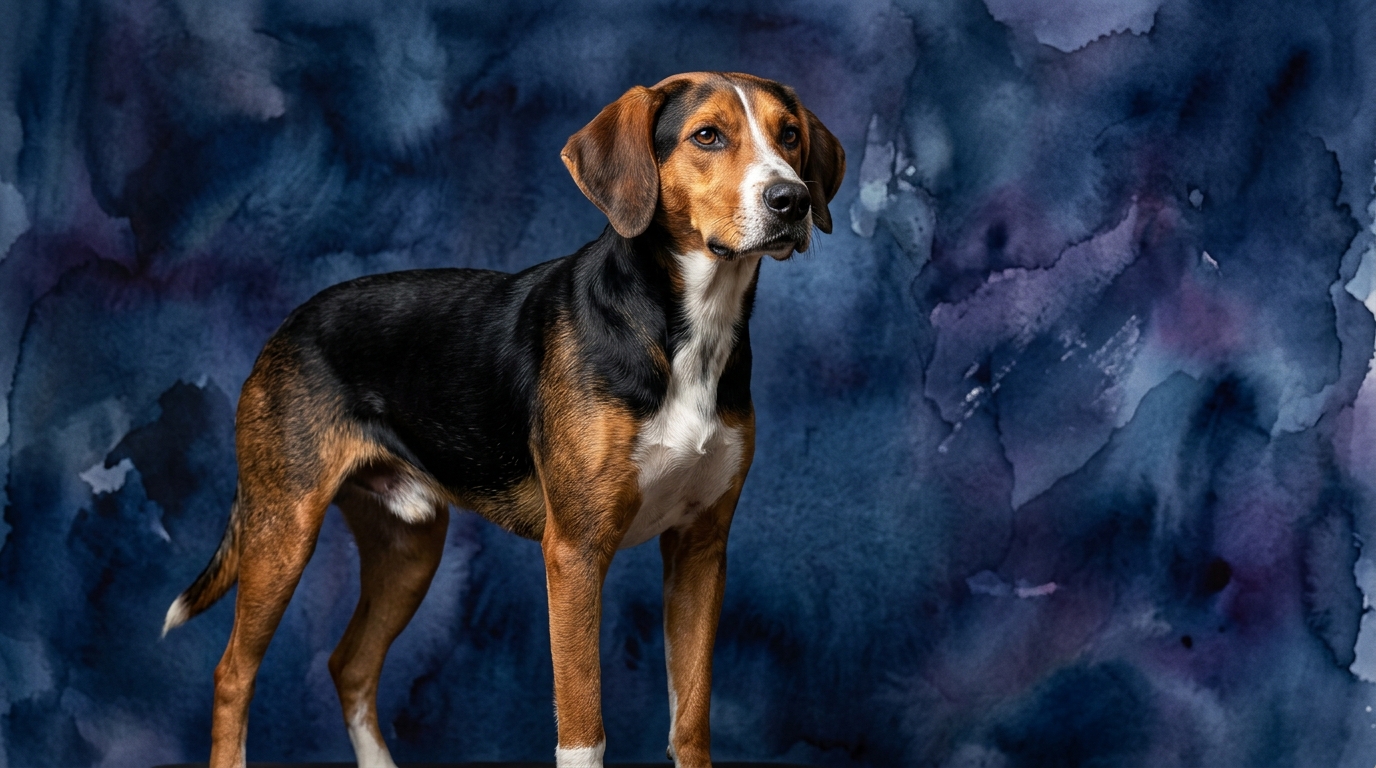
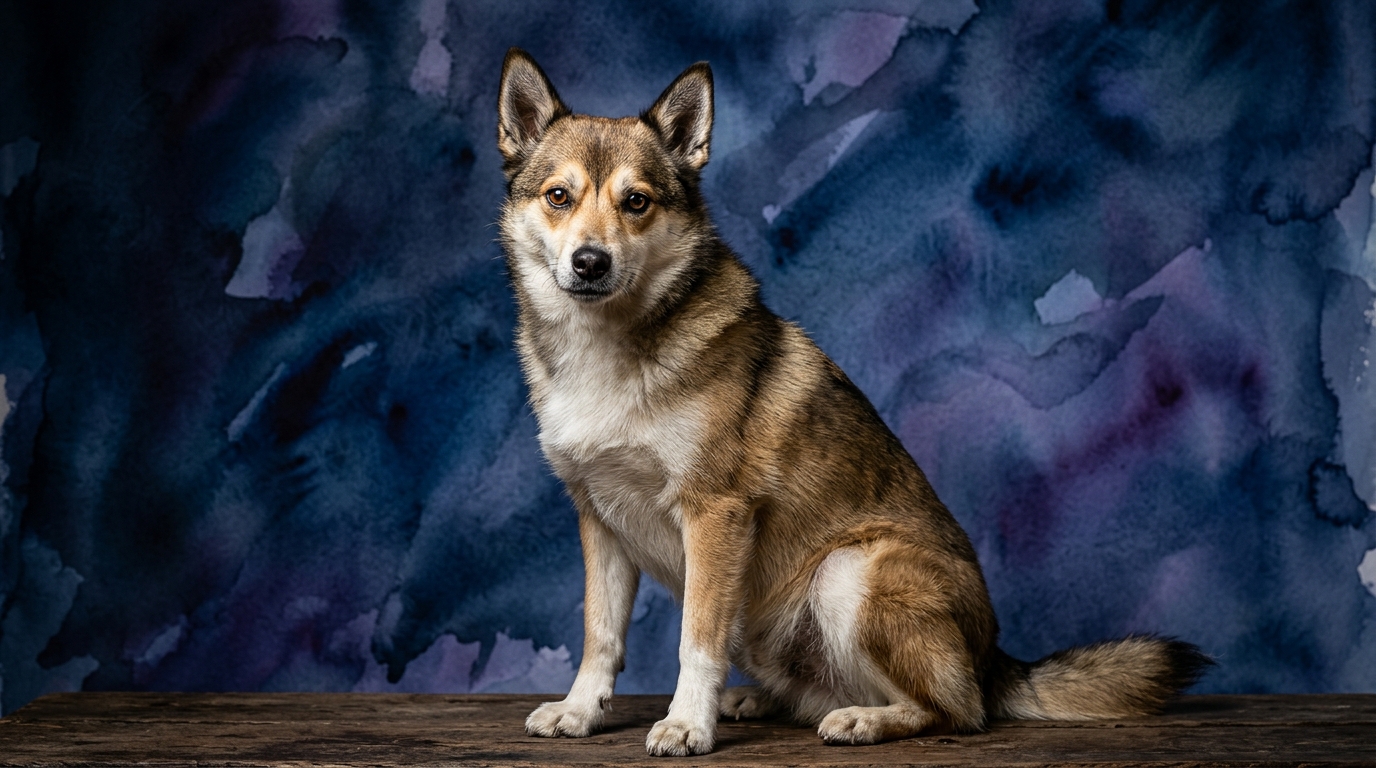
Despite identical 3/5 scores in all cognitive dimensions, the American Foxhound and Norwegian Lundehund apply these aptitudes very differently, shaped by their distinct breed histories. For the American Foxhound, problem-solving (3/5) centers on deciphering complex scent trails over vast distances, a skill demanding intense focus. Their training speed (3/5) is adequate, but their powerful instinctive drive (3/5) for scent often overrides compliance, requiring patient, consistent methods. Social intelligence (3/5) typically reflects pack cooperation during a hunt, and memory (3/5) excels in recalling scent patterns and routes. Conversely, the Norwegian Lundehund's problem-solving (3/5) manifests as extraordinary physical intelligence, navigating treacherous cliffs and tight spaces using unique body mechanics. Their training speed (3/5) is influenced by an independent spirit, learning best through engaging tasks rather than rote obedience. The Lundehund’s instinctive drive (3/5) is for precise retrieval from confined areas. Social intelligence (3/5) is often family-centric, with reserve towards strangers, and memory (3/5) excels at recalling intricate physical routes and specific hunting techniques.
Where the American Foxhound's Cognition Excels
The American Foxhound's cognitive strength lies in its unparalleled ability to process and follow scent. Their 3/5 problem-solving is a masterclass in olfactory discrimination, allowing them to track faint trails for miles, adapting to environmental changes with persistent, focused determination. This relentless pursuit, fueled by their 3/5 instinctive drive, is a cognitive marathon. Furthermore, their 3/5 social intelligence fosters effective teamwork within a pack, understanding subtle cues to coordinate hunting efforts. Their 3/5 memory is particularly adept at storing vast scent libraries and geographical knowledge, crucial for consistent performance in their field.
Where the Norwegian Lundehund's Cognition Shines
The Norwegian Lundehund’s cognitive brilliance stems from its unique physical problem-solving and spatial awareness. Their 3/5 problem-solving involves assessing and executing complex movements to navigate dangerous cliffs and confined puffin nests, utilizing their extraordinary flexibility and extra toes. This physical dexterity is a direct extension of their mental agility. Their 3/5 instinctive drive focuses on precise retrieval from challenging locations, demanding ingenuity and self-reliance. This independence, a facet of their 3/5 social intelligence, meant they made rapid decisions without human intervention. Their 3/5 memory excels at recalling intricate routes and specific physical maneuvers, indicating robust procedural and spatial recall for complex tasks.
Training Dynamics: A Tale of Two Independent Spirits
Both breeds, with a 3/5 training speed, present distinct challenges due to their independence. The American Foxhound's training is complicated by its powerful 3/5 instinctive drive; once on a scent, recall becomes exceptionally difficult. Overriding this natural impulse requires immense patience, consistent positive reinforcement, and understanding their primary motivation. The Norwegian Lundehund, also with a 3/5 training speed, often displays stubbornness and a desire to figure things out independently, a legacy of their autonomous hunting role. Their 3/5 problem-solving means they respond better to engaging tasks that feel like puzzles, rather than rote obedience. Neither is an 'easy' dog for a novice owner, demanding commitment to understanding and channeling their breed-specific cognitive and behavioral drivers.
Matching Owners: Active Pursuits vs. Cerebral Exploration
The 'active owner' definition varies significantly for these two breeds. The American Foxhound demands vigorous physical exertion, needing long runs, hikes, or scent work opportunities daily to satisfy their 3/5 instinctive drive and endurance. A relaxed owner will find them restless and potentially destructive. The Norwegian Lundehund also needs activity, but it leans towards cerebral exploration and unique physical challenges. Activities like climbing, navigating varied terrain, and puzzle games engage their 3/5 problem-solving and unique body mechanics. While both require active engagement, the Foxhound needs a partner for distance, while the Lundehund thrives with a partner providing varied, mentally stimulating, and physically challenging explorations. Neither suits a truly sedentary lifestyle.
The Verdict
For owners who relish long-distance outdoor activities, can manage a powerful scent drive, and appreciate a dog whose intelligence shines in endurance and focused pursuit, potentially in a pack environment, choose the American Foxhound.
For owners fascinated by unique breed traits, willing to engage a dog in complex physical and mental puzzles, and appreciate an independent companion with a specialized set of cognitive and physical adaptations, particularly in varied terrain, choose the Norwegian Lundehund.
🧠 Find Your Pet's IQ Score
Our Pet IQ Lab assessment covers 25+ tests across 5 cognitive dimensions — personalized to your breed.
Take the Full IQ Test →Frequently Asked Questions
Are American Foxhounds good family dogs?
Yes, American Foxhounds are generally good-natured and tolerant with families, especially when well-socialized and adequately exercised. Their social intelligence (3/5) allows them to bond, but their high energy requires consistent management in a busy household.
Do Norwegian Lundehunds bark a lot?
Norwegian Lundehunds can be quite vocal, using barks, yodels, and unique sounds to communicate, especially if bored or left alone. Their independent nature often leads them to express themselves audibly to their family or when encountering novel situations.
Which breed is better for a first-time dog owner?
Neither breed is ideal for a first-time dog owner due to their specific needs and independent temperaments. Both require committed owners who understand breed-specific motivations and are prepared to provide consistent training and substantial enrichment.