Side-by-Side Cognitive Profile: Unpacking Identical Scores
On paper, the American Foxhound and Tibetan Spaniel appear to share an identical cognitive blueprint, each scoring a 3 out of 5 across all five dimensions of our Pet IQ Lab assessment: Problem Solving, Training Speed, Social Intelligence, Instinctive Drive, and Memory. However, these numerical equivalencies mask profound differences in how these abilities are expressed and prioritized by each breed, shaped by millennia of selective breeding for distinct purposes.
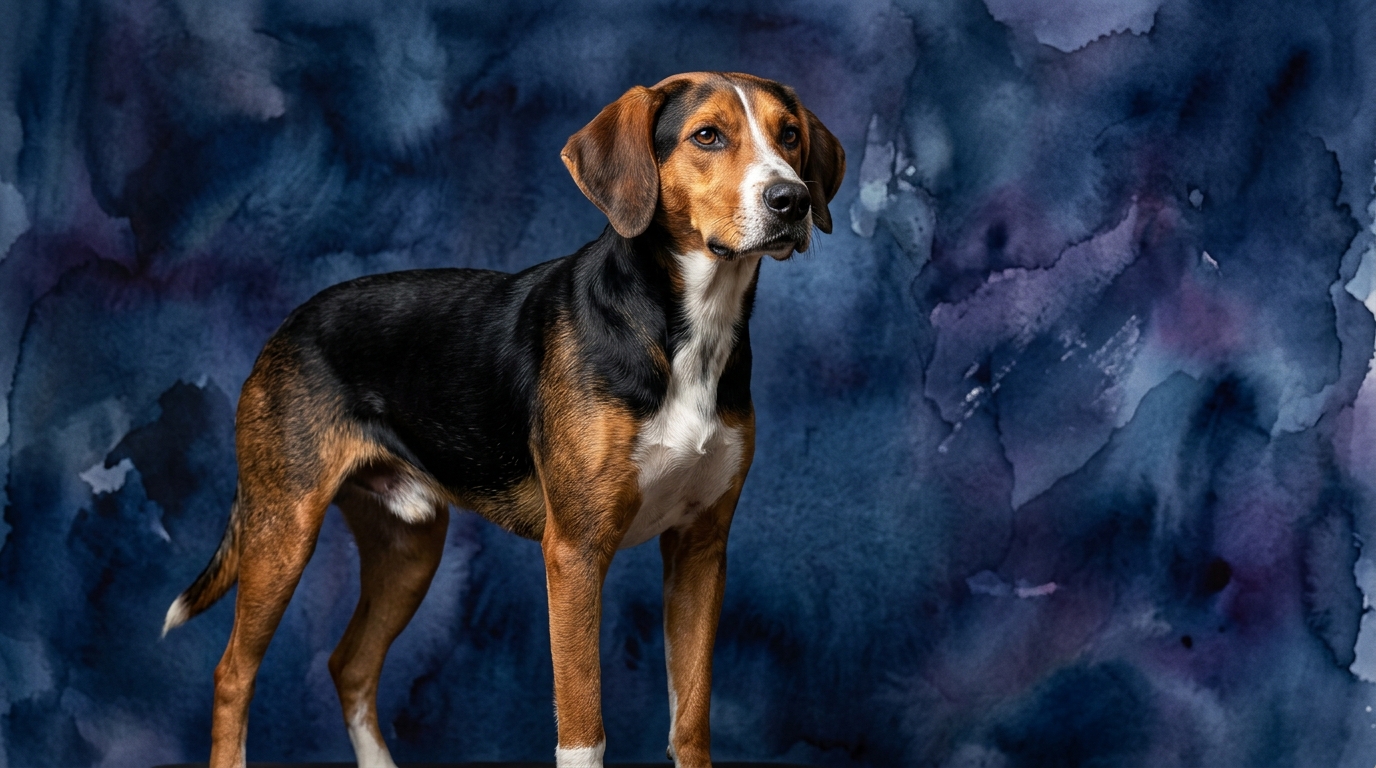
For the American Foxhound, a breed honed for the pursuit of game, their scores reflect a highly specialized intellect. Their Problem Solving at 3/5 is exemplified by their sophisticated ability to decipher and follow intricate scent trails, navigating complex terrains and making deductions based on subtle olfactory cues to locate prey. Training Speed at 3/5 indicates they are capable of learning, but their profound independence and powerful drive to follow a scent often supersede a desire to comply with human commands, requiring immense patience and consistent, highly motivating methods. Social Intelligence at 3/5 primarily pertains to pack dynamics, understanding hierarchy and communication within a canine group, making them amiable but often less overtly people-focused than companion breeds. Their Instinctive Drive at 3/5 is dominated by an exceptional prey drive and an incredible capacity for endurance, pushing them to pursue a scent over vast distances. Memory at 3/5 is excellent for recalling complex scent trails, routes, and environmental layouts pertinent to their hunting activities, alongside routines and familiar faces.
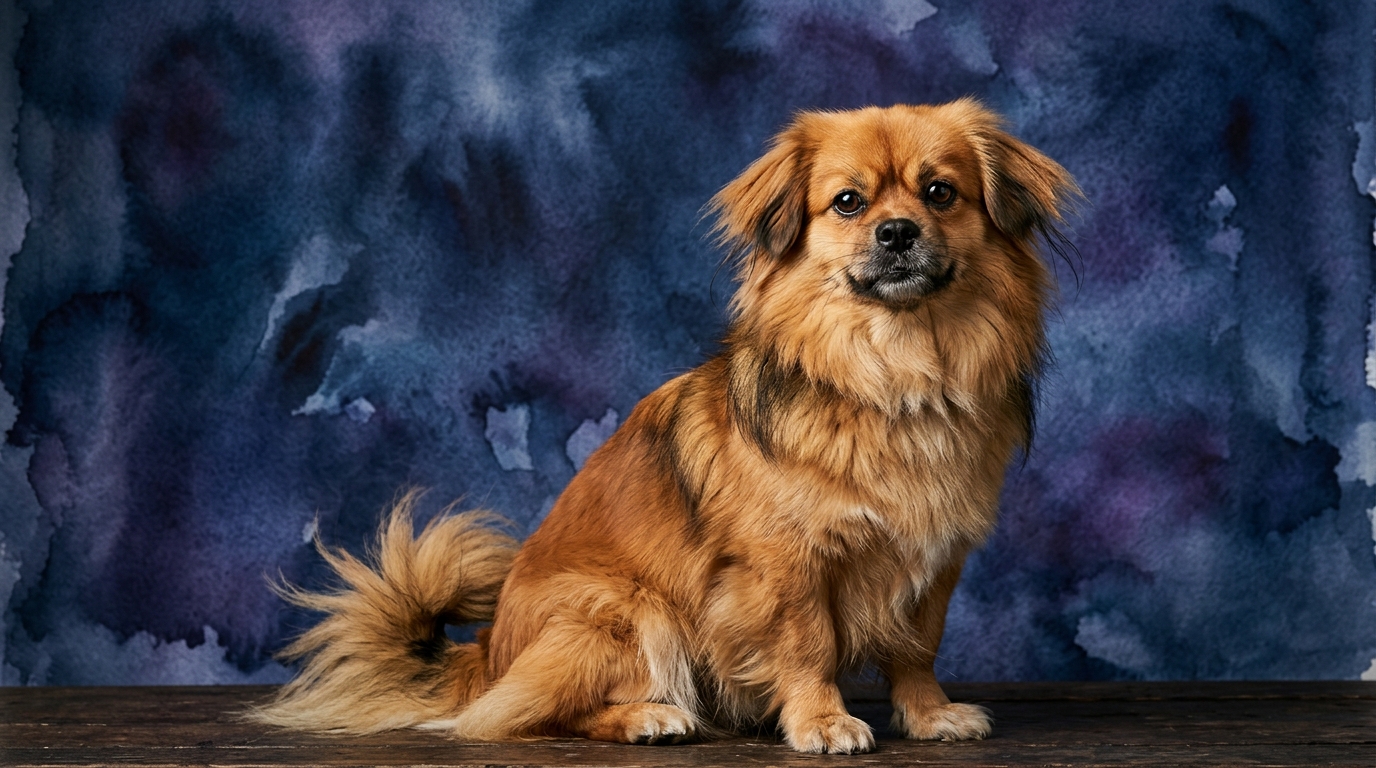
The Tibetan Spaniel, conversely, embodies a different form of canine intellect, developed as a companion and vigilant watch-dog in monasteries. Their Problem Solving at 3/5 often manifests as cleverness in manipulating their environment or owners to achieve comfort or attention, such as strategically positioning themselves for optimal warmth or figuring out how to get a treat. Training Speed at 3/5 highlights their capacity to learn quickly when motivated, but their independent, sometimes 'cat-like' nature means they might choose to ignore commands if they don't perceive an immediate benefit or are otherwise engaged. Social Intelligence at 3/5 is finely tuned to human emotions and household dynamics; they excel at reading family moods and adapting their behavior, acting as sensitive barometers for the home environment. Their Instinctive Drive at 3/5 is characterized by a strong watchfulness and keen observational nature, prompting them to alert their family to perceived threats or unusual occurrences. Memory at 3/5 is robust for routines, specific people, and the layout of their home, recalling interactions and experiences, particularly those that were emotionally significant.
Where the American Foxhound's Mind Excels
The American Foxhound truly shines in its specialized cognitive domain related to scent processing and sustained environmental navigation. Their 3/5 score in Instinctive Drive, when combined with their Problem Solving and Memory, creates a formidable cognitive engine for tracking. They possess an innate ability to filter countless environmental smells, isolating a target scent and committing to its pursuit with unwavering focus and physical stamina. This isn't just about following; it involves complex decision-making in real-time, interpreting scent density, wind patterns, and terrain to predict a quarry's path. Their memory for intricate routes and the 'puzzle' of a scent trail demonstrates a highly specialized cognitive strength that few other breeds can match, making them exceptional at tasks requiring sustained, independent sensory interpretation and pursuit.
Where the Tibetan Spaniel's Mind Prevails
The Tibetan Spaniel's cognitive strengths are deeply rooted in their historical role as companion and alert guardians, particularly evident in their nuanced Social Intelligence. Their 3/5 score in this dimension is expressed through an acute sensitivity to human emotional states and an impressive capacity to adapt their behavior within a domestic setting. They are adept at 'reading the room,' understanding subtle cues from their human family, and often using their Problem Solving skills to strategically interact for comfort, attention, or resources. This manifests as a charming cleverness in navigating household dynamics, knowing precisely when to offer a comforting presence or when to playfully demand attention. Their memory for routines and specific human interactions further supports this, allowing them to anticipate events and build strong, meaningful bonds based on their astute social observations.
Training Dynamics: Independence vs. Companionship
Comparing their 3/5 Training Speed scores, the Tibetan Spaniel generally presents as the more approachable breed for the average pet owner. While possessing an independent streak, their primary motivation is often companionship and an integrated role within the family unit, making them more receptive to training methods that reinforce their bond with humans. They respond well to consistent positive reinforcement, especially when rewards involve social interaction or valued treats, and their desire to be part of family activities can be leveraged effectively. Their alertness can be channeled into appropriate watch-dog behaviors rather than generalized barking. Conversely, the American Foxhound, despite its identical 3/5 Training Speed, proves more challenging for a novice. Their powerful instinctive drive for scent work frequently overrides a desire to please, making off-leash reliability particularly difficult. Training an American Foxhound demands immense patience, unwavering consistency, and a deep understanding of hound motivation, often requiring specialized techniques to align their powerful internal instincts with human commands. Their learning capacity is present, but their compliance is often conditional on whether a more compelling scent is not in play.
Lifestyle Match: Active Pursuit vs. Relaxed Vigilance
The choice between these two breeds also hinges significantly on an owner's lifestyle and activity levels. The American Foxhound is an ideal match for highly active, outdoors-loving individuals or families. They require extensive daily exercise, ideally incorporating opportunities for long runs, hikes, or structured scent work where they can engage their powerful olfactory instincts in a safe, controlled environment. Owners must be prepared to dedicate substantial time and energy to physical activity, understanding that a mentally and physically under-stimulated Foxhound can become restless. In contrast, the Tibetan Spaniel suits a more relaxed owner, though they are not entirely sedentary. They enjoy daily walks and regular playtime, but their exercise needs are moderate. They are content to be close to their family, observing household activities from a comfortable vantage point, and thrive on consistent human interaction rather than extensive outdoor adventures. Their alertness means they appreciate a home where they can feel involved and contribute their vigilant presence.
The Verdict
Choose the American Foxhound if you are an active, outdoors-loving individual or family prepared to dedicate significant time to exercise and structured scent-based activities, appreciating an independent, focused companion with a powerful working drive.
Choose the Tibetan Spaniel if you seek a clever, observant, and affectionate companion who thrives on close family interaction, enjoys moderate activity, and will vigilantly oversee your home with a charmingly independent spirit.
🧠 Find Your Pet's IQ Score
Our Pet IQ Lab assessment covers 25+ tests across 5 cognitive dimensions — personalized to your breed.
Take the Full IQ Test →Frequently Asked Questions
Do American Foxhounds make good family pets despite their hunting instincts?
Yes, with proper socialization from a young age and careful management of their strong prey drive, American Foxhounds can be affectionate and tolerant family members, especially with older children who understand their exercise needs and independent nature. They thrive in active households.
Are Tibetan Spaniels prone to excessive barking due to their watchdog nature?
Tibetan Spaniels can be vocal, using their barks to alert owners to new sights or sounds, a remnant of their monastery guarding role. Consistent training from a young age focusing on 'quiet' commands and positive reinforcement can help manage this tendency, teaching them appropriate times to be quiet.
How do these breeds typically interact with other pets?
American Foxhounds, being pack animals, often get along well with other dogs, especially if raised together, but their strong prey drive requires careful supervision around smaller non-canine pets. Tibetan Spaniels generally coexist peacefully with other pets, often enjoying canine companionship, though their confident nature means they won't be easily pushed around by larger dogs.