Side-by-Side Cognitive Profiles
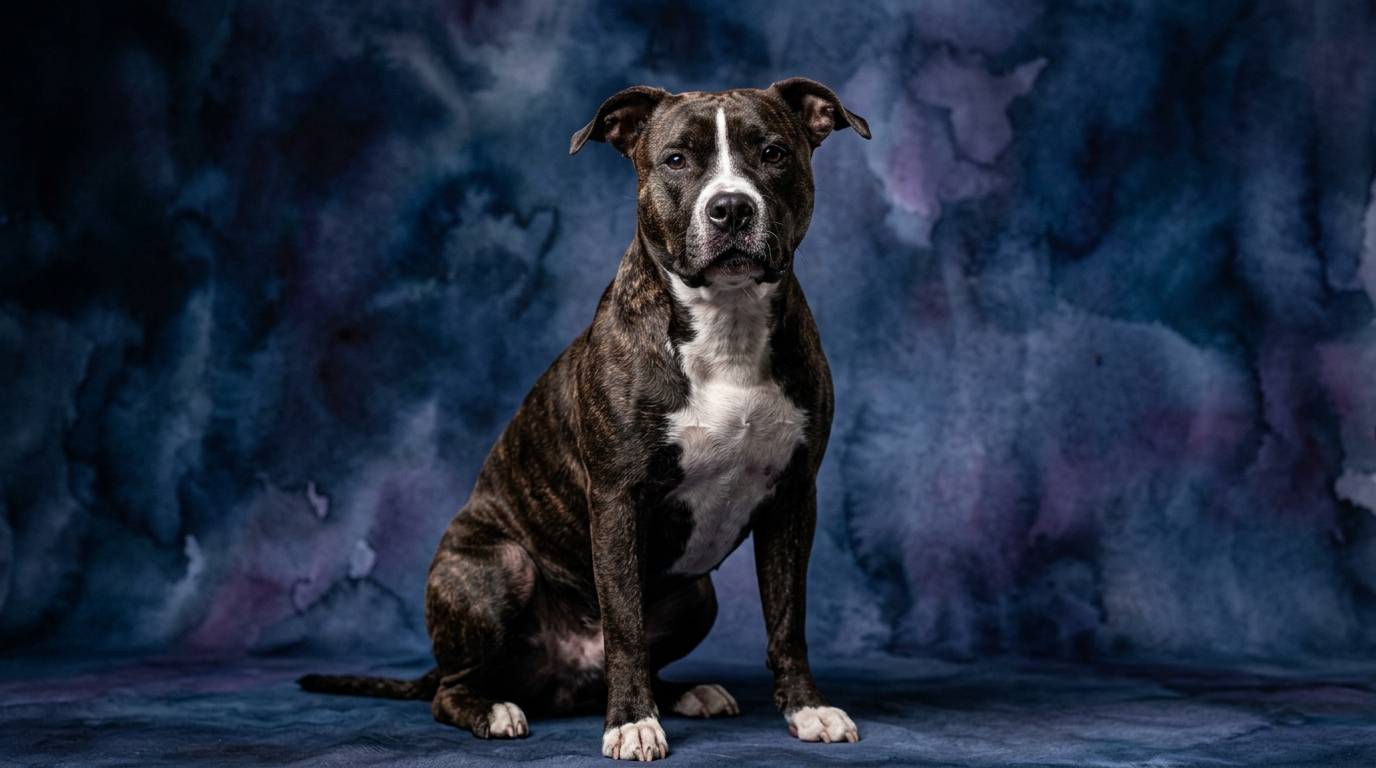
The American Staffordshire Terrier (AmStaff), ranking #48 on the Coren intelligence scale, presents a balanced cognitive profile. Their Problem Solving is rated 3/5, indicating a capacity for navigating moderately complex tasks and adapting to new situations, often with human guidance. Training Speed also sits at 3/5, suggesting they are responsive learners who grasp concepts at a steady pace, benefiting from consistent methods. Social Intelligence, at 3/5, points to a breed that can form strong bonds with its family, though early and thorough socialization is crucial for harmonious interactions beyond their immediate circle. Their Instinctive Drive, also 3/5, encompasses a terrier's characteristic tenacity, focus, and potential for prey drive or protective instincts. A standout feature for the AmStaff is their Memory, rated 4/5, which suggests a strong ability to retain learned behaviors, commands, and routines over time, making them adept at consolidating training.
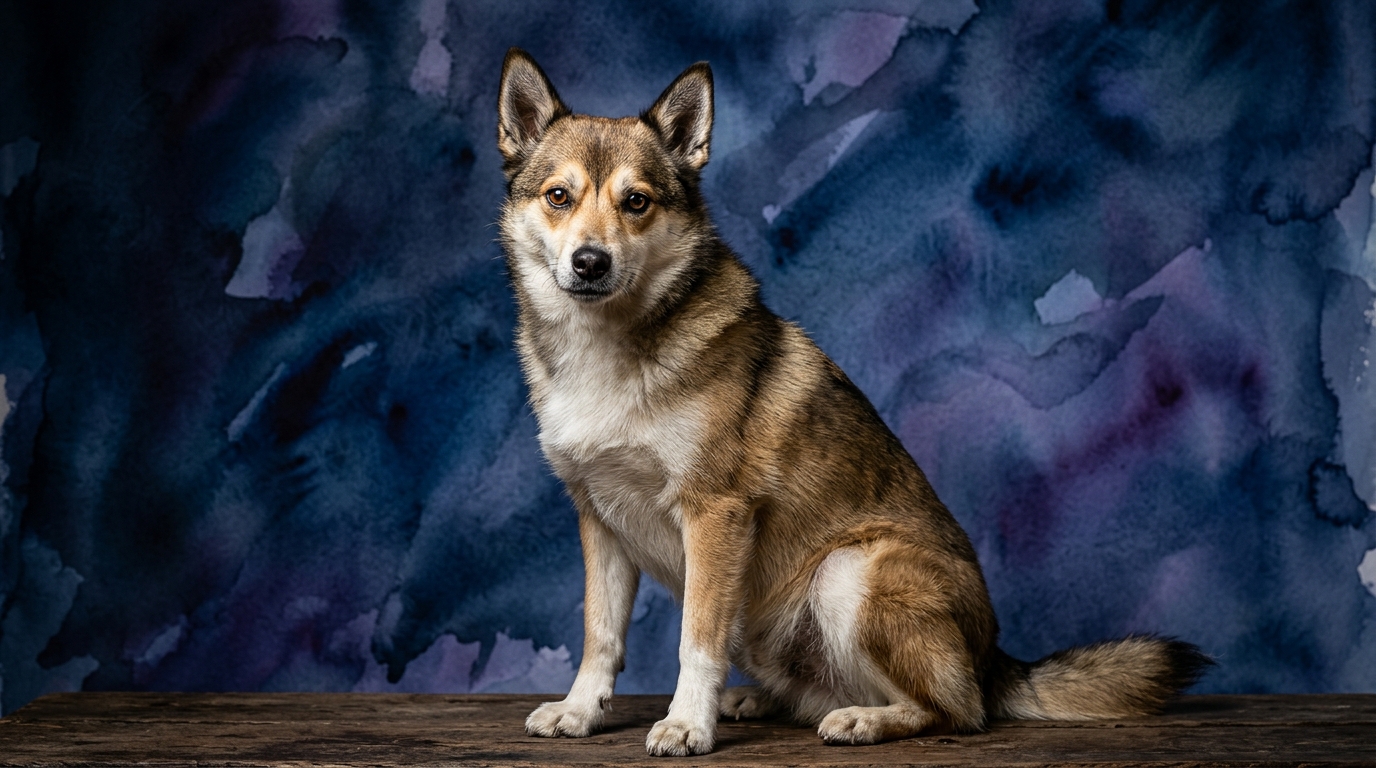
The Norwegian Lundehund, a breed not ranked on the Coren scale, showcases a cognitive makeup deeply influenced by its specialized historical role. Their Problem Solving is 3/5, but this manifests uniquely in their physical ingenuity – navigating tight spaces and utilizing their extraordinary flexibility to achieve goals, rather than abstract reasoning. Training Speed, at 3/5, reflects a moderate pace, often challenged by their independent nature and preference for self-directed activity. Social Intelligence, also 3/5, indicates they can be affectionate with their family but tend to be reserved with strangers, requiring careful introductions and socialization. Their Instinctive Drive, 3/5, is particularly specialized, centered around their ancestral task of hunting puffins in cliff crevices, leading to a strong drive for exploration, climbing, and independent pursuit. Their Memory is rated 3/5, suggesting they retain practical, self-serving skills adequately, but might not prioritize rote memorization of human commands over their own investigative impulses.
Where the American Staffordshire Terrier Excels Cognitively
The AmStaff's cognitive advantage primarily lies in its superior Memory, scoring 4/5 compared to the Lundehund's 3/5. This enhanced retention means they are generally quicker to solidify complex command sequences and maintain behavioral consistency. An AmStaff is more likely to remember a multi-step routine or a series of learned cues even after a period of inactivity, making them highly effective in structured training environments and canine sports. Their Coren ranking, while not top-tier, places them within a category of working intelligence, highlighting an adaptive capacity for understanding human directives and performing tasks that require sustained focus and recall. This translates to a dog that can master a broader repertoire of obedience commands and adapt more readily to changes in routine when guided effectively, leveraging their innate desire to engage and please their human counterparts.
Where the Norwegian Lundehund Excels Cognitively
The Norwegian Lundehund demonstrates a specialized cognitive brilliance rooted in its unique physical adaptations and ancestral purpose. While their Problem Solving is rated 3/5, it manifests as exceptional physical ingenuity and environmental awareness. Their ability to contort their bodies, climb sheer surfaces, and navigate incredibly tight spaces speaks to a highly developed spatial intelligence and a practical, tactile problem-solving capacity that few other breeds possess. This isn't about abstract thought, but about finding creative, often acrobatic, solutions to physical obstacles, a direct reflection of their puffin-hunting heritage. Their Instinctive Drive, also 3/5, is intensely focused on exploration and independent action, making them masters of their environment. This inherent drive to investigate and overcome physical challenges gives them an edge in tasks requiring agility, balance, and a self-reliant approach to environmental puzzles, a distinct form of intelligence not always captured by traditional obedience metrics.
Which Breed is Easier to Train and Why?
Based on their cognitive profiles, the American Staffordshire Terrier generally presents as the easier breed to train. Their 4/5 Memory score means they absorb and retain commands more effectively than the Lundehund, whose memory is 3/5. AmStaffs, with their moderate Training Speed (3/5) and a desire to engage with their handlers, are often more amenable to structured obedience and respond well to positive reinforcement. They thrive on consistency and clear communication, building a solid foundation of learned behaviors efficiently. Their position on the Coren ranking also suggests a higher general capacity for understanding and executing human commands.
In contrast, the Norwegian Lundehund, while capable of learning (Training Speed 3/5), often requires a more patient and nuanced approach. Their independent nature, driven by centuries of solitary hunting, means they might prioritize their own investigative instincts over immediate human directives. Their problem-solving prowess is often self-directed and physical, rather than focused on pleasing a handler through rote compliance. Training a Lundehund often involves making tasks intrinsically rewarding and understanding their unique motivations, rather than relying solely on traditional obedience methods. They can learn, but their learning curve might be longer, and their recall less consistent, particularly when their environment offers competing, stimulating interests.
Which Suits Active Owners vs. Relaxed Owners?
Both the American Staffordshire Terrier and the Norwegian Lundehund are better suited for active owners, though their activity needs differ in manifestation. The AmStaff, with its robust physique and terrier tenacity, requires consistent physical exercise and mental engagement. They thrive on structured activities like long walks, runs, dog sports, and training sessions that channel their energy and intelligence. Owners who can provide regular outlets for their physical and mental drives will find a devoted and well-behaved companion. A relaxed owner might struggle with an AmStaff's need for stimulation, potentially leading to boredom-driven behaviors.
The Norwegian Lundehund also demands an active owner, but one who appreciates their unique blend of independence and physical prowess. These dogs need opportunities to explore, climb, and engage their instinctive drives. Structured walks are good, but they also benefit from environments where they can safely investigate, use their agility, and solve physical puzzles. Their independent streak means they aren't necessarily seeking constant human interaction during their activity, but rather the freedom to be themselves in a stimulating environment. A relaxed owner might find their self-reliant nature and need for specific types of enrichment challenging to manage, as the Lundehund is not content to be a mere couch potato.
The Verdict
Choose the American Staffordshire Terrier if you seek a highly trainable companion with strong memory retention, capable of excelling in structured obedience and dog sports, and who thrives on consistent human interaction and guidance. They offer robust companionship for active families.
Opt for the Norwegian Lundehund if you are an experienced owner fascinated by unique breeds, prepared to engage with an independent spirit and exceptional physical problem-solving abilities. They suit those who appreciate a dog with distinct ancestral drives and are willing to adapt training methods to their self-reliant nature.
🧠 Find Your Pet's IQ Score
Our Pet IQ Lab assessment covers 25+ tests across 5 cognitive dimensions — personalized to your breed.
Take the Full IQ Test →Frequently Asked Questions
Are American Staffordshire Terriers good for first-time dog owners?
While intelligent and trainable, AmStaffs benefit from experienced owners due to their strength and potential for strong prey drive. First-time owners willing to commit to consistent training and early socialization can succeed, but should be prepared for the dedication required.
Do Norwegian Lundehunds have any unique health concerns?
Yes, Lundehunds are prone to a specific digestive disorder called Lundehund Syndrome or Intestinal Lymphangiectasia, which requires careful dietary management. Prospective owners should research this condition thoroughly and discuss it with their veterinarian.
How do AmStaffs generally interact with other pets?
With early and consistent socialization, AmStaffs can coexist peacefully with other pets, especially if raised together. However, their terrier instincts and potential prey drive mean introductions should always be supervised, and individual temperaments vary.