Side-by-Side IQ Profile: AmStaff vs. Tibetan Spaniel
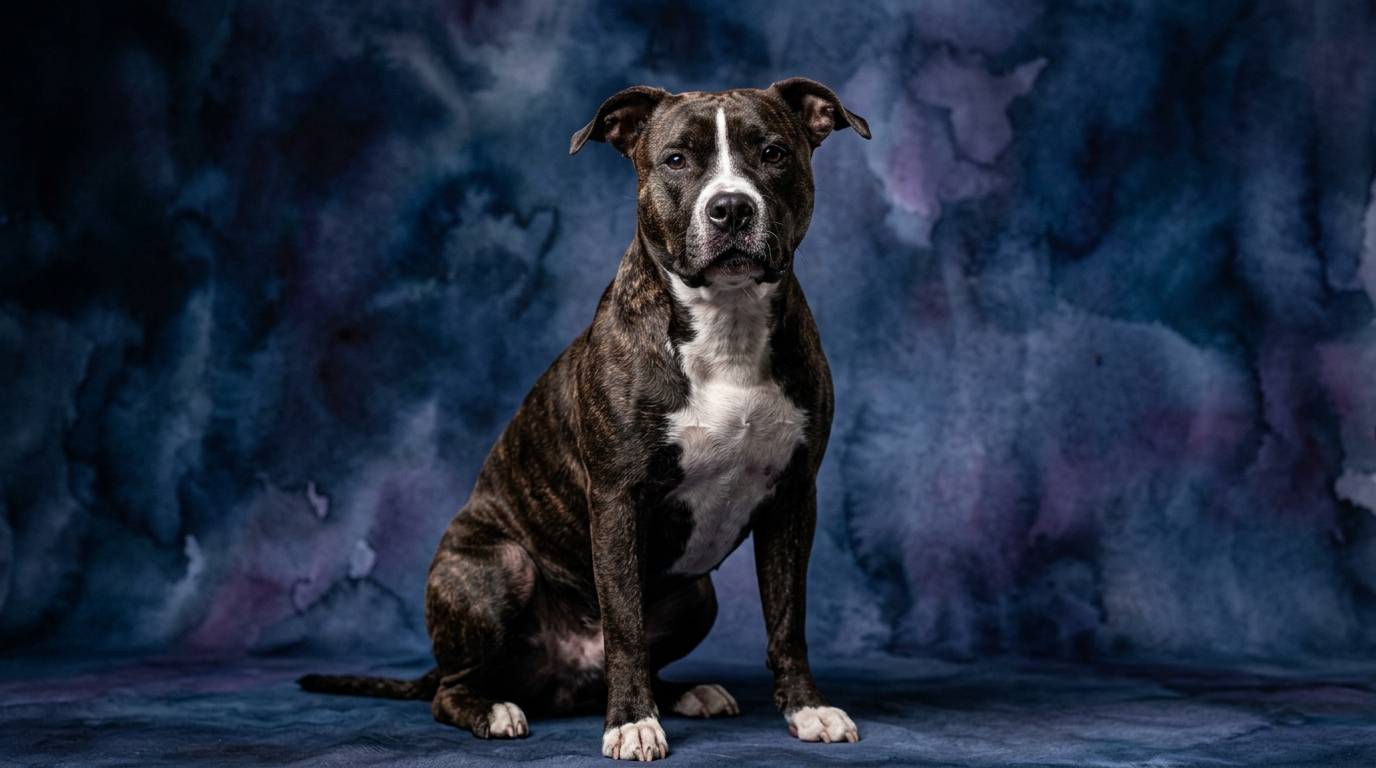
The American Staffordshire Terrier, a breed historically valued for its strength and resilience, exhibits a well-rounded cognitive profile. Their Problem Solving is rated 3/5, indicating an ability to navigate moderate challenges and learn from experience, often with a determined approach. Training Speed also stands at 3/5, suggesting they are capable learners who respond well to consistent, clear instruction, though they might not pick up new commands instantaneously. Social Intelligence at 3/5 means they are generally adept at reading human cues and integrating into family dynamics, forming strong bonds. Their Instinctive Drive, also 3/5, points to a moderate inherent motivation for activity and purpose, which can manifest as a desire for engagement or focused tasks. Notably, their Memory is strong at 4/5, allowing them to retain learned behaviors and routines effectively over time.
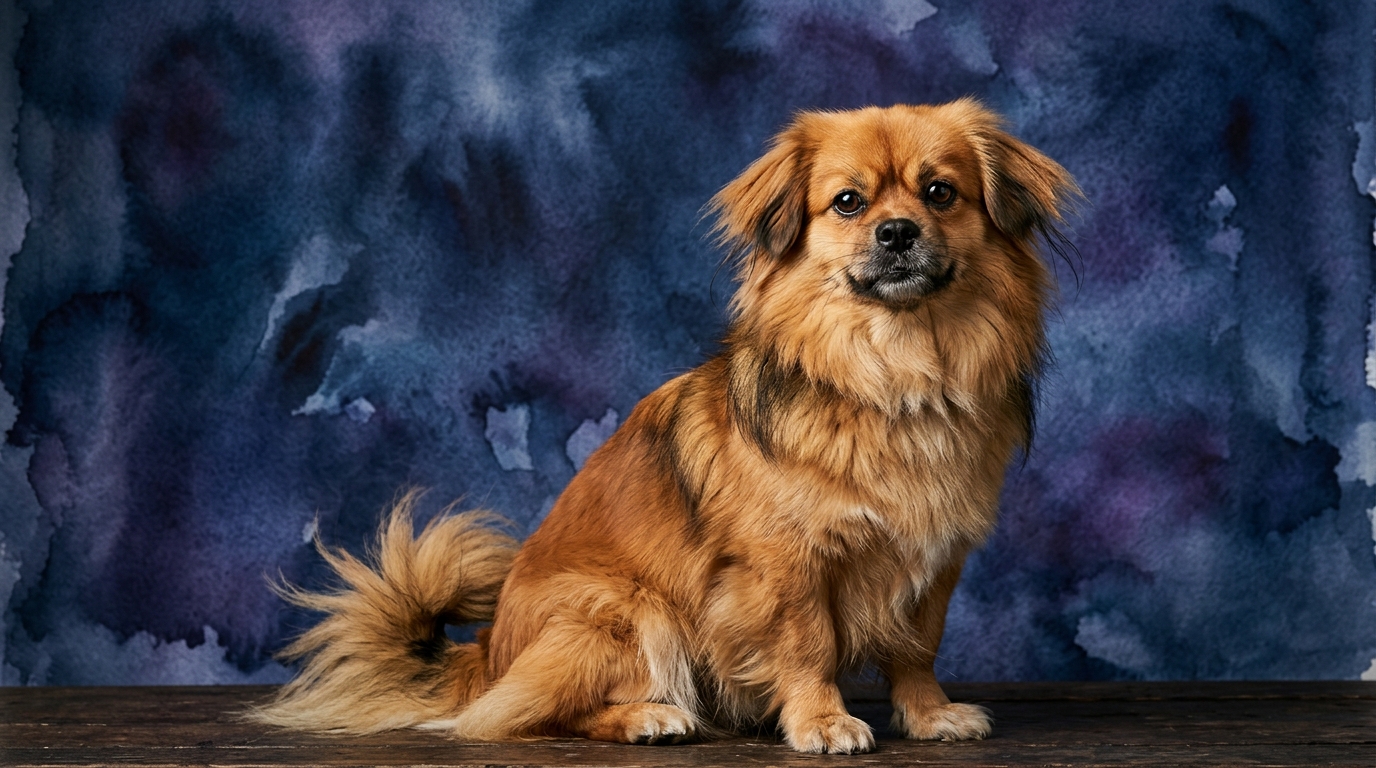
In contrast, the Tibetan Spaniel, a breed with ancient origins as companions and watchdogs in monasteries, presents a cognitive makeup perfectly suited to its role. Their Problem Solving scores 3/5, enabling them to figure out household puzzles or navigate social situations with a clever wit. Training Speed is 3/5, indicating they can learn at a steady pace, though their independent spirit often means they need engaging methods to maintain focus. Social Intelligence also registers 3/5, highlighting their keen awareness of their human companions' moods and social structures within the home. Their Instinctive Drive is 3/5, typically manifesting as alertness, curiosity, and a desire for companionship rather than intense physical work. The Tibetan Spaniel's Memory is rated 3/5, meaning they retain information adequately but might benefit from occasional refresher sessions for less frequently practiced commands.
Where the American Staffordshire Terrier Wins Cognitively
The American Staffordshire Terrier shines brightest in the Memory dimension, scoring a robust 4/5 compared to the Tibetan Spaniel's 3/5. This superior recall means an AmStaff is more likely to retain complex command sequences, elaborate routines, and specific training cues over extended periods. For owners engaged in advanced obedience, agility, or other canine sports, this enhanced memory is a distinct advantage, allowing for the building of a more extensive repertoire of behaviors that stick. Their history as working dogs requiring consistent task performance likely contributed to the development of this enduring memory capacity, making them reliable partners once a skill is mastered.
While both breeds share a 3/5 rating in Problem Solving, the AmStaff's inherent drive and physical capabilities often mean their problem-solving skills are applied to more physically demanding or goal-oriented tasks. This cognitive approach, combined with their tenacity, allows them to work through challenges that require both mental strategy and physical exertion, making them effective in roles beyond simple companionship.
Where the Tibetan Spaniel Wins Cognitively
While the Tibetan Spaniel doesn't numerically surpass the American Staffordshire Terrier in any single cognitive dimension, its balanced 3/5 scores across problem-solving, training speed, social intelligence, and instinctive drive, coupled with a 3/5 memory, craft a cognitive profile uniquely suited for an alert, adaptable companion. Their moderate instinctive drive, for instance, translates into a less demanding need for intense physical outlets compared to many working breeds, making them exceptionally well-suited for owners seeking an engaged yet lower-impact canine partner. This allows their cognitive energies to be channeled into observation and social interaction.
The Tibetan Spaniel's 3/5 Social Intelligence, while numerically equal, often manifests with a particular finesse for companion living. They are keenly observant of household routines and human emotional states, using their moderate problem-solving skills to navigate complex family dynamics or find the most comfortable, socially advantageous spot in a room. Their cognitive profile fosters a watchful and empathetic companion who excels at integrating seamlessly into a home environment, offering subtle emotional support and alert companionship without requiring constant, high-intensity mental tasks.
Which is Easier to Train and Why
When considering ease of training, the American Staffordshire Terrier holds an edge, primarily due to their superior Memory (4/5). While both breeds share a 3/5 Training Speed, the AmStaff's ability to retain learned behaviors more readily means that once a command or skill is acquired, it tends to stick. This reduces the need for frequent refresher sessions and allows for faster progression to more complex tasks. Their moderate instinctive drive can also be effectively channeled into motivation for training, especially if it involves engaging activities that tap into their desire for purpose and interaction. Consistency and positive reinforcement are key, but the AmStaff's robust memory makes the investment in training yield lasting results.
The Tibetan Spaniel, with a 3/5 in both Training Speed and Memory, is certainly capable of learning, but their independent nature can sometimes make training feel more nuanced. They may require more varied and engaging methods to maintain their interest, as they are not always driven solely by a desire to please. While they can pick up commands steadily, their memory at 3/5 suggests that regular practice and positive reinforcement are crucial to solidify learning and prevent skills from fading. Owners will find success by making training a fun, rewarding interaction rather than a strict regimen, appealing to their cleverness and social intelligence.
Which Suits Active Owners vs. Relaxed Owners
The American Staffordshire Terrier, with its 3/5 Instinctive Drive, is an excellent match for active owners who can provide consistent structured activity and mental engagement. While not possessing an extreme drive, their moderate motivation for purpose means they thrive when given tasks, regular exercise, and opportunities to use their problem-solving skills. They enjoy vigorous walks, playtime, and can excel in dog sports like obedience or agility. An AmStaff benefits from an owner who understands their need for both physical activity and consistent mental stimulation to channel their energy constructively, preventing boredom and fostering a well-adjusted companion.
The Tibetan Spaniel, also scoring 3/5 in Instinctive Drive, offers greater adaptability for both active and more relaxed owners. Their drive is primarily expressed through alertness, curiosity, and a desire for companionship rather than intense physical exertion. While they enjoy walks and playtime, their exercise needs are generally moderate, making them suitable for owners who prefer a less demanding activity schedule. They are content with being an integral part of family life, whether that involves a leisurely stroll around the neighborhood or simply observing the world from a comfortable lap. Their cognitive profile makes them adaptable companions who find mental stimulation in social interaction and exploring their immediate environment.
The Verdict: When to Choose Each
The Verdict
Choose the American Staffordshire Terrier if you're an active owner seeking a robust, trainable companion with excellent memory for complex tasks and a moderate drive for engagement. They thrive with consistent training, structured activities, and an owner who appreciates their determined nature.
Opt for the Tibetan Spaniel if you desire an alert, adaptable, and charming companion who excels in social settings and enjoys moderate activity. They suit owners who appreciate an independent spirit, provide engaging positive reinforcement training, and value a dog with keen social awareness.
🧠 Find Your Pet's IQ Score
Our Pet IQ Lab assessment covers 25+ tests across 5 cognitive dimensions — personalized to your breed.
Take the Full IQ Test →Frequently Asked Questions
Do American Staffordshire Terriers require extensive mental stimulation?
While their problem-solving and memory scores are good, AmStaffs benefit from consistent mental engagement through training, puzzle toys, and varied activities. This prevents boredom and constructively channels their moderate instinctive drive, fostering a well-adjusted companion.
Are Tibetan Spaniels difficult to train due to their independence?
Tibetan Spaniels are capable learners with 3/5 in both training speed and memory. However, their independent nature means training requires patience, positive reinforcement, and making sessions fun and rewarding to consistently maintain their interest and cooperation.
How do their social intelligence scores impact their family life?
Both breeds score 3/5 in social intelligence, indicating a good capacity for understanding human cues and integrating into family dynamics. AmStaffs tend to form strong, loyal bonds, while Tibetan Spaniels often exhibit a keen, observant awareness of household routines and emotional states.