Side-by-Side Cognitive Profiles: Decoding AWS and Otterhound IQ
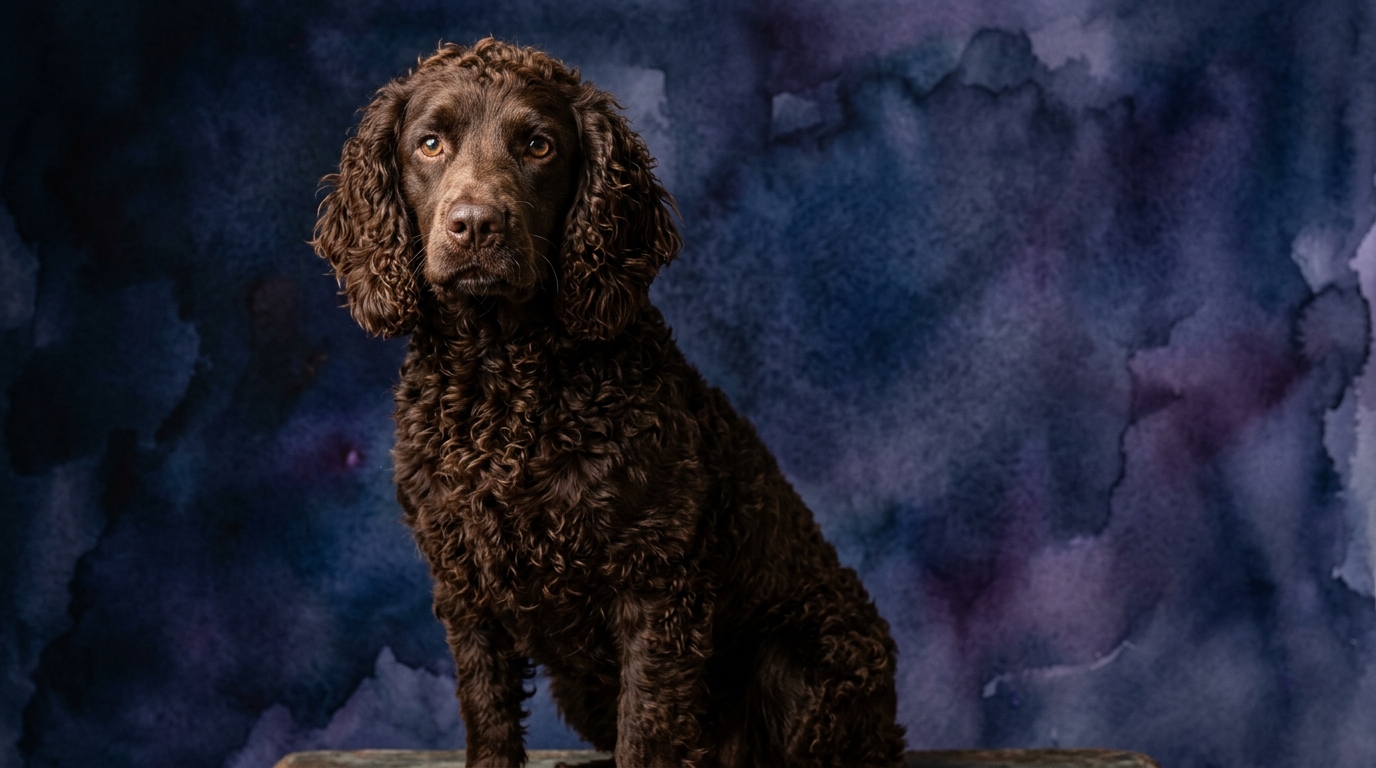
The Cosmic Pet Pet IQ Lab provides a structured framework to understand the cognitive strengths of different breeds, assessing five key dimensions. For the American Water Spaniel, a Sporting group dog, its profile shows Problem Solving at 3/5, Training Speed at 3/5, Social Intelligence at 3/5, Instinctive Drive at 3/5, and Memory at 4/5. This places the American Water Spaniel (AWS) as a competent and adaptable learner, particularly excelling in retaining information and learned behaviors.
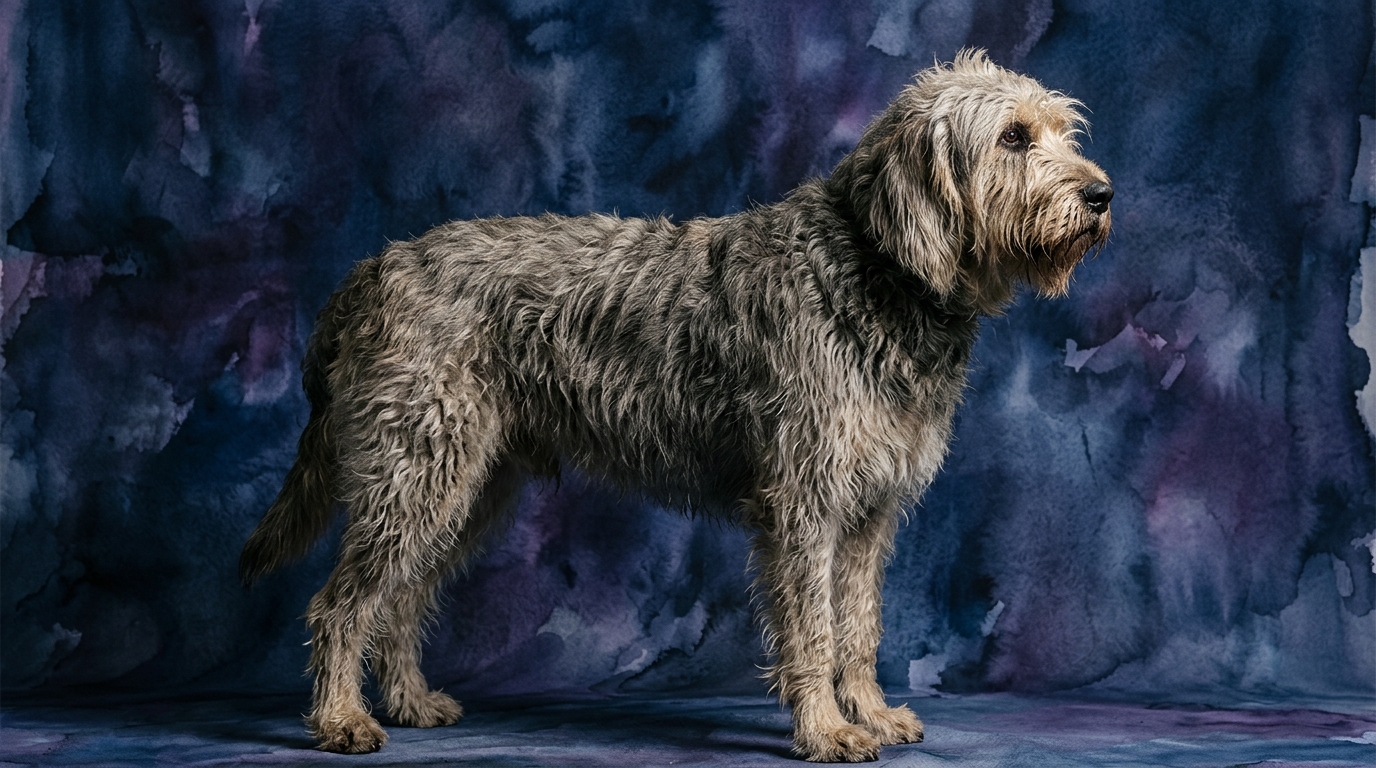
In contrast, the Otterhound, a member of the Hound group, presents a profile with Problem Solving at 3/5, Training Speed at 3/5, Social Intelligence at 3/5, Instinctive Drive at 3/5, and Memory at 3/5. While sharing similar scores across most dimensions with the AWS, the Otterhound's slightly lower memory score suggests it might require more repetition or different training approaches to solidify new information. Both breeds demonstrate an average aptitude in problem-solving and social interactions, indicating they can navigate typical canine challenges and social cues effectively, but neither is an outlier in these areas.
Where the American Water Spaniel Shines Cognitively
The American Water Spaniel's primary cognitive advantage lies in its superior Memory, scoring 4/5 compared to the Otterhound's 3/5. This enhanced ability to recall facts, commands, and experiences makes the AWS particularly adept at complex sequencing tasks, remembering multiple retrieves, or learning intricate routines. This memory strength contributes significantly to its versatility as a sporting dog, allowing it to quickly build a repertoire of skills essential for hunting and companionship.
Furthermore, the AWS holds a Coren rank of #44, indicating a higher general working intelligence compared to the Otterhound, which is not Coren-ranked. While not a direct IQ score, this ranking often correlates with a breed's perceived ability to understand and obey new commands with fewer repetitions and a higher success rate. This suggests the AWS may possess a more general cognitive flexibility, enabling it to adapt more readily to diverse learning environments and novel challenges beyond its core instinctive drives.
Where the Otterhound Demonstrates Unique Cognitive Strengths
While the Otterhound's scores largely mirror the American Water Spaniel, its cognitive strengths are uniquely tailored to its original purpose: tracking otter over long distances. Its Instinctive Drive, rated 3/5, combined with its Problem Solving at 3/5, translates into a highly specialized and persistent form of intelligence. This isn't about general cleverness, but rather an unwavering, methodical focus on scent discrimination and trailing, often requiring complex interpretation of environmental cues that might elude other breeds.
The Otterhound's cognitive package allows it to process vast amounts of olfactory information, follow a cold trail for hours, and overcome obstacles with single-minded determination. This specific application of its cognitive abilities, while not necessarily yielding higher scores in general tests, represents a profound and highly effective form of problem-solving within its specialized domain. Its resilience and stamina, while physical traits, are intrinsically linked to its cognitive persistence, enabling it to maintain focus on a task even when faced with fatigue or distraction.
Trainability: AWS's Biddability vs. Otterhound's Independence
Both breeds score 3/5 for Training Speed, suggesting they learn new commands at an average pace. However, real-world trainability is often influenced by a breed's inherent temperament and motivations. The American Water Spaniel, as a sporting dog, typically possesses a strong desire to work cooperatively with its handler. Its biddable nature and superior memory (4/5) mean that once a command is learned, it is likely to be retained and performed reliably, often with enthusiasm. The AWS thrives on positive reinforcement and engagement, viewing training as a partnership.
The Otterhound, despite its 3/5 Training Speed, often presents a different challenge due to its strong independent streak, characteristic of many scenthounds. While capable of learning, its powerful instinctive drive (3/5) to follow a scent can override its desire to comply with commands, especially in distracting environments. Training an Otterhound requires immense patience, consistency, and understanding of its hound nature. Owners must work to make training more rewarding than the allure of an interesting smell, often employing longer leashes and secure areas. While it can learn, its application of that learning might be more selective than the eager-to-please AWS.
Lifestyle Match: Active Engagement vs. Determined Exploration
For owners seeking an active, engaged companion who enjoys working alongside them, the American Water Spaniel is often a more natural fit. Its combination of a strong instinctive drive (3/5) for retrieving, good social intelligence (3/5), and excellent memory (4/5) makes it an ideal partner for activities like hunting, dock diving, agility, or simply long walks and swims. The AWS thrives on mental and physical stimulation that involves interaction with its human, valuing a shared purpose and consistent engagement. They are active dogs that appreciate a structured routine and opportunities to utilize their working intelligence.
The Otterhound also requires significant activity, but its needs lean more towards determined exploration and scent work. While not for truly 'relaxed' owners, it suits those who appreciate a dog with an independent spirit and a passion for following its nose. An Otterhound owner must be prepared for long, meandering walks where the dog is allowed to investigate scents, or engaging in scent work sports. They are less about structured obedience in every moment and more about providing opportunities for their hound to fulfill its innate drives. Owners who enjoy rugged outdoor adventures and can tolerate a dog that might occasionally prioritize a fascinating smell over a direct command will find a rewarding companion in the Otterhound.
The Verdict
Choose the American Water Spaniel if you desire a versatile, biddable companion with excellent memory, eager to partner in diverse activities and learn complex routines.
Opt for the Otterhound if you value a persistent, independent companion with a profound dedication to scent work, and are prepared to accommodate its hound nature and extensive exploratory needs.
🧠 Find Your Pet's IQ Score
Our Pet IQ Lab assessment covers 25+ tests across 5 cognitive dimensions — personalized to your breed.
Take the Full IQ Test →Frequently Asked Questions
Is the American Water Spaniel easy to train for a first-time owner?
With its 3/5 Training Speed and 4/5 Memory, the American Water Spaniel is generally a good choice for first-time owners who are committed to consistent, positive reinforcement training. Its biddable nature means it's eager to please, making the learning process smoother than with more independent breeds.
Do Otterhounds need a lot of exercise, given their intelligence profile?
Yes, Otterhounds require substantial exercise. While their intelligence scores are average, their strong instinctive drive (3/5) for scent work means they need outlets for physical activity combined with mental engagement, often in the form of long walks allowing for scent exploration or participation in scent-based dog sports.
Which breed is better with children: American Water Spaniel or Otterhound?
Both breeds score 3/5 in Social Intelligence, indicating they can interact well with children when properly socialized and supervised. The American Water Spaniel's biddable nature might make it slightly more adaptable to family life, while the Otterhound's more independent and boisterous nature requires careful management, especially with very young children.