Side-by-Side Cognitive Profiles
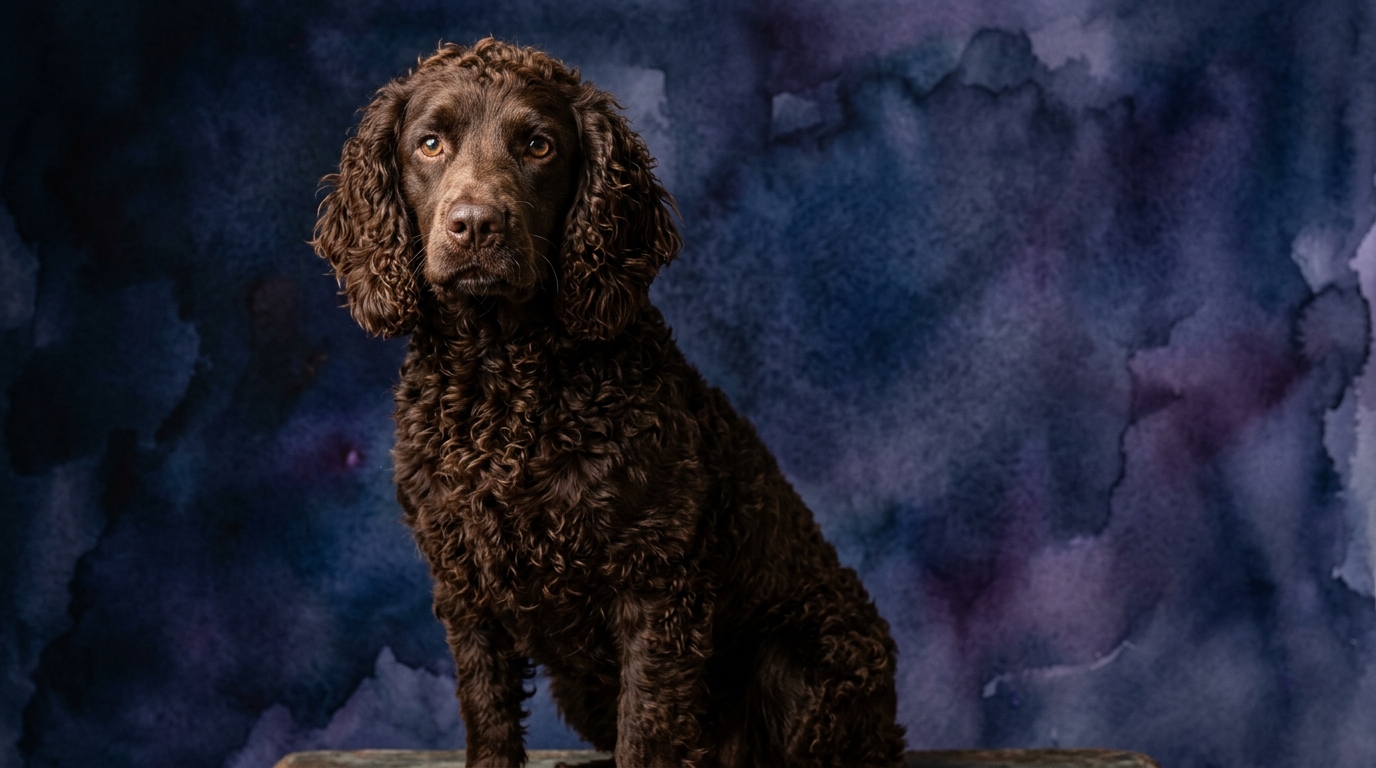
The American Water Spaniel, recognized within the Sporting Group and holding a respectable Coren rank of #44, presents a balanced yet capable cognitive profile. Their Problem Solving is rated at 3/5, indicating a solid aptitude for navigating novel situations and figuring out solutions to moderate challenges, typical for a retrieving dog needing to adapt in varied environments like dense cover or water. Training Speed also stands at 3/5, suggesting a reasonable pace for acquiring new commands and routines, meaning they will grasp concepts with consistent effort and positive reinforcement. Their Social Intelligence is 3/5, pointing to a balanced understanding of human cues and social dynamics, making them responsive companions but not overly dependent or intensely people-focused to the exclusion of their working drive. An Instinctive Drive of 3/5 reflects a strong, but manageable, inclination towards their inherent working behaviors, such as retrieving game from water, requiring outlets but not overwhelming the owner. Their standout trait is Memory at 4/5, indicating a robust capacity to retain learned information, commands, and past experiences over time, which is highly beneficial for complex tasks and consistent performance.
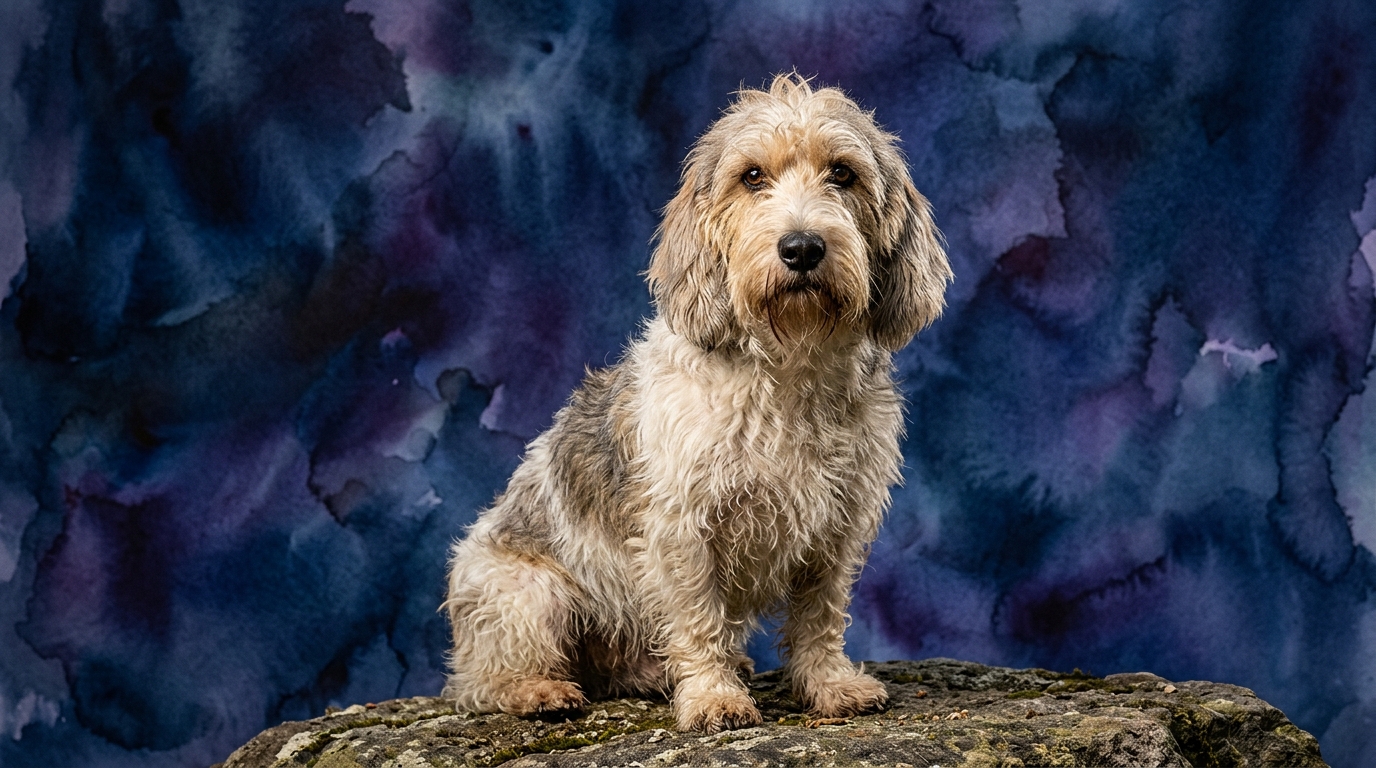
The Petit Basset Griffon Vendéen, a charming member of the Hound Group and not Coren-ranked, possesses a distinct cognitive makeup shaped by its independent hunting heritage. Their Problem Solving is rated at 3/5, similar to the AWS, demonstrating a solid ability to tackle challenges, often employing their keen senses and independent thinking to overcome obstacles or unravel scent puzzles in their environment. Training Speed also scores 3/5, suggesting a moderate learning curve, meaning PBGVs will absorb training with patience and engaging methods, though their independent hound nature might occasionally make them appear less eager to please or more easily distracted by a compelling scent. Their Social Intelligence is 3/5, indicating PBGVs possess a good grasp of social interactions, connecting well with their human families and often thriving in group settings, reflecting their historical role as pack-hunting hounds. An Instinctive Drive of 3/5 highlights their strong, innate drive for scent work and tracking, a core part of their identity that requires significant mental and physical engagement through activities like sniffing games or structured walks. Their Memory is 3/5, showing a competent capacity for recalling commands and experiences, though perhaps not with the same sustained precision or detail as a breed with a higher score, especially if a fresh scent intervenes.
Where the American Water Spaniel Wins Cognitively
The American Water Spaniel's primary cognitive advantage undeniably rests in its superior memory score of 4/5, a full point above the Petit Basset Griffon Vendéen's 3/5. This translates directly to a more reliable retention of complex command sequences, consistent recall over extended periods, and a greater ability to build upon past training experiences without frequent re-teaching. For tasks demanding precise, multi-step execution, such as intricate retrieving patterns, competitive obedience routines, or complex field trials, the AWS's robust memory provides a significant, tangible edge. Their balanced 3/5 scores across problem-solving, training speed, social intelligence, and instinctive drive are all expertly harmonized by this strong memory, allowing them to apply their moderate capabilities more consistently and effectively. This breed's cognitive architecture is finely tuned to remember where game fell, the specific commands for retrieving it, and the nuanced expectations of working alongside a hunter, making sustained, detailed performance a hallmark of its intellectual profile.
Where the Petit Basset Griffon Vendéen Wins Cognitively
While the Petit Basset Griffon Vendéen's individual scores don't numerically exceed the American Water Spaniel's, its cognitive strengths manifest uniquely through its deep-rooted hound heritage, particularly in the application of its problem-solving (3/5) and instinctive drive (3/5) scores. The PBGV truly excels in independent, scent-driven problem-solving, where its cognitive processes are geared towards unraveling complex scent trails, interpreting environmental cues, and navigating varied terrain with an unwavering, singular focus. Its brain is wired for sustained, autonomous work in the field, often requiring it to make independent decisions without direct human instruction—a form of intelligence that fundamentally differs from the collaborative, handler-focused work of a spaniel. This independent streak, while occasionally perceived as stubbornness in conventional training, is a profound cognitive asset for its intended purpose, allowing it to "win" in scenarios demanding self-reliance and an unwavering commitment to a scent trail, where a spaniel might patiently await a command. Their social intelligence (3/5) also shines in pack dynamics, demonstrating an innate understanding of canine social cues vital for group hunting and coexisting within a multi-dog household.
Which is Easier to Train and Why
When evaluating ease of training, the American Water Spaniel generally presents a more straightforward and predictable experience, largely owing to its higher memory score (4/5) and its sporting group background, which cultivates a strong desire to work cooperatively with a handler. While both breeds share a 3/5 training speed, the AWS's superior memory means that once a command or concept is learned, it is retained more reliably, significantly reducing the need for constant repetition and reinforcement. Their instinctive drive (3/5) is naturally channeled into retrieving and water work, activities that can be seamlessly integrated into positive reinforcement training, making lessons engaging and highly productive. Conversely, the Petit Basset Griffon Vendéen, despite also scoring 3/5 in training speed, often presents a greater challenge due to its powerful instinctive drive (3/5) for scenting and its inherent independent hound nature. PBGVs are bred to follow a compelling scent regardless of handler input, meaning they can become intensely focused on a trail, making recall or attention-based commands particularly difficult to enforce in stimulating outdoor environments. Their problem-solving (3/5) is frequently directed towards finding creative solutions to pursue a captivating scent, rather than strictly adhering to human directives. This necessitates a trainer who is exceptionally patient, creative, and consistent, adept at leveraging their natural drives in a constructive and engaging way, often through scent games rather than rote obedience. The AWS's inclination towards partnership and its reliable memory make it a more generally compliant and predictable student for a broader range of training goals.
Which Suits Active Owners vs. Relaxed Owners
The American Water Spaniel is decidedly better suited for active owners who appreciate a dog with clear purpose and genuinely enjoy engaging in dynamic outdoor activities. Their instinctive drive for water work and retrieving means they thrive with ample opportunities for swimming, fetch, and vigorous long walks or hikes. Their balanced social intelligence and problem-solving skills make them excellent partners for dog sports like agility, dock diving, or competitive obedience, where they can fully apply their strong memory and moderate training speed. A more relaxed owner might find their substantial need for mental and physical stimulation overwhelming, potentially leading to boredom-driven behaviors such as excessive chewing or barking. The Petit Basset Griffon Vendéen, while also requiring significant activity, suits a distinct kind of active owner—one who truly embraces their hound nature and enjoys patient scent work or long, meandering walks where the dog can explore extensively with its nose. Their independent problem-solving and strong instinctive drive mean they absolutely need outlets for tracking and exploring, but their shorter legs and often more deliberate pace might appeal to owners who prefer consistent, moderate activity over high-intensity bursts. While they certainly enjoy family life (social intelligence 3/5), their compelling drive to follow a scent can make off-leash adventures challenging without secure fencing or highly controlled environments, which might not align with a purely 'relaxed' ownership style. Both breeds demand engagement, but the AWS leans towards handler-directed, collaborative activities, while the PBGV thrives on autonomous, scent-driven exploration facilitated by the owner.
The Verdict
Choose the American Water Spaniel if you seek a dedicated, reliable partner for water-based activities, retrieving, or dog sports, and appreciate a breed with a strong memory for consistent, cooperative training. This breed thrives with an owner committed to providing regular mental and physical engagement, particularly through structured activities where their cooperative nature and retention skills can truly shine.
Opt for the Petit Basset Griffon Vendéen if you are drawn to a charming, independent hound with an unparalleled passion for scent work, and you're prepared to embrace their free-spirited, sometimes headstrong nature. This breed is ideal for owners who enjoy long, sniff-filled walks where a dog can follow its nose, appreciate a dog that thinks for itself, and can offer patient, consistent training tailored to their unique motivations and hound instincts.
🧠 Find Your Pet's IQ Score
Our Pet IQ Lab assessment covers 25+ tests across 5 cognitive dimensions — personalized to your breed.
Take the Full IQ Test →Frequently Asked Questions
Is the American Water Spaniel good with children?
Yes, with their 3/5 social intelligence, American Water Spaniels are generally good with children, forming strong family bonds and enjoying companionship. Early socialization helps them adapt smoothly to the energy and playfulness of kids.
Do Petit Basset Griffon Vendéens bark a lot?
Petit Basset Griffon Vendéens are hounds, and their instinctive drive (3/5) naturally includes vocalizing, especially when they are on a scent, excited, or attempting to communicate. Consistent training and providing outlets for their energy can help manage this, but some barking is a characteristic trait.
Which breed is better for a first-time dog owner?
The American Water Spaniel, with its cooperative nature and superior memory for training, might be a slightly more forgiving and generally easier choice for a first-time owner willing to commit to regular activity and structured learning. The PBGV's strong independent streak and intense scent drive typically require more specific handling experience and patience.