Side-by-Side Cognitive Profiles: Decoding the '3/5' Score
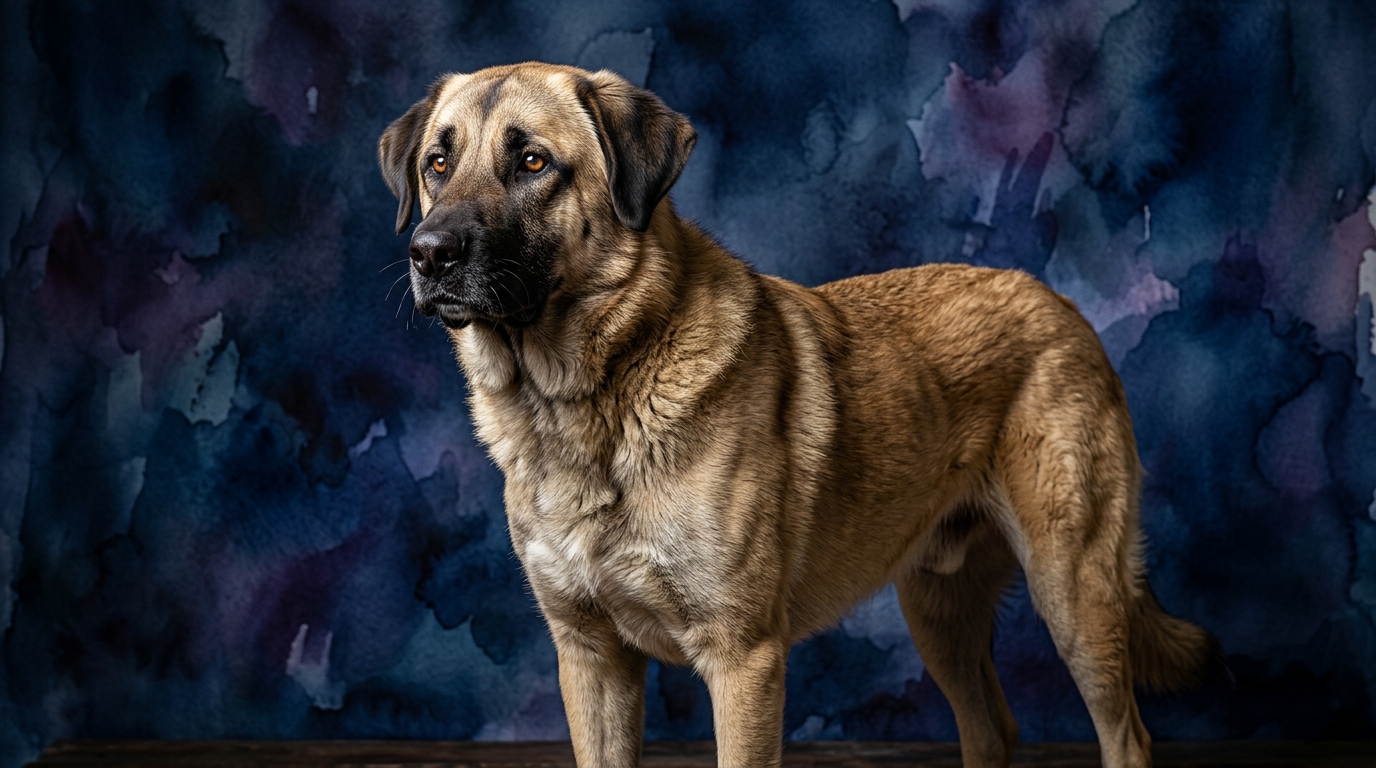
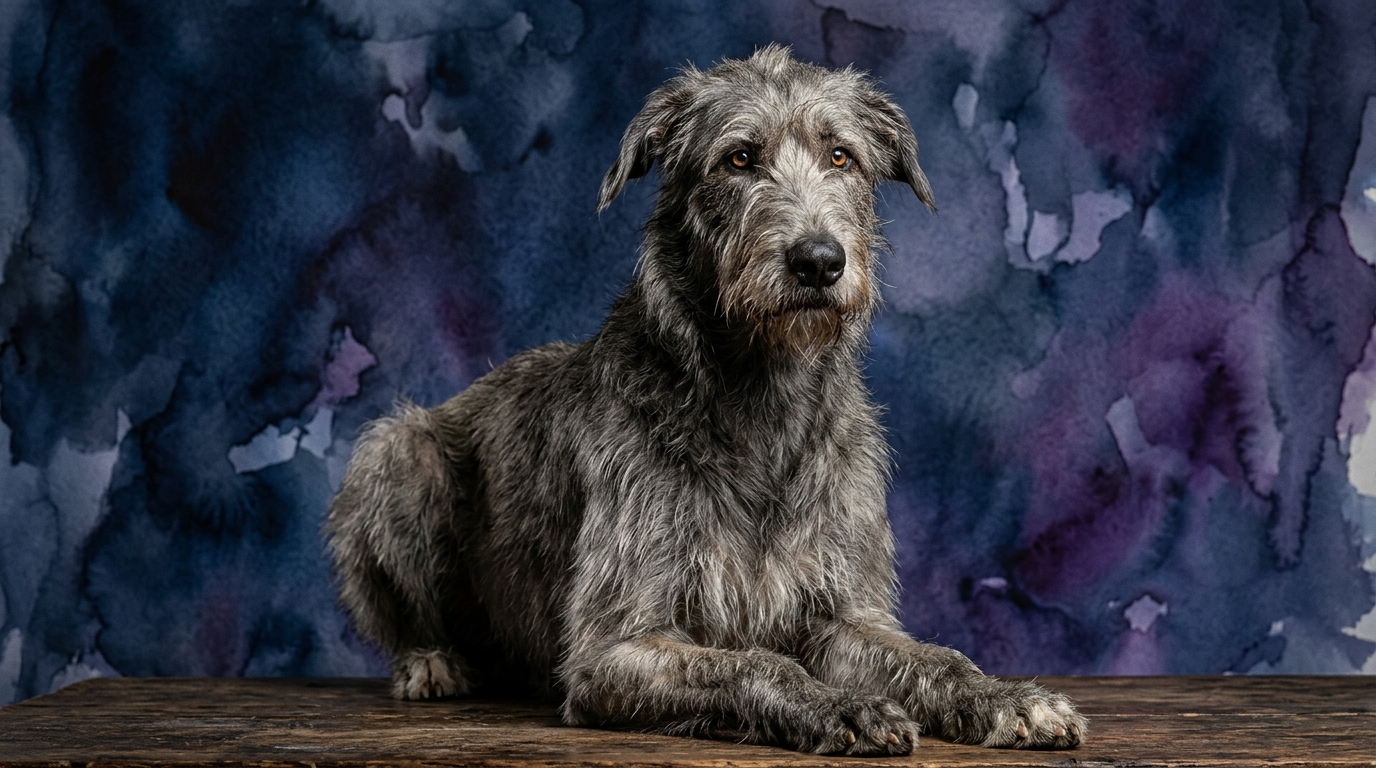
Both the Anatolian Shepherd Dog, a Working breed, and the Irish Wolfhound, a Hound breed, are not ranked on the Coren intelligence scale. However, The Cosmic Pet Pet IQ Lab provides a nuanced look at their cognitive abilities, assigning identical scores across five key dimensions. This apparent sameness, however, masks profound differences in how these breeds apply their intellect, shaped by centuries of specialized roles.
For the Anatolian Shepherd Dog, a 'Problem Solving' score of 3/5 reflects their independent decision-making as livestock guardians. Their intellect is geared towards assessing and neutralizing threats to their flock without direct human command, requiring situational awareness and proactive strategies. 'Training Speed' at 3/5 indicates they learn, but often at their own pace, prioritizing tasks that align with their protective instincts over arbitrary commands. Their 'Social Intelligence' of 3/5 focuses on understanding their charges and identifying potential dangers, while their 'Instinctive Drive' (3/5) is powerfully channeled into territorial protection and vigilance. Finally, their 'Memory' at 3/5 is robust for recalling boundaries, routines, and the identities of both friends and perceived foes, crucial for their sentinel duties.
The Irish Wolfhound's 'Problem Solving' at 3/5, conversely, speaks to their historical role as large game hunters. Their intelligence was once applied to tracking, cornering, and engaging prey, demanding swift, independent judgments in dynamic, high-stakes scenarios. Their 'Training Speed' of 3/5 suggests they are capable learners, though their sighthound nature means they can be easily distracted by movement, requiring engaging and positive reinforcement. 'Social Intelligence' at 3/5 highlights their sensitivity to human moods and family dynamics, fostering deep, gentle bonds. Their 'Instinctive Drive' (3/5) is profoundly rooted in the sighthound's urge to spot, chase, and pursue, a powerful force. Their 'Memory' at 3/5 is reliable for recalling commands and positive experiences, and historically, for successful pursuit routes or prey habits.
Where the Anatolian Shepherd Dog's Cognition Shines
The Anatolian Shepherd Dog truly excels in cognitive areas directly tied to their legacy as autonomous guardians. Their problem-solving capabilities, while rated 3/5, are uniquely optimized for threat assessment and management. Unlike many breeds that look to humans for direction, an Anatolian will independently evaluate a perceived danger to their flock or family and formulate a response, whether it's a warning bark, a strategic patrol, or a direct confrontation. This self-sufficiency in critical situations is a hallmark of their intellect, making them unmatched in roles requiring constant, unprompted vigilance.
Furthermore, their 'Social Intelligence' and 'Memory' are particularly potent when it comes to understanding and navigating their territory and its inhabitants. An Anatolian Shepherd develops an intricate mental map of their domain, remembering every fence line, every familiar scent, and every potential ingress point. They possess a remarkable recall for who belongs and who doesn't, quickly discerning regulars from intruders. This deep spatial and social memory forms the bedrock of their protective effectiveness, allowing them to anticipate and respond to environmental changes with a keen, internalized awareness.
Where the Irish Wolfhound's Cognition Excels
The Irish Wolfhound's cognitive strengths, while also scoring 3/5, are finely tuned for different challenges. Their problem-solving ability, for instance, manifests brilliantly in their capacity for rapid, instinctive decision-making during pursuit. Historically, this meant making split-second judgments on terrain, prey movement, and optimal interception paths during a hunt. In a modern context, this translates to a quick uptake of visual cues and an agile mind in dynamic environments, even if it sometimes conflicts with human commands when a strong instinct takes over.
Their 'Social Intelligence' often presents as a profound empathy and connection with their human family. While not a guardian in the Anatolian sense, the Irish Wolfhound is remarkably perceptive of human emotions and household dynamics. They possess a gentle wisdom, often choosing to comfort or observe rather than react overtly. This nuanced understanding of their human companions' moods and needs is a subtle but powerful cognitive asset, fostering deep, intuitive bonds. Their memory also serves this social intelligence well, as they retain strong recollections of positive interactions and the people they cherish, contributing to their reputation as loyal, sensitive companions.
Training Dynamics: Independence vs. Instinctive Drive
When considering ease of training, the identical 3/5 'Training Speed' scores for both breeds are deceptive, as the underlying behavioral differences present distinct challenges. The Anatolian Shepherd Dog's training requires a deep understanding of their independent, purpose-driven nature. They are not typically motivated by a strong desire to simply 'please' a human, but rather by tasks that align with their inherent guardian role. This means they can be perceived as stubborn with arbitrary commands, but will quickly learn complex tasks if they see the practical value or if it involves protecting their perceived flock. Consistency, patience, and establishing clear leadership are paramount, with positive reinforcement tied to their natural instincts.
The Irish Wolfhound, while often eager to please their family, presents a different training hurdle: their powerful sighthound 'Instinctive Drive.' Their keen vision and urge to chase anything fast-moving can make reliable recall incredibly challenging in an open environment. They might learn commands quickly in a calm setting, but once a squirrel or distant deer catches their eye, their primal instinct can override learned behaviors. Training with an Irish Wolfhound therefore demands managing distractions, ensuring secure environments, and utilizing highly motivating rewards to compete with their natural prey drive. Neither breed is 'easy' in a conventional sense; rather, they require trainers who respect and work with their deeply ingrained breed-specific cognitive frameworks.
Suitability for Active vs. Relaxed Owners
The notion of 'active' versus 'relaxed' ownership needs careful definition when considering these two colossal breeds. The Anatolian Shepherd Dog is not a breed for casual strolls around the block or daily jogs with an owner. Their activity needs are less about sustained physical exertion and more about purposeful patrolling and surveillance. They thrive with owners who provide a large, securely fenced property where they can 'work' by observing their domain. Their 'active' owners are those who are actively managing their dog's environment and harnessing their protective instincts, providing mental stimulation through responsibility rather than endless games of fetch. They are generally calm indoors once their patrolling duties are fulfilled, but constant vigilance remains a mental activity.
The Irish Wolfhound, despite their immense size, can be surprisingly relaxed indoors, often content to lounge near their family. However, this 'relaxed' indoor demeanor belies a significant need for bursts of strenuous physical activity. Owners must provide daily opportunities for them to stretch their immense legs and run at full speed in a safe, securely enclosed space. They are not suited for apartment living without substantial outdoor access, and their 'active' owners are those who prioritize providing these vital outlets for their sighthound's powerful 'Instinctive Drive.' A relaxed owner for an Irish Wolfhound understands their need for intense, albeit intermittent, exercise, and prioritizes comfort and companionship within the home.
The Verdict
Choose the Anatolian Shepherd Dog if you seek an independent, highly vigilant guardian for property or livestock, valuing a dog that makes autonomous decisions in a protective capacity.
Opt for the Irish Wolfhound if you desire a gentle, sensitive giant as a devoted family companion, understanding their need for secure, expansive spaces to satisfy their sighthound's running instincts.
🧠 Find Your Pet's IQ Score
Our Pet IQ Lab assessment covers 25+ tests across 5 cognitive dimensions — personalized to your breed.
Take the Full IQ Test →Frequently Asked Questions
Are Anatolian Shepherds good family dogs?
Yes, with proper socialization from a young age, Anatolian Shepherds are fiercely loyal and protective of their family, viewing them as their flock. However, their strong guardian instincts require experienced owners who can manage their territorial nature, especially around strangers and children.
Do Irish Wolfhounds need a lot of exercise?
While often mellow and calm indoors, Irish Wolfhounds require regular, robust exercise, including daily opportunities to run and stretch their long legs in a securely fenced area. They are not suited for apartment living without significant and consistent access to safe, open spaces for vigorous activity.
How do their independent natures affect training?
The Anatolian Shepherd's independence means they evaluate commands based on purpose, requiring patient, consistent training focused on their natural guardian role, rather than rote obedience. The Irish Wolfhound's sighthound independence can lead to strong prey drive distractions, making reliable recall a key training challenge that demands vigilance and high-value rewards.