Side-by-Side Cognitive Profile
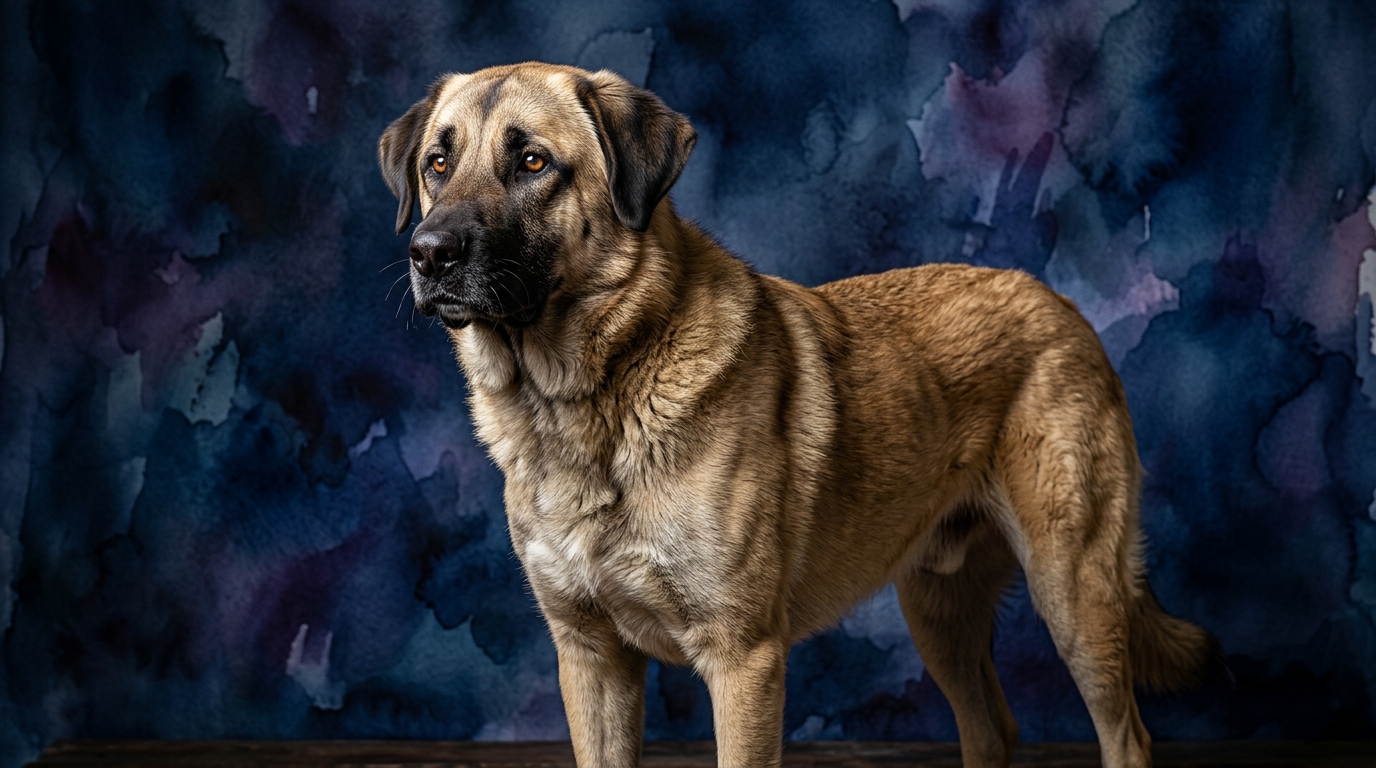
**Anatolian Shepherd Dog:** This working breed embodies a practical, independent mind. Their Problem Solving (3/5) is geared towards autonomous assessment of their environment, making decisions for their flock without constant human instruction. Training Speed (3/5) reflects a deliberate learning pace; they internalize commands but often prioritize their guarding instincts over immediate compliance. Social Intelligence (3/5) is focused on discerning intentions within their perceived territory, exhibiting loyalty to their charges but reservation towards strangers. Their Instinctive Drive (3/5) is a powerful, unwavering commitment to protection, guiding much of their behavior. Memory (3/5) serves their long-term guarding responsibilities, retaining practical information relevant to their routine and boundaries.
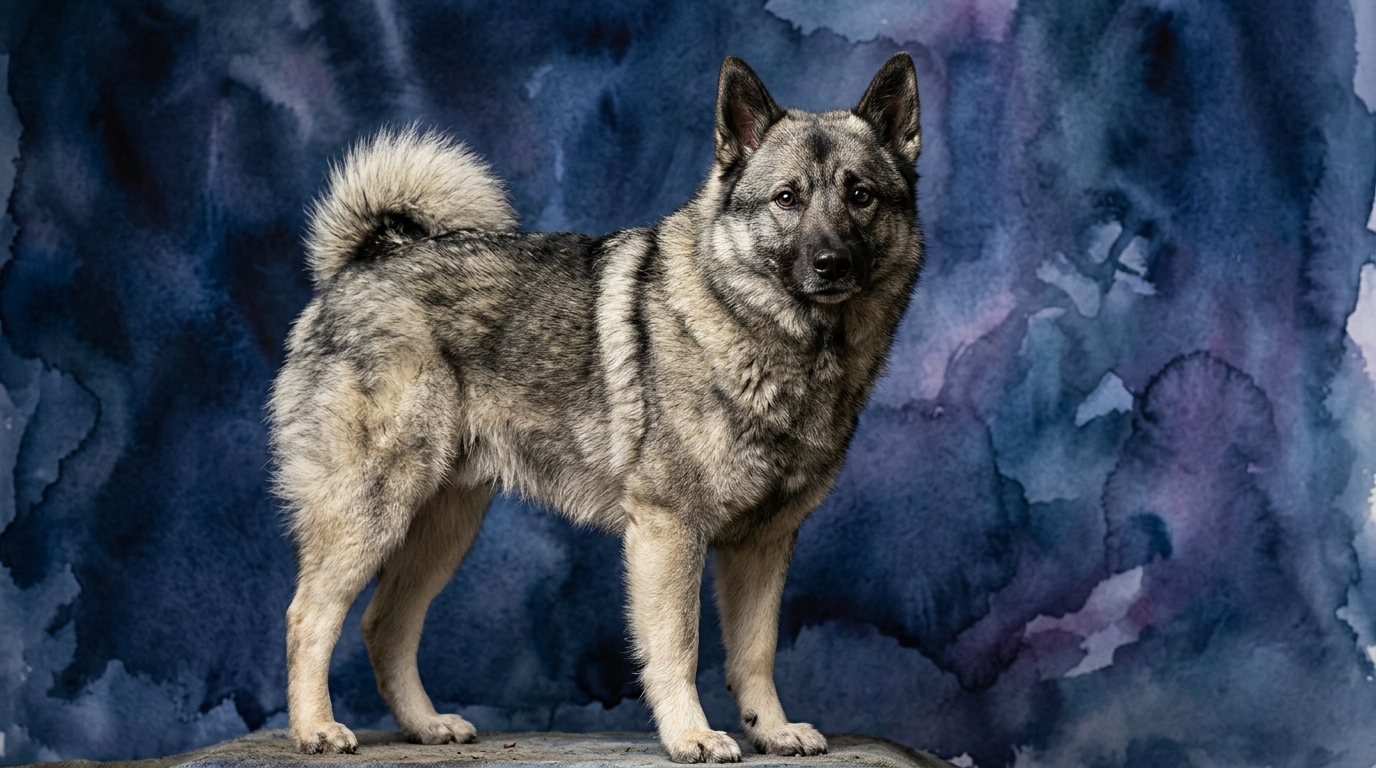
**Norwegian Elkhound:** This hound breed presents a more responsive and adaptable cognitive profile. Their Problem Solving (4/5) demonstrates a higher aptitude for navigating novel situations and strategizing, a trait crucial for their hunting heritage. Training Speed (4/5) indicates a quicker grasp of new commands and a stronger desire to engage in learning, making them generally more receptive to instruction. Social Intelligence (3/5) shows a good understanding of social cues within their human family, adapting their behavior based on interactions, though their independence remains. Their Instinctive Drive (3/5) includes a strong prey drive and an instinct for tracking and vocalizing. Memory (4/5) is robust, enabling them to recall complex sequences of commands, learned routes, and past experiences with considerable accuracy.
Where the Anatolian Shepherd Dog Wins Cognitively
The Anatolian Shepherd Dog's cognitive strengths are deeply rooted in its pastoral guardian role, shining in areas of self-reliant judgment and unwavering dedication. Its Problem Solving (3/5) is less about rapid human-directed tasks and more about an independent, critical assessment of potential threats and resource management within its vast territory. For instance, an Anatolian might autonomously decide the optimal vantage point to observe livestock, or accurately differentiate between a harmless hiker and a genuine predator, showcasing a nuanced contextual understanding rather than a rapid response to a human cue. This self-directed cognitive process, honed over centuries, is a distinct win for their specific function. Their Instinctive Drive (3/5) for protection ensures continuous dedication to their task, even when faced with discomfort or boredom, a trait less pronounced in breeds whose work is more collaborative or command-driven. This steadfastness in their inherent duties is a profound cognitive advantage for their specialized role.
Where the Norwegian Elkhound Wins Cognitively
The Norwegian Elkhound consistently demonstrates higher marks across several cognitive dimensions, particularly in Problem Solving (4/5), Training Speed (4/5), and Memory (4/5). This breed's hunting legacy demands quick thinking and adaptability, evident in their capacity to navigate complex terrain and track game with precision. Their superior problem-solving ability means they are more likely to devise novel strategies to achieve a goal, such as figuring out how to manipulate a latch or retrieve a hidden object, without extensive trial and error. This cognitive flexibility allows them to adapt quickly to changing environments or new challenges, a crucial trait for a versatile hunter. The Elkhound's higher training speed indicates a greater readiness and ease in acquiring new commands and behaviors, making them generally more receptive to structured learning environments and eager to participate in interactive tasks. Their robust memory further enhances this, allowing for the retention of a broader repertoire of learned tasks and experiences, facilitating more sophisticated command sequences and improved performance over time, whether in the field or in companion activities.
Which is Easier to Train and Why
Based on their respective IQ profiles, the Norwegian Elkhound is generally easier to train compared to the Anatolian Shepherd Dog. The Elkhound's Training Speed rating of 4/5, against the Anatolian's 3/5, indicates a quicker grasp of new commands and a stronger willingness to engage in structured learning. This difference stems from their historical roles: Elkhounds were bred to work cooperatively with hunters, requiring them to be attentive to human cues and to learn specific tasks rapidly. Their higher Problem Solving (4/5) and Memory (4/5) also contribute, allowing them to understand and recall complex instructions more readily. For example, an Elkhound might quickly master a complex agility course, connecting a series of commands and obstacles efficiently, driven by a desire to please and a clear understanding of the task.
In contrast, the Anatolian Shepherd Dog's independence, honed by centuries of solitary livestock guarding, means they are less inclined to instantly comply. Their training requires immense patience and a deep understanding of their self-reliant nature; they will learn, but often on their own terms and at their own pace, prioritizing their inherent guarding instincts over rote obedience. An Anatolian might learn the same commands, but their execution could be more deliberate and contingent on their assessment of the situation; they might pause to scan their surroundings before executing a 'stay' command, viewing vigilance as a higher priority than immediate obedience. This fundamental difference in their approach to learning makes the Elkhound generally more amenable to conventional training methods.
Which Suits Active Owners vs. Relaxed Owners
The Norwegian Elkhound, with its higher scores in Problem Solving, Training Speed, and Memory, is better suited for active owners who enjoy engaging in mentally stimulating activities and consistent physical exercise. Their desire to learn and work makes them excellent partners for dog sports, hiking, or advanced obedience training, thriving on challenges that tap into their cognitive strengths and physical stamina. They require owners who can provide consistent mental engagement and varied physical outlets to prevent boredom, which can manifest as undesirable behaviors if their keen minds are underutilized.
The Anatolian Shepherd Dog, conversely, might appeal more to owners who value a watchful, independent companion and have a more relaxed, yet structured, lifestyle. While they require space and regular, moderate exercise, their mental stimulation often comes from observing and guarding their territory rather than from constant human-directed tasks. They are not suited for owners seeking a highly biddable companion for complex training routines, but rather for those who appreciate a dog's self-sufficiency and deep-seated protective instincts in a more hands-off, yet responsible, management style. Their contentment often stems from a secure environment they can oversee.
The Verdict
Choose an Anatolian Shepherd Dog if you seek an independent, steadfast guardian with a profound sense of duty and territory, suitable for a lifestyle that respects their self-reliant nature and provides ample space.
Opt for a Norwegian Elkhound if you desire an alert, adaptable companion eager for engaging activities and structured training, perfect for active owners who appreciate a cooperative and responsive dog.
🧠 Find Your Pet's IQ Score
Our Pet IQ Lab assessment covers 25+ tests across 5 cognitive dimensions — personalized to your breed.
Take the Full IQ Test →Frequently Asked Questions
Do Anatolian Shepherd Dogs require extensive socialization?
Yes, early and consistent socialization is crucial for Anatolian Shepherd Dogs to help them differentiate between normal visitors and genuine threats. This process helps them develop appropriate responses, channeling their strong protective instincts effectively without becoming overly wary or reactive to every perceived anomaly.
Are Norwegian Elkhounds prone to barking?
Norwegian Elkhounds do have a strong instinctive drive (3/5) to bark, a trait developed from their history of alerting hunters to game. While this can be managed with training and consistent boundaries, owners should anticipate a vocal companion, especially when they perceive something new or exciting in their environment, or if their needs for mental and physical stimulation are not met.
How do their independent natures differ?
The Anatolian Shepherd Dog's independence is rooted in autonomous decision-making for guarding, often preferring to act without direct command, prioritizing their assessment of a situation. The Norwegian Elkhound's independence, while present, is more about a strong will and self-reliance within a cooperative hunting context, making them more inclined to engage with human direction when motivated, though they retain a strong sense of self.