Side-by-Side IQ Profile
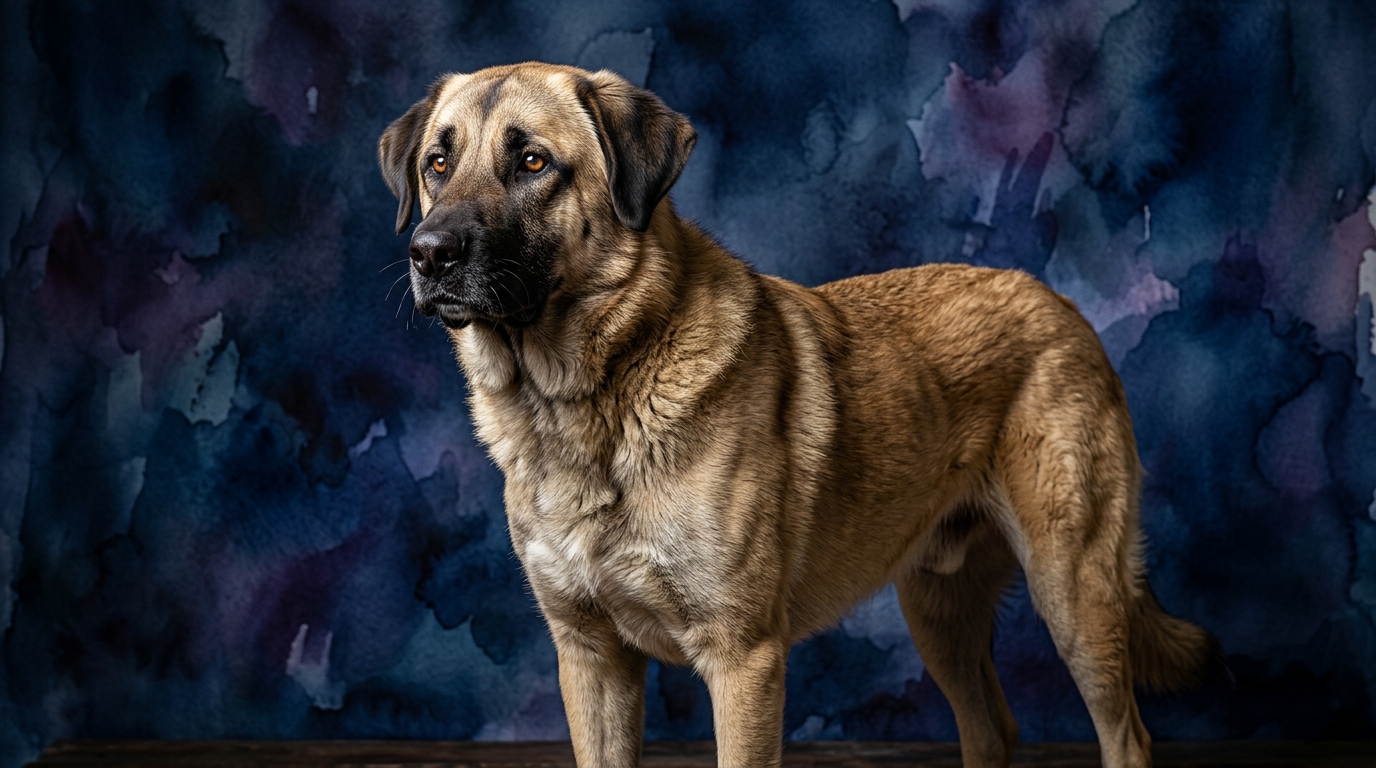
The Anatolian Shepherd Dog, a formidable member of the Working Group, presents a balanced cognitive profile, scoring 3/5 across all five dimensions. Their problem-solving at 3/5 reflects an aptitude for independent decision-making, particularly in assessing threats and protecting their charges without direct human intervention, rather than mastering complex obedience routines. Training speed, also at 3/5, indicates they are capable learners, though their strong will means they often require consistent, patient guidance and may question commands that don't align with their perceived purpose. Social intelligence, rated 3/5, underscores their deep loyalty to their family or flock, coupled with a natural wariness towards strangers, requiring careful socialization to navigate new interactions. Their instinctive drive, a robust 3/5, is centered on vigilance and protection, a tireless commitment to surveying their territory and deterring potential predators. Finally, their memory, also 3/5, supports their ability to retain routines, recognize familiar faces, and recall past experiences relevant to their guardian duties.
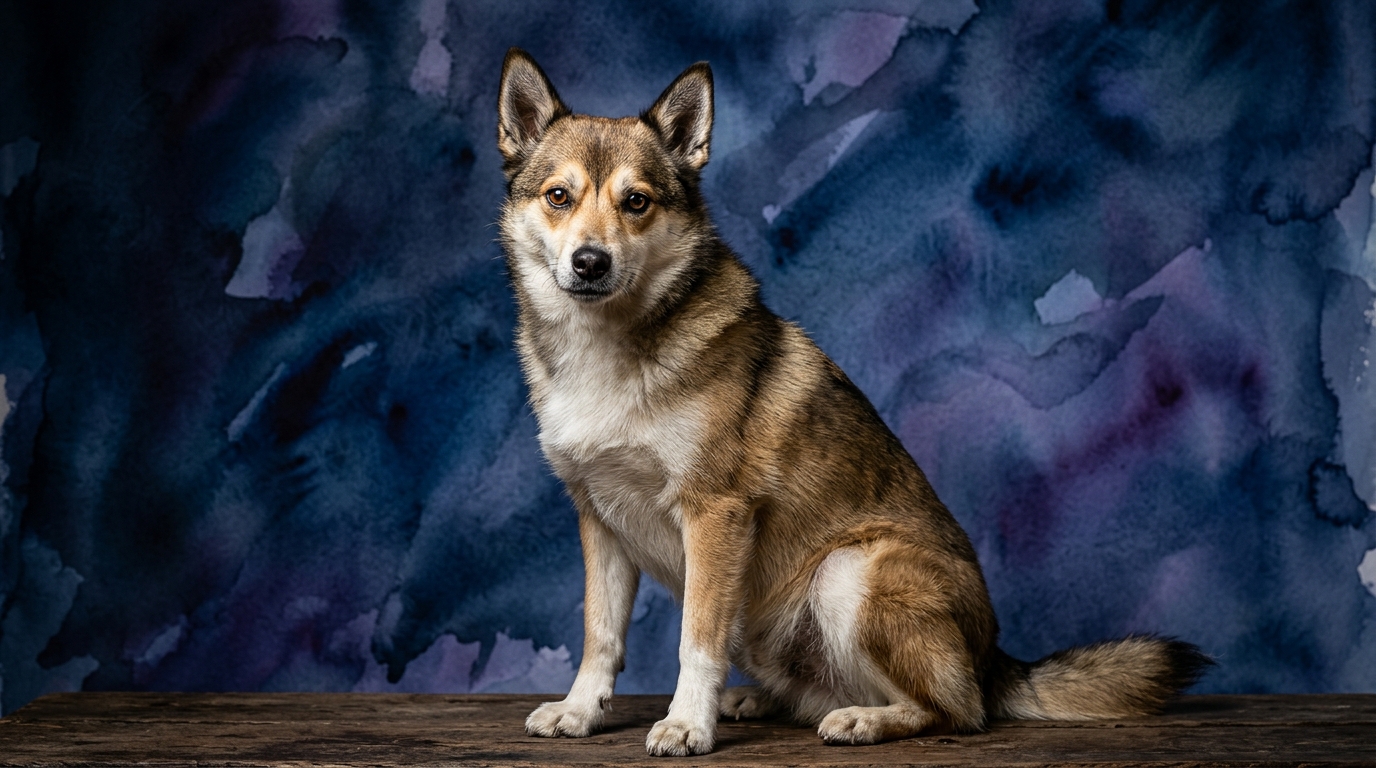
The Norwegian Lundehund, a unique member of the Non-Sporting Group, shares an identical 3/5 score across all cognitive dimensions, yet these aptitudes are channeled through an entirely different lens. Their problem-solving at 3/5 is exemplified by their historical role in navigating intricate, treacherous coastal cliffs and extracting puffins from narrow rock crevices, demanding exceptional spatial awareness and ingenuity in a physical sense. A training speed of 3/5 means they are intelligent but can be independent and easily bored, often requiring creative, engaging methods to hold their attention for learning commands. Social intelligence, rated 3/5, describes a breed that forms close bonds with its human family but can be reserved or cautious with unfamiliar people, preferring to observe before engaging. Their instinctive drive, also 3/5, is strongly rooted in their hunting heritage, manifesting as an intense curiosity, a desire to explore, climb, and dig, reflecting their historical pursuit of small prey. Their memory, also 3/5, likely aids their recall of complex routes, hunting strategies, and the layout of their environment.
Where Anatolian Shepherd Dog Wins Cognitively
While both breeds share identical numerical scores, the Anatolian Shepherd Dog's cognitive strengths manifest uniquely in their capacity for autonomous judgment and sustained vigilance. Their 3/5 in problem-solving doesn't translate to quick tricks, but rather to a profound ability to independently evaluate and respond to dynamic environmental threats, such as discerning a genuine danger to livestock from a harmless passerby, often making critical decisions without human input. This self-reliance in high-stakes situations sets them apart. Furthermore, their 3/5 social intelligence, while not about indiscriminate friendliness, excels in understanding and managing complex social dynamics within their designated 'flock' – whether animal or human. They possess an innate ability to read subtle cues and maintain order, demonstrating a sophisticated awareness of group safety and hierarchy. Their instinctive drive, also 3/5, is geared towards a relentless, patient, and unwavering protective instinct over large territories and vulnerable charges, a mental marathon of observation and deterrence that few breeds can match in sheer endurance and dedication. This combination of independent decision-making, social management within their protective scope, and enduring vigilance highlights the Anatolian's distinct cognitive edge in their specialized role.
Where Norwegian Lundehund Wins Cognitively
The Norwegian Lundehund's identical 3/5 cognitive scores shine in a completely different domain, particularly in their unique blend of physical and mental agility applied to environmental challenges. Their 3/5 problem-solving ability is less about abstract reasoning and more about ingenious physical and spatial intelligence, enabling them to navigate incredibly complex, confined spaces. Imagine a Lundehund assessing the optimal path through a labyrinth of rocks to reach a hidden puffin nest, utilizing their extraordinary flexibility and extra toes – this is a distinct form of practical, adaptive problem-solving. Their 3/5 instinctive drive is exceptionally refined for intricate hunting, involving not just prey drive but a highly focused attention to detail and a methodical approach to extraction from tight crevices. This requires a specific type of cognitive engagement, combining perseverance with precise execution. Moreover, their 3/5 memory likely excels in recalling detailed physical layouts of their hunting grounds, remembering successful routes and techniques for manipulating their bodies to achieve a goal. This specialized cognitive toolkit, tailored for navigating and exploiting challenging physical environments, represents the Lundehund's unique advantage.
Which Is Easier to Train and Why
Assessing which breed is "easier" to train, given their identical 3/5 training speed scores, requires understanding their inherent motivations and historical roles. Neither the Anatolian Shepherd Dog nor the Norwegian Lundehund are typically described as biddable in the way some traditional obedience breeds might be. The Anatolian Shepherd Dog's training challenge stems from their profound independence and purpose-driven mindset. They are capable of learning, but they will often weigh a command against their own judgment of what is necessary or beneficial for their protective duties. If a command doesn't align with their perceived role as a guardian, they may exhibit a stubborn streak or simply ignore it, requiring an experienced handler who understands how to leverage their natural instincts and build a strong, trusting relationship. Consistency, clear boundaries, and patience are paramount, as forcing an Anatolian often leads to resistance rather than compliance.
The Norwegian Lundehund, on the other hand, presents a different set of training considerations. Their 3/5 training speed is coupled with an independent, curious, and often "cat-like" personality. They can learn quickly when motivated, but they are easily bored by repetition and may decide that a particular command isn't worth their effort. Their strong prey drive and desire to explore can make focus challenging in distracting environments. Training a Lundehund requires creativity, making sessions fun and game-like, and employing positive reinforcement techniques that capitalize on their curiosity rather than trying to enforce strict obedience. While they are intelligent, their inclination to think for themselves and pursue their own interests can make them seem more challenging for owners seeking a highly compliant companion. Ultimately, both breeds demand a dedicated, informed approach, but the Lundehund's tendency towards independent exploration and potential boredom might make typical obedience training feel marginally more challenging for the average owner compared to the Anatolian's purposeful, albeit strong-willed, cooperation.
Which Suits Active Owners vs. Relaxed Owners
Neither the Anatolian Shepherd Dog nor the Norwegian Lundehund are suitable companions for truly "relaxed" owners seeking a low-maintenance pet. Both breeds demand active engagement, though the nature of that activity differs significantly. The Anatolian Shepherd Dog requires an owner who is "active" in terms of providing extensive space, consistent leadership, and an outlet for their profound guardian instincts. This isn't necessarily about daily long-distance running, but rather about managing a powerful, independent animal with a strong territorial drive. An active owner for an Anatolian is one who can provide a secure environment, engage in consistent socialization, and dedicate time to boundary training and reinforcing their role as a protector, ensuring their mental and physical needs are met within their impressive size and temperament. They need a job, even if that job is simply safeguarding the family property.
The Norwegian Lundehund, conversely, thrives with an owner who is "active" in a more traditional sense, but with a unique twist. They possess high physical agility, a relentless curiosity, and a strong drive to explore, climb, and dig. An active owner for a Lundehund is someone who enjoys engaging in stimulating games, providing opportunities for safe exploration (perhaps in a securely fenced yard with climbing structures), and channeling their natural instincts through activities like scent work or agility training. They are not content to simply lounge; their minds and bodies crave engagement. A relaxed owner might find the Lundehund's independent antics, escape artistry, and need for mental stimulation overwhelming. Both breeds require significant owner involvement, but the Anatolian demands active management of their protective nature, while the Lundehund requires active participation in their curious, physically driven world.
The Verdict
Choose an Anatolian Shepherd Dog if you require a steadfast, independent guardian for your property or livestock, possess ample secure space, and are prepared for a powerful, self-thinking companion that thrives on purpose and requires experienced, consistent leadership.
Opt for a Norwegian Lundehund if you are drawn to a unique, agile, and independent dog with a strong exploratory drive, enjoy engaging in creative problem-solving activities, and are ready to manage a keen, curious mind with a propensity for climbing and digging.
🧠 Find Your Pet's IQ Score
Our Pet IQ Lab assessment covers 25+ tests across 5 cognitive dimensions — personalized to your breed.
Take the Full IQ Test →Frequently Asked Questions
Are Anatolian Shepherds good family dogs?
With proper socialization from a young age, Anatolian Shepherds are profoundly loyal and protective of their immediate family, but their formidable size and inherent wariness towards strangers necessitate careful introductions and supervision, especially with young children.
Do Norwegian Lundehunds bark a lot?
Norwegian Lundehunds can be quite vocal; their historical role involved alerting hunters to puffin locations, so they retain a tendency to bark when excited, bored, or when perceiving something unusual in their environment.
What is unique about the Lundehund's physical abilities?
The Lundehund possesses several unique anatomical features, including at least six toes on each foot, highly flexible shoulder joints that allow their legs to extend straight out to the sides, and the ability to close their ear canals, all adaptations for navigating narrow cliff crevices during puffin hunting.