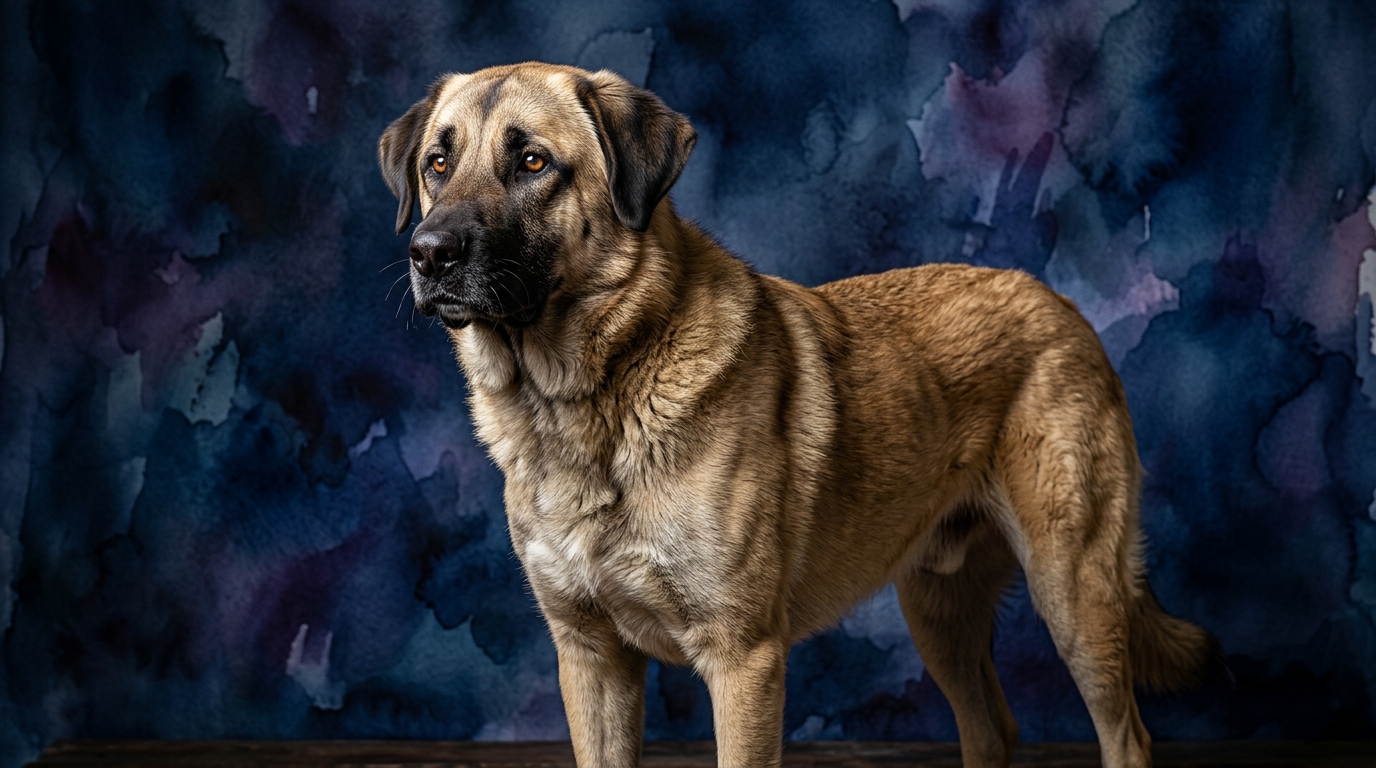
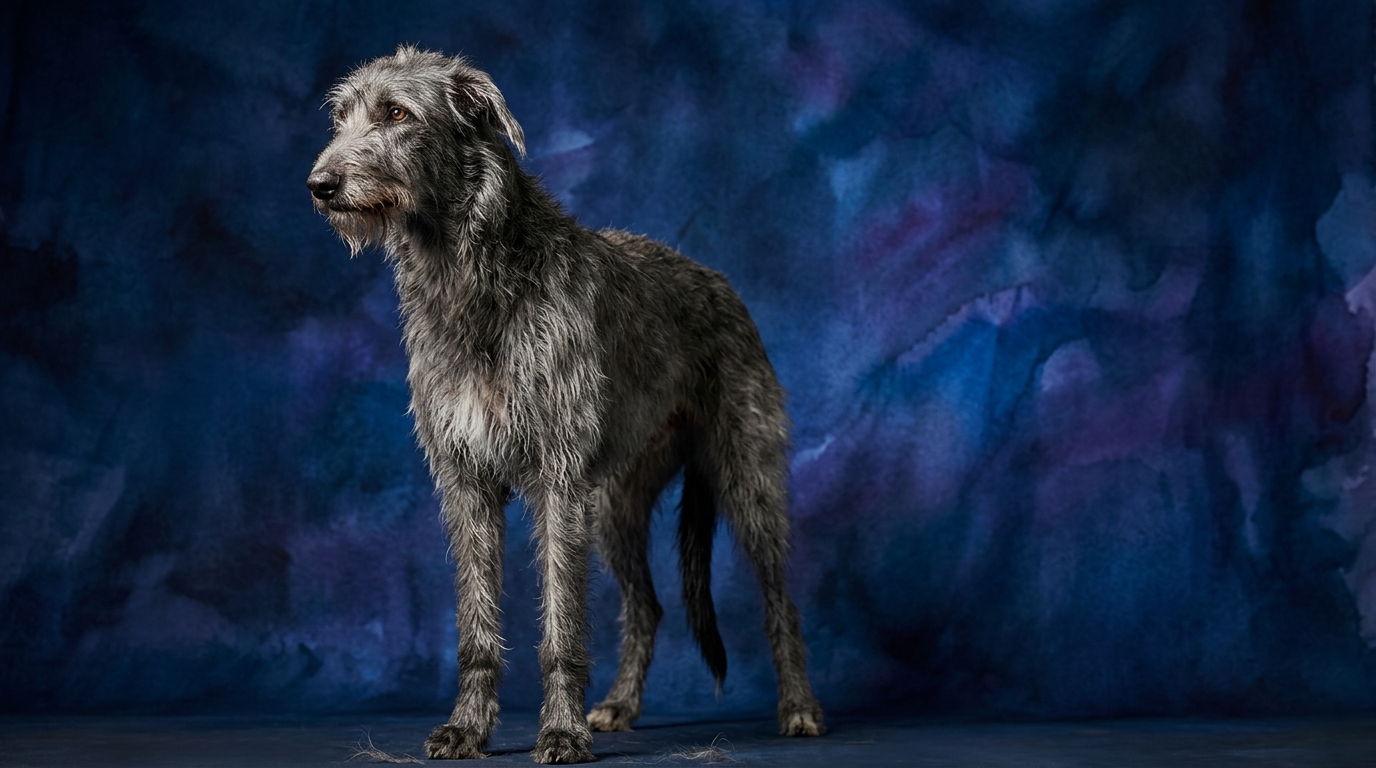
Side-by-Side Cognitive Profile: Interpreting Identical Scores
While both the Anatolian Shepherd Dog and the Scottish Deerhound score a consistent 3/5 across all five dimensions of our Pet IQ Lab assessment, this numerical parity doesn't imply identical mental landscapes. Instead, it highlights that both breeds possess moderate cognitive capabilities, but apply these capacities in vastly different ways, shaped by their historical roles and inherent temperaments. A score of 3/5 suggests a capable, average aptitude, rather than either extreme of cognitive brilliance or significant challenge.
For **Problem Solving (3/5)**, the Anatolian Shepherd Dog's aptitude manifests in its ability to independently assess and deter threats to its flock, often without human intervention. This involves evaluating environmental cues, recognizing potential dangers, and formulating a protective response on its own. The Scottish Deerhound, conversely, applies its problem-solving to the art of the chase. This means strategizing during pursuit, navigating varied terrain at high speed, and anticipating prey movements, requiring quick, instinctual decisions under pressure.
Regarding **Training Speed (3/5)**, the Anatolian Shepherd Dog learns at a moderate pace, but its strong independent streak means it often weighs commands against its own judgment or perceived purpose. It may learn quickly but choose to comply only if it sees the value or logic in the directive, particularly if it conflicts with its guarding instincts. The Scottish Deerhound also learns at a moderate rate; however, their sighthound nature means they can be easily distracted by visual stimuli or the sudden appearance of potential prey, which can interrupt their focus during training sessions. Their sensitivity also plays a role, as harsh methods can be counterproductive.
**Social Intelligence (3/5)** in the Anatolian Shepherd Dog is geared towards understanding the dynamics of its 'flock,' whether human or animal, and discerning friend from foe. They are often aloof with strangers but deeply attuned to the nuances of their family's safety and well-being, reading subtle cues related to comfort or distress within their trusted circle. The Scottish Deerhound's social intelligence often presents as a gentle, sensitive understanding of human emotions within their immediate family. They are known for their quiet empathy and ability to bond closely, though they can be reserved or indifferent towards unfamiliar people, observing rather than engaging.
The **Instinctive Drive (3/5)** of the Anatolian Shepherd Dog is powerfully rooted in guardianship. This drive compels them to patrol, observe, and protect their territory and charges, manifesting as a watchful vigilance and a readiness to intervene against perceived threats. For the Scottish Deerhound, the 3/5 instinctive drive is predominantly a strong, inherent prey drive. Their urge to chase and course is fundamental to their being, requiring opportunities to express this natural behavior in safe, controlled environments.
Finally, **Memory (3/5)** for the Anatolian Shepherd Dog is crucial for remembering boundaries, routines, past threats, and the individuals belonging to its protected group. They retain knowledge of safe areas and potential dangers, contributing to their effectiveness as guardians. The Scottish Deerhound's memory serves them in recalling training, familiar routes for exercise, and perhaps specific locations where prey was previously sighted, aiding in their ability to navigate and perform their athletic feats.
Where the Anatolian Shepherd Dog Excels Cognitively
The Anatolian Shepherd Dog's cognitive strengths lie in its profound independence and autonomous decision-making, particularly in the absence of human direction. Its ability to assess complex environmental situations, discern genuine threats from harmless stimuli, and respond appropriately without explicit commands is a remarkable cognitive feat. This breed excels at practical, real-world problem-solving related to its guarding purpose, demonstrating a nuanced understanding of its role and environment. Their vigilance isn't just physical; it's a constant cognitive processing of their surroundings, identifying patterns and anomalies. This allows them to effectively deter potential predators or trespassers, making them exceptional at evaluating risk and acting decisively to maintain the safety of their charges.
Where the Scottish Deerhound Excels Cognitively
The Scottish Deerhound's cognitive prowess shines in its ability to process visual information at high speeds and translate that into rapid, strategic movement. Their minds are finely tuned for the hunt, allowing them to quickly calculate trajectories, anticipate the movements of fast-moving objects, and execute complex maneuvers during a chase. This isn't just physical agility; it's a cognitive agility that enables them to adapt instantly to changing conditions in pursuit. Beyond the chase, their often gentle and sensitive nature in a domestic setting suggests a sophisticated social intelligence, where they can read subtle human cues and respond with quiet empathy, fostering deep, nuanced bonds within their family. Their capacity for focused, intense bursts of cognitive and physical activity, followed by a calm demeanor, is a distinct cognitive advantage.
Training Dynamics: Independence vs. Instinct
When considering ease of training, the identical 3/5 Training Speed scores for both breeds are interpreted through the lens of their unique behavioral drivers. The Anatolian Shepherd Dog, though capable of learning, requires a handler who respects its independent thought process. Its training isn't about rote obedience; it's about building a partnership where the dog trusts the handler's judgment and understands the purpose behind a command. They may not instantly comply if a command feels arbitrary or conflicts with their deeply ingrained guarding instincts. For example, a command to 'stay' when they perceive a threat might be overridden by their protective drive, making consistent, purpose-driven training essential.
The Scottish Deerhound's training, while also rated 3/5, presents different challenges rooted in its sighthound nature. They are generally sensitive and respond best to positive reinforcement and gentle methods; harsh corrections can cause them to shut down. Their primary training hurdle is their powerful prey drive and visual focus. While they learn commands at a moderate pace, their recall can be unreliable in an open environment if a squirrel or deer catches their eye, as their instinct to chase often overrides learned commands. This means that even with moderate training speed, reliable obedience in high-distraction environments requires significant, patient effort and careful management of their environment.
Matching Breeds to Lifestyles: Active Engagement vs. Athletic Outlets
The Anatolian Shepherd Dog is best suited for owners who understand and appreciate the breed's working heritage and independent nature. This isn't necessarily about constant physical activity in the traditional sense, but about providing a clear structure, consistent leadership, and opportunities for mental engagement that align with their guarding instincts. They thrive in environments where they feel they have a purpose, even if it's 'guarding' the family home. Owners must be prepared for a breed that thinks for itself and requires patient, consistent guidance, making them a better fit for experienced dog owners who can provide a secure, spacious environment and are 'active' in their dedication to breed-specific management and training.
The Scottish Deerhound, by contrast, suits owners who can provide specific, intense bursts of physical activity, primarily safe, expansive areas for running and coursing. While they are often quiet and relaxed indoors, earning them the nickname 'velcro hounds,' their need to stretch their legs at full gallop is non-negotiable for their physical and mental well-being. This makes them ideal for owners with access to large, securely fenced properties or who are committed to regular trips to safe, open spaces. They are not endurance athletes but require opportunities to express their innate speed. Therefore, they suit owners who are 'active' in facilitating these essential athletic outlets, balanced with a desire for a calm, affectionate companion indoors.
The Verdict
Choose the Anatolian Shepherd Dog if you seek an independent, watchful guardian with a strong sense of purpose, capable of making autonomous decisions for protection, and you appreciate a breed that thinks for itself and requires experienced, dedicated guidance.
Choose the Scottish Deerhound if you desire a gentle, sensitive companion with an athletic spirit for sprinting, and you can provide secure, expansive areas for them to express their natural coursing instincts, followed by quiet, affectionate indoor companionship.
🧠 Find Your Pet's IQ Score
Our Pet IQ Lab assessment covers 25+ tests across 5 cognitive dimensions — personalized to your breed.
Take the Full IQ Test →Frequently Asked Questions
Do Anatolian Shepherd Dogs make good family pets given their guarding instincts?
Yes, Anatolian Shepherd Dogs can be excellent family pets, forming deep, protective bonds with their human family, particularly children. However, their strong guarding instincts mean they require early and consistent socialization to distinguish between normal visitors and actual threats, and they do best with experienced owners who understand their need for a clear hierarchy and purpose.
How does the Scottish Deerhound's prey drive impact living with other pets?
The Scottish Deerhound's strong prey drive (Instinctive Drive 3/5) means they may not be suitable for homes with small, fast-moving pets like cats, rabbits, or small rodents, unless introduced very carefully and raised with them from a young age. They generally coexist well with other dogs, especially other sighthounds, but their instinct to chase can be powerful and must always be managed responsibly, particularly outdoors.
Are either of these breeds suitable for first-time dog owners?
Neither the Anatolian Shepherd Dog nor the Scottish Deerhound are typically recommended for first-time dog owners due to their unique breed-specific needs and strong inherent drives. The Anatolian's independence and guarding instincts require confident, experienced handling, while the Deerhound's prey drive and need for secure running space demand specific lifestyle accommodations, making both better suited for those with prior dog ownership experience.