Side-by-Side Cognitive Profiles
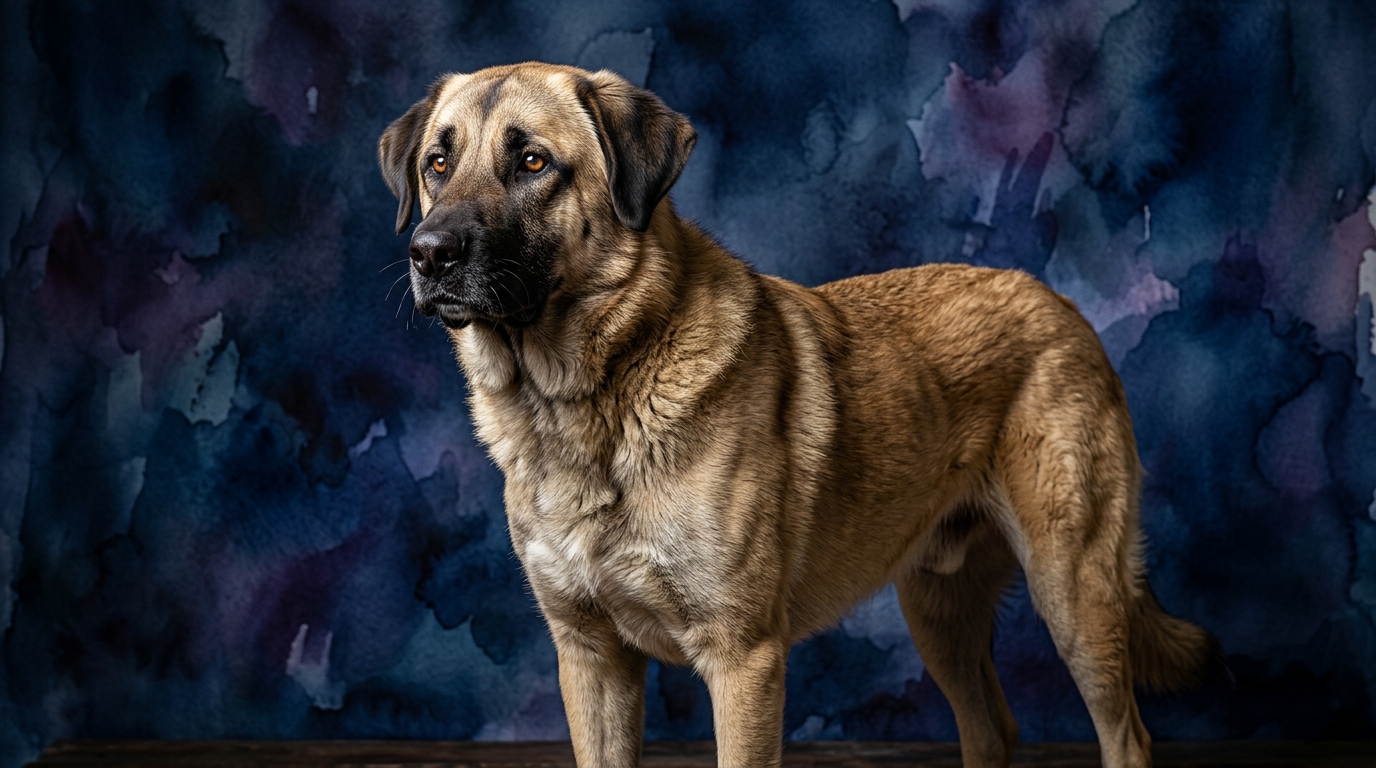
The Anatolian Shepherd Dog (ASD), originating from Turkey, is a formidable livestock guardian, bred for centuries to make independent decisions while protecting flocks. Their Problem Solving (3/5) manifests in practical, on-the-spot solutions to threats, like strategizing to deter predators or guiding errant sheep. Training Speed (3/5) reflects their capacity to learn commands and routines, yet their independence means they require consistent, fair, and purpose-driven instruction rather than rote obedience. Social Intelligence (3/5) is evident in their nuanced understanding of flock dynamics and their discerning interactions with family, while remaining reserved and watchful towards strangers. Their Instinctive Drive (3/5) is powerfully geared towards vigilance and protection, displaying an unwavering commitment to their charge and territory. Memory (3/5) supports their ability to recall boundaries, identify familiar individuals, and remember past threats, contributing to their effective guardianship.
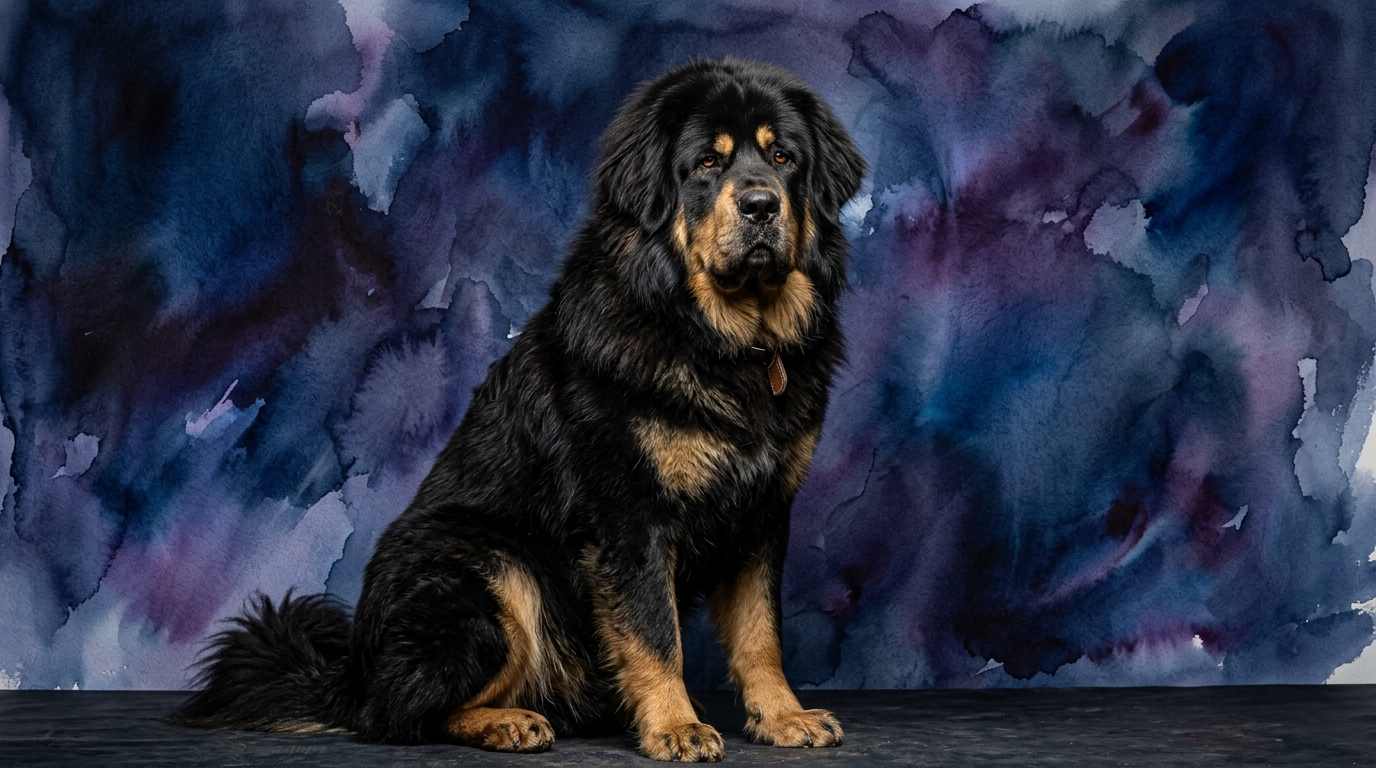
Hailing from the Himalayas, the Tibetan Mastiff (TM) served as an imposing protector of homes, livestock, and monasteries in isolated, harsh environments. Their Problem Solving (3/5) involves self-reliant decision-making in complex situations, often prioritizing the defense of their defined territory with minimal human intervention. Training Speed (3/5) indicates they can absorb information and commands, but their strong will and ancient guarding instincts necessitate a patient, consistent approach focused on mutual respect and understanding their motivations. Social Intelligence (3/5) is characterized by a deep, discerning loyalty to their immediate family, coupled with a naturally aloof and cautious demeanor towards outsiders, making them excellent judges of character. Their Instinctive Drive (3/5) is profoundly rooted in territorial defense and vigilance, particularly with a pronounced nocturnal guarding tendency. Memory (3/5) allows them to retain a detailed mental map of their domain, recall family members and routines, and remember perceived threats, reinforcing their guardian role.
Where the Anatolian Shepherd Dog's Cognition Excels
Given identical IQ scores, the Anatolian Shepherd Dog's cognitive strengths often shine in scenarios demanding adaptable, proactive guardianship across expansive, varied terrains. Their Problem Solving (3/5) is frequently exercised in dynamic, open-range environments, where they must assess and respond to threats that might appear from any direction, often requiring them to move significant distances to intercept. This contrasts with a more static, boundary-focused defense. Their Instinctive Drive (3/5) is less about a fixed perimeter and more about the safety of their mobile flock, fostering a broader, more flexible understanding of their “territory.” This adaptability allows them to apply their problem-solving skills to a wider array of changing environmental cues and predator behaviors, making them uniquely suited for environments that demand constant, on-the-move decision-making.
Where the Tibetan Mastiff's Cognition Excels
The Tibetan Mastiff's cognitive profile, while similarly rated, often excels in contexts demanding unwavering, contained vigilance and discerning social judgment. Their Problem Solving (3/5) is particularly potent when focused on a defined territory, where their solutions involve intricate understanding of boundaries and a deep assessment of potential threats within that space, often making decisions based on subtle shifts in their environment or the demeanor of approaching individuals. This breed’s Social Intelligence (3/5) is characterized by a profound, almost intuitive discernment; they form incredibly strong, selective bonds with their family while maintaining an almost impenetrable reserve with strangers, acting as an exceptional, subtle filter for their household. Their Instinctive Drive (3/5) is intensely focused on home and family protection, often exhibiting a pronounced nocturnal alertness that reflects centuries of guarding isolated homesteads against unseen threats, a specialized cognitive vigilance.
Which Breed Is Easier to Train and Why
Comparing the training ease of these two breeds, both rated 3/5 for Training Speed, reveals nuances tied to their inherent independence rather than a straightforward difference in learning capacity. The Anatolian Shepherd Dog, while self-reliant, often displays a pragmatic approach to training; they can learn commands and routines efficiently when they perceive a clear purpose or benefit, especially if it aligns with their guardian instincts. Training an Anatolian means consistent, fair leadership that acknowledges their independent thought but guides it towards desired behaviors, often responding well to positive reinforcement tied to their “job.”
The Tibetan Mastiff, conversely, presents a more formidable training challenge for many owners. Their independence is often coupled with a strong-willed nature and a tendency to question commands if they don't immediately see the rationale or if it conflicts with their innate protective instincts. Training a Tibetan requires exceptional patience, unwavering consistency, and a deep understanding of canine psychology to build a relationship based on mutual respect, where the owner is seen as a benevolent but firm leader, rather than just a source of commands. While both learn, the Tibetan's disposition often demands a more specialized and persistent training commitment to achieve reliable obedience.
Suitability for Active vs. Relaxed Owners
The suitability for active versus relaxed owners for both these guardian breeds requires careful definition, as neither fits neatly into typical pet categories. An “active owner” for an Anatolian Shepherd Dog isn't necessarily one who goes jogging daily, but rather someone who provides ample space, a sense of purpose, and consistent mental engagement. Anatolians thrive when they have a job, even if it's patrolling a large yard or overseeing the family. Their Problem Solving (3/5) and Instinctive Drive (3/5) are best satisfied by environments where they can exercise their natural guardian abilities, requiring an owner active in managing their environment and offering appropriate outlets for their protective instincts. A “relaxed owner” might find an Anatolian's need for space and independent decision-making overwhelming without proper management.
For the Tibetan Mastiff, a “relaxed owner” might appreciate their lower physical exercise requirements once mature; they are not typically high-energy dogs seeking endless retrieves. However, this “relaxation” is deceptive. A Tibetan Mastiff demands an owner who is “active” in their commitment to secure containment, extensive socialization from a young age, and consistent, patient boundary setting. Their profound Instinctive Drive (3/5) for territorial protection and discerning Social Intelligence (3/5) means they require an owner who is highly engaged in managing their interactions with the world and understanding their unique, often nocturnal, vigilance. Therefore, while neither breed is suitable for a truly “relaxed” owner who prefers minimal interaction, the Anatolian requires active engagement with broader environmental management, while the Tibetan demands intense, focused engagement on socialization, training, and containment.
The Verdict
Choose the Anatolian Shepherd Dog if you have ample secure space, value an independent guardian with adaptable problem-solving skills for varied environments, and are prepared for consistent, purpose-driven training. This breed thrives with owners who can integrate them into a working role, even if it's supervising a family “flock” across a large property.
Opt for the Tibetan Mastiff if you are an experienced owner seeking a deeply loyal, discerning guardian for a defined territory, possess exceptional patience for their strong-willed nature, and can commit to meticulous socialization and secure containment. They are best suited for those who understand and respect their ancient, reserved temperament and intense protective instincts.
🧠 Find Your Pet's IQ Score
Our Pet IQ Lab assessment covers 25+ tests across 5 cognitive dimensions — personalized to your breed.
Take the Full IQ Test →Frequently Asked Questions
Are Anatolian Shepherd Dogs and Tibetan Mastiffs good with children?
Both breeds can be good with children from their own family when properly socialized and raised with respectful interactions. Their protective instincts mean they often view family children as part of their “flock” to be guarded, but supervision is always crucial, especially given their size and independent nature.
Do these breeds require a lot of exercise?
While both are large breeds, their exercise needs differ. Anatolian Shepherd Dogs benefit from ample space to patrol and regular walks to satisfy their natural roaming instincts. Tibetan Mastiffs, once mature, generally have moderate exercise requirements, content with a secure yard and daily walks, but they do need mental stimulation.
How do their guarding instincts manifest differently?
The Anatolian Shepherd Dog typically exhibits a more proactive, expansive guarding style, patrolling wide areas and making independent decisions to deter threats from their flock. The Tibetan Mastiff, conversely, often displays a more contained, territorial guarding, intensely focused on a defined property, with a notable tendency for nocturnal vigilance and discerning watchfulness.