Side-by-Side Cognitive Profiles: Decoding the 3/5 Score
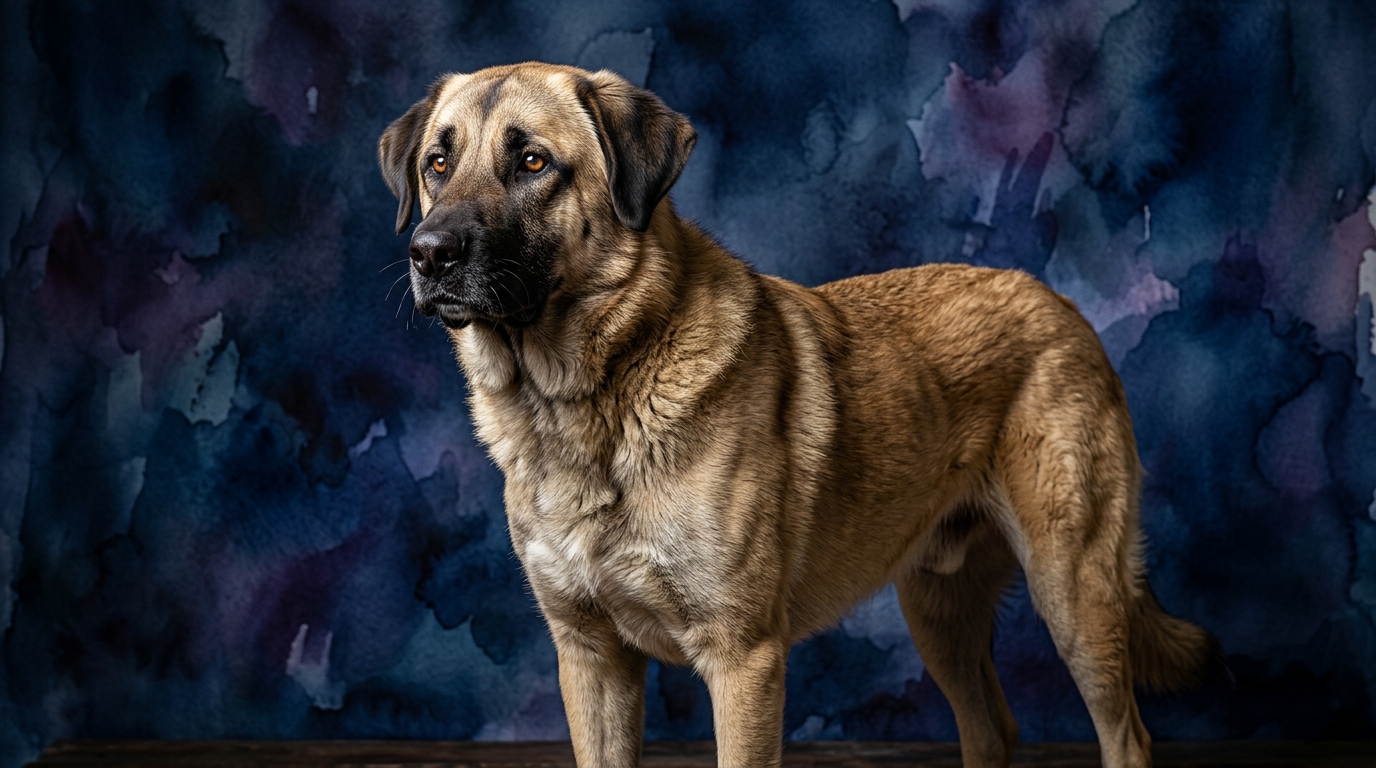
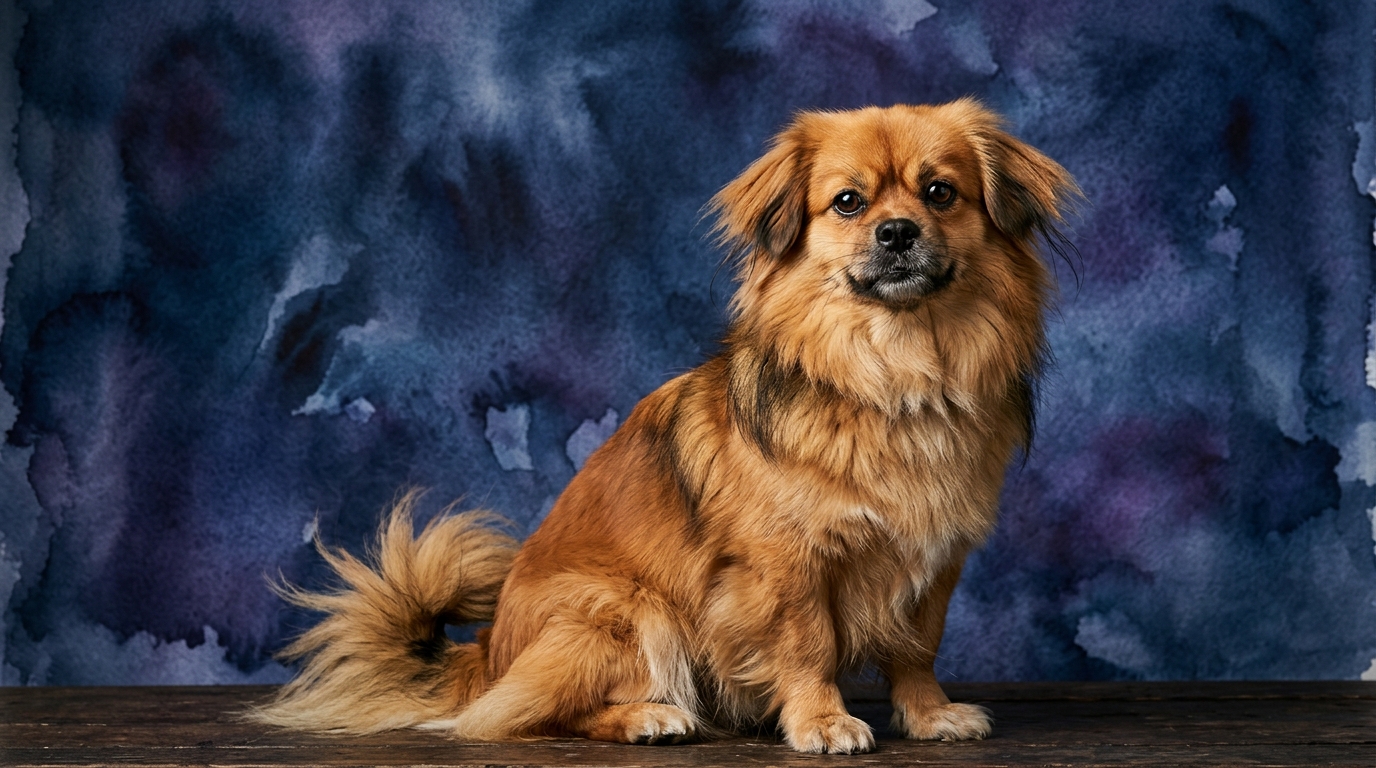
The Cosmic Pet Pet IQ Lab assigns both the Anatolian Shepherd Dog and the Tibetan Spaniel identical scores of 3/5 across all five measured cognitive dimensions. While the numerical score is the same, how these cognitive strengths manifest and are applied in each breed's life varies dramatically, reflecting their distinct evolutionary paths and purposes. Let's explore what a 3/5 truly means for each unique canine.
For **Problem Solving (3/5)**, the Anatolian Shepherd Dog demonstrates a practical, independent capacity to assess and navigate real-world environmental challenges, particularly those related to livestock protection. This isn't about solving complex puzzles, but rather making autonomous decisions to safeguard their charges, such as identifying potential threats or finding the most effective way to deter predators. The Tibetan Spaniel's 3/5 in problem-solving often involves navigating their human household, figuring out how to gain attention, access preferred resting spots, or even subtly 'manage' their owners to achieve desired outcomes, like an extra treat or extended lap time.
Regarding **Training Speed (3/5)**, the Anatolian Shepherd Dog is capable of learning commands and routines, but their working heritage often means they process information with a degree of independent assessment; they may learn quickly but choose to execute based on their own judgment of the situation's necessity. For the Tibetan Spaniel, a 3/5 indicates they are generally receptive to learning new cues and tricks, often motivated by positive reinforcement and their desire for human interaction, though their spirited nature can sometimes lead to an independent streak that requires patient consistency.
**Social Intelligence (3/5)** in the Anatolian Shepherd Dog is profoundly geared towards their role as a guardian. They are adept at reading the nuances of their flock's behavior, discerning threats from benign presences, and establishing clear boundaries within their perceived territory. Their social understanding with humans is often characterized by a deep, loyal bond with their immediate family, coupled with a reserved, watchful demeanor towards strangers. The Tibetan Spaniel’s 3/5 in social intelligence, conversely, shines brightly in their ability to interpret human emotions and household dynamics. They are highly attuned to their family's moods, excelling at communication through subtle body language and vocalizations, and thriving on the close companionship they share with their people.
The **Instinctive Drive (3/5)** of the Anatolian Shepherd Dog is overwhelmingly focused on protection and vigilance. This manifests as a powerful, innate urge to patrol, guard, and defend their territory and family, often with a stoic and unwavering resolve. For the Tibetan Spaniel, their 3/5 instinctive drive is rooted in companionship, observation, and a traditional 'watchdog' role within the home. They possess an inherent desire to be close to their human family, to alert them to new sounds or visitors, and to survey their domestic domain from a comfortable vantage point.
Finally, **Memory (3/5)** for the Anatolian Shepherd Dog is crucial for recalling territory boundaries, specific threats, and established routines vital to their guarding duties, enabling them to consistently apply their protective strategies. The Tibetan Spaniel's 3/5 in memory is equally effective within their context, allowing them to remember household routines, the location of favored toys or treats, and the specific habits of their family members, which aids in their seamless integration into the home environment.
Where the Anatolian Shepherd Dog Excels Cognitively
Despite sharing identical scores, the Anatolian Shepherd Dog's cognitive strengths distinctly align with their historical role as an autonomous guardian. Their 3/5 in problem-solving is not about obedience to complex commands, but about robust, independent decision-making in high-stakes situations. This breed excels at assessing environmental variables, such as potential threats to livestock or territory, and formulating effective, self-directed responses without constant human intervention. Their social intelligence, while reserved, is acutely refined for threat detection and understanding the dynamics of a flock, allowing them to anticipate danger and act proactively. This breed's memory, at a 3/5, underpins their ability to recall vast territories and past encounters, ensuring consistent, reliable protection over time. Their cognitive framework is built for resilience and self-reliance in demanding, often solitary, working conditions.
Where the Tibetan Spaniel Excels Cognitively
The Tibetan Spaniel, with its seemingly identical 3/5 scores, demonstrates a very different, yet equally impressive, cognitive profile. Their true cognitive advantage lies in their nuanced social intelligence within a domestic setting. A 3/5 in this dimension means they are exceptionally adept at reading and responding to human emotions, subtle cues, and household dynamics, making them unparalleled companions. Their problem-solving (3/5) often manifests as cleverness in navigating social situations or manipulating their environment to maximize comfort and attention, such as strategically placing themselves for maximum cuddles or finding creative ways to signal their needs. Their memory (3/5) is finely tuned to remembering family routines and personal preferences, allowing them to integrate seamlessly and contribute to the harmony of a home. This breed's cognitive strengths are centered around fostering deep, communicative bonds and thriving in a human-centric environment.
Training Dynamics: Independence vs. Companionship
When considering ease of training, the identical 3/5 training speed scores for both breeds require a deeper look into their behavioral drivers. The Anatolian Shepherd Dog, despite its capacity to learn, presents a unique training challenge due to its inherent independence and strong guardian instincts. They are not bred for eager obedience but for autonomous decision-making in the field. Training an Anatolian requires immense patience, consistency, and an understanding that they will often weigh commands against their own perception of what is necessary for protection. Real behavioral differences include their tendency to patrol and observe rather than always engaging directly, making recall or 'leave it' commands potentially more difficult if they perceive a threat. Owners must establish trust and consistent leadership, making training a long-term commitment to guiding their natural predispositions.
The Tibetan Spaniel, conversely, typically approaches training with more eagerness, driven by their desire for human companionship and attention, reflected in their 3/5 training speed. While they can learn commands readily, they are not without their own independent spirit and occasional stubbornness. Their small size and 'lap dog' tendencies mean their training challenges might revolve around house-training consistency or managing their alert barking. They respond best to positive reinforcement, making training sessions enjoyable and rewarding. Their behavioral differences, such as their tendency to be observant and sometimes aloof with strangers, mean socialization is key, but their core desire to please their family generally makes them more adaptable to various training methods focused on cooperation rather than strict command and control.
Matching Lifestyles: Active Guardians vs. Relaxed Companions
The choice between these breeds also hinges significantly on an owner's lifestyle. The Anatolian Shepherd Dog is suited for active, experienced owners who can provide ample space, a clear purpose, and consistent mental and physical engagement. Their 'active' requirement extends beyond physical exercise; it encompasses providing a role that allows them to utilize their strong guardian instincts, whether it's protecting property or family. They thrive in environments where they can patrol and observe, making them ideal for rural settings or homes with large, securely fenced yards. Owners must be prepared for a dog that is self-reliant and requires consistent leadership from an early age to channel their powerful drives appropriately.
The Tibetan Spaniel, while alert and playful, is a much better fit for owners seeking a more relaxed companion who values close human interaction over extensive outdoor activity. They enjoy moderate daily walks and playtime but are equally content observing the world from a comfortable perch indoors, perfectly embodying their 3/5 instinctive drive for companionship and observation. Their 'relaxed' nature pertains to their lower demand for strenuous physical output, but they still require consistent mental engagement through companionship, gentle play, and opportunities to be an integral part of family life. They adapt well to apartment living, provided their social needs are met and they receive regular, albeit moderate, exercise.
The Verdict
Choose the Anatolian Shepherd Dog if you seek an independent, steadfast guardian with a profound sense of duty, and possess the experience and environment to manage a powerful working breed's autonomous nature.
Choose the Tibetan Spaniel if your lifestyle calls for an alert, affectionate companion adept at social nuances and content with a more relaxed pace of life, ready to enrich your home with their charming presence.
🧠 Find Your Pet's IQ Score
Our Pet IQ Lab assessment covers 25+ tests across 5 cognitive dimensions — personalized to your breed.
Take the Full IQ Test →Frequently Asked Questions
Do Anatolian Shepherds like to cuddle?
While Anatolian Shepherds form deep, loyal bonds with their families, their affection often manifests as a calm, watchful presence rather than overt physical cuddliness, consistent with their independent guardian role and reserved nature.
Are Tibetan Spaniels good with children?
Tibetan Spaniels can be good companions for respectful children, often enjoying play and interaction, but their small size means interactions should always be supervised to ensure both the dog's safety and appropriate behavior.
How much exercise do these breeds need?
Anatolian Shepherds require substantial space and consistent activity to satisfy their working drives and patrol instincts, while Tibetan Spaniels are content with moderate daily walks and indoor play, prioritizing companionship and mental engagement within the home.