Side-by-Side IQ Profile: Australian Cattle Dog vs. Afghan Hound
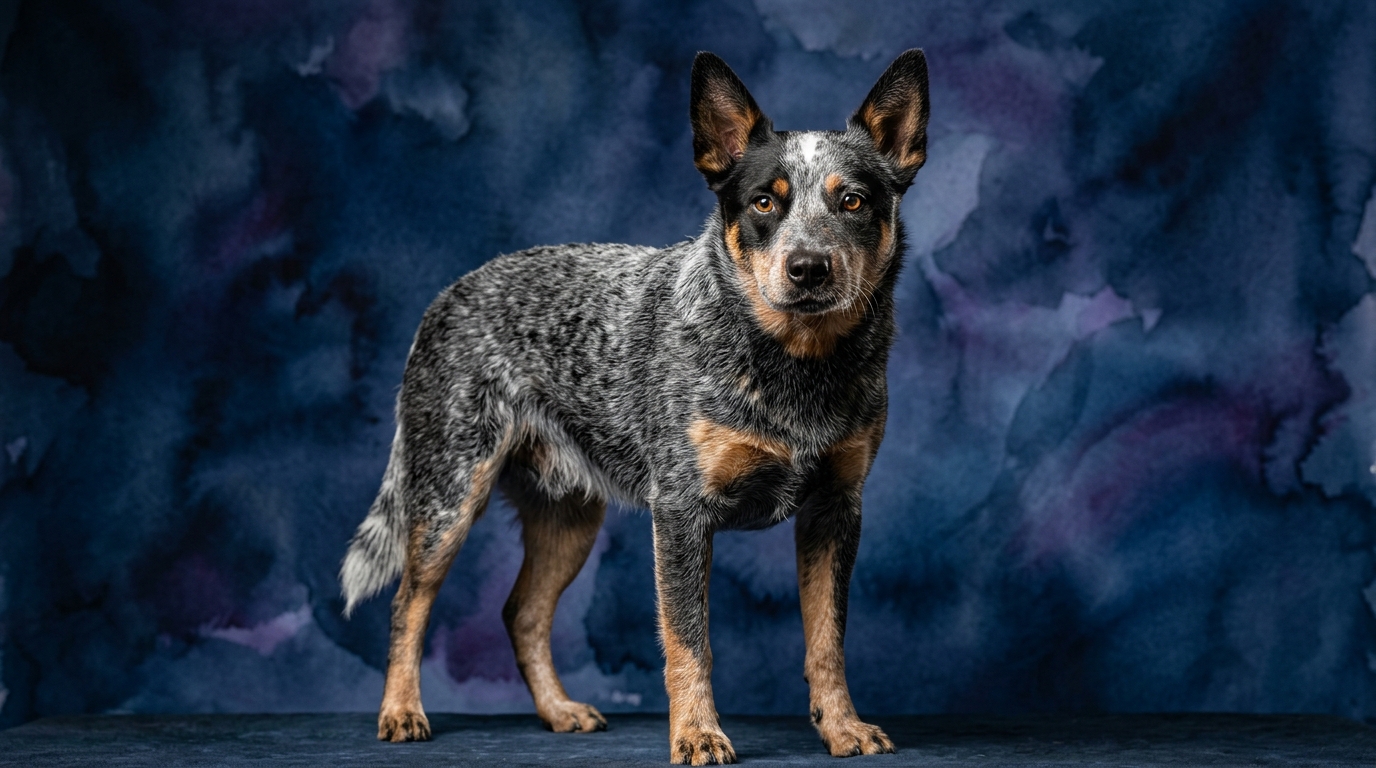
The Cosmic Pet Pet IQ Lab provides a detailed breakdown of canine cognitive abilities across five key dimensions. For the Australian Cattle Dog, a Herding breed, the scores reflect a highly engaged and responsive intellect. They achieve a Problem Solving score of 5/5, indicating an exceptional ability to navigate complex situations and devise effective solutions. Their Training Speed is also a perfect 5/5, showcasing rapid assimilation of new commands and routines. Social Intelligence for the ACD is rated at 3/5, suggesting they understand social cues but might not always be overtly expressive. An Instinctive Drive of 5/5 highlights their profound herding impulses, while their Memory is an outstanding 5/5, reflecting excellent recall of learned behaviors and experiences.
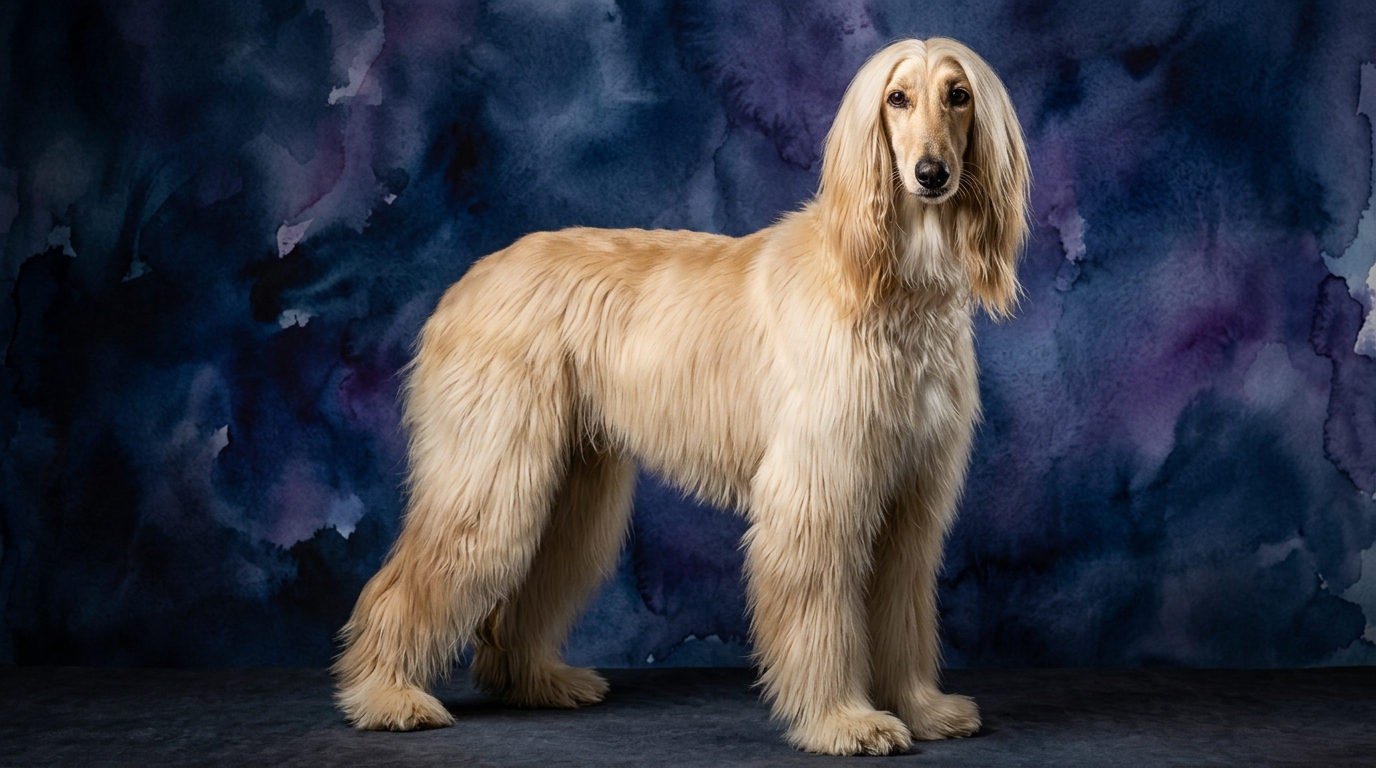
In contrast, the Afghan Hound, a Hound breed, presents a very different cognitive blueprint. Their Problem Solving score is a respectable 4/5, indicating competence in independent problem-solving, particularly in self-serving contexts. However, their Training Speed is notably low at 1/5, pointing to a slower and more independent learning process for formal commands. Social Intelligence is rated 2/5, suggesting a more aloof and reserved demeanor in interactions. Like the ACD, they possess a powerful Instinctive Drive of 5/5, but this manifests as an intense prey drive. Their Memory score is 3/5, indicating they retain information relevant to their independent pursuits but may not consistently apply it to human-initiated tasks.
Where the Australian Cattle Dog Wins Cognitively
The Australian Cattle Dog's cognitive profile paints a picture of a proactive, highly adaptable, and intensely focused thinker. Their 5/5 score in Problem Solving means they don't just follow instructions; they actively analyze situations, anticipating outcomes and often finding efficient, even ingenious, ways to complete tasks, even when unexpected variables arise. For instance, an ACD might instinctively redirect a straying sheep back to the flock by cutting off its escape route, without needing a direct command, demonstrating a profound understanding of the task's objective. This proactive approach, combined with a perfect 5/5 in Training Speed, allows them to absorb complex sequences of commands quickly and apply them effectively in dynamic, real-world environments. Their exceptional 5/5 Memory further solidifies this advantage, enabling them to retain intricate patterns, past experiences, and learned behaviors with remarkable precision over long periods. This makes them exceptionally reliable partners in multi-faceted operations and sports that demand continuous mental engagement, rapid decision-making, and consistent execution of learned skills.
Where the Afghan Hound Wins Cognitively
While the Afghan Hound's cognitive strengths differ dramatically from the ACD, they are nonetheless profound and deeply rooted in their sighthound heritage. Their 5/5 Instinctive Drive is a cognitive triumph, reflecting an unparalleled ability to focus intensely on visual stimuli and execute a chase with incredible precision, speed, and endurance. This isn't merely a physical attribute; it's a complex cognitive specialization involving rapid visual processing, target acquisition, strategic pursuit, and an innate understanding of physics in motion. Their 4/5 in Problem Solving, though lower than the ACD, shines brightly in scenarios demanding independent thought and self-reliance, particularly when navigating complex terrains during a chase or making autonomous decisions without direct human intervention. An Afghan Hound excels at assessing a vast landscape, identifying the swiftest moving target, and determining the most efficient, often circuitous, path to intercept it, relying purely on their own keen judgment and sensory input. This cognitive independence, while presenting challenges in a conventional training context, is a hallmark of their ancient purpose and a distinct advantage in situations requiring unparalleled autonomous action and sophisticated sensory interpretation.
Which Is Easier to Train and Why
The distinction in trainability between these two breeds is stark, largely due to their differing cognitive priorities. The Australian Cattle Dog, with a perfect 5/5 in Training Speed and Problem Solving, is engineered for responsiveness and collaboration. They exhibit a profound desire to understand and execute human directives, processing new information rapidly and integrating it into their behavioral repertoire. Their high Memory score (5/5) means commands, once learned, are rarely forgotten, leading to consistent performance. Conversely, the Afghan Hound's 1/5 Training Speed and lower Social Intelligence (2/5) point to a breed that learns at its own pace and on its own terms. Their powerful 5/5 Instinctive Drive, while a cognitive strength, means they are often more attuned to environmental stimuli (like a squirrel darting across the yard) than to human voices. Real behavioral differences include the ACD's persistent focus on the handler and eagerness to please, contrasting sharply with the Afghan's tendency to consider a command before deciding whether to comply, often prioritizing their independent urges over immediate obedience, making training a nuanced and often patient endeavor.
Which Suits Active Owners vs. Relaxed Owners
The cognitive profiles of the Australian Cattle Dog and Afghan Hound strongly dictate their suitability for different owner lifestyles. The Australian Cattle Dog, with its 5/5 Problem Solving, 5/5 Training Speed, 5/5 Instinctive Drive, and 5/5 Memory, thrives with active owners who can provide consistent mental and physical challenges. They require engagement that taps into their herding instincts, whether through advanced obedience, agility, or working roles. An ACD needs a "job" to do, and without it, their considerable cognitive power can manifest as boredom or destructive behaviors. They are partners for owners who appreciate a dog that thinks alongside them and is always ready for the next task and continuous learning.
The Afghan Hound, while possessing an equally powerful 5/5 Instinctive Drive, directs this energy towards independent pursuits like chasing. They need owners who understand and respect their independent nature and strong prey drive. While they certainly need exercise to satisfy their physical needs, their cognitive engagement is less about collaborative tasks and more about opportunities for independent exploration and occasional bursts of high-speed activity in secure areas. They are suited for owners who can appreciate their dignified aloofness and are prepared for a dog that sometimes operates on its own agenda, offering companionship without demanding constant interactive mental work or effusive displays of affection.
The Verdict
Choose an Australian Cattle Dog if you seek a highly engaged, collaborative canine partner eager for complex tasks and consistent mental stimulation. Their exceptional problem-solving and rapid learning make them ideal for active lifestyles and advanced training pursuits.
Select an Afghan Hound if you appreciate an independent, dignified companion whose cognitive strengths lie in autonomous action and keen sensory focus. They thrive with owners who respect their self-reliant nature and powerful chase drive, offering a different kind of companionship.
🧠 Find Your Pet's IQ Score
Our Pet IQ Lab assessment covers 25+ tests across 5 cognitive dimensions — personalized to your breed.
Take the Full IQ Test →Frequently Asked Questions
What does "Social Intelligence" mean for these breeds?
Social Intelligence refers to a breed's capacity to understand and respond to social cues from humans and other animals. An Australian Cattle Dog (3/5) understands social dynamics but might be more reserved, while an Afghan Hound (2/5) is often more aloof and less invested in constant social interaction, preferring a more independent presence.
How does Instinctive Drive impact their daily lives?
Instinctive Drive (5/5 for both) profoundly shapes their daily behaviors. For the Australian Cattle Dog, it manifests as a strong urge to herd, gather, and control, requiring outlets like herding games or structured activities. For the Afghan Hound, it's a powerful prey drive, leading to an intense desire to chase anything that moves, necessitating secure environments and careful leash management.
Can an Afghan Hound be trained effectively despite its low "Training Speed" score?
Yes, an Afghan Hound can be trained effectively, but it requires patience, consistency, and a deep understanding of their independent nature. Unlike the eager-to-please ACD, an Afghan Hound often needs to be convinced that compliance is worthwhile, responding best to positive reinforcement and methods that respect their self-reliant spirit rather than demanding unquestioning obedience.