Side-by-Side Cognitive Profiles
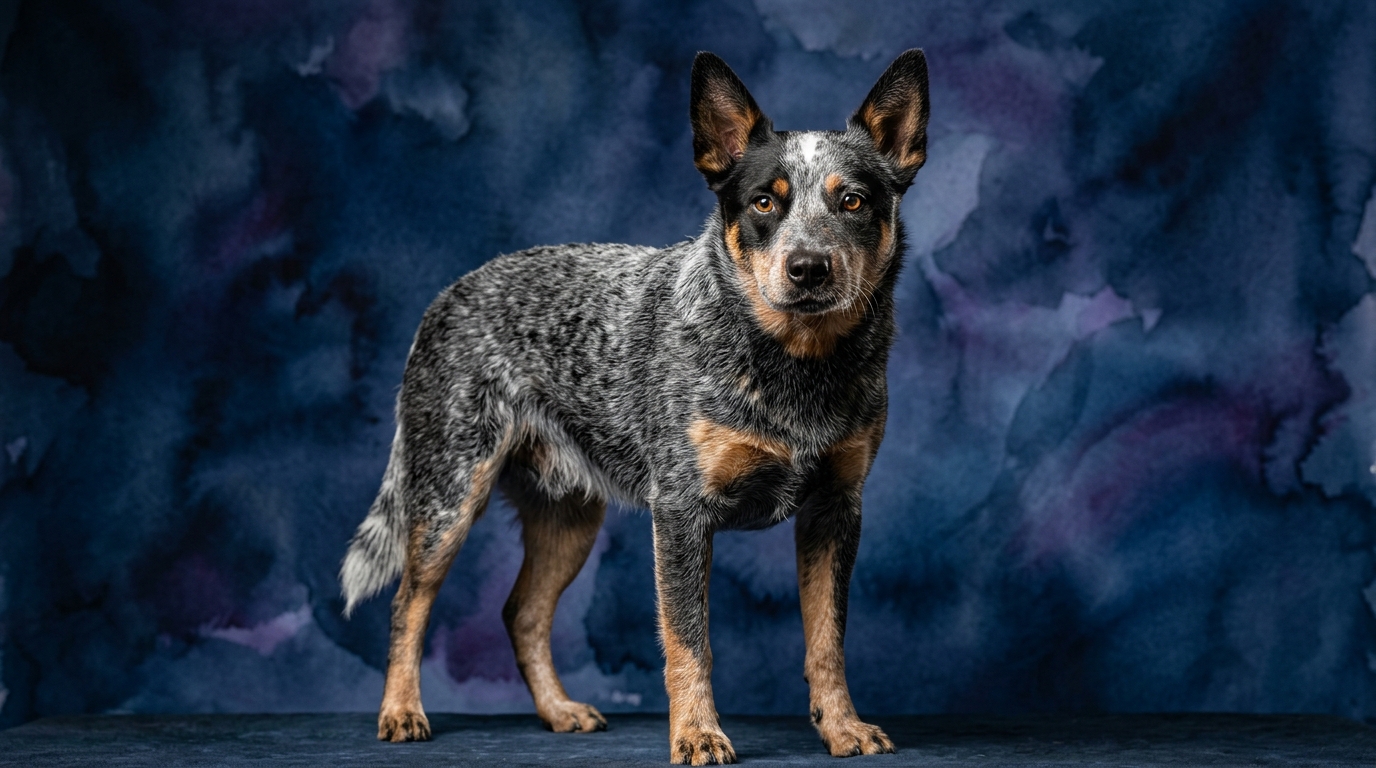
The Australian Cattle Dog, a breed steeped in working heritage, presents a formidable cognitive profile. Our Pet IQ Lab metrics assign it a remarkable 5/5 in Problem Solving, indicating an exceptional capacity to analyze complex situations and devise effective solutions, often with minimal human intervention. Its Training Speed also rates 5/5, meaning these dogs assimilate new commands and intricate routines with astonishing rapidity, requiring very few repetitions. Social Intelligence stands at 3/5, suggesting a practical understanding of human cues and pack dynamics, though their focus often remains on tasks rather than nuanced social interactions. The ACD's Instinctive Drive is a powerful 5/5, reflecting an intense, hardwired urge to herd and manage livestock, manifesting as an unwavering work ethic. Finally, their Memory is a perfect 5/5, allowing them to retain learned information, routines, and past experiences with remarkable accuracy over extended periods.
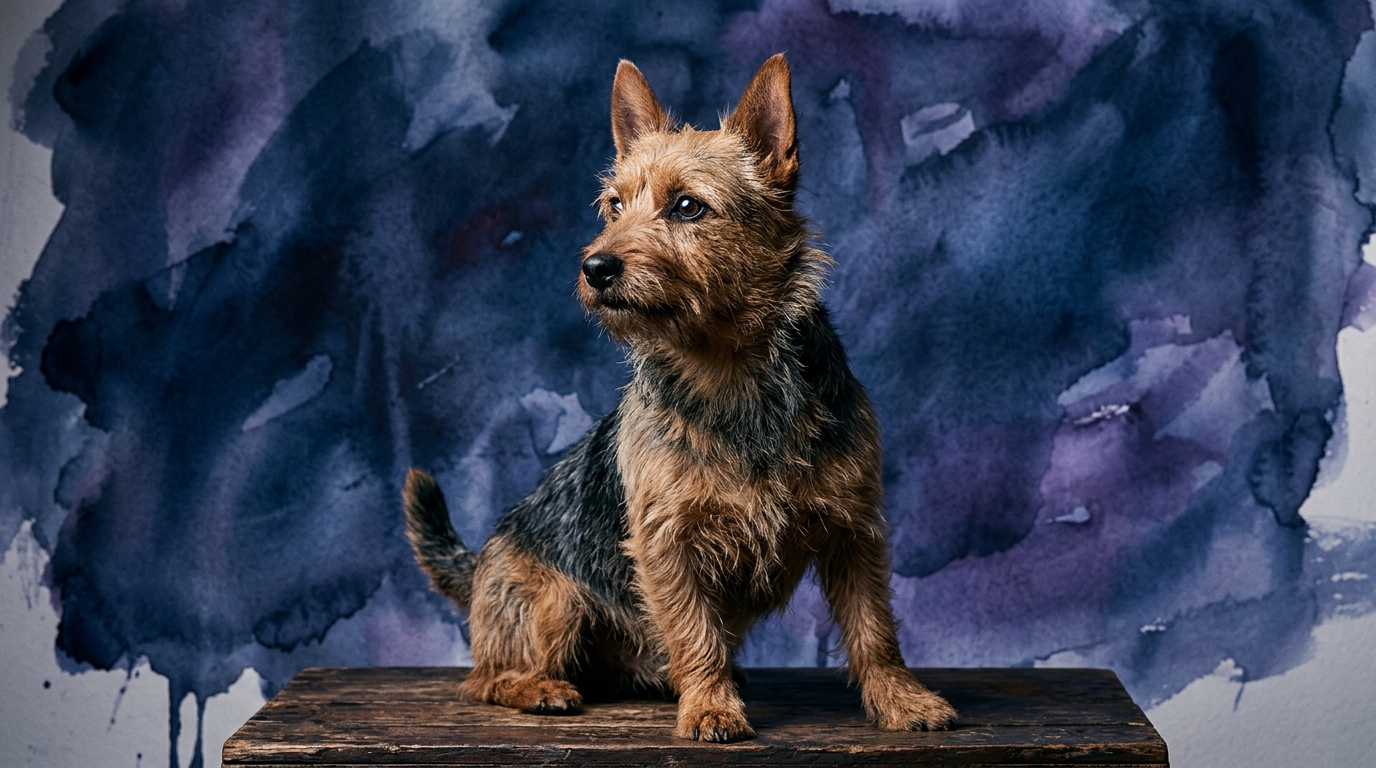
In contrast, the Australian Terrier, a smaller, tenacious breed, shows a different cognitive landscape. Its Problem Solving ability scores 3/5, indicating a capability for practical, often prey-related, problem-solving, but less inclination towards highly abstract or multi-step puzzles. Training Speed is also 3/5; these terriers learn at a steady pace, benefiting from clear, consistent instruction, yet they may not generalize new concepts as quickly as their herding counterparts. Social Intelligence mirrors the ACD at 3/5, demonstrating a solid understanding of social cues and forming strong, loyal bonds within their family unit. The Australian Terrier’s Instinctive Drive is rated 3/5, reflecting a moderate yet focused drive for hunting small vermin, characterized more by persistent pursuit than broad-scale herding intensity. Their Memory, at 3/5, is effective for practical tasks and familiar routines, though perhaps not with the same expansive recall or depth as the ACD.
Where the Australian Cattle Dog’s Cognition Shines
The Australian Cattle Dog consistently outshines the Australian Terrier in several cognitive dimensions, largely due to its intense working background. Their 5/5 Problem Solving capacity means they aren't just following orders; they're actively thinking through obstacles. An ACD might figure out how to open a gate or bypass a barrier to complete a task, demonstrating a proactive approach to challenges. This isn't about brute force, but a sophisticated understanding of cause and effect and spatial reasoning. For instance, if a toy rolls under a piece of furniture, an ACD is more likely to strategically nudge or maneuver the furniture to retrieve it, rather than simply barking or pawing indiscriminately.
The ACD’s 5/5 Training Speed is another significant advantage. This breed absorbs new commands and sequences almost instantaneously. Imagine teaching a complex agility course; an ACD might grasp the entire sequence after only a few repetitions, making them highly responsive and adaptable to new learning environments. This rapid assimilation extends beyond formal training to everyday routines, where they quickly learn household rules and expectations. Their exceptional 5/5 Memory further solidifies this strength, ensuring that once a lesson is learned, it's retained for the long haul, reducing the need for constant refreshers. This combination of rapid learning and enduring memory makes the ACD a prime candidate for advanced obedience, canine sports, and complex working roles where precision and retention are paramount. Their potent 5/5 Instinctive Drive fuels these cognitive strengths, embedding a powerful desire to work and engage with tasks, providing an intrinsic motivation that enhances their problem-solving and training responsiveness.
Unique Strengths of the Australian Terrier’s Cognitive Profile
While the Australian Terrier’s cognitive scores are generally lower than the ACD’s, their profile presents unique strengths that are well-suited for specific roles and lifestyles. Their 3/5 Instinctive Drive, centered on vermin hunting, translates into a tenacious, focused persistence that, while not as broad as a herding drive, is incredibly effective for its intended purpose. This means they excel at tasks requiring sustained, independent effort, such as scent work or digging. Their problem-solving, though rated 3/5, is practical and geared towards immediate, tangible goals, like locating a hidden treat or navigating a confined space to reach a desired object. They approach these challenges with a determination characteristic of terriers, often using their keen senses and physical agility.
The Australian Terrier’s cognitive makeup also offers a different kind of advantage for certain owners. Their more moderate scores across the board, particularly in Problem Solving and Instinctive Drive, mean they are generally less prone to creating their own 'jobs' or becoming overly demanding if not given constant mental stimulation. This contrasts with the ACD, whose high cognitive demands can lead to boredom and destructive behaviors if not adequately met. The Australian Terrier's 3/5 in Memory and Training Speed suggests they benefit from consistent, positive reinforcement, but their learning curve is more manageable for owners who might not be seeking a dog requiring constant, high-level intellectual engagement. Their social intelligence, matching the ACD at 3/5, ensures they are affectionate and connected to their family, providing a balanced companion experience without the intense mental 'overhead' of a highly driven working breed.
Training Ease: ACD vs. Australian Terrier
When it comes to ease of training, the Australian Cattle Dog holds a distinct advantage, primarily due to its 5/5 Training Speed and 5/5 Problem Solving. ACDs typically grasp new commands and concepts with remarkable speed, often understanding what's expected after just a few repetitions. This rapid learning curve means they can progress quickly through obedience levels and learn complex behaviors like multi-step tasks or intricate sports routines. For example, an ACD can swiftly learn to differentiate between various objects by name or perform a sequence of commands without hesitation. Their cognitive agility allows them to generalize learned behaviors to new situations, making them highly adaptable students. This responsiveness, coupled with their strong memory, makes them highly rewarding to train for experienced owners who enjoy pushing cognitive boundaries.
The Australian Terrier, with a 3/5 Training Speed and 3/5 Problem Solving, requires a more patient and consistent approach. While capable of learning all standard commands and good manners, they may take more repetitions to solidify new behaviors. Their inherent terrier independence can sometimes manifest as a charming stubbornness, meaning owners need to employ positive reinforcement and engaging methods to maintain their interest. For instance, an Australian Terrier might learn 'sit' and 'stay' reliably but may require more consistent practice to perform them perfectly in distracting environments. They are less likely to spontaneously 'figure out' a complex task on their own; instead, they thrive on clear, step-by-step guidance. Owners should anticipate more time invested in foundational training, focusing on consistency and making lessons fun to harness their natural tenacity effectively.
Matching Cognitive Profiles to Lifestyles: Active vs. Relaxed Owners
The cognitive demands of these two breeds significantly dictate which type of owner they will thrive with. The Australian Cattle Dog, with its 5/5 in Problem Solving, Instinctive Drive, Training Speed, and Memory, is unequivocally suited for highly active owners who can provide consistent mental and physical challenges. This breed requires more than just daily walks; they need 'jobs' that engage their formidable intellect. Owners should be prepared for activities like herding, agility, advanced obedience, flyball, or demanding hiking and running companions. Without sufficient mental stimulation, an ACD can quickly become bored, leading to undesirable behaviors such as excessive barking, destructive chewing, or attempting to 'herd' children or other pets. Their keen problem-solving skills mean they will find ways to entertain themselves if not properly directed, which might not align with household rules. An ACD thrives when partnered with an owner who views dog ownership as an active collaboration, constantly engaging their dog's mind and body.
Conversely, the Australian Terrier, while still an active and spirited breed, is a more adaptable companion for owners seeking a moderately active lifestyle. Their 3/5 scores across the IQ dimensions suggest a dog that enjoys activity but doesn't possess the relentless cognitive drive of the ACD. They are content with regular walks, play sessions, and opportunities for exploration in a secure yard. While they benefit from training and mental puzzles, they don't demand the same intensity or complexity of engagement. Their instinctive drive, focused on vermin, can be satisfied with supervised digging opportunities or engaging in scent games rather than requiring specialized herding work. A relaxed owner who enjoys consistent, moderate activity and can provide clear, patient training will find the Australian Terrier a devoted and manageable companion. They appreciate a comfortable home life balanced with sufficient outlets for their terrier energy, without needing to constantly outsmart their environment or their owner.
The Verdict
Choose the Australian Cattle Dog if you are an experienced, highly active owner seeking a deep cognitive partnership for demanding canine sports or working roles, ready to consistently challenge a brilliant, driven mind.
Opt for the Australian Terrier if you desire a spirited, tenacious companion for a moderately active lifestyle, valuing loyalty and a manageable level of cognitive engagement without the intense demands of a high-drive working dog.
🧠 Find Your Pet's IQ Score
Our Pet IQ Lab assessment covers 25+ tests across 5 cognitive dimensions — personalized to your breed.
Take the Full IQ Test →Frequently Asked Questions
Which breed is better for first-time dog owners?
Given the Australian Cattle Dog's intense cognitive needs and high drive, the Australian Terrier is generally a more suitable choice for first-time dog owners. The ACD requires significant experience to manage its problem-solving abilities and energy effectively, whereas the Australian Terrier's cognitive demands are more moderate and forgiving.
Do Australian Terriers need a lot of mental stimulation?
Australian Terriers do benefit from regular mental stimulation, scoring 3/5 in problem-solving and memory, but not to the same intense degree as an Australian Cattle Dog. Engaging their minds with puzzle toys, short training sessions, and scent games will keep them content, preventing boredom without requiring constant, advanced intellectual challenges.
Which breed is more likely to 'herd' children or other pets?
The Australian Cattle Dog, with its 5/5 Instinctive Drive for herding, is significantly more likely to exhibit herding behaviors towards children, other pets, or even moving objects. This innate drive is a core part of their cognitive makeup, whereas the Australian Terrier's instinctive drive is focused on vermin and less on controlling movement.