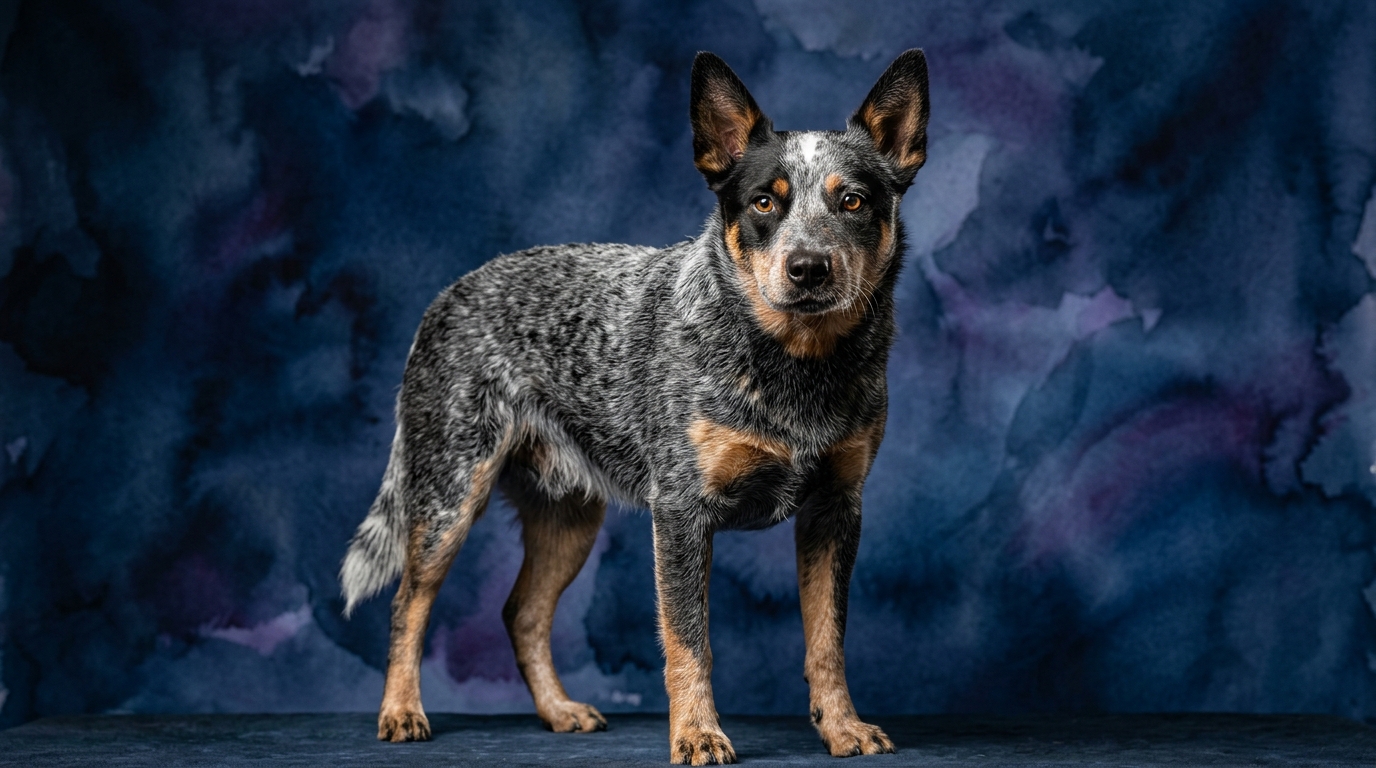
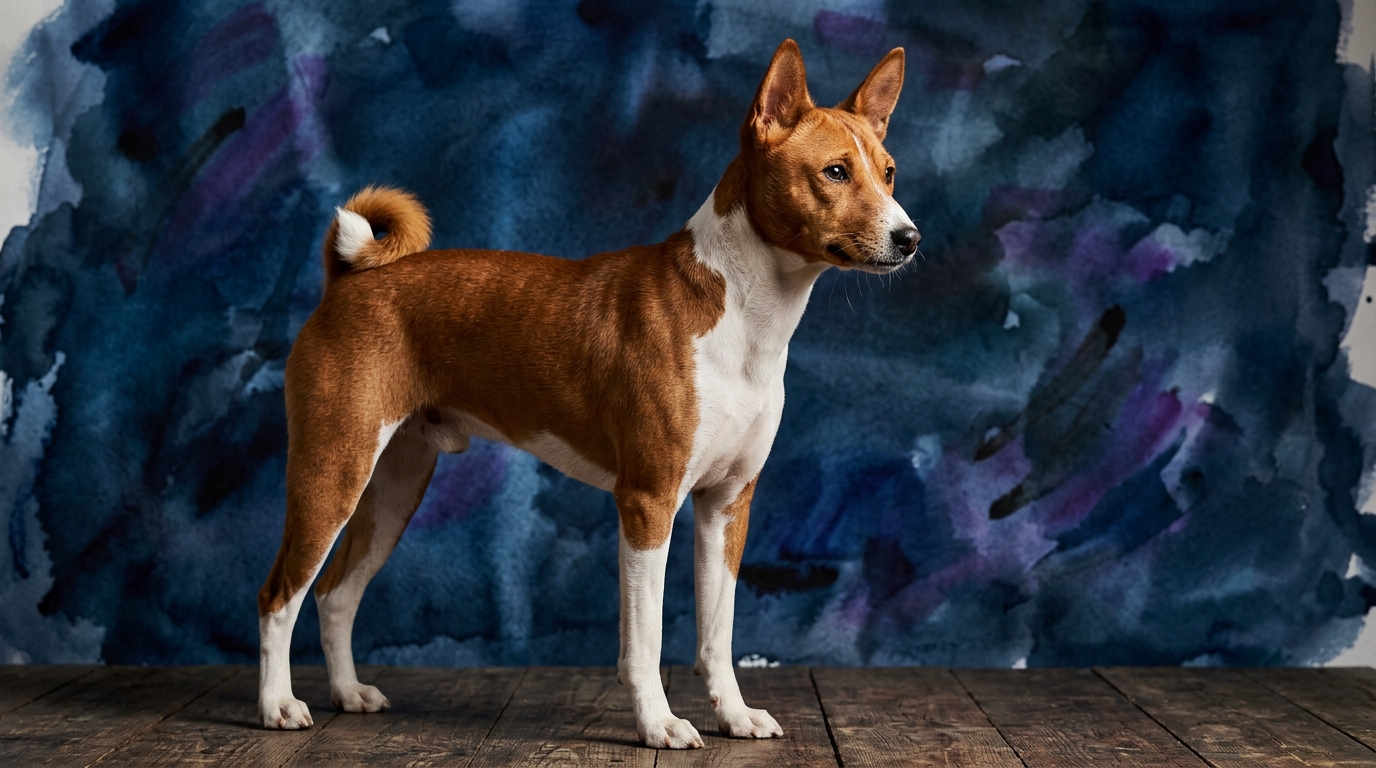
Side-by-Side IQ Profile: Herding Brain vs. Hound Mind
At The Cosmic Pet Pet IQ Lab, we dissect canine intelligence across five critical dimensions to provide a nuanced understanding of each breed's cognitive strengths. For the Australian Cattle Dog, a Herding breed, its Coren rank of #10 places it among the most adept working dogs, reflecting a mind primed for intricate tasks. In stark contrast, the Basenji, a Hound breed, registers a Coren rank of #78, suggesting a very different approach to learning and obedience.
Let's delve into their individual scores. **Problem Solving** is rated 5/5 for both breeds, indicating an exceptional capacity to navigate complex situations and devise solutions. This shared peak score, however, manifests differently: the Cattle Dog's problem-solving often serves a cooperative purpose, while the Basenji's is typically self-directed and independent. Both are adept at figuring things out, whether it's outsmarting livestock or bypassing a fence.
**Training Speed** reveals the most dramatic divergence: the Australian Cattle Dog boasts a perfect 5/5, signifying rapid acquisition and retention of new commands and routines. This breed thrives on learning and quickly integrates new information. The Basenji, conversely, scores a challenging 1/5 in training speed, reflecting its inherent independence and often deliberate approach to instruction. This isn't a lack of intelligence, but rather a strong preference for self-governance over human direction.
In **Social Intelligence**, both breeds register a 3/5. This moderate score suggests they are neither overly people-pleasing nor entirely aloof. They form strong bonds with their primary human companions but may not extend the same enthusiastic engagement to strangers. Their social acumen is practical, allowing them to interpret key signals within their immediate 'pack' without being universally solicitous.
**Instinctive Drive** is a powerful 5/5 for both the Australian Cattle Dog and the Basenji. For the Cattle Dog, this drive is deeply rooted in its herding heritage, compelling it to control movement and manage groups. For the Basenji, it manifests as a potent prey drive, an insatiable curiosity for exploration, and a profound instinct for independent hunting and scavenging. These powerful internal motivators heavily influence their behavior and learning styles.
Finally, **Memory** provides another point of distinction, albeit a subtle one. The Australian Cattle Dog achieves a perfect 5/5, indicating an exceptional ability to recall learned behaviors, routines, and past experiences with precision. The Basenji scores a very respectable 4/5, demonstrating strong memory retention for locations, successful strategies, and social interactions, though perhaps with a fractional difference in the absolute fidelity of recall compared to its herding counterpart.
Where the Australian Cattle Dog Wins Cognitively
The Australian Cattle Dog's cognitive architecture shines brightest in areas demanding collaborative intelligence and rapid operational learning. Its perfect 5/5 Training Speed is a monumental advantage, allowing it to absorb complex command sequences and intricate tasks with remarkable efficiency. This makes them exceptional candidates for advanced obedience, agility, and, of course, their traditional herding work, where quick understanding and execution are paramount. Their mind is wired for partnership, eager to process and respond to human direction.
Coupled with its 5/5 Memory, the Cattle Dog not only learns quickly but retains that knowledge flawlessly over time. This means once a skill is mastered, it tends to stick, reducing the need for constant re-training. Their high Instinctive Drive (5/5) is also a cognitive win when channeled appropriately, as it provides an intense focus and motivation to complete tasks. Unlike some breeds where high drive can be a distraction, the Cattle Dog's herding instinct makes it incredibly attentive to subtle cues and movements, allowing it to apply its problem-solving (5/5) in real-time, dynamic situations under human guidance.
The Cattle Dog's Coren rank of #10 is a testament to its operational intelligence, highlighting its capacity for understanding and executing human commands and its adaptability within structured environments. Their problem-solving isn't just about figuring things out independently; it's about solving problems *with* their handler, anticipating needs, and making intelligent decisions within the framework of a shared goal, such as separating specific livestock or navigating a complex course.
Where the Basenji Wins Cognitively
While the Basenji's training speed might be low, its cognitive strengths lie in its profound independence and self-reliant problem-solving, both rated at 5/5. This breed excels at figuring things out on its own terms, without relying on human instruction. Their intelligence is geared towards navigating the world autonomously, a trait honed over centuries as independent hunting companions in challenging environments. This manifests as exceptional ingenuity in tasks like escaping enclosures, finding hidden treats, or devising creative ways to achieve their own objectives.
The Basenji's 5/5 Instinctive Drive is a powerful cognitive asset in its own right, pushing it to explore, hunt, and investigate. This drive, combined with its independent problem-solving, makes them incredibly resourceful. They don't wait for direction; they proactively engage with their environment, making split-second decisions based on their keen senses and past experiences. Their 4/5 Memory supports this by allowing them to recall complex routes, successful hunting strategies, and the locations of interesting scents or objects, contributing to their self-sufficiency.
This breed's cognitive prowess is not about biddability but about intrinsic cleverness and adaptability in the absence of human intervention. A Basenji's mind is always working, observing, and planning, often in ways that surprise owners accustomed to more compliant breeds. Their low Coren rank doesn't diminish their intelligence; rather, it reflects a strong cognitive preference for self-direction over obedience, a hallmark of their ancient hound lineage.
Which is Easier to Train and Why
Without question, the Australian Cattle Dog is significantly easier to train than the Basenji. The Cattle Dog's perfect 5/5 Training Speed means it absorbs commands rapidly, often understanding new cues after just a few repetitions. Their high memory (5/5) ensures these lessons are retained, building a robust repertoire of behaviors. Furthermore, their 5/5 instinctive drive for herding makes them naturally inclined towards structure, direction, and understanding positional cues, facilitating a cooperative training dynamic. They inherently seek a 'job' and look to their handler for guidance, making them eager participants in the learning process.
The Basenji, with its challenging 1/5 Training Speed, presents a profoundly different training experience. This isn't due to a lack of problem-solving ability (which is 5/5), but rather a strong independent streak and a lack of intrinsic motivation to please. Their 5/5 instinctive drive is focused on exploration and self-interest, often leading them to prioritize their own agenda over commands. Training a Basenji often feels like a negotiation; it requires immense patience, creativity, and highly motivating rewards. They will apply their problem-solving skills to circumvent rules or find loopholes, rather than simply comply. Real behavioral differences include the Basenji's tendency to bolt if off-leash due to prey drive, or to selectively 'hear' commands, making consistent recall a lifelong endeavor compared to the Cattle Dog's inherent responsiveness.
Which Suits Active Owners vs. Relaxed Owners
Neither the Australian Cattle Dog nor the Basenji are suitable for truly relaxed owners; both demand active lifestyles, albeit with different forms of engagement. The Australian Cattle Dog is an ideal match for highly active owners who can provide consistent mental and physical challenges. Their 5/5 instinctive drive and perfect training speed mean they require a 'job' – whether it's herding, advanced obedience, agility, flyball, or demanding hiking companions. An owner must be prepared to channel their intense focus and energy into productive outlets, otherwise, their problem-solving intelligence can be directed towards destructive or disruptive behaviors born from boredom.
The Basenji also needs an active owner, but one who appreciates independence and is prepared for a different kind of engagement. While they benefit from regular physical exercise to satisfy their high instinctive drive (5/5) for exploration and movement, their mental stimulation often comes from puzzle toys, scent games, and navigating varied environments rather than structured obedience. They are less about performing complex tasks for their owner and more about exploring the world on their own terms. Owners must prioritize secure environments due to their strong prey drive and independent nature, and be patient with their training pace. They suit owners who appreciate a clever, self-sufficient companion and are comfortable with a dog that values its own thoughts.
The Verdict
Choose the Australian Cattle Dog if you seek a highly trainable, intensely focused, and cooperative partner for complex tasks, dog sports, or a working role, and are committed to providing consistent mental and physical stimulation.
Opt for the Basenji if you admire an independent, clever, and resourceful companion, are patient with training, prioritize secure environments, and appreciate a dog that thinks for itself and offers a unique, often cat-like, companionship.
🧠 Find Your Pet's IQ Score
Our Pet IQ Lab assessment covers 25+ tests across 5 cognitive dimensions — personalized to your breed.
Take the Full IQ Test →Frequently Asked Questions
Are Basenjis truly difficult to train?
Yes, their low training speed (1/5) stems from their independent nature and high instinctive drive, often prioritizing self-directed activities over human commands. This requires exceptional patience, consistency, and high-value motivation from trainers, as they will often apply their 5/5 problem-solving to finding alternatives to compliance.
How does the Australian Cattle Dog's high instinctive drive manifest?
Their 5/5 instinctive drive is primarily channeled into herding behaviors, prompting them to control movement and gather, often nipping at heels. This drive makes them highly focused on tasks when given a 'job,' but also means they need appropriate outlets to prevent redirecting this intense energy onto family members, other pets, or objects in the home.
Both breeds have 5/5 problem-solving. How do they differ in practice?
While both can figure things out, the ACD typically applies problem-solving in collaboration with a handler to achieve a shared goal, like navigating obstacles during herding or an agility course. The Basenji, conversely, often uses its problem-solving independently to achieve its own objectives, such as escaping enclosures, acquiring desired items, or outsmarting perceived limitations without direct human instruction.