Unpacking Their Cognitive Blueprints: Pet IQ Lab Profiles
The Pet IQ Lab's five dimensions — problem solving, training speed, social intelligence, instinctive drive, and memory — offer a nuanced lens into canine cognition, revealing how breeds are uniquely wired. These metrics, alongside Coren's ranking, illuminate the distinct cognitive landscapes of the Australian Cattle Dog and the Beagle, far beyond simple notions of 'cleverness'.
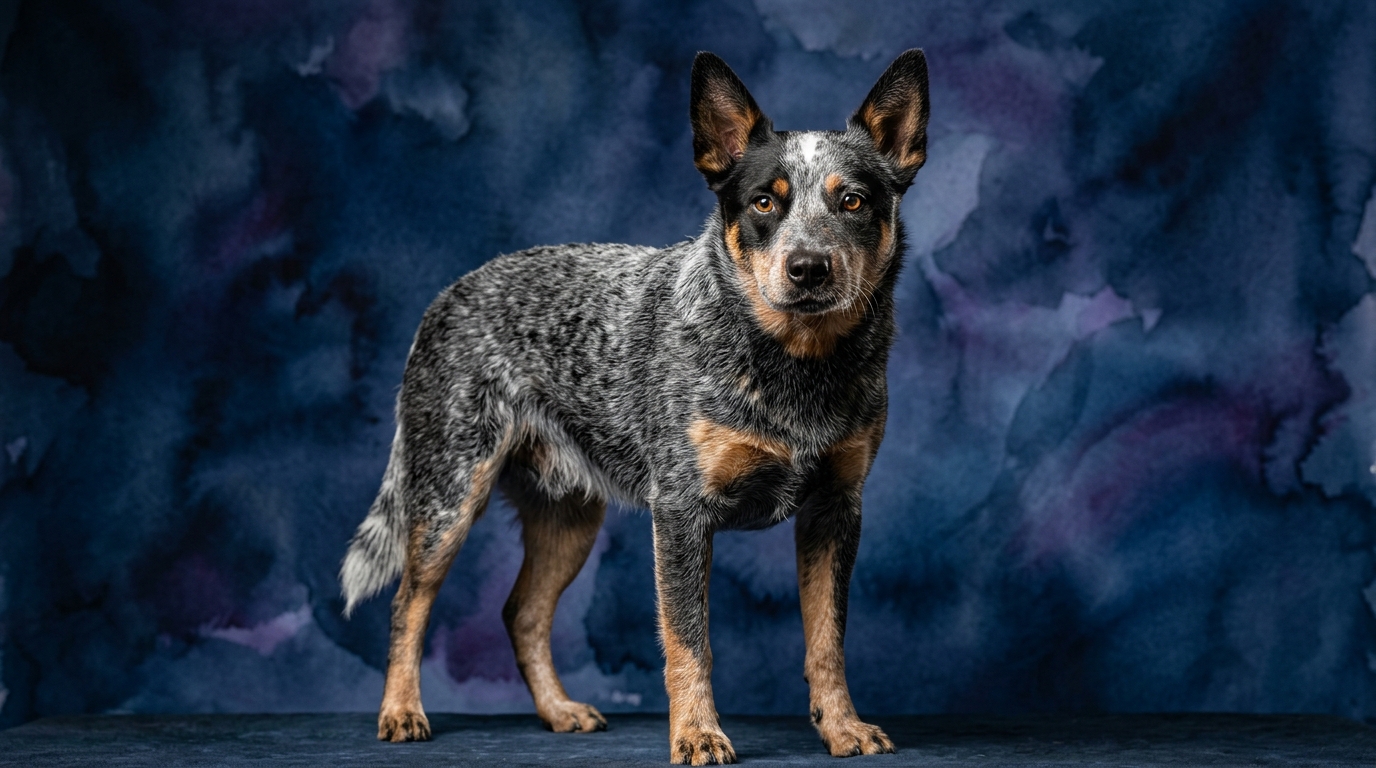
The Australian Cattle Dog, ranked #10 by Coren, presents a profile built for purposeful work. Their 5/5 Problem Solving isn't just about puzzles; it's strategic thinking in dynamic environments, adapting plans and anticipating movements. A 5/5 Training Speed reflects rapid command acquisition and a strong desire to work, thriving on structured learning. Social Intelligence sits at 3/5, indicating competence in bonding but often a task-oriented rather than purely social focus, preferring reserved observation over extensive interaction with strangers. Their 5/5 Instinctive Drive manifests as a powerful urge to control movement, chase, and direct, a core cognitive component. Finally, 5/5 Memory ensures exceptional recall for commands, routines, and spatial awareness, crucial for complex tasks.
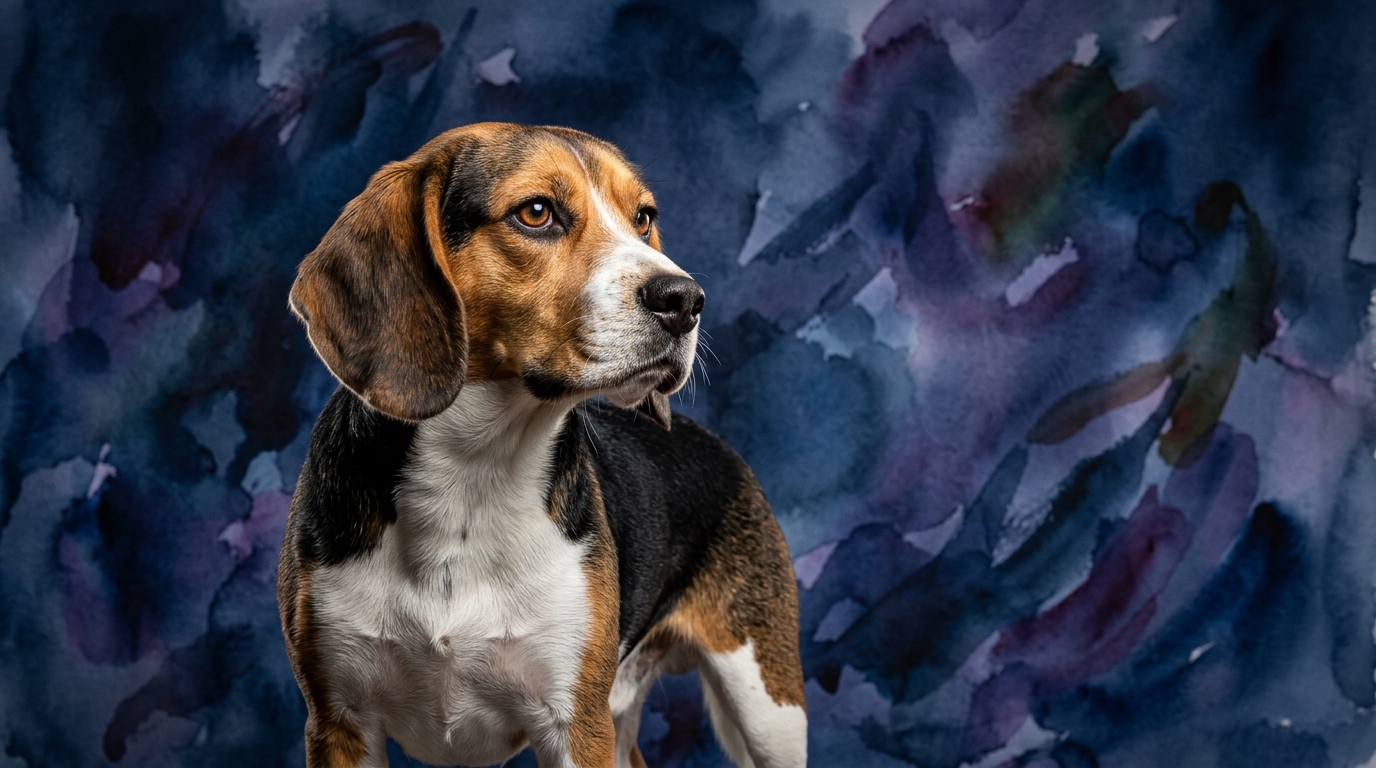
In contrast, the Beagle, Coren ranked #72, showcases a different cognitive specialization. Their 4/5 Problem Solving centers on persistent exploration, especially related to scent-tracking or accessing desired items, often through trial and error rather than strategic planning. Training Speed is 2/5; they learn, but require more repetition and patience due to their independent drive and olfactory distractions. Social Intelligence, also 3/5, means they are amiable and enjoy companionship, but their social interactions can be overshadowed by their primary drive. A 5/5 Instinctive Drive for hunting and scenting is paramount, dictating their focus and energy. Their 4/5 Memory is robust for routes, scent trails, and reward associations, though perhaps less systematically task-oriented than the ACD's.
The Herder's Edge: Where Australian Cattle Dogs Excel Cognitively
The Australian Cattle Dog's cognitive strengths primarily lie in their executive functions and practical application of intellect. Their 5/5 in Problem Solving and Training Speed reflects a remarkable capacity for complex, multi-stage tasks. They don't just learn commands; they grasp the *intent* behind them, allowing for flexible application and proactive decision-making in varied scenarios.
This breed's high Instinctive Drive (5/5), combined with superior Memory (5/5) and Problem Solving (5/5), creates a dog capable of significant autonomy and precision in working contexts. They can remember intricate patterns, anticipate changes in livestock movement, and execute precise maneuvers. This demonstrates a highly specialized form of applied cognition, where abstract understanding meets real-world execution.
Such a cognitive profile makes ACDs particularly adept at canine sports like agility or obedience. Rapid learning, sequential memory, and problem-solving under pressure are their hallmarks. They can quickly analyze a new course or sequence of commands and execute it with minimal errors, showcasing a cognitive efficiency geared towards mastery and control.
The Scent Hound's Wisdom: Where Beagles Demonstrate Unique Strengths
While their Coren rank might suggest a different hierarchy, the Beagle's 5/5 Instinctive Drive paired with 4/5 in Problem Solving and Memory highlights a distinct cognitive specialization: the mastery of scent. Their world is defined by olfaction, and their cognitive processes are optimized for interpreting and following these invisible trails with unparalleled dedication. This is a highly specialized form of sensory processing and deduction, not a general problem-solving approach.
A Beagle's problem-solving often manifests as relentless, systematic exploration. If a scent leads into a complex environment, they will methodically navigate obstacles, using their memory of past scent trails and their keen olfactory senses to deduce the correct path. This persistence, while challenging in a training context, is a profound cognitive triumph in their natural role as a hound.
Their social intelligence, rated 3/5 like the ACD, often expresses itself with more overt gregariousness. Beagles typically form strong bonds within their human or canine "pack," enjoying companionship. Their memory for positive social interactions and locations associated with pleasant experiences (like treat spots or favorite walking routes) is robust, driven by positive associations and an affable nature.
Training Dynamics: A Tale of Two Approaches
The Australian Cattle Dog, boasting a 5/5 Training Speed, is generally more straightforward to train for command acquisition and obedience. Their innate desire to work, coupled with their focus and capacity for understanding complex instructions, means they absorb new skills rapidly. They often perceive training as a collaborative task, eager to engage with their handler. Their exceptional memory ensures commands are retained efficiently.
Beagles, with a 2/5 Training Speed, present a different training landscape. Their powerful instinctive drive to follow scent frequently overrides their desire to comply with human commands, especially amidst distractions. They aren't inherently stubborn, but rather profoundly focused on their primary sensory input. Training a Beagle demands immense patience, creative motivation (often treat-based), and an acknowledgment that their nose will consistently be their first priority.
Real behavioral differences are stark: an ACD exhibits an intense gaze and readiness for direction, while a Beagle's nose-to-the-ground posture often leads to selective hearing when a compelling scent is present. While an ACD might learn "sit" in a few repetitions, a Beagle could require dozens, and then still ignore it if a squirrel scent wafts by. Consistent reinforcement is crucial for Beagles to overcome environmental distractions and solidify learned behaviors.
Matching Paws to Lifestyles: Active vs. Relaxed Owners
For active owners desiring a true partner in sport or work, the Australian Cattle Dog is an ideal match. Their 5/5 Instinctive Drive translates into an unwavering need for physical and mental engagement. They thrive in environments where their problem-solving skills and energy are channeled into activities like herding, agility, flyball, or demanding hikes. An ACD without a consistent "job" often invents its own, which can be less than desirable.
Owners who prefer a more relaxed pace, but still enjoy regular walks and social interaction, might find the Beagle a better fit. While they also possess a 5/5 Instinctive Drive, it's primarily scent-driven. They need daily walks allowing extensive nose-work, but their overall physical endurance for structured, high-intensity exercise might be less than an ACD's. Their problem-solving is often satisfied by exploring new scents rather than complex obedience sequences.
The fundamental distinction for prospective owners lies in *how* these breeds engage with the world. The ACD seeks to *do* something with you, often taking direction or even guiding the activity. The Beagle prefers to *explore* the world, often independently, with you accompanying them on their sensory adventures. Both appreciate companionship (3/5 Social Intelligence), but the *nature* of that companionship and the activities they seek diverge significantly.
The Verdict
Opt for the Australian Cattle Dog if you crave a highly engaged working partner, thrive on consistent training challenges, and can provide ample physical and mental stimulation rooted in purpose-driven activities.
Select the Beagle if you appreciate a charming, scent-driven companion who enjoys exploring the world through their nose, and you're prepared for patient, reward-based training to harness their independent spirit.
🧠 Find Your Pet's IQ Score
Our Pet IQ Lab assessment covers 25+ tests across 5 cognitive dimensions — personalized to your breed.
Take the Full IQ Test →Frequently Asked Questions
Is an Australian Cattle Dog better with children than a Beagle?
Both breeds can be good with children, but their interaction styles differ. ACDs, with their herding instincts, might try to "herd" children, requiring careful supervision and training to redirect this behavior. Beagles are generally more tolerant and playful, often enjoying the chaos of a family, though their scent drive can make them less focused on play.
Which breed requires more mental stimulation?
The Australian Cattle Dog typically requires more structured and consistent mental stimulation due to their 5/5 problem-solving and training speed. They need complex tasks, puzzle toys, and ongoing training to prevent boredom. Beagles, while intelligent, are often satisfied by scent work and exploration, which provides mental engagement through their primary sense.
Can a Beagle live in an apartment?
A Beagle can potentially adapt to apartment living if their significant exercise and mental stimulation needs, particularly for scent exploration, are met daily. This means multiple walks, dedicated sniffing time, and opportunities for play, as their 5/5 instinctive drive needs an outlet. An ACD, with its higher energy and need for space to work, would generally struggle more in a small apartment without extraordinary effort from the owner.